The Brothers Bloom
General Contractors Bringing you the Best Tips for Construction, Home Ownership, Investing and More

Uncategorized

Advanced Technical SEO Strategies for Enterprise Websites

Advanced Technical SEO Strategies for Enterprise Websites: Optimize Crawl Budget, JavaScript Rendering, and Site Architecture In the realm of enterprise websites, advanced technical SEO strategies are crucial for maintaining visibility and performance in searc

Advanced Technical SEO Strategies for Enterprise Websites: Optimize Crawl Budget, JavaScript Rendering, and Site Architecture

In the realm of enterprise websites, advanced technical SEO strategies are crucial for maintaining visibility and performance in search engine results. This article delves into essential techniques such as crawl budget management, effective site architecture, and addressing JavaScript rendering challenges. By understanding these strategies, businesses can enhance their online presence and ensure that their websites are optimized for both users and search engines. Many enterprises struggle with inefficient crawling and indexing, which can lead to missed opportunities for traffic and conversions. This guide will explore how to optimize crawl budgets, improve site architecture, and tackle JavaScript rendering issues effectively. We will cover the importance of crawl budget management, best practices for site architecture, and solutions for JavaScript rendering challenges, providing a comprehensive overview of technical SEO for enterprise websites.

How Can Crawl Budget Management Improve Enterprise Website SEO?

Crawl budget management is a critical aspect of technical SEO that determines how effectively search engines can index a website. By optimizing crawl budgets, enterprises can ensure that search engines focus on their most important pages, improving overall SEO performance. Effective management of crawl budgets can lead to better visibility in search results, increased organic traffic, and enhanced user experience. This is particularly important for large websites with numerous pages, where inefficient crawling can result in missed indexing opportunities.

What Techniques Optimize Crawl Budget for Large Enterprise Sites?

Visual representation of techniques for optimizing crawl budget in large enterprise sites

To optimize crawl budgets for large enterprise sites, several techniques can be employed:

  1. Prioritization of Important Pages: Identifying and prioritizing key pages ensures that search engines crawl the most valuable content first.
  2. Use of Robots.txt and Sitemaps: Implementing a well-structured robots.txt file and XML sitemaps helps guide search engines to the most important areas of the site.
  3. Minimizing Duplicate Content: Reducing duplicate content prevents search engines from wasting crawl budget on similar pages.

These techniques collectively enhance the efficiency of search engine crawling, ensuring that critical pages receive the attention they deserve.

How Does AI Enhance Crawl Budget Efficiency?

Artificial intelligence (AI) plays a significant role in optimizing crawl budget efficiency. AI algorithms can analyze user behavior and traffic patterns to prioritize pages that are more likely to convert. This real-time adjustment allows for dynamic optimization of crawl budgets, ensuring that search engines focus on high-value content. Additionally, AI can help identify and resolve issues that may hinder crawling, such as broken links or slow-loading pages, further enhancing the overall efficiency of the crawl process.

Further research highlights how advanced algorithms, including those leveraging AI, can dynamically adjust crawling strategies to improve efficiency and relevance.

Advanced Crawl Budget Management with Adaptive Algorithms

Web crawling is an essential technique for collecting data in various domains, but traditional crawlers often struggle with inefficiencies such as irrelevant data collection, redundant crawling, and resource overuse. This paper explores the enhancement of web crawling efficiency through the integration of adaptive scheduling algorithms and ChatGPT. Adaptive scheduling dynamically prioritizes URLs based on real-time parameters such as relevance, server load, and crawling depth, enabling a more targeted and resource-efficient approach.

Enhancing Web Crawling Efficiency with Adaptive Scheduling Algorithms and ChatGPT Integration, NM Tuan, 2024

What Are the Best Practices for Enterprise Site Architecture?

Effective site architecture is fundamental to SEO scalability and user experience. A well-structured site not only facilitates easier navigation for users but also helps search engines understand the hierarchy and importance of content. Best practices for enterprise site architecture include creating a logical structure, ensuring mobile-friendliness, and optimizing for speed. These elements contribute to a seamless user experience and improved search engine rankings.

How Does Site Architecture Affect SEO Scalability?

Site architecture significantly impacts SEO scalability by influencing how easily search engines can crawl and index a website. A poorly structured site can lead to crawl inefficiencies, where search engines struggle to access important content. Conversely, a well-organized site architecture allows for better indexing and improved visibility in search results. For instance, a clear hierarchy with categorized content can enhance the likelihood of pages being crawled and indexed effectively.

Which Flowcharts Illustrate Effective Enterprise Site Structures?

Flowcharts can be invaluable tools for visualizing effective enterprise site structures. They provide a clear representation of how content is organized and how users navigate through the site. Effective flowcharts typically include:

  • Hierarchical Structures: Showcasing the relationship between main categories and subcategories.
  • User Journey Mapping: Illustrating how users interact with the site and where they may encounter obstacles.
  • Content Relationships: Highlighting connections between related content to enhance internal linking strategies.

These visual aids can help teams identify areas for improvement and ensure that the site architecture supports both user experience and SEO goals.

How to Address JavaScript Rendering SEO Challenges in Enterprise Websites?

JavaScript rendering poses unique challenges for SEO, particularly for enterprise websites that rely heavily on dynamic content. Search engines may struggle to index content that is generated through JavaScript, leading to potential visibility issues. Addressing these challenges is essential for ensuring that all content is accessible to search engines.

What Are Common JavaScript SEO Issues and Their Solutions?

Developer addressing JavaScript SEO issues with solutions for enterprise websites

Common JavaScript SEO issues include:

  1. Indexing Problems: Search engines may not index content that is rendered via JavaScript. Solutions include server-side rendering or pre-rendering to ensure content is accessible.
  2. Slow Loading Times: Heavy JavaScript can slow down page loading, negatively impacting user experience. Optimizing scripts and reducing unnecessary code can help.
  3. Crawl Errors: JavaScript can lead to crawl errors if not implemented correctly. Regular audits and testing can identify and resolve these issues.

By addressing these common challenges, enterprises can improve their site’s crawlability and ensure that all content is indexed effectively.

How Does Dynamic Rendering Improve Crawlability?

Dynamic rendering is a technique that can significantly enhance crawlability for JavaScript-heavy websites. This approach involves serving a static HTML version of the page to search engines while delivering the full JavaScript experience to users. This ensures that search engines can access and index the content without encountering rendering issues. The benefits of dynamic rendering include:

  • Improved Indexing: Ensures that all content is indexed by search engines, regardless of how it is rendered.
  • Faster Crawling: Static HTML pages are typically crawled more quickly than dynamic JavaScript pages.
  • Enhanced User Experience: Users still receive the full interactive experience while search engines can effectively index the content.

Dynamic rendering provides a practical solution for enterprises looking to optimize their JavaScript-heavy websites for search engines.

Which Technical SEO Audit Tools Are Essential for Enterprise Scalability?

Conducting regular technical SEO audits is vital for maintaining the health and performance of enterprise websites. Several tools can assist in identifying issues and optimizing site performance. Essential tools for technical SEO audits include:

  1. Crawl Analysis Tools: These tools help identify crawl errors, broken links, and other issues that may hinder search engine indexing.
  2. Site Speed Testers: Tools that measure page loading times and provide recommendations for optimization.
  3. Mobile Usability Testers: Ensuring that the site is mobile-friendly is crucial for user experience and SEO.

These tools collectively support enterprises in maintaining a scalable and efficient online presence.

How Do Server Log Analysis Tools Support Enterprise SEO?

Server log analysis tools are essential for understanding how search engines interact with a website. By analyzing server logs, enterprises can gain insights into:

  • Crawl Frequency: Understanding how often search engines visit the site and which pages are crawled.
  • Crawl Errors: Identifying issues that may prevent search engines from accessing content.
  • User Behavior: Gaining insights into how users navigate the site and where they may encounter obstacles.

This data is invaluable for optimizing crawl budgets and improving overall site performance.

What Automation Strategies Enhance Technical SEO Audits?

Automation can significantly enhance the efficiency of technical SEO audits. Strategies include:

  1. Automated Reporting: Setting up automated reports to track key SEO metrics and identify issues in real-time.
  2. Scheduled Crawls: Regularly scheduled crawls can help identify new issues as they arise, ensuring that the site remains optimized.
  3. Integration with Analytics: Connecting SEO tools with analytics platforms can provide a comprehensive view of site performance and user behavior.

By implementing these automation strategies, enterprises can streamline their SEO efforts and maintain a proactive approach to site optimization.


Sustainable Urban Planning Strategies That Foster Thriving Cities

Sustainable Urban Planning Strategies for Thriving Cities Many urban areas face significant issues such as traffic congestion, pollution, and extreme weather impacts. Sustainable urban planning strategies offer effective solutions to these challenges by promot

Sustainable Urban Planning Strategies for Thriving Cities

Many urban areas face significant issues such as traffic congestion, pollution, and extreme weather impacts. Sustainable urban planning strategies offer effective solutions to these challenges by promoting environmental protection and innovative urban design. This blog post will explore key approaches, including integrating green infrastructure and enhancing transportation systems. By engaging with this content, readers will discover practical methods to create thriving cities that not only alleviate current urban problems but also foster long-term sustainability and resilience.

Understanding Sustainable Urban Planning Strategies

a vibrant urban landscape showcases lush greenery interspersed with innovative smart buildings, illuminated by soft sunset light, symbolizing the harmony of sustainability and technology in modern city planning.

Defining key concepts and terminology is essential in understanding sustainable urban planning strategies, including the integration of smart grids and vehicle efficiency. Emphasizing sustainability ensures urban environments can support cycling initiatives and preserve wildlife. These insights stress the importance of holistic approaches to creating thriving, livable cities.

Defining Key Concepts and Terminology

Defining key concepts and terminology is fundamental to grasping sustainable urban planning strategies, focusing on terms such as sustainable development and social equity. These principles guide the creation of environmentally friendly urban spaces that prioritize natural resource management while minimizing risks such as flood impacts. By understanding these foundational concepts, city planners can foster initiatives that not only enhance community resilience but also promote equitable access to urban amenities.

Importance of Sustainability in Urban Environments

Sustainability in urban environments is critical for reducing consumption and air pollution, ensuring cities meet the needs of residents without depleting resources. Implementing effective policies can mitigate urban sprawl, encouraging dense, mixed-use development that promotes walkability. By enhancing walkability, cities can improve public health, decrease traffic emissions, and create vibrant communities where residents enjoy a higher quality of life.

Integrating Green Infrastructure in Urban Design

a vibrant urban landscape showcases lush green roofs and vertical gardens, seamlessly integrating nature into modern architecture under a bright blue sky, symbolizing the harmony of sustainability and community well-being.

Green infrastructure plays a crucial role in sustainable urban design, offering benefits such as green roofs and walls that enhance climate resilience while reducing coal usage. Implementing urban forests and green spaces fosters community well-being and addresses affordable housing needs. Additionally, effective stormwater management solutions help lower the ecological footprint of cities, mitigating traffic-related issues and strengthening urban ecosystems.

Benefits of Green Roofs and Walls

Green roofs and walls significantly enhance urban environments by mitigating the effects of climate change and addressing the urban heat island phenomenon. By incorporating vegetation into architecture, these green infrastructure solutions provide natural insulation, reducing energy consumption and improving temperature regulation. Additionally, the soil used in these systems absorbs rainwater, contributing to effective stormwater management and promoting biodiversity in urban settings.

Implementing Urban Forests and Green Spaces

Implementing urban forests and green spaces is vital for enhancing ecological resilience within urban areas, especially in the context of globalization. These green initiatives can also serve as strategic sites for solar energy installations, aligning urban development with sustainable practices. Research shows that integrating greenery not only improves air quality but also provides social benefits, such as recreational spaces, thereby addressing community needs in densely populated environments.

Stormwater Management Solutions

Stormwater management solutions are essential in urban planning as they help reduce the carbon footprint of cities while promoting biodiversity. Techniques such as permeable paving allow rainwater to infiltrate the ground, minimizing runoff and enhancing groundwater recharge. Furthermore, effective zoning regulations can encourage the inclusion of green spaces and wetland restoration, addressing flooding concerns and supporting overall ecological health.

Stormwater Management SolutionsBenefitsExamples
Permeable PavingReduces runoff, promotes infiltrationParking lots, walkways
Rain GardensEnhances biodiversity, filters pollutantsPublic parks, residential areas
Green RoofsImproves insulation, captures rainwaterCommercial buildings, residential developments
Wetland RestorationSupports wildlife, mitigates floodingNatural parks, urban watersheds

Promoting Mixed-Use Development

a vibrant mixed-use development bustling with people, featuring modern residential high-rises intertwined with lush green parks and lively commercial spaces, bathed in golden hour sunlight to highlight community interaction and connectivity.

Mixed-use development enhances community interaction and connectivity by integrating residential, commercial, and recreational spaces. This approach reduces dependence on vehicles, which can lead to decreased construction waste and lower environmental impacts. Successful examples demonstrate the potential for biofuel utilization and the importance of knowledge sharing in design and implementation, while mitigating risks associated with urban sprawl.

Enhancing Community Interaction and Connectivity

Enhancing community interaction and connectivity through mixed-use development actively supports economic growth while countering environmental degradation in urban areas. In New York City, for instance, integrating residential, commercial, and recreational spaces fosters vibrant habitats where residents can easily access diverse amenities without relying heavily on transport. This design approach not only reduces travel distances but also creates a sense of community, encouraging social interactions and cohesive neighborhoods.

Reducing Dependence on Vehicles

Reducing dependence on vehicles is a key strategy in promoting mixed-use development, significantly contributing to sustainability and enhancing the quality of urban life. By integrating cycling infrastructure and pedestrian-friendly amenities, cities can create environments that encourage residents to choose active transportation modes. This shift not only leads to energy conservation but also positively impacts the cost of living by reducing transportation expenses.

  • Promoting cycling infrastructure to enhance active transportation.
  • Integrating residential, commercial, and recreational spaces to foster accessibility.
  • Encouraging energy conservation through reduced reliance on vehicles.
  • Addressing the cost of living by minimizing transportation expenses.

Examples of Successful Mixed-Use Projects

Successful mixed-use projects exemplify how urban resilience can be achieved while promoting sustainable practices. For instance, the Granville Island district in Vancouver integrates residential, commercial, and recreational spaces, reducing reliance on fossil fuel transportation and enhancing community engagement. Incorporating features such as green roofs, these developments support a circular economy by recycling resources and creating environments that foster both ecological health and social interaction.

Enhancing Public and Active Transportation Systems

a vibrant urban landscape showcases a bustling public transportation hub surrounded by bike lanes and pedestrian walkways, highlighting the synergy between efficient transit systems and thriving community engagement under the warm glow of sunset.

Expanding public transit networks is vital for increasing access to essential services, thereby improving quality of life and addressing issues like poverty. Designing walkable and bike-friendly communities enhances stakeholder involvement and promotes healthier lifestyles. Case studies will illustrate effective transportation strategies, showcasing the role of analytics in enhancing water quality and overall urban sustainability.

Expanding Public Transit Networks

Expanding public transit networks is vital for improving accessibility in urban areas, which can significantly reduce social inequality. Enhanced transit options allow individuals from diverse backgrounds to access essential services and job opportunities, directly addressing environmental issues linked to vehicle emissions. By fostering efficient public transportation systems, cities contribute to climate change mitigation while supporting green building initiatives that promote sustainable practices in urban development.

Designing Walkable and Bike-Friendly Communities

Designing walkable and bike-friendly communities is essential for promoting sustainable transport systems that benefit current and future generations. Incorporating elements like dedicated bike lanes and pedestrian pathways can facilitate access to rapid transit options, ensuring that residents have efficient routes to essential services. Furthermore, thoughtfully integrating green infrastructure can improve the management of water resources while utilizing natural elements like wind for energy efficiency, contributing to a healthier urban ecosystem.

Case Studies of Effective Transportation Strategies

Case studies exemplifying effective transportation strategies showcase how urban planning strategies can significantly impact ecology and carbon reduction goals. Cities like Copenhagen have implemented extensive cycling infrastructure, which not only promotes active transportation but also creates a robust transportation network that strengthens society’s reliance on sustainable practices. By analyzing these successful models, urban planners can adopt efficient solutions that yield environmental benefits while enhancing community well-being.

  • Integration of cycling infrastructure in Copenhagen.
  • Active transportation promotes healthier, more engaged communities.
  • Case studies provide actionable insights for urban planners.
  • Strategies align environmental goals with societal needs.

Implementing Sustainable Building Practices

a modern, sustainable building stands proudly amidst lush greenery, showcasing its energy-efficient design and eco-friendly materials under a bright, clear sky, symbolizing a thriving urban environment interconnected with nature.

Utilizing energy-efficient technologies is essential in creating sustainable building practices that align with modern agricultural and urban infrastructure needs. Incorporating sustainable materials and acquiring green certifications and ratings not only promotes climate resilience but also enhances understanding of renewable energy solutions. Each of these aspects contributes to developing buildings that support thriving urban environments.

Utilizing Energy-Efficient Technologies

Utilizing energy-efficient technologies in building practices is essential for modern urbanism, particularly in reducing greenhouse gas emissions and minimizing pollution. By integrating smart building systems and renewable energy sources, developers can create structures that align with the natural environment while supporting sustainable urban landscapes. This approach not only decreases energy consumption but also enhances the overall well-being of urban residents:

Energy-Efficient TechnologiesImpact on UrbanismBenefits
Smart Building SystemsReduces operational energy useLower energy bills, enhanced comfort
Solar PanelsUtilizes renewable resourcesDecreases reliance on fossil fuels
High-Performance InsulationImproves energy retentionMinimizes heating and cooling demands
LED LightingPromotes energy efficiencyReduces electricity consumption

Incorporating Sustainable Materials

Incorporating sustainable materials into building practices is a fundamental aspect of smart growth, significantly enhancing urban environments. By utilizing recycled or locally sourced materials, developers not only reduce waste but also promote sustainable finance criteria that support healthier communities. This concept aligns with pedestrian-friendly designs, ensuring that the structures contribute positively to the social fabric of cities while minimizing their environmental impact.

Green Certifications and Ratings

Green certifications and ratings play a crucial role in promoting sustainable urban development by providing a framework for measuring the environmental impact of buildings. These certifications guide developers in optimizing land use, improving stormwater management practices, and contributing to reforestation efforts through sustainable design principles. By choosing certified sustainable building materials and practices, cities can address common challenges such as reducing energy consumption and enhancing community resilience, ultimately leading to thriving urban environments that benefit both residents and the ecosystem.

Fostering Community Engagement in Urban Planning

a vibrant urban landscape showcases a diverse group of engaged citizens collaborating on a large community planning map, illuminated by warm sunlight filtering through green trees, symbolizing a sustainable future filled with renewable energy initiatives.

Encouraging local participation in planning processes is fundamental for developing a sustainable city. Educating residents about sustainability helps foster a culture of responsibility toward issues like water pollution. Building collaborations between stakeholders ensures a comprehensive evaluation of community needs, addressing the integration of renewable resources such as hydroelectricity for a resilient urban future.

Encouraging Local Participation in Planning Processes

Encouraging local participation in urban planning processes is fundamental for creating sustainable cities that address community needs effectively. By engaging residents and incorporating their insights on topics such as recycling and energy efficiency, urban planners can enhance disaster preparedness and integrate principles of landscape architecture. This collaborative approach not only fosters a sense of ownership among community members but also aligns with corporate social responsibility initiatives that prioritize environmental stewardship and resilience in urban development.

Educating Residents on Sustainability

Educating residents on sustainability is a vital aspect of fostering community engagement in urban planning. By promoting understanding of sustainable development goals and governance, communities can better recognize the role of public transport and the private sector in achieving these objectives. Practical workshops and local initiatives can empower citizens to embrace environmentalism, encouraging them to actively participate in shaping their urban environments through informed decisions and collaborative efforts.

Building Collaborations Between Stakeholders

Building collaborations between stakeholders is essential for fostering community engagement in urban planning efforts aimed at creating sustainable cities. In Curitiba, Brazil, effective partnerships between government, private sector, and local communities have demonstrated significant progress in addressing natural resource management and ensuring safety through innovative strategies. By utilizing tools such as the internet of things, stakeholders can efficiently monitor resources and combat resource depletion, ultimately leading to enhanced urban living conditions and a more resilient community.

  • Establish partnerships among government, private sector, and local communities.
  • Utilize innovative technologies like the internet of things to monitor urban resources.
  • Address natural resource management and safety concerns effectively.
  • Combat resource depletion to ensure sustainable development.

Conclusion

Sustainable urban planning strategies play a vital role in creating thriving cities that prioritize environmental resilience and community well-being. By integrating green infrastructure, promoting mixed-use development, and expanding public transportation, cities can foster vibrant, accessible environments that reduce reliance on vehicles. Engaging residents and stakeholders ensures that urban planning reflects community needs and values, further enhancing the effectiveness of these strategies. Prioritizing sustainability is essential for addressing current challenges and securing a healthier, more equitable urban future.

Easy Homemade Glazed Donuts With Classic Vanilla Glaze Recipe

Homemade glazed donuts are a delightful treat that anyone can enjoy, but many believe they’re too difficult to make at home. This Easy Homemade Glazed Donuts With Classic Vanilla Glaze Recipe breaks down the process into simple steps, ensuring success for bake

Homemade glazed donuts are a delightful treat that anyone can enjoy, but many believe they’re too difficult to make at home. This Easy Homemade Glazed Donuts With Classic Vanilla Glaze Recipe breaks down the process into simple steps, ensuring success for bakers of all levels. Readers will learn about essential ingredients, the proper kneading technique for the dough, and how to create a delicious vanilla glaze that enhances flavor. By the end, they’ll have a satisfying solution to satisfy their sweet cravings while impressing friends and family with delectable donuts made right from their own kitchen.

Discover the Joy of Making Glazed Donuts at Home

a kitchen counter lined with freshly made, golden-brown glazed donuts cooling on waxed paper.

Understanding what makes a perfect donut starts with selecting the right cooking oil with an ideal smoke point for frying. Homemade donuts offer fresher flavors and customizable options compared to store-bought versions. Preparing the kitchen effectively, including using a frying pan and a slotted spoon, ensures a smooth donut-making experience, while having waxed paper on hand helps with draining excess oil.

Understanding What Makes a Perfect Donut

Understanding the elements that contribute to a perfect donut is essential for home bakers. The choice of a cookie cutter can affect the shape and size, which influences frying time and final taste. Utilizing a balanced oil, particularly one high in polyunsaturated fat, helps achieve the desired crispness without an overpowering flavor. For a delightful twist, rolling the donuts in cinnamon sugar after frying adds an extra layer of flavor that can complement a classic vanilla glaze or even a rich custard filling.

Benefits of Homemade Over Store-Bought Donuts

Making glazed donuts at home offers distinct advantages over purchasing them from stores. Homemade donuts can be tailored to individual preferences, allowing for specific flavors, such as adding a hint of lemon zest to the glaze or a dusting of unique toppings. The use of a mixer simplifies the dough preparation, ensuring a consistent texture, while the proofing process allows the dough to rise properly, creating a light and airy donut. Furthermore, homemade versions can include healthier ingredients, promoting better nutrition by providing essential vitamins and calcium that are often lacking in store-bought options.

Preparing Your Kitchen for Donut Making

Before diving into the world of homemade glazed donuts, preparing the kitchen is essential for success. Ensuring all necessary tools, such as a heavy frying pan, slotted spoon, and measuring cups, are readily available streamlines the process. Having ingredients like coconut oil and nutmeg on hand not only enhances flavor but also contributes to a delightful scent that fills the kitchen, making the experience even more enjoyable. A clean workspace allows for efficient mixing of the dough, while keeping a sauce pan ready for the classic vanilla glaze ensures a smooth finishing touch for the delicious donuts.

Essential Ingredients for Classic Vanilla Glazed Donuts

a pristine vanilla bean pod and a stick of dairy-free butter sit atop a wooden table, ready to be used in creating delicious glazed donuts.

Gathering fresh and quality ingredients is vital for crafting delightful glazed donuts. The role of vanilla in the glaze brings an essential flavor that enhances the overall experience. For those with dietary preferences, exploring substitutions—such as using dairy-free butter or choosing specific types of vegetable oil—can make these classic treats accessible to everyone. Each of these components plays a critical part in achieving the perfect pastry.

Gathering Fresh and Quality Ingredients

Gathering fresh and quality ingredients is a fundamental step in creating delightful glazed donuts. Using high-quality cream in the vanilla glaze enhances the richness and texture, while selecting premium flour ensures that the doughnut has the desired structure and crumb. Additionally, preparing a clean workspace with parchment paper helps manage the doughnut-making process, making frying and glazing more efficient and enjoyable.

Importance of Vanilla in the Glaze

The importance of vanilla in the glaze cannot be overstated, as it serves as the essential flavoring agent that elevates the donut experience. A few teaspoons of pure vanilla extract mixed into the glaze create a delightful aroma and depth that complements the sweetness of the donut. When rolled out with a rolling pin to a half-inch thickness before glazing, the donuts enhance their flavor profile, ensuring each bite is perfectly balanced and satisfying.

Substitutions for Dietary Preferences

For those with dietary preferences, simple substitutions can make the classic glazed donut recipe accessible. Utilizing baking powder as a leavening agent and replacing dairy ingredients with almond milk or coconut yogurt ensures the donuts can accommodate a variety of diets. Additionally, using peanut oil for frying not only provides a unique flavor but also suits those avoiding other oils. To manage excess oil after frying, having a paper towel nearby is helpful for proper draining, allowing for a delicious homemade treat like a donut hole that appeals to everyone.

Crafting the Donut Dough Step by Step

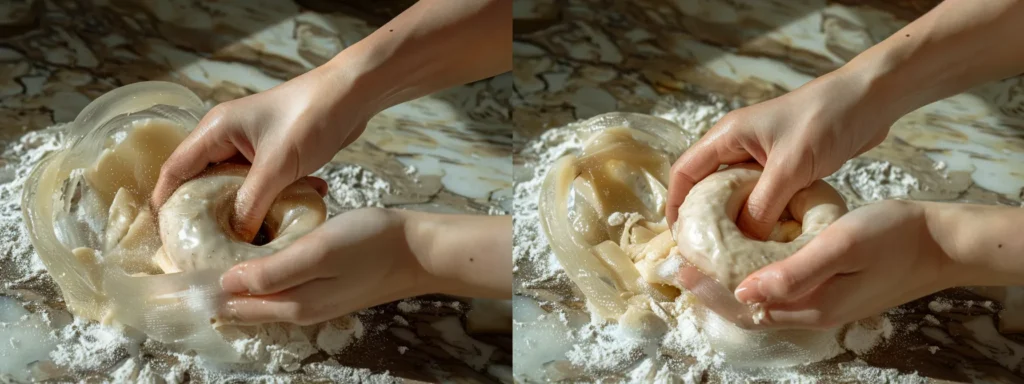
a pair of hands expertly kneading donut dough, creating a smooth and elastic consistency.

Properly crafting the donut dough is crucial for achieving delicious, homemade glazed donuts. Mixing the ingredients correctly ensures a uniform texture, while mastering kneading techniques contributes to optimal dough consistency. Allowing the dough to rise properly is essential for achieving a light, fluffy result. This section will cover these key aspects, including tips for using a fork or whisk, insights on bread machines, and freezing techniques for future baking.

Mixing the Ingredients Correctly

Mixing the ingredients correctly is a pivotal step in crafting perfect donut dough for easy homemade glazed donuts. It’s important to combine all dry ingredients, including white sugar and a pinch of sodium, thoroughly before adding wet ingredients like milk and eggs. This method ensures that elements like iron and potassium evenly distribute, enhancing the dough‘s flavor and texture. For a richer taste, incorporating pudding mix can also elevate the overall quality of the donuts, resulting in a delicious treat that will satisfy any craving.

Kneading Techniques for Optimal Dough

Kneading the donut dough properly is crucial for achieving an ideal texture in homemade glazed donuts. A good technique involves pressing the dough with the palms, folding it over, and turning it a quarter turn before repeating the process. This method develops the gluten, helping create a light, airy foam within the dough while ensuring it remains at room temperature to facilitate rising. It’s also beneficial to incorporate a tablespoon of peanut oil into the mixture, which can enhance flavor and help achieve the desired consistency before the dough is shaped and baked in the oven.

Allowing the Dough to Rise Properly

Allowing the dough to rise properly is a critical step in crafting light and fluffy glazed donuts. Dough should be placed in a warm area and covered with a clean cloth or parchment paper to maintain moisture during the rising process. This technique encourages the dough to expand, and adding ingredients with dietary fiber can help achieve a balanced texture, while monitoring calorie intake remains important for health-conscious bakers. A spatula may be used gently to handle the dough once it has risen, ensuring the doughnut shapes remain intact and ready for frying.

Shaping and Frying Your Donuts

golden donuts sizzling in a skillet, perfectly shaped and perfectly fried.

Shaping and Frying Your Donuts

Cutting donuts to the right size is crucial for achieving an even texture and proper cooking. Tips for safe and effective frying ensure that each donut is cooked perfectly. Additionally, using the right type of oil, such as one high in monounsaturated fat, contributes to the overall quality. Attention to these details elevates the baking experience and the final product.

Cutting Donuts to the Right Size

Cutting donuts to the right size is essential for even cooking and achieving a pleasing texture. Utilizing a donut cutter or two different-sized cookie cutters allows for uniform shapes, which ensures consistent frying and perfect results, as described in various cookbooks. For a unique twist, incorporating sour cream into the batter not only enhances flavor but also contributes to the nutrition profile, making these homemade glazed donuts a delightful and satisfying treat that can even be paired with a maple glaze for an extra layer of sweetness.

Tips for Safe and Effective Frying

For safe and effective frying of homemade glazed donuts, using a thermometer to monitor oil temperature is crucial. Ideally, the oil should be heated to around 350°F for optimal frying results. A Dutch oven filled with shortening can provide a safe frying environment, as it maintains consistent heat while reducing the risk of splattering hot fat. In addition to achieving the perfect crispness, rolling the finished donuts in sprinkles not only adds a delightful visual touch but also enhances the overall flavor experience.

Ensuring Even Cooking for Perfect Texture

To ensure even cooking for perfect texture in homemade glazed donuts, maintaining consistent frying temperature is essential. Using a thermometer to monitor the oil will prevent it from overheating, which can lead to undesirable textures in the fried dough. Keeping the donuts covered with plastic wrap while they rise minimizes exposure to air, helping to retain moisture and improving the formation of gluten, contributing to a lighter, more satisfying bite. Deep frying in oil rich in saturated fat creates a desirable crispness without overwhelming the flavor, ensuring each donut is cooked through and has a delightful texture that complements a classic vanilla glaze.

Creating the Classic Vanilla Glaze

a perfectly smooth and glossy vanilla glaze cascading down a freshly baked homemade donut on a pristine white serving tray.

Creating the classic vanilla glaze for homemade donuts begins with a simple recipe that delivers a smooth and glossy finish. Adjusting the consistency to match individual preferences ensures the glaze adheres perfectly without making the donuts overly sweet. Utilizing quality vanilla enhances the flavor, contributing to a delicious syrup that delights the palate. Each of these aspects sets the foundation for an irresistible treat on a serving tray.

Simple Recipe for Smooth Glaze

To create a smooth vanilla glaze for homemade glazed donuts, it’s essential to combine powdered sugar with milk and a few teaspoons of quality vanilla extract in a bowl. Whisking these ingredients vigorously using a wire whisk ensures a lump-free consistency that is easy to spread. If a thicker glaze is preferred, adjusting the amount of milk allows for customization, and for those seeking a fruity variation, a spoonful of fruit preserves can add a delightful twist to the classic flavor, leaving a mouth-watering finish on each donut.

Adjusting Consistency to Your Preference

Adjusting the consistency of the vanilla glaze is essential for achieving the desired finish on homemade glazed donuts. For a thicker glaze, simply increase the amount of powdered sugar, which will create a more robust layer perfect for holding onto toppings like caramel or chocolate chip sprinkles. Alternatively, adding a bit of buttermilk can create a thinner glaze, allowing for a more delicate application that still showcases the rich vanilla flavor. Understanding these adjustments helps bakers customize their glaze to complement the unique flavors of their donuts, ensuring satisfaction with each bite.

Enhancing Flavor With Quality Vanilla

Using quality vanilla extract is essential for enhancing the flavor of the glaze on homemade donuts. When combined in a bowl with powdered sugar and milk, a few teaspoons of pure vanilla extract create a rich aroma and superior taste that elevates each donut. This attention to quality ensures that the deliciousness of the glaze complements the donut, resulting in a delightful treat that is sure to impress family and friends alike.

Glazing and Serving Your Homemade Donuts

a close-up shot of a tray of homemade donuts with colorful and glossy glaze, sprinkled with various toppings, ready to be served and enjoyed.

Achieving perfectly glazed donuts requires understanding techniques for an even coating, which enhances their visual appeal and flavor. Creative toppings can personalize each donut, giving them unique flavors and textures. Finally, exploring the best ways to serve and enjoy these homemade treats maximizes their enjoyment, making them a delightful addition to any occasion.

Techniques for Evenly Glazed Donuts

For achieving evenly glazed donuts, it is essential to immerse the warm donuts directly into the glaze for a uniform coating. This method allows the glaze to adhere smoothly, ensuring every bite is flavorful. Additionally, holding the donut over the bowl after glazing can help excess glaze drip off, creating a neat finish that enhances the visual appeal and taste of each homemade treat.

Creative Toppings to Personalize Your Donuts

Personalizing homemade glazed donuts with creative toppings can elevate the entire dessert experience. Options like crushed nuts, sprinkles, or coconut flakes not only add texture but also enhance the visual appeal of the donuts. For those seeking unique flavors, drizzling chocolate or caramel over the glaze introduces a sweet contrast that delights the palate, allowing everyone to enjoy a customized treat that reflects their taste preferences.

Best Ways to Serve and Enjoy Your Donuts

Serving homemade glazed donuts can be a delightful endeavor that enhances any gathering. Presenting them on a decorative platter adds a touch of elegance, ensuring they become the centerpiece of the table. For a fun twist, pairing the donuts with a selection of coffee or hot chocolate allows guests to customize their experience, making the most of the classic vanilla glaze while enjoying the delicious flavors of the freshly made treats.

Conclusion

Making easy homemade glazed donuts with a classic vanilla glaze is a rewarding culinary experience that offers both freshness and customization. By understanding the essential ingredients, proper techniques, and creative options for flavors and toppings, bakers can craft delightful treats that cater to personal preferences. Preparing these donuts at home not only enhances enjoyment but also promotes healthier choices compared to store-bought alternatives. Ultimately, the joy of creating and savoring these delicious donuts makes them a valuable addition to any occasion, leaving a lasting impression on family and friends.

New Document 9978

Incorporate Neutral Color Palettes for a Calm Atmosphere Choose Soothing Neutral Colors Like White, Beige, Gray Avoid Bright Hues to Preserve Minimalist Serenity Select Functional Furniture Featuring Clean, Simple Lines Opt for Multi-Purpose Furniture to Save

Incorporate Neutral Color Palettes for a Calm Atmosphere

Choose Soothing Neutral Colors Like White, Beige, Gray

Avoid Bright Hues to Preserve Minimalist Serenity

Select Functional Furniture Featuring Clean, Simple Lines

Opt for Multi-Purpose Furniture to Save Space

Avoid Ornate Furniture; Emphasize Simple Designs

Use Natural Materials to Add Warmth to Your Space

Integrate Wood and Stone for Natural Textures

Balance Hard Surfaces With Soft, Cozy Textiles

Maximize Open Spaces for an Airy, Minimalist Feel

Arrange Furniture to Improve Flow and Openness

Remove Unneeded Decor to Maximize Open Space

Keep Surfaces Clutter-Free to Enhance Minimalist Aesthetics

Use Hidden Storage to Keep Items Out of Sight

Regularly Declutter to Maintain Minimalist Look

Utilize Thoughtful Lighting to Enhance Minimalist Design

Install Large Windows to Maximize Natural Light

Select Minimalist Light Fixtures to Complement Space

Unveiling the Bean to Bar Chocolate Process: From Cocoa Bean to Exquisite Chocolate Bar

Have you ever wondered how artisan chocolatiers turn humble cocoa beans into the delightful chocolate bars you enjoy? The journey from bean to bar involves crucial steps that impact flavor and texture, including selecting premium cocoa beans, fermentation, roa

Have you ever wondered how artisan chocolatiers turn humble cocoa beans into the delightful chocolate bars you enjoy? The journey from bean to bar involves crucial steps that impact flavor and texture, including selecting premium cocoa beans, fermentation, roasting, and more. In this article, I will explore the critical stages of the bean to bar chocolate process, emphasizing techniques like refining with a melanger and the importance of tempering for perfect crystallization. By understanding these processes, you’ll not only appreciate chocolate more but also enhance your own chocolate-making skills.

Selecting Premium Cocoa Beans: The Foundation of Quality Chocolate

a close-up shot of a hand selecting rich, vibrant cocoa beans from a wooden basket, showcasing the foundation of quality chocolate production.

Selecting premium cocoa beans is pivotal in creating high-quality chocolate. I will explore various cocoa bean varieties, highlighting how their flavor profiles and seed characteristics influence the final product’s taste. Additionally, I will discuss ethical and sustainable sourcing practices, ensuring that each ingredient not only enhances flavor but also supports responsible farming practices. This foundation sets the stage for an exquisite chocolate experience.

Understanding Different Cocoa Bean Varieties

When diving into the world of cocoa beans, I find it essential to understand the various types that contribute to the flavor and quality of chocolate. The three main varieties—Criollo, Forastero, and Trinitario—each possess distinct characteristics that define their taste profiles. For example, Criollo beans, often regarded as the finest, have a lower water content and can lead to a richer flavor, while Forastero beans, predominantly used, typically produce a more robust taste that is suitable for baking.

Additionally, sourcing these cocoa beans through fair trade practices plays a crucial role in supporting farmers and ensuring ethical production. Many regions, such as the Ivory Coast, rely on these practices to boost local economies and improve living conditions. As I explore different bean varieties, I am constantly reminded of the importance of selecting quality ingredients, which ultimately lead to a superior chocolate experience enhanced by the right emulsifiers, including lecithin, for a smooth texture.

Ethical and Sustainable Sourcing Practices

In my pursuit of exceptional chocolate, I’ve learned that ethical and sustainable sourcing practices are fundamental. By prioritizing suppliers who focus on fair trade and environmentally friendly methods, I ensure that each bean contributes not only to a rich mouthfeel but also to a responsible production process. The commitment to sustainable practices extends beyond the bean to encompass all stages, including refining processes that minimize waste, such as recycling husk materials, thereby honoring both the product and the people behind its creation.

Fermentation and Drying: Enhancing Natural Flavors

a row of rich, dark cacao beans fermenting under the sun, surrounded by small heaps of cocoa beans drying in the warm air.

The science behind fermentation plays a crucial role in developing the flavors of chocolate produced from the Theobroma cacao bean. I have found that optimal drying techniques are essential for flavor preservation, impacting the chocolate’s final profile. Together, these processes refine the cocoa, preparing it for conching and winnowing, ultimately leading to the exquisite chocolate bar that I cherish.

The Science Behind Fermentation

The process of fermentation is vital in developing the flavor profile of chocolate. When fresh cocoa beans are harvested, I ensure they are fermented in a controlled environment, maintaining room temperature with a precise thermometer to monitor the process. This fermentation transforms the beans, breaking down their pulp and enhancing the underlying flavors that will eventually be revealed in the chocolate bar, resulting in a rich, complex taste that is a hallmark of high-quality cocoa powder.

Optimal Drying Techniques for Flavor Preservation

To preserve the rich flavors developed during fermentation, I focus heavily on optimal drying techniques immediately following the harvest of cocoa beans. Controlling moisture levels is vital; too much moisture can lead to spoilage while insufficient drying can affect the taste profile. By applying the right amount of pressure during the drying process, I can help achieve a consistent mass that retains essential flavors, preparing the beans for the subsequent tempering stage that further enhances the chocolate’s smoothness and quality.

Roasting the Beans: Developing Complex Aromas

a barrel roaster releasing rich, fragrant smoke as cocoa beans develop complex aromas.

The roasting of cocoa beans is a pivotal step that significantly influences the flavor profile of the final chocolate product. I will discuss roasting profiles and their impact on taste, including how different temperatures and times can enhance specific flavors in the mixture. Additionally, I will cover the equipment used in cocoa bean roasting, essential for achieving the perfect bonbon texture, especially when integrating elements like powdered milk in candy making. Understanding these aspects is crucial for crafting high-quality chocolate, with particular emphasis on sourcing practices from regions such as West Africa.

Roasting Profiles and Their Impact on Taste

During the bean to bar chocolate process, the roasting profile I choose significantly influences the final flavor of the chocolate. By experimenting with different temperatures and durations, I can enhance desirable characteristics, like the rich, complex aromas often associated with chocolate from rainforest regions. The precise temperature control, combined with tools such as a wet grinder and carefully crafted molds, allows me to create a product that can range from deep, dark chocolate to sweeter varieties, including white chocolate, all highlighting the unique traits of the cocoa beans used.

Equipment Used in Cocoa Bean Roasting

In my chocolate-making process, the equipment I use for roasting cocoa beans is essential for achieving the desired flavor and aroma. A high-quality roasting machine allows for precise control of temperature and airflow, ensuring consistent results that develop the complex notes in the cocoa solids. Following roasting, I rely on a ball mill to refine the cocoa mass, reducing particle size and integrating the cocoa fat, which results in a smooth texture that’s critical for a well-balanced chocolate bar.

Refining and Conching: Achieving Smoothness and Flavor Depth

a large, industrial chocolate conching machine churns silky chocolate mixture, creating a glossy and velvety texture.

Refining and Conching: Achieving Smoothness and Flavor Depth

The grinding process is crucial for turning cocoa beans into chocolate, starting with the nibs and transforming them into cocoa liquor. Here, I will discuss how this process interacts with cocoa butter and the role of acid flavor notes developed through fermentation. Additionally, I will explore how conching influences the texture of the final chocolate, ensuring a smooth and pleasant mouthfeel.

The Grinding Process: From Nibs to Liquor

The grinding process starts with the cocoa nibs, which are crushed into a thick liquid known as cocoa liquor. As a chocolatier, I ensure this step is done meticulously, as the chocolate’s smoothness is heavily influenced by how well the nibs are ground. The cocoa fat releases during grinding, aiding in the formation of a perfect couverture chocolate, which is crucial for the desired crystal structure that enhances the texture and depth of flavor.

Grinding Process StepsDescription
Cocoa NibsCrushing and grinding cocoa nibs into a liquid state called cocoa liquor.
Cocoa LiquorThe mixture of cocoa solids and cocoa butter, essential for couverture chocolate.
Temperature ControlMaintaining optimal temperatures to preserve flavor and texture during grinding.

How Conching Influences Chocolate Texture

Conching is a pivotal stage in the chocolate-making process that significantly influences the texture of all types of chocolate, including rich dark chocolate. During this process, chocolate liquor undergoes continuous mixing and aeration, which helps to break down the remaining solid particles, resulting in a smoother, more homogenous texture. I find that the duration and conditions of conching can dramatically alter the mouthfeel of the final confectionery product, enhancing the overall flavor while ensuring it melts seamlessly in the mouth.

Tempering Chocolate: Mastering the Art of Crystallization

a mesmerizing display of liquid chocolate flowing smoothly through a tempering machine, creating a glossy finish with a perfect texture.

Tempering chocolate is a critical step in the manufacturing process, as it ensures a smooth texture and glossy finish for chocolate bars. In this section, I will provide a step-by-step guide to the tempering process using a machine, highlighting key techniques that preserve the quality during germination. Additionally, I will discuss common mistakes related to humidity and how to effectively avoid them, ensuring your final product shines with perfection.

Step-by-Step Guide to Tempering Chocolate

To temper chocolate effectively, I start by melting it gently, ensuring the temperature reaches around 115°F for dark chocolate or 110°F for milk chocolate. I then cool it down to approximately 84°F, stirring continuously to foster a stable crystallization of cocoa butter crystals while preventing any bacterial growth. Finally, I reheat the chocolate slightly to about 88°F, achieving that perfect balance of smoothness and shine, which is essential for creating beautifully glossy bars and confections.

Common Tempering Mistakes and How to Avoid Them

One common mistake I see when tempering chocolate is failing to monitor temperatures accurately. If the chocolate overheats beyond the recommended range, it can lose its ability to crystallize properly, resulting in a dull appearance and poor texture. To avoid this issue, I always use a reliable thermometer and frequently check the chocolate temperature throughout the process.

Another frequent error is neglecting to stir continuously during cooling. Stirring helps promote the formation of stable cocoa butter crystals, ensuring a smooth and glossy finish. By maintaining a consistent stirring motion, I can achieve the desired sheen and texture without compromising quality:

  • Use a reliable thermometer to monitor temperature.
  • Stir continuously while cooling to promote stable crystallization.
  • Avoid overheating the chocolate during melting.

Molding and Packaging: Presenting the Exquisite Chocolate Bar

a beautifully crafted chocolate bar, intricately molded into a delicate design and elegantly wrapped in luxurious packaging.

In the final phase of creating exquisite chocolate bars, I focus on two crucial aspects: creative molding techniques and packaging that preserves freshness and enhances aesthetics. Creative molding allows me to shape chocolate into unique designs that appeal to consumers, while thoughtful packaging ensures that each bar remains fresh and visually enticing. Together, these elements elevate the overall chocolate experience and make a lasting impression.

Creative Molding Techniques

When it comes to shaping the perfect chocolate bar, I embrace various creative molding techniques that not only enhance the product’s appeal but also showcase my craftsmanship. By exploring unique molds, I can produce bars in different shapes, such as geometric designs or seasonal motifs, which captivate consumers. Additionally, I often incorporate layering techniques or surprise fillings to elevate the flavor experience, making each bite satisfying and memorable:

  • Use of unique molds for distinct shapes.
  • Incorporating layering for depth in flavor.
  • Adding surprise fillings to enhance the tasting experience.

Packaging for Freshness and Aesthetics

In my experience, packaging plays a crucial role in preserving the freshness of chocolate while also enhancing its visual appeal. I choose materials that protect the chocolate from environmental factors like light and moisture, ensuring it stays flavorful and smooth. Additionally, eye-catching designs resonate with consumers, translating my craftsmanship into a visually enticing experience that encourages them to indulge.

Packaging ElementsPurpose
Material SelectionProtects from light and moisture, maintaining freshness.
Visual DesignAttracts consumers and reflects craftsmanship.
Sealing TechniquesEnsures airtight conditions for longer shelf life.

Conclusion

The bean-to-bar chocolate process is essential for creating exquisite chocolate, focusing on every detail from selecting premium cocoa beans to the final molding and packaging. Understanding the distinct characteristics of cocoa bean varieties and implementing ethical sourcing practices ensures a rich flavor profile while supporting responsible farming. Mastering techniques such as fermentation, roasting, refining, and tempering elevates the chocolate’s texture and flavor depth. By prioritizing quality and sustainable processes, chocolatiers can craft an exceptional experience that resonates with consumers and honors the art of chocolate making.

New Document 9974

Experience the History of Chocolate Donuts During Holidays Learn About the Early Origins of Chocolate Donuts See How Chocolate Donuts Became a Holiday Favorite Recognize the Popularity Growth of Chocolate Donuts Examine Modern Holiday Celebrations With Chocola

Experience the History of Chocolate Donuts During Holidays

Learn About the Early Origins of Chocolate Donuts

See How Chocolate Donuts Became a Holiday Favorite

Recognize the Popularity Growth of Chocolate Donuts

Examine Modern Holiday Celebrations With Chocolate Donuts

Find Regional Holiday Variations of Chocolate Donuts

Understand Chocolate Donuts' Cultural Impact on Holidays

Bake Delicious Homemade Chocolate Donuts for Celebrations

Gather Essential Ingredients for Chocolate Donuts

Prepare the Chocolate Donut Batter Step by Step

Set Up Your Kitchen Efficiently for Donut Baking

Cook Your Chocolate Donuts to Achieve Perfect Results

Add Festive Toppings to Your Donuts for Enhanced Flavor

Serve Freshly Baked Chocolate Donuts at Celebrations

Decorate Chocolate Donuts to Bring Holiday Happiness

Select Festive Icing and Glaze Options for Donuts

Choose Colorful Sprinkles and Candies to Decorate Donuts

Apply Unique Holiday-Themed Designs on Your Donuts

Create Personalized Chocolate Donut Decorations at Home

Store Your Decorated Donuts Properly to Maintain Freshness

Present Decorated Donuts at Holiday Gatherings

Add Chocolate Donuts to Family Holiday Traditions

Introduce Chocolate Donuts Into Annual Festivities

Involve All Family Members in Chocolate Donut Making

Host a Fun Donut Decorating Party at Your Home

Share Stories Over Chocolate Donuts and Warm Cocoa

Create New Family Memories With Donut Traditions

Pass Down Donut Recipes to Future Generations

Share Chocolate Donuts as Sweet Gifts This Holiday Season

Package Chocolate Donuts Attractively for Gifting

Pair Chocolate Donuts With Other Treats in Gift Baskets

Deliver Homemade Donuts to Loved Ones Personally

Include Heartfelt Personal Notes With Your Donut Gifts

Organize a Donut Exchange Among Friends and Neighbors

Support Local Bakeries for Delicious Gift Options

Indulge in Chocolate Donut Recipes for Joyful Gatherings

Try These Classic Chocolate Donut Recipes at Home

Experiment With New Flavor Combinations in Donuts

Adapt Chocolate Donut Recipes for Various Dietary Needs

Involve Your Guests in the Fun Donut-Making Process

Serve Donuts With Beverages That Complement Flavors

Collect Feedback From Guests to Improve Future Recipes

New Document 9937

Understanding Factors That Affect Chocolate Pastry Freshness Recognize the Shelf Life of Chocolate Pastry Identify Signs of Pastry Spoilage Early Learn How Temperature Impacts Freshness Choose the Right Packaging for Your Chocolate Pastry Select Suitable Wrapp

Understanding Factors That Affect Chocolate Pastry Freshness

Recognize the Shelf Life of Chocolate Pastry

Identify Signs of Pastry Spoilage Early

Learn How Temperature Impacts Freshness

Choose the Right Packaging for Your Chocolate Pastry

Select Suitable Wrapping Materials

Utilize Airtight Containers Effectively

Avoid Common Packaging Mistakes

Store Your Pastry Under Optimal Conditions

Maintain the Ideal Storage Temperature

Control Humidity Levels for Pastry Preservation

Protect Pastries From Light and Air Exposure

Refrigerate Chocolate Pastry Without Losing Flavor

Prepare Pastries Properly for Refrigeration

Set Your Refrigerator to the Correct Settings

Keep Pastry Texture Intact in the Fridge

Freeze Chocolate Pastry for Long-Term Freshness

Follow Steps to Freeze Pastries Correctly

Thaw Frozen Pastries Safely and Slowly

Prevent Freezer Burn on Your Pastries

Reheat Stored Chocolate Pastry Successfully

Warm Pastries in the Oven for Best Results

Use the Microwave Without Making Pastry Soggy

Restore Freshness to Stored Pastries

New Document 9938

Store Chocolate Pastries Properly to Maintain Freshness Keep Pastries in a Cool, Dry Place Away From Heat Shield Pastries From Harmful Direct Sunlight Exposure Use Airtight Containers to Seal in Pastry Freshness Choose the Right Airtight Containers for Pastrie

Store Chocolate Pastries Properly to Maintain Freshness

Keep Pastries in a Cool, Dry Place Away From Heat

Shield Pastries From Harmful Direct Sunlight Exposure

Use Airtight Containers to Seal in Pastry Freshness

Choose the Right Airtight Containers for Pastries

Seal Containers Tightly to Lock Out Air and Moisture

Maintain Optimal Temperature for Chocolate Pastries

Store Pastries at Room Temperature for Best Results

Monitor Storage Area to Prevent Temperature Changes

Avoid Refrigeration to Preserve Pastry Texture and Flavor

Understand How Refrigeration Harms Pastry Texture

Find Storage Alternatives Instead of Refrigeration

Freeze Pastries Correctly for Extended Freshness

Wrap Pastries Correctly Before Freezing to Prevent Ice Crystals

Thaw Frozen Pastries Gently for Optimal Freshness

Reheat Pastries Gently to Restore Their Freshness

Use Oven Instead of Microwave for Reheating Pastries

Set the Right Temperature to Avoid Burning Pastries

Innovative Shrink Sleeve Solutions for Product Enhancement

Products today face fierce competition on the shelves regardless of their type or industry. Traditional labels don’t cut it anymore; when customers scan a shelf of products, your product should stand out vividly to draw their gaze. Shrink sleeve labeling has b

Products today face fierce competition on the shelves regardless of their type or industry. Traditional labels don’t cut it anymore; when customers scan a shelf of products, your product should stand out vividly to draw their gaze. Shrink sleeve labeling has been showing great promise and delivering incredible results in improving a product’s visibility and attractiveness. It’s not just about the product inside. It’s also about how it’s presented externally. Shrink sleeve labeling bring a new dimension to product presentation and can aid immensely in catching customers’ attention. They are customizable, provide 360-degree coverage, and perfectly match any container’s contours. Keep reading to understand more about this innovative solution.

Shrink Sleeve Labeling: An Introduction

Shrink sleeve labels are a type of label made from plastic or polyester film material. They have high shrink properties and can be used to cover the whole product container without any creases or folds. This makes them ideal for unique product shapes. Their popularity has skyrocketed over the years due to their versatility and usability across many industries, including food and beverage, health and beauty, pharmaceuticals, and household products, to name a few.

In comparison to traditional labeling methods, shrink sleeves are more visually appealing. They offer more vibrant colors and a glossy or matte finish, giving the product a premium look. Furthermore, unlike traditional labels, shrink sleeves offer a larger surface area for design and can cover the entire packaging. This means more space for branding, product information, ingredients, instructions, bar codes, and other necessary materials.

With innovative technologies like CoolJarz shrink sleeves, they offer custom pre-rolled shrink sleeves that not only enhance the visual appeal of your product but also provide functional benefits like tamper-evidence and resistance to moisture and scratching. This improved durability makes shrink-sleeve labels a reliable solution for products that are exposed to harsh conditions or rough handling.

Customization and Flexibility of Shrink Sleeves

img

One major advantage of shrink-sleeve labels is their customization ability. Every brand is unique, and to effectively communicate its value proposition, customization is vital. Shrink sleeves offer flexibility in design, size, shape, color, texture, and material, unlike traditional labeling methods. They are an excellent canvas for brands to create eye-catching and unique designs that match their brand identity and communicate the right message to their customers.

All elements of a shrink sleeve, from the choice of material, design, and print, to the finish and shape, can be tailored to fit exactly to the brand or product needs. Moreover, their 360-degree coverage allows for the integration of complex graphics and designs that wouldn’t be possible with other types of labels. Designers can therefore let their imagination run wild and integrate as many elements as they wish to create a compelling look for the product.

Another level of flexibility shrink sleeve labels offer is in their application. Even on uniquely shaped containers where other labels would wrinkle, shrink sleeves conform perfectly to the shape, offering a smooth and sleek finish. This enhances the aesthetic appeal of the product and creates a high-quality look. Additionally, they can be applied manually or automatically, depending on the quantity and complexity, providing brands with further flexibility and efficiency in their operations.

Impact on Brand Identity and Perception

Establishing a strong brand identity can be a daunting challenge for any business, especially with the intense competition in the market. One critical component that contributes enormously towards this is product presentation. When a customer sees a product for the first time, the packaging and labeling is the first thing they notice. This can heavily influence their impression of the brand and whether they purchase the product.

Shrink sleeves have the potential to enhance a product’s appearance drastically. Their 360-degree design coverage, vivid colors, and high-quality finish make products stand out on the shelf. Subsequently, this increased visibility can aid in attracting potential customers and influencing their purchasing habits. Moreover, the space offered by shrink sleeves gives brands the opportunity not only to communicate necessary product information but also to embed their brand story, values, and personality. All these components are critical in shaping a strong brand identity and perception in the mind of consumers.

Furthermore, shrink sleeves are an embodiment of the product and the brand. They are the first point of engagement between the brand and consumers. Therefore, to create a positive and lasting impression, it’s crucial that the sleeve design reflects the brand image and resonates with the target audience. Brands can use the design elements to their advantage to evoke specific feelings or portray certain traits. For example, bright colors can convey fun and vibrancy, while clean, minimalistic designs offer a sophisticated, high-end feel.

Beyond Aesthetics: The Functional Advantages of Shrink Sleeves

Beyond the aesthetic appeal, shrink sleeves offer functional benefits that can enhance the overall quality of the product and the customer experience. First in line is the tamper-evidence feature. Shrink sleeves can include a perforated tear-away strip that acts as a tamper-evident seal. This increases consumer trust as they can be assured the product has not been tampered with since manufacture.

Shrink sleeve labels are also resistant to moisture and scratching. This protects the label from damage during shipping and handling and ensures the product maintains its high-quality appearance throughout its shelf life. Unlike paper labels, shrink sleeves do not disintegrate or lose their color when exposed to moisture, thus making them a reliable solution, especially for products that are meant to be refrigerated or used in wet conditions.

Boosting Sales and Market Share With Shrink Sleeve Labeling

Adopting shrink-sleeve labeling can potentially lead to an increase in product sales and overall market share. It’s well established in marketing theory that the appeal of product packaging significantly influences purchase decisions. These sleeves’ attractiveness and ability to effectively convey brand messages and product information can attract more customers and ultimately boost sales.

Additionally, in an increasingly conscious consumer market, the functional benefits of shrink sleeves, particularly their sustainability aspect, can sway consumer preferences toward the brand. Consumers today not only buy products for their quality, but they also consider the impact of their purchase on the environment. Brands that use sustainable packaging solutions like shrink sleeves can create a positive image among consumers and gain more market share.

Getting the Best Out of Shrink Sleeves

To truly leverage the potential of shrink sleeves, it’s important to intertwine the design with the brand strategy. The design should be distinctive and should embody the brand’s personality. Ensuring that the design reflects the brand and connects with the target audience can boost brand recognition and loyalty.

Choosing the right shrink sleeve provider is also an essential factor. A good provider understands the client’s needs and provides expert guidance in terms of the right material, design considerations, and application process. Providers like CoolJarz offer high-quality shrink sleeves and comprehensive solutions for a completely personalized and hassle-free experience.

The Future of Shrink Sleeve Labeling

img

Wrap-around sleeves are experiencing increasing demand across various product categories. Given their host of advantages in terms of design flexibility, print quality, and functionality, their future looks promising. With continued advancements in printing technologies and material innovation, shrink sleeves are expected to evolve further and provide even better solutions for product enhancement.

Designs are expected to get more complex, with possibilities of integrating technologies like augmented reality, touch-sensitive inks, and holography for elevated customer interaction. Concerning material, while PVC and PETG are the most commonly used, PLA, a bio-based and biodegradable material, is emerging as a favorable option, given the increasing focus on sustainability.

It’s clear that shrink-sleeve labels offer a substantial upgrade over traditional labels and have the potential to revolutionize product packaging. As businesses continue to look for ways to differentiate themselves and appeal to consumers in new and meaningful ways, shrink sleeves are set to become the new norm in product labeling and packaging.

Is Paranoia Associated With Dementia?

Do those struggling with dementia present symptoms of paranoia with dementia? Yes, paranoia is an issue that has been linked with dementia for some time now. It is a difficult and complex subject that can be difficult to understand and manage. It is a symptom

Do those struggling with dementia present symptoms of paranoia with dementia? Yes, paranoia is an issue that has been linked with dementia for some time now. It is a difficult and complex subject that can be difficult to understand and manage. It is a symptom that is often seen in the early stages of dementia and can become more severe as dementia progresses. But what is the connection between the two? What can be done to help those who experience paranoia and dementia? Is there a way to ease the paranoia associated with dementia? Keep reading to find out.

Understanding Why Paranoia and Dementia are Linked

img

Paranoia and dementia are two conditions with a long history of being linked together. For those unfamiliar with either, the two are quite different yet share some similar characteristics. Paranoia, in its most basic definition, is an irrational fear or suspicion of others or of the world, often leading to feelings of persecution or mistrust. Dementia, on the other hand, is a chronic or progressive decline in mental function that’s caused by physical changes in the brain. The exact relationship between paranoia and dementia is complex and not fully understood. However, research into the topic has revealed some interesting insights. In general, it appears that the presence of paranoia can indicate the onset of dementia or can be a symptom of existing dementia.

When paranoia and dementia are linked, it’s often due to the changes that occur in the brain due to dementia. As dementia progresses, the brain’s ability to process and interpret information can become impaired. This can cause confusion and difficulty in understanding what’s happening in the present moment. As a result, a person may become hypersensitive to potential threats and may develop an irrational fear or suspicion of others or of the world. In addition, paranoia can be a symptom of specific types of dementia. For instance, Lewy body dementia, a type of dementia caused by deposits of a protein known as “Lewy bodies” in the brain, may cause paranoia. This type of paranoia is often referred to as “delusional paranoia” and is characterized by delusions of persecution, grandeur, or both.

Common Symptoms of Paranoia in People with Dementia

Paranoia is a common symptom of dementia that can have a significant impact on a person’s quality of life. It is often characterized by an exaggerated fear or suspicion of people, places, or objects that are not actually present or real. In people with dementia, paranoia can be caused by a variety of factors, including medication side effects, physical changes in the brain, or anxiety and depression. Early signs of paranoia in people with dementia can include suspiciousness, fear of being alone, and a heightened awareness of their environment. They may become overly protective of their possessions, or become agitated and argumentative when people are around. As paranoia progresses, people may become increasingly suspicious and fearful of their surroundings and may withdraw from social activities or try to escape from situations that make them feel anxious. Paranoia can also manifest itself in physical symptoms, such as increased heart rate, sweating, and trembling. People with dementia may also become overly defensive and may perceive ordinary situations or conversations as threatening.

img

The first step in treating paranoid behaviors related to dementia is to identify the underlying cause. If the cause is related to a physical health issue, such as an infection or drug side effect, then treatment should focus on correcting this issue. If the cause is related to the progression of the disease, then treatment should focus on managing the symptoms. Once the underlying cause has been identified and addressed, the next step is to create a comprehensive treatment plan. This plan should include strategies to reduce the symptoms of paranoia. Options may include medication, psychotherapy, and lifestyle changes.

Altogether, paranoia is a common symptom of dementia, and it can be an indicator of underlying cognitive decline. Early recognition of paranoid symptoms is important to provide the best care and support for individuals with dementia, as paranoia can have the potential to lead to further psychological distress.

Delta 8: An Elevated Cannabis Experience

Delta 8 THC is one of the hundreds of cannabinoids found in the cannabis plant, which gained popularity due to its similarity to delta 9 THC, the compound responsible for marijuana’s signature high. Delta 8 gummies have become particularly popular with consume

Delta 8 THC is one of the hundreds of cannabinoids found in the cannabis plant, which gained popularity due to its similarity to delta 9 THC, the compound responsible for marijuana’s signature high. Delta 8 gummies have become particularly popular with consumers. Some people prefer edibles because they are a discrete and convenient way to consume cannabis, especially if they are not comfortable smoking or vaping. Other people simply enjoy the experience of eating cannabis-infused foods because they find them more enjoyable. Whatever the reason for your interest, it’s a good idea to learn more about delta 8 products. If you’re interested, read on to find out more about delta-8 and what the experience of using it is like.

What is the experience of using delta 8 THC like?

img

Delta 8 gummies are becoming one of the most popular types of cannabis edibles. They are convenient, discreet, and tasty, and they provide a consistent and reliable dose of cannabis. Cannabis gummies are made by infusing cannabis extract or oil into a gelatin or candy base. The extract or oil is typically infused into the base using a heating process, but some manufacturers also use a cold-infusion process. The final product is a delightful, flavorful candy for you to enjoy. They come in a variety of flavors, and you can easily control your dose by eating just one or two gummies.

According to consumers, delta 8 gummies provide a deeply relaxing experience. Cannabis gummies provide all of the benefits of cannabis without the harsh effects of smoking. Cannabis enthusiasts describe them as the perfect treat at the end of a long day or when you need some time to vibe out and chill with friends. When you eat a cannabis gummy, the delta 8 THC is absorbed through your digestive system, providing a slow and steady onset of effects. If you’re new to delta 8, or you’re looking for a less intense experience, microdosing with gummies is a great way to start.

It’s smart to check with your doctor before trying delta 8 or anyone cannabis product for the first time. This is because cannabis can impact different people in different ways. Your doctor can explain how delta 8 could affect any health conditions you have or interact with prescription medications you’re currently taking.

img

The 2018 Farm Bill legalized hemp and hemp derivatives like cannabidiol (CBD), which has been a factor in the industry’s success. Cannabidiol (CBD) oil has been surging in popularity in recent years, as more and more people learn about its potential benefits. In order to remain legal on a federal level, hemp and cannabis products cannot contain more than .3 percent delta 9 THC. This legal landscape is what has allowed for the availability and accessibility of delta 8 products. Due to the 2018 Farm Bill, you can purchase and use delta 8 products legally in the majority of the United States.

However, you still need to check your local laws. Some states have been taking steps to restrict access to delta 8 THC, with some states even going as far as considering banning it entirely. In some areas, it is simply treated the same way marijuana is, which means it can be purchased by those who qualify for the state’s recreational or medical marijuana program. Ultimately, it’s always better to err on the side of caution and triple-check your local laws before you use products containing delta 8 THC. In most parts of the country, delta 8 THC is readily available.

There is still a lot of research to be done on delta-8 THC, but it is clear that this cannabinoid has some potentially positive effects. You should take the time to learn as much as you can about this versatile cannabinoid before trying it for yourself. Just make sure you check your local laws before you make a purchase. Fortunately, delta 8 products are widely available in most of the country. When used responsibly, delta 8 gummies can be the perfect way to unwind at the end of a long day.