
Author: Felipe Miss
4G Speed: What It Means for Your Smartphone Usage
Experience the advantages of fast 4G speeds for everyday tasks, from seamless streaming to efficient browsing. Maximize connectivity for work and leisure.

The Top Donut Varieties Perfect for Every Special Occasion and Celebration
Essential Roof Types for Hot Las Vegas Weather
Explore the ultimate guide to roofing types ideal for desert climates. Learn about materials, benefits, and durability to select the best option for your needs.


Choosing the Best Roof Types for Las Vegas Climate
In the Las Vegas and Spring Valley area, where scorching desert heat, intense UV exposure, and dramatic temperature fluctuations are the norm, selecting the right roofing material is critical. Homeowners and property managers must balance aesthetics with functionality to achieve energy efficiency, durability, and protection. This guide examines the most suitable roof types for the Las Vegas desert climate by comparing asphalt shingles, tile roofs, metal roofing, and flat roofs based on performance, energy efficiency, durability, maintenance requirements, installation quality, and costs. By understanding the benefits and limitations of each option, you can make informed roofing decisions that safeguard your investment for both immediate comfort and long-term resilience.
What Are the Most Suitable Roof Types for the Las Vegas Desert Climate?
Las Vegas’ extreme desert conditions demand roofing materials that can resist heat, UV damage, and thermal expansion. Key performance factors include material performance, energy reflectivity, and the ability to cope with rapid temperature changes. Several roofing options meet these requirements.
How Do Asphalt Shingle Roofs Perform in Extreme Heat?
Asphalt shingles are popular for their affordability and ease of installation; however, they face challenges in harsh desert heat. Continuous exposure to temperatures over 110°F and high UV radiation can accelerate aging, reduce flexibility, and make shingles brittle. Modern variants use reflective granules and advanced polymers to limit heat absorption and thermal expansion. Enhanced versions offer higher solar reflectance indexes (SRIs) that lower roof surface temperatures and help reduce cooling costs when combined with proper insulation. Regular inspections, cleaning, and resealing are necessary to maintain asphalt roofs in Las Vegas. Despite their low upfront cost, frequent maintenance and replacement needs may render them less ideal compared to other materials.
Why Are Tile Roofs Popular for Las Vegas Homes?
Tile roofs, particularly clay or concrete types, are favored in Las Vegas because of their excellent heat resistance and timeless appeal. Their natural reflectivity minimizes heat absorption, while the substantial mass of tiles provides thermal inertia to moderate indoor temperatures. With robust construction that resists thermal shock, tile roofs can last 50 years or more when properly installed and maintained. They offer natural insulation through ventilation gaps between tiles and the roof deck, which further improves energy efficiency. Although the initial cost is higher, reduced maintenance and long-term durability make tile roofs a strong contender in extreme heat.
What Are the Advantages of Metal Roofing in Desert Conditions?
Metal roofing is increasingly popular in desert climates for its ability to withstand high temperatures and its exceptional thermal reflectivity when finished with specialized coatings. In Las Vegas, metal roofs can reflect up to 70% or more of incoming solar energy, thereby reducing heat buildup. Engineered for durability, metal roofs resist intense sunlight, heavy winds, and occasional storms while requiring minimal maintenance. Their lightweight design simplifies installation and reduces structural load. With warranties often ranging from 40 to 70 years, metal roofs not only help lower cooling costs when paired with proper insulation but also improve fire resistance—a critical factor in high-temperature regions.
When Is Flat Roofing Ideal for Las Vegas Properties?
Flat roofing is a practical option for commercial buildings and modern residential designs in Las Vegas, especially when a low-slope or flat roof design is preferred. Flat roofs offer versatility by accommodating rooftop insulation, solar panels, and green roof systems that enhance energy efficiency. Their nearly horizontal surface allows for easy application of solar reflective coatings and radiant barriers, reducing cooling costs. Although concerns about water pooling exist, modern waterproofing membranes effectively mitigate leakage risks. Flat roofs also provide a larger surface area for insulation, which minimizes heat gain and can be ideal for properties requiring additional space for HVAC or maintenance access.
How Does the Las Vegas Climate Affect Roof Material Durability?
The aggressive desert climate subjects roofing materials to intense sunlight, high temperatures, and occasional severe storms. These conditions accelerate aging and stress materials through thermal expansion and contraction. Understanding these impacts is essential for choosing a roof that provides long-term value.

What Are the Effects of Intense Sunlight on Roofing Materials?
Las Vegas’ intense sunlight produces high levels of UV radiation that can degrade roofing materials over time. UV exposure leads to fading, loss of protective coatings, and embrittlement of asphalt shingles. Even metal roofs, if not properly coated, can experience discoloration and oxidation. Manufacturers counter these effects by incorporating UV-resistant and reflective finishes, which help maintain roof integrity and reduce heat transfer into the building—a key factor in energy efficiency.
How Do Temperature Fluctuations Influence Roof Longevity?
Significant temperature swings in Las Vegas subject roofing materials to repeated expansion and contraction. This thermal cycling can lead to warping, brittleness, and eventual failure if materials such as asphalt or certain polymers are used. High-quality materials, like metal and tile, are designed with features such as expansion joints or thermal mass properties that better accommodate these changes. Regular inspections are critical so that minor issues can be repaired before they compromise the roof’s overall integrity.
What Role Does Wind and Occasional Storms Play in Roof Selection?
Although Las Vegas is predominantly hot and dry, occasional high winds and storms can impose additional stress on roofs. Strong winds may dislodge loosely fastened shingles or tiles, leading to immediate damage and water intrusion. Roof designs that use secure fastening methods and flexible materials help mitigate this risk. Metal roofs, for example, benefit from interlocking panels and robust fixtures that enhance wind resistance, while well-installed tile roofs can also perform reliably under wind stress.
Which Roofing Materials Offer the Best Energy Efficiency in Las Vegas?
Energy efficiency is paramount in Las Vegas. Roofs that reflect heat instead of absorbing it reduce cooling costs and improve indoor comfort. In addition to material choices, installation practices and proper insulation are crucial for optimizing energy performance.
How Do Reflective Roofs Reduce Cooling Costs?
Reflective or “cool roofs” work by reflecting a significant portion of the sun’s radiation away from the building. Materials with a high solar reflectance index (SRI) can reduce the internal temperature of a building by several degrees, lowering the load on air conditioning systems. Metal roofs with reflective coatings and specially designed reflective asphalt shingles are common choices. These roofs help extend the lifespan of the roofing material by reducing thermal degradation and contribute to overall energy savings.
What Insulation Properties Should You Look for in Desert Roofs?
Effective insulation is the key to preventing heat gain during the day and retaining cool air at night. High-performance insulation materials such as spray foam, rigid foam board, and reflective radiant barriers complement reflective roofs by minimizing conductive and radiant heat transfer. When properly installed by professionals who understand desert construction, these insulation systems work in tandem with the roof to stabilize indoor temperatures and reduce energy consumption.
Can Metal and Tile Roofs Improve Home Energy Efficiency?
Both metal and tile roofs offer significant energy efficiency benefits. Metal roofs, with their reflective coatings, help reduce heat absorption and are often paired with radiant barriers to prevent heat transfer. Tile roofs provide natural thermal mass, absorbing heat slowly and releasing it gradually, which stabilizes indoor temperatures. When combined with effective insulation and proper ventilation, these roofing systems can reduce cooling costs by 15% to 30% and lower a home’s overall carbon footprint.
What Are the Maintenance and Repair Considerations for Las Vegas Roofs?
Regular maintenance is essential to extend the life and performance of any roofing material, particularly under the harsh conditions found in Las Vegas. Scheduled inspections and prompt repairs can prevent minor issues from leading to costly damage.

How Often Should Asphalt Shingle Roofs Be Inspected and Repaired?
Due to their susceptibility to UV degradation and thermal stress, asphalt shingle roofs should be inspected at least twice a year—during spring and fall—and after extreme weather events. Inspections help identify cracking, granule loss, or shingle lifting early on. Routine cleaning, resealing, and replacement of damaged shingles ensure that the roof maintains its protective and energy-efficient properties.
What Are Common Repair Needs for Tile Roofs in Desert Climates?
Although tile roofs are durable, they can suffer from cracked or broken tiles due to thermal shock and sudden temperature changes. It is important to inspect underlayment, flashings, and mortar joints around roof penetrations periodically to prevent leaks. Regular cleaning of the spaces between tiles and maintenance of gutter systems can help prevent water pooling and further damage.
How Does Metal Roofing Maintenance Differ in Hot Environments?
Metal roofs require relatively low maintenance but need special attention to protect their reflective coatings. Regular cleaning to remove dust, sand, and debris is important, as is periodic inspection of fasteners and seams that may loosen over time due to thermal expansion. When coating degradation is observed, recoating helps restore the roof’s energy-efficient properties.
When Is Flat Roof Repair Most Critical in Las Vegas?
Flat roofs are more prone to water pooling and leaks due to their low slope. After significant rain or windstorms, inspections are essential to ensure that waterproofing membranes, seams, and drainage systems remain intact. Common repairs for flat roofs include resealing joints, patching membrane tears, and clearing blockages in drains to protect against water damage.
How Do Installation Quality and Warranty Impact Roof Performance in Las Vegas?
Professional installation is key to maximizing roof performance and longevity in the challenging Las Vegas climate. High-quality installation practices ensure that every component—from underlayment to flashings—is correctly installed and sealed against the elements.
Why Is Professional Installation Crucial for Desert Roof Longevity?
Expert installers understand local environmental challenges and use precise techniques to prevent issues such as water ingress, thermal expansion problems, and wind uplift. Professional installation ensures that the roofing system functions as an integrated whole, reducing the risk of future repairs and enhancing overall durability. In many cases, manufacturer warranties require professional installation for coverage to remain valid.
What Warranty Options Are Available for Different Roof Types?
Warranty options vary by material. Asphalt roofs typically offer warranties between 20 and 30 years, while tile roofs can have warranties up to 50 years. Metal roofs often come with warranties from 40 to 70 years because of their longevity and low maintenance needs. Flat roofing warranties usually emphasize routine maintenance. These warranties serve as an indicator of material quality and help protect your investment.
How Can Proper Installation Enhance Energy Efficiency and Durability?
When installed correctly, all components of the roof work together to reduce heat transfer into the building. A well-installed roof minimizes gaps and weak points that could allow thermal bridging or water penetration, helping to lower energy bills and extend the roof’s life. The combined benefits of professional installation, effective insulation, and robust materials lead to a more energy-efficient and durable roofing system.
What Are the Cost Factors When Choosing Roof Types for Las Vegas Homes?
Cost considerations include both the initial investment and long-term expenses such as maintenance and energy savings. Evaluating these factors holistically is essential for making an informed decision.

How Do Initial Material Costs Compare Among Asphalt, Tile, Metal, and Flat Roofs?
Asphalt shingles are generally the least expensive upfront option but may incur higher maintenance costs and need replacement sooner. Tile roofs require a higher initial investment but offer greater durability and lower maintenance over time. Metal roofs have a higher upfront cost but provide excellent energy efficiency and longevity, potentially lowering life-cycle costs. Flat roofs’ costs vary depending on waterproofing quality and specialized installation needs.
What Are the Long-Term Savings From Energy-Efficient Roofing?
Energy-efficient roofs reduce cooling costs by reflecting solar radiation and providing superior insulation. Over a roof’s lifetime, savings on energy bills can offset the higher initial costs, and potential rebates or tax incentives may further enhance the financial benefits. Metal and tile roofs often deliver better long-term performance than asphalt when factoring energy savings and reduced maintenance.
How Does Maintenance Affect Overall Roofing Expenses?
Regular maintenance is key to preserving roof performance. While higher-quality roofs may cost more initially, routine inspections, cleaning, and timely repairs can prevent expensive future damage. A well-maintained roof performs more efficiently and lasts longer, ultimately reducing the total cost of ownership.
How Can You Choose the Best Roof Type for Your Specific Las Vegas Property?
Selecting the right roof involves considering your property’s architectural style, structural requirements, target energy efficiency, and aesthetic preferences. Balancing upfront costs with long-term savings and maintenance demands is essential.
What Questions Should You Ask a Roofing Contractor in Las Vegas?
When interviewing contractors, ask about their experience with desert-specific roofing installations and request references from similar projects. Inquire about warranty terms, material quality, installation techniques, and strategies to address heat-related damage and wind uplift. A detailed explanation of the installation process—from weatherproofing to insulation—will help ensure that the project meets local codes and energy efficiency standards.
How Do Property Style and Roof Pitch Influence Material Choice?
The architectural style and roof pitch influence which materials perform best. Traditional steep-pitched roofs generally work well with clay tiles or asphalt shingles that shed water easily, while modern or flat-roofed homes may be better suited to metal roofing or advanced membrane systems. Choosing a material that fits both the design and functional requirements of your property is key to long-term performance.
When Should You Consider Upgrading or Replacing Your Roof?
Regular inspections can reveal early signs of wear such as cracking or blistering. If maintenance costs become excessive or the roof fails to meet energy efficiency standards, it may be time to upgrade or replace the roof. Consulting with roofing professionals can help determine whether repairs, an upgrade, or a complete replacement is the most cost-effective solution.
Frequently Asked Questions
Q: What roofing material offers the best energy efficiency in Las Vegas?
A: Metal roofing with high-reflective coatings and tile roofs are among the best choices. Metal roofs reflect up to 70% of solar energy, while tile roofs benefit from natural thermal mass, both significantly reducing cooling costs when paired with proper insulation.
Q: How often should I inspect my roof in a desert climate?
A: Inspections should be conducted at least twice a year—typically in the spring and fall—and after severe weather events to catch issues like shingle cracking or membrane damage early.
Q: Are higher upfront roofing costs justified in the long run?
A: Yes. While materials like metal and tile can cost more initially, their durability, lower maintenance needs, and energy efficiency often result in substantial long-term savings.
Q: What role does professional installation play in roof longevity?
A: Professional installation is crucial for proper alignment, sealing, and integration of roofing components, which maximizes durability, meets warranty requirements, and optimizes energy performance.
Q: Can I add solar panels to a flat roof in Las Vegas?
A: Absolutely. Flat roofs are ideal for solar panel installations due to their horizontal surface, which makes integrating solar systems easier and more effective when combined with energy-efficient membranes.
Q: What maintenance does a metal roof require in high heat?
A: Metal roofs need periodic cleaning to remove dust and debris, inspections for loose fasteners, and occasional recoating of reflective finishes to maintain peak performance.
Q: How do warranty options influence my choice of roofing material?
A: Extensive warranties—such as metal roofs that offer 40–70 years—reflect a product’s long-term performance. Reviewing warranty details helps ensure you choose a material that meets your repair and durability expectations.

Final Thoughts
Choosing the best roof type for Las Vegas properties involves balancing performance, energy efficiency, and long-term value against the challenges posed by the desert environment. Each roofing material—from asphalt shingles and tile roofs to metal and flat roofing—offers unique advantages and potential drawbacks. By carefully considering installation quality, warranty options, maintenance requirements, and cost factors, homeowners can select a roof that not only improves comfort and reduces energy expenses but also provides lasting protection. Consulting with experienced roofing professionals is essential to ensure that the final design meets both aesthetic and functional demands while standing up to the harsh Las Vegas climate.
New Document 13348
Commercial Roofing Solutions That Transform Las Vegas Businesses With Energy Efficiency and Durability
What Are the Best Commercial Roofing Materials for Las Vegas Businesses?
Which Roofing Materials Offer the Best Energy Efficiency in Las Vegas?
How Do Flat Roofing Solutions Benefit Las Vegas Commercial Buildings?
What Makes Modified Bitumen, TPO, and PVC Ideal for Local Climate?
How Do Las Vegas Roofing Contractors Customize Commercial Roofing Solutions?
What Local Building Codes and Climate Factors Influence Roofing Choices?
How Do Contractors Tailor Roofing Systems to Different Business Types?
Why Is Expert Local Knowledge Critical for Commercial Roof Installation?
Why Is Energy-Efficient Commercial Roofing Essential for Las Vegas Businesses?
How Does Energy-Efficient Roofing Reduce Utility Costs?
What Roofing Technologies Improve Building Performance in Extreme Heat?
How Do Energy-Efficient Roofs Contribute to Sustainability Goals?
What Are the Key Commercial Roof Maintenance Practices in Las Vegas?
How Often Should Businesses Schedule Roof Inspections and Repairs?
What Are Common Roof Issues Caused by Las Vegas Climate?
How Can Preventative Maintenance Extend Roof Longevity?
How Do Durable Roofing Solutions Protect Las Vegas Businesses From Harsh Weather?
What Roofing Features Resist UV Exposure and Extreme Heat?
How Do Roofing Materials Withstand Wind and Weather Events?
Why Is Long-Term Durability Important for Commercial Roofing Investments?
How Can Businesses Choose the Right Commercial Roofing Contractor in Las Vegas?
What Questions Should You Ask Potential Roofing Contractors?
How Do Reviews and Local Reputation Influence Contractor Selection?
What Are Typical Project Timelines and Cost Estimates?
What Are the Latest Trends in Commercial Roofing for Las Vegas Businesses?
How Are Cool Roofs and Reflective Coatings Changing Roofing Solutions?
What Role Does Solar Roofing Play in Commercial Energy Efficiency?
How Are Smart Roofing Systems Enhancing Building Management?
Quantum Teleportation: A New Frontier in Physics Research
Meta Description: “Join me as I delve into the fascinating science of teleportation, exploring its theories and implications for our future travel experiences.


Understanding Quantum Teleportation: The Science and Its Implications
Quantum teleportation is the transfer of a quantum state from one location to another without moving the underlying particle, boosting secure communication and serving as a precursor for advanced transport networks. It relies on entanglement, classical communication and state reconstruction to transmit information without traversing intervening space
What Is Quantum Entanglement and Why Is It Essential?
Quantum entanglement describes a phenomenon where two or more particles share a linked state so that the measurement of one instantly determines the state of the other, regardless of distance.
- State Correlation – Measurement of one qubit defines its partner’s state.
- Non-local Connection – Enables instantaneous correlation across vast separations.
- Teleportation Enabler – Provides the shared resource needed to transfer quantum information.
Entanglement’s seamless state correlation underpins the secure, instantaneous transfer central to teleportation protocols.
How Does Quantum Teleportation Differ from Matter Teleportation?
Quantum teleportation transmits only the information defining a quantum state, not the physical atom or molecule itself. In contrast, matter teleportation as imagined in science fiction involves disassembling, transporting and reassembling actual matter, raising prohibitive complexity and safety challenges.
The state-only approach reduces energy demands and avoids disintegration hazards, preparing the way for information-based transport networks.
What Are the Latest Breakthroughs in Quantum Teleportation Research?
Researchers have improved distance, fidelity and practical implementation:
- Long-distance teleportation over optical fibre exceeding 100 km, enhancing secure quantum internet prospects.
- Teleportation of complex quantum states such as multiqubit entanglement across spatially separated nodes.
- Integration of quantum memory devices to buffer and synchronise entangled states for scalable networks.
These breakthroughs demonstrate a growing capacity to enhance secure communication technologies, laying groundwork for teleportation infrastructure.
Quantum Teleportation Breakthroughs
Recent advancements in quantum teleportation have focused on increasing the distances over which quantum states can be transferred, improving the fidelity of the transfer, and developing methods for integrating quantum memory devices. These improvements are crucial for the development of secure quantum communication networks.
This research supports the article’s claims about the latest breakthroughs in quantum teleportation research, specifically the improvement of distance in optical fibre.
Is Human Teleportation Technologically Feasible?
No, human teleportation remains beyond current technological capabilities due to the astronomical data volume, quantum decoherence and ethical concerns around identity continuity. Reassembling a human would demand mapping every particle and preserving consciousness integrity—an insurmountable barrier with existing quantum error rates and classical communication speeds.
Revolutionising Travel: The Impact of Teleportation

Teleportation will eliminate transit time and logistical delays, transforming daily commutes, leisure travel and global supply chains by instantly relocating people and goods.
How Will Teleportation Change Daily Commuting and Leisure Travel?
Teleportation will remove travel time from daily routines, boosting productivity and reducing stress.
- Zero-Delay Commute – Workers arrive instantly, expanding job access zones.
- On-Demand Leisure – Day trips across continents become commonplace.
- Elimination of Congestion – Urban traffic and public transport bottlenecks vanish.
Instant relocation enhances work–life balance and optimises personal time management.
What Are the Effects on Commercial Logistics and Supply Chains?
Teleportation will streamline cargo delivery, support just-in-time inventory and cut transport costs dramatically.
- Minimal Storage Needs – Goods teleport on demand, reducing warehousing.
- Rapid Restocking – Retailers maintain lean inventories with instant replenishment.
- Global Integration – Suppliers and producers synchronise operations across time zones instantly.
Supply chains will evolve into dynamic, decentralised networks prioritising speed and flexibility.
How Will Traditional Travel Sectors Like Airlines and Shipping Be Disrupted?
Airlines, shipping lines and rail operators will face massive declines in demand.
- Passenger Airlines – Obsolete for intercity travel; pivot to tourism experiences or cargo specialisation.
- Shipping Companies – Bulk goods and vehicles teleport, forcing a shift to teleporter infrastructure management.
- Hospitality and Tourism – Accommodation models adapt as travellers arrive everywhere instantly.
Service providers must innovate or repurpose assets to thrive in a teleport-enabled economy.
What Infrastructure Will Teleportation Require?
Teleportation demands specialised facilities, energy systems and network protocols to function reliably and safely.
Building these interconnected stations will support a global teleportation network that enhances mobility and supply efficiency.
Societal and Economic Transformations Driven by Teleportation
Teleportation will provoke profound shifts across economies, job markets, cities and cultural exchange by redefining distance and time.
How Will Teleportation Affect the Global Economy and Job Market?
Teleportation will displace transportation roles and spur demand for network maintenance, quantum engineering and station management.
Teleportation’s Impact on the Job Market
Teleportation is expected to significantly impact the job market, leading to job displacement in transportation sectors while simultaneously creating new opportunities in areas such as quantum engineering and teleporter network management. This shift necessitates workforce adaptation and the development of new skill sets.
This research supports the article’s claims about the economic and job market implications of teleportation, specifically the transformation of the transportation sector and the emergence of new job roles.
What Changes Will Occur in Urban Planning and City Development?
Cities will reorient around teleportation hubs, shifting real estate demand and public services:
- Distributed Hubs – Multiple micro-cities linked by teleportation become new economic centres.
- Reduced Commuter Rail – Land repurposed from stations to housing and green space.
- Flexible Zoning – Mixed-use developments evolve as distance barriers disappear.
Urban planners will prioritise hub placement and multimodal connectivity in smart city designs.
How Will Teleportation Influence Global Connectivity and Cultural Exchange?
Instant relocation fosters immediate cultural immersion and collaboration:
- Cross-Border Collaboration – Teams assemble face-to-face in seconds, accelerating innovation.
- Tourism Democratisation – Cultural sites accessible without long flights, broadening global understanding.
- Diaspora Engagement – Families connect physically without visa barriers, strengthening social bonds.
Teleportation promotes a truly global society by boosting direct person-to-person interaction.
How Will Daily Life and Human Experience Transform with Teleportation?
Personal routines and social dynamics will evolve as distance ceases to matter:
- Education On-Demand – Students attend global classrooms for single lectures.
- Healthcare Access – Specialists teleport to remote patients for critical procedures.
- Social Events – Friends and families gather instantly for life’s milestones.
The human experience will shift towards hyper-connectivity and flexible living patterns.
Ethical, Security, and Legal Hurdles for Teleportation

Teleportation raises novel ethical questions, security risks and regulatory needs that must be addressed before widespread adoption.
What Ethical Issues Arise Around Identity and Consciousness?
Teleportation of human subjects challenges notions of self and continuity:
- Duplicate Consciousness – How to ensure only one authentic “you” remains.
- Personhood Rights – Legal status of teleported individuals and potential copies.
- Informed Consent – Understanding risks of molecular reconstruction.
Ethical Concerns in Teleportation
The teleportation of human subjects raises complex ethical questions, particularly concerning identity and consciousness. The potential for creating duplicates and the legal status of teleported individuals are significant challenges that must be addressed before widespread adoption of teleportation technologies.
This citation addresses the ethical issues surrounding identity and consciousness, which are key considerations in the article’s discussion of the ethical, security, and legal challenges of teleportation.
How Will Privacy and Security Be Protected in Teleportation?
Teleportation networks must safeguard against interception, hacking or misuse:
- End-to-End Encryption – Quantum key distribution protects state data.
- Authentication Protocols – Biometric and cryptographic verification at each station.
- Intrusion Detection – Real-time monitoring for anomalous teleportation requests.
Robust safeguards will build trust and prevent unauthorized relocation or data theft.
What Regulatory and Legal Frameworks Are Needed for Teleportation?
Governments must enact statutes governing infrastructure, safety and liability:
- International Treaties – Standardise cross-border teleportation operations.
- Liability Laws – Define accountability for teleportation failures or identity errors.
- Licensing Regimes – Certify operators, stations and quantum network providers.
A comprehensive legal structure will facilitate safe, equitable access to teleportation.
What Environmental Considerations Affect Teleportation Technology?
Teleportation’s energy demands and potential carbon implications warrant evaluation:
- High-Density Power – Continuous entanglement generation requires significant electricity.
- Cooling Systems – Cryogenic or photonic cooling uses additional resources.
- Emission Trade-offs – Reduced aviation emissions versus power-plant outputs.
Balancing energy consumption with environmental benefits will guide sustainable teleporter network design.
Teleportation in Space Exploration and Virtual Realities
Teleportation concepts extend beyond Earth, supporting deep-space communication and immersive virtual presence.
What Role Will Teleportation Play in Interplanetary and Interstellar Travel?
Teleportation of data states can accelerate mission planning and remote operations:
- Instantaneous Data Links – Real-time control of rovers on Mars or asteroids.
- Crewless Missions – Teleportation of scientific instruments to distant probes.
- Future Human Transit – Hypothetical quantum jump gates for crew relocation.
Teleportation advances could boost exploration efficiency and reduce communication delays.
How Is Quantum Teleportation Used in Space Communication Today?
Agencies test satellite-based entanglement distribution for secure links:
- Ground-to-Satellite Experiments – Successful photon teleportation over 1,200 km in orbit.
- Quantum Key Distribution – Protects command-and-control channels from eavesdropping.
- Deep-Space Prototypes – Plans for interplanetary quantum networks under evaluation.
These early applications inform the development of a space-grade teleportation infrastructure.
What Are Holoportation and Virtual Teleportation as Precursors?
Holoportation uses volumetric capture and AR/VR to recreate lifelike avatars in remote locations:
- Real-Time 3D Capture – Users appear as holograms in distant studios.
- Collaborative Virtual Events – Meetings and concerts with presence perception.
- Medical Training – Tele-mentoring via immersive holographic overlays.
Virtual teleportation prototypes foreshadow the human desire for instant presence long before matter teleportation arrives.
Weighing the Pros and Cons of Instant Teleportation
Teleportation offers unmatched speed and convenience but poses risks to health, safety and social structures.
What Are the Key Advantages of Teleportation Over Traditional Travel?
Teleportation delivers transformative benefits:
- Extreme Speed – Journeys become instantaneous, eliminating travel time.
- Cost Reduction – Lower infrastructure and vehicle maintenance costs.
- Environmental Gains – Minimises fossil fuel use and associated emissions.
- Accessibility – Opens remote regions without building roads or airports.
These advantages promise to enhance global mobility, productivity and sustainability.
What Are the Potential Risks and Drawbacks of Teleportation?
Teleportation also introduces significant concerns:
- Biological Hazards – Molecular misalignment or corruption during reconstruction.
- Psychological Effects – Disorientation, identity anxiety or continuity distress.
- Social Disruption – Collapse of transport-dependent industries and communities.
- Security Threats – Unauthorized teleportation or illicit access to restricted areas.
Mitigating these risks will be crucial to realise teleportation’s promise safely.
Teleportation vs. Other Advanced Travel Technologies
Teleportation stands apart in speed, but high-speed rail, Hyperloop and autonomous vehicles offer incremental improvements within existing frameworks.
How Does Teleportation Differ from Hyperloop and Flying Cars?
Teleportation eliminates physical travel entirely, while Hyperloop and flying cars still require dedicated infrastructure and travel time.
- Hyperloop – Moves pods through low-pressure tubes at up to 1,200 km/h along fixed routes.
- Flying Cars – Offer point-to-point aerial routing at limited speeds and altitudes.
- Teleportation – Instantly relocates quantum information without spatial transit.
The absence of vehicles and tracks gives teleportation unmatched flexibility and speed.
What Are the Advantages of Teleportation Over High-Speed Rail and Autonomous Vehicles?
Compared with rail and self-driving cars, teleportation provides:
- Zero Congestion – No infrastructure bottlenecks or traffic delays.
- Scalable Reach – Hubs networked globally without continuous track construction.
- Reduced Maintenance – Eliminates wear-and-tear on moving parts.
- Adaptable Routing – Dynamic station-to-station connections on demand.
These competitive edges position teleportation as the ultimate leap beyond incremental transport innovations.
Conclusion: The Future of Travel and Teleportation
In summary, the emergence of teleportation, especially through the understanding of quantum teleportation, signifies a major change with wide-ranging effects. While the science of transferring quantum states is advancing quickly, providing better security and setting the stage for future networks, the idea of physically teleporting people is still a significant scientific and ethical challenge. The potential benefits, such as instant travel, economic boosts, and improved social and cultural connections, are enormous. However, these must be balanced against considerable difficulties, including ethical questions about identity, the need for strong security, the requirement for clear legal rules, and the environmental impact of energy use. As we work through these issues, the development of related technologies like holoportation already suggests a future where distance is less of a barrier, leading to a more connected and efficient world, provided we can successfully manage the challenges ahead.
The Ultimate Guide to Intermittent Fasting for Beginners


Your Beginner’s Guide to Intermittent Fasting: Unlock Your Healthiest Self
Imagine a simpler way to boost your metabolic health, manage your weight, and feel more energised throughout your day. That’s the magic of intermittent fasting! It’s not a diet, but a flexible approach to eating that cycles between periods of enjoying delicious food and periods of gentle fasting. In this friendly guide, we’ll walk you through everything you need to know to get started. You’ll discover how fasting works its wonders, explore beginner-friendly methods, uncover incredible health benefits, learn how to handle any initial hiccups, and plan nourishing meals with smart hydration strategies. Plus, we’ll show you how helpful tools like blenders, meal prep containers, and fitness trackers from Otto.com can make your journey even smoother. Ready to dive in? Let’s start by understanding what intermittent fasting truly is and how it can transform your well-being.
Consider this your personal roadmap to a healthier, more vibrant you. Let’s explore!
What Is Intermittent Fasting and How Does It Work Its Magic?
What Is Intermittent Fasting? Your Simple Definition
At its heart, intermittent fasting is an eating pattern that gently cycles between times when you enjoy your meals and times when you give your body a break from calories. This simple shift can unlock amazing metabolic benefits, like enhanced fat burning and cellular repair. It all revolves around two key ideas: your eating window, which is when you consume all your daily calories, and your fasting window, when you abstain from calories. This allows your body to gracefully switch into a fat-burning mode, helping to lower insulin levels, boost human growth hormone, and kickstart cellular renewal (autophagy) for improved energy and vitality.
Key Players in Your Intermittent Fasting Journey
- Eating window → Your time to enjoy meals → Typically 6–12 hours, depending on your chosen method
- Fasting window → Your body’s calorie-free break → 12–24 hours to encourage natural fat oxidation
- Metabolic switch → Your body’s clever fuel shift → From glucose to stored fat, improving insulin sensitivity
These core concepts are the foundation for every fasting method, setting the stage for you to explore the perfect approach for your lifestyle.
How Does Your Body’s Metabolic Switch Support Health During Fasting?
Ever wonder how your body taps into its hidden power? The “metabolic switch” is that moment when your body, after about 12 hours of fasting, has used up its immediate sugar stores. It then cleverly shifts to burning stored fat and producing ketones for clean, sustained energy. This natural process isn’t just about burning fat; it also supports deep cellular repair and helps reduce inflammation throughout your body.
- Autophagy activation: Your body’s natural “clean-up crew” clears out damaged cells, making way for fresh, new ones.
- Ketosis: Provides a steady, clear-headed fuel source that can enhance your mental clarity and focus.
- Lowered insulin and glucose levels: A gentle reset for your metabolic health, promoting better balance.
By embracing this natural shift, intermittent fasting offers a powerful mechanism for both healthy weight management and long-term well-being, paving the way for the various methods you can explore next.
The Metabolic Magic of Intermittent Fasting
Intermittent fasting has been shown to truly enhance your metabolic health. It works by improving your body’s sensitivity to insulin, encouraging natural fat burning, and supporting vital cellular repair processes like autophagy. These positive metabolic shifts can lead to more stable energy levels and even a reduced risk of chronic diseases. It’s your body, working smarter!
This research beautifully supports our claims about the incredible metabolic advantages of intermittent fasting.
Which Intermittent Fasting Methods Are Best for Beginners?

For those just starting out, time-restricted and modified fasting approaches are often the easiest to embrace, offering a wonderful balance between sustainability and fantastic health gains.
Each method offers a unique rhythm of fasting and complexity, helping you find an approach that perfectly matches your lifestyle and personal goals.
How Does Your Circadian Rhythm Influence Intermittent Fasting?
Think of your circadian rhythm as your body’s natural internal clock. When you align your intermittent fasting with this rhythm—meaning you eat during daylight hours and fast overnight—you’re optimising your hormonal balance, improving your sleep quality, and enhancing your metabolic recovery. This is because your insulin sensitivity naturally syncs with daylight hours. Understanding this beautiful connection ensures you reap the maximum benefits from every eating window, making your IF journey even more effective.
Which Intermittent Fasting Methods Are Best for Your Beginning Journey?
How to Follow the 16/8 Method: Your Step-by-Step Guide
The 16/8 method is a fantastic starting point, gracefully splitting each day into 16 hours of fasting and an 8-hour eating window. It’s designed to simplify your meal timing and gently support fat loss.
- Choose an eating window that comfortably fits your daily routine (for example, 12 pm–8 pm).
- Begin your fasting period after your last meal at 8 pm and simply avoid calories until noon the next day.
- Stay wonderfully hydrated during your fasting window with plenty of water, black coffee, or herbal tea.
- Break your fast with a truly balanced meal, rich in lean protein, healthy fats, and nourishing fiber.
- Repeat daily, and feel free to adjust your window gradually if it feels right for you.
Following these simple steps makes the 16/8 method incredibly accessible for most beginners, offering a structured yet flexible path to predictable results.
What Are the Pros and Cons of the 5:2 Diet?
Here’s a balanced look at the 5:2 approach, where you enjoy five days of normal eating and incorporate two non-consecutive days of gentle calorie reduction:
Choosing the 5:2 diet depends on how comfortable you feel managing those two lower-calorie days versus enjoying mostly unrestricted intake on the others.
How Does Eat-Stop-Eat Differ from Alternate-Day Fasting?
Eat-Stop-Eat involves one or two 24-hour fasts per week, offering a flexible approach, while alternate-day fasting alternates fasting and eating days every 24 hours, for a more consistent rhythm.
Alternate-day fasting can accelerate weight loss but asks for greater adherence, whereas Eat-Stop-Eat offers the benefits of extended fasts within a more flexible weekly schedule.
When Should Beginners Consider 12- or 14-Hour Fasts?
These shorter, gentler fasting windows are perfect for beginners when:
- You’re looking for a very gentle introduction with minimal hunger.
- Your current schedule naturally allows for overnight fasting.
- You want to gradually improve your sleep and digestion.
These shorter fasts are wonderful for building tolerance and preparing your body for more rigorous protocols as you adapt and grow stronger.
What Are the Amazing Health Benefits of Intermittent Fasting?

How Does Intermittent Fasting Promote Weight Loss and Fat Loss?
Intermittent fasting is a fantastic ally for weight loss because it naturally helps reduce your overall calorie intake and accelerates fat oxidation by gently lowering insulin levels. It encourages your body to shift its energy source from immediate sugars to your stored fat, leading to improved body composition and a reduction in stubborn visceral fat.
By harnessing these natural mechanisms, intermittent fasting beautifully supports sustainable weight and fat reduction, helping you feel your best.
Intermittent Fasting and Your Weight Management Journey
Studies consistently show that intermittent fasting can be a truly effective strategy for both weight loss and reducing body fat. This is achieved through a wonderful combination of naturally reduced calorie intake, increased fat burning, and positive hormonal changes that gently regulate your appetite and metabolism. It’s about working with your body, not against it!
This research provides compelling evidence for the fantastic weight management benefits of intermittent fasting, just as we’ve discussed.
What Are the Effects of IF on Your Insulin Sensitivity and Blood Sugar Control?
Intermittent fasting is a champion for enhancing your insulin sensitivity! By gently lowering circulating insulin and glucose levels during your fasting windows, it helps reduce the risk of type 2 diabetes and beautifully stabilises blood sugar fluctuations during your eating periods. It’s like giving your system a gentle reset.
How Does IF Support Your Heart and Brain Health?
Intermittent fasting offers wonderful support for both your cardiovascular and cognitive health through:
- Reduced blood pressure and healthier LDL cholesterol levels.
- Enhanced neuronal resilience, thanks to the brain-boosting power of ketone production.
- Lowered inflammation markers, which act as a protective shield for your heart and brain function.
These combined effects truly reinforce your metabolic and neurological well-being, helping you thrive throughout your life.
The Positive Impact of Intermittent Fasting on Your Health Markers
Research beautifully suggests that intermittent fasting can positively influence various vital health markers, including your blood pressure, cholesterol levels, and overall inflammation. These improvements contribute to a reduced risk of cardiovascular disease and truly enhance your overall health. It’s a holistic approach to feeling better!
This research strongly supports our claims about the positive effects of intermittent fasting on your heart and brain health.
Can Intermittent Fasting Improve Longevity and Reduce Inflammation?
Exciting emerging research is linking intermittent fasting to reduced oxidative stress, decreased inflammatory markers, and the activation of powerful cellular repair pathways. These are all wonderful factors associated with a longer, healthier lifespan and more graceful aging. It’s about nurturing your body from the inside out!
What Role Does IF Play in Your Muscle Mass and Energy Levels?
When combined with smart resistance training, intermittent fasting can actually help preserve your precious muscle by modulating growth hormone release and promoting healthy protein synthesis. Plus, those wonderful ketones provide a steady, clean energy supply that can help banish those dreaded midday slumps, keeping you feeling vibrant and focused.
What Are the Common Side Effects of Intermittent Fasting and How Can Beginners Gently Manage Them?
What Side Effects Should Beginners Gently Expect?
As your body beautifully adjusts to this new rhythm, you might experience a few common, temporary side effects:
- Gentle hunger pangs during your fasting window.
- Mild fatigue or occasional headaches as your body adapts.
- A touch of irritability due to fluctuating blood sugar.
The good news? Most of these side effects gracefully subside within 1–2 weeks of consistent practice as your body finds its new balance.
How Can You Manage Digestive Issues and Dehydration During IF?
To ensure a smooth and comfortable journey, here’s how to manage any digestive discomfort and stay wonderfully hydrated:
- Drink at least 2–3 litres of pure water or electrolyte-rich fluids daily. Hydration is key!
- Include plenty of fibrous vegetables and beneficial probiotics in your eating windows to support happy digestion.
- Avoid overly large meals that might overwhelm your digestion after your fasting period.
Proper hydration and smart nutrient timing are your secret weapons for a smooth adaptation to intermittent fasting.
When Should You Gently Pause IF or Consult a Healthcare Professional?
Your safety and well-being are always paramount. Please gently pause intermittent fasting or seek medical advice if you experience:
- Severe dizziness or fainting spells.
- Symptoms of hypoglycemia (like confusion or a rapid heartbeat).
- Persistent gastrointestinal distress or clear signs of dehydration.
Prioritising your safety guarantees long-term success and a truly positive experience.
Is Intermittent Fasting Right for You? Important Considerations.
Which Medical Conditions Require Caution with IF?
If you have certain medical conditions, it’s wise to exercise caution. Individuals with type 1 diabetes, advanced kidney disease, or those on specific medications should be particularly careful, as fasting can significantly affect blood sugar and fluid balance. Always consult your doctor first.
Why Is IF Not Recommended for Pregnant or Breastfeeding Women?
During pregnancy and breastfeeding, your body needs a consistent and abundant supply of nutrients to support both your health and the healthy growth of your baby. For this reason, prolonged fasting is generally not suitable during these precious life stages.
How Do Eating Disorders and Underweight Status Affect IF Suitability?
For individuals with a history of eating disorders or those who are underweight, intermittent fasting carries a risk of exacerbating nutritional deficiencies and disordered eating patterns. In these cases, fasting is generally not recommended, and professional guidance is essential.
Important Considerations for Intermittent Fasting
It’s truly important to remember that intermittent fasting may not be suitable for everyone, and certain medical conditions definitely require caution. If you have diabetes, a history of eating disorders, or if you are pregnant or breastfeeding, please consult with a trusted healthcare professional before embarking on your intermittent fasting journey. Your well-being comes first!
This source beautifully highlights the importance of consulting healthcare professionals, as we’ve emphasised.
When Should Beginners Consult Dietitians or Physicians Before Starting?
We highly recommend consulting a healthcare professional before starting intermittent fasting if you have any chronic conditions, are taking prescription medications, or have complex dietary needs. They can help you tailor a safe and effective fasting plan that’s just right for you.
How to Plan Your Intermittent Fasting Meals and Hydration for Success?
What Are the Best Foods to Eat During Your Eating Window?
During your eating window, focus on nourishing your body with vibrant, nutrient-dense whole foods that will truly fuel you and support your recovery:
- Lean proteins (like chicken, fish, and tofu) for strong muscle repair and satiety.
- Healthy fats (such as avocado, nuts, olive oil) to keep you feeling full and satisfied.
- Fiber-rich carbs (whole grains, colourful fruits, and fresh vegetables) for happy digestion and sustained energy.
Including these wonderful staples ensures you get balanced macronutrients in every delicious meal.
How to Create a Beginner-Friendly 7-Day IF Meal Plan?
A simple, week-long structure can be incredibly helpful for maintaining consistency and making your journey enjoyable:
Rotating these wonderful options helps prevent menu fatigue and ensures a stable, balanced nutrient intake throughout your week.
Why Is Hydration So Important and Which Drinks Support Fasting?
Hydration is your unsung hero! It maintains your metabolic efficiency, gently curbs hunger, and supports your body’s natural detoxification processes.
- Pure Water is absolutely essential for every cellular process in your body.
- Herbal tea and black coffee add lovely variety without any calories.
- Sparkling water with a squeeze of citrus can beautifully ease cravings.
Adequate fluid intake during your fasting windows truly underpins every other benefit you’ll experience.
Which Kitchen Tools and Products from Otto.com Support Your IF Journey?
Having the right tools at your fingertips can truly streamline your meal prep and help you monitor your progress with ease:
- High-power blenders from Otto.com are perfect for whipping up nutrient-packed smoothies.
- Food scales help you ensure accurate portion control for balanced meals.
- Meal prep containers simplify your weekly planning, making healthy eating a breeze.
- Water bottles with measurement marks help you stay on track with your hydration goals.
Equipping your kitchen with these helpful items from Otto.com enhances your consistency and convenience, making your IF journey even more enjoyable.
How to Use Blenders for Healthy IF Smoothies
- Combine vibrant leafy greens, your favourite frozen fruit, and a scoop of protein powder.
- Add a source of healthy fat—like creamy avocado or a spoonful of nut butter—for lasting satiety.
- Blend until wonderfully smooth and portion into sealed bottles for easy grab-and-go goodness.
Blender-made smoothies are a fantastic way to deliver balanced macros and beautifully support your eating window.
How Fitness Trackers Help Monitor Your IF Progress
Fitness trackers are your personal data companions! They record your activity, heart rate, and sleep patterns, helping you correlate your lifestyle habits with your fasting outcomes. This valuable insight enables you to make data-driven adjustments that maximise your energy levels and recovery, keeping you on the path to success.
How to Combine Exercise and Smart Lifestyle Habits with Intermittent Fasting?
What Types of Exercise Are Best During IF?
Strength training and moderate-intensity cardio are wonderful choices! They support muscle preservation and gentle fat oxidation without overstressing your body. Scheduling these activities near the end of your fasting window can be particularly effective for optimal energy use.
How Does Sleep Quality Affect IF Results?
Adequate, restful sleep is a game-changer! It beautifully regulates your appetite hormones and significantly enhances recovery. On the flip side, poor rest can disrupt your metabolic balance and may even increase hunger during your fasting windows. Prioritise your Zzz’s!
How to Listen to Your Body and Track Progress Effectively?
Become a mindful observer of your own body! Monitor your energy, mood, and hunger cues daily. Record your weight and measurements weekly, and feel empowered to adjust your fasting windows or meal composition in response to how you feel. This personalised approach leads to truly sustainable progress.
Got Questions? We’ve Got Answers!
What should I do if I feel excessively hungry during fasting?
Feeling a little hungry during fasting is completely normal, especially when you’re just starting out. To gently manage this, make sure you’re wonderfully hydrated by sipping plenty of water, herbal teas, or black coffee – these can really help curb those pangs. Also, focus on enjoying truly nutrient-dense foods during your eating window, as they promote lasting satiety. If hunger becomes overwhelming, it’s okay to adjust your fasting window or try a slightly less restrictive method until your body comfortably adapts.
Can intermittent fasting affect my workout performance?
Intermittent fasting can certainly influence your workout performance, especially if you exercise during your fasting periods. Many people actually discover increased energy and focus when training in a fasted state, while others might feel a bit fatigued. The key is to truly listen to your body and adjust your workout timing to align with your eating window if needed. Incorporating both strength training and moderate cardio can help you maintain great performance while fasting.
Is it necessary to count calories while intermittent fasting?
While counting calories isn’t strictly essential during intermittent fasting, it can be quite beneficial for those with specific weight loss or health goals. Monitoring your intake helps ensure you’re getting enough nutrients and avoiding overeating during your eating window. However, many people find wonderful success by simply focusing on the quality of their food rather than strict calorie counting, prioritising whole, nutrient-dense options instead. It’s about balance!
How can I tell if intermittent fasting is working for me?
To see if intermittent fasting is truly benefiting you, pay close attention to changes in your energy levels, mood, and appetite. Many people also love tracking their weight, body measurements, and overall health markers, such as blood sugar levels. If you notice positive improvements in these areas, it’s a wonderful sign that intermittent fasting is working its magic for you. Remember, results can vary, so patience and consistency are your best friends.
What should I do if I experience digestive issues while fasting?
If you encounter any digestive issues during intermittent fasting, consider gently adjusting your food choices and meal timing. Focus on enjoying high-fibre foods, such as colourful fruits, fresh vegetables, and wholesome whole grains, during your eating window to support happy digestion. Staying wonderfully hydrated is crucial, so sip plenty of water. If problems persist, please consult a healthcare professional to rule out any underlying conditions or to receive tailored advice.
Can I drink alcohol while intermittent fasting?
Drinking alcohol during intermittent fasting is possible, but it’s truly essential to do so in moderation. Alcohol can sometimes disrupt your metabolism and may lead to increased hunger or cravings. If you choose to drink, consider doing so during your eating window and opt for lower-calorie options. Always listen to your body and be mindful of how alcohol affects your fasting experience and overall health. Your well-being is key!
How can I maintain my fasting routine while travelling?
Maintaining your intermittent fasting routine while travelling can be a fun challenge, but it’s definitely manageable! Plan your eating windows around your travel schedule, and try to stick to your preferred fasting method as much as possible. Pack healthy snacks to avoid unhealthy temptations, and always stay wonderfully hydrated. Research local dining options in advance to ensure you can find suitable meals that align with your fasting goals. Flexibility is key, so adapt as needed while keeping your overall objectives in mind. Enjoy your journey!
What Is the Easiest Intermittent Fasting Method for Beginners?
The 16/8 method is widely celebrated as the simplest and most beginner-friendly approach. It simply asks you to delay your breakfast a little or enjoy an earlier dinner to maintain an 8-hour eating window each day. It’s wonderfully flexible!
How Long Does It Take to See Results from Intermittent Fasting?
Most beginners happily notice initial changes in their energy and appetite within just one week! Measurable weight and metabolic improvements typically begin to beautifully appear after 2–4 weeks of consistent and mindful practice. Patience and consistency are your allies!
What Should Beginners Eat During Intermittent Fasting?
During your eating windows, aim for truly balanced meals featuring lean protein, healthy fats, fiber-rich carbohydrates, and plenty of pure water. This combination helps stabilise your blood sugar and keeps you feeling wonderfully satisfied.
What Are the Disadvantages or Risks of Intermittent Fasting?
Potential initial downsides can include temporary hunger, fatigue, headaches, and some digestive discomfort as your body adapts. More strict protocols might be challenging to maintain long-term without careful planning. Always listen to your body!
Can Intermittent Fasting Help with Diabetes and Insulin Resistance?
Studies beautifully show that intermittent fasting can indeed improve insulin sensitivity and help reduce fasting glucose levels, potentially lowering the risk of type 2 diabetes when implemented safely and under professional supervision. It’s a promising area!
Intermittent fasting offers a truly empowering framework to enhance your health, manage your weight, and boost your energy—especially when you combine it with nourishing, nutrient-dense meals, consistent hydration, and supportive products from Otto.com. By thoughtfully selecting the right fasting method, planning balanced meals, gently managing any side effects, and integrating smart exercise and tracking tools, you, as a beginner, can build sustainable habits that deliver lasting, wonderful results. Your journey to a healthier, happier you starts now, and Otto.com is here to support you every step of the way!
Write about scrap collection


Article: # Dominate Scrap Collection: Your Guide to Recycling, Waste Management, & AI-Powered SEO
Scrap collection isn’t just about sustainability; it’s a multi-billion dollar industry ripe with untapped potential. Yet, many scrap yards and recycling centers struggle to capture their share of the market, buried under fierce competition and outdated marketing tactics. You’re diverting waste, recovering resources, and fueling the circular economy – but are you *dominating* the search results that bring in high-value commercial leads? This isn’t just a guide; it’s your strategic blueprint. We’ll unpack everything from core operational insights to cutting-edge AI-powered SEO strategies, empowering your business to skyrocket visibility, attract qualified traffic, and convert more clients than ever before.
In this article, you will discover how to:
- Unpack scrap collection: materials, sustainability impact, and key industry players.
- Master the scrap collection process, from initial pickup to final processing.
- Leverage environmental and economic benefits to fuel your growth.
- Implement advanced SEO and digital marketing strategies tailored for scrap businesses.
- Transform your keyword research and content optimization with AI-driven tools.
- Deploy technical SEO, including schema markup, for maximum visibility.
- Convert online traffic into high-value clients with proven tactics.
By applying these insights, you’ll gain both the operational edge and the digital strategies needed to establish undeniable topical authority in scrap collection and drive measurable, sustainable growth.
Unlock the Power of Scrap: Why This Industry Matters More Than Ever
Scrap collection is the systematic gathering of discarded materials—metals, plastics, e-waste, and more—for processing and reuse. This isn’t just waste management; it’s a critical engine for resource conservation, pollution reduction, and economic value creation. Consider steel scrap: diverting it from landfills prevents carbon-intensive iron ore mining while simultaneously fortifying manufacturing supply chains. That’s impact.
Understanding scrap collection’s pivotal role in sustainability and resource recovery lays the foundation for exploring material types, environmental benefits, and the businesses that drive this essential industry.
This overview of core concepts naturally leads into the distinct material categories that define successful scrap collection operations.
What Are the Main Types of Scrap Materials?
The scrap industry meticulously sorts materials into broad categories—ferrous and non-ferrous metals, plastics, electronic waste, and more—each demanding specialized handling and processing for maximum value recovery.
Each material flows through targeted recycling streams and demands tailored collection methods, paving the way to assess how scrap collection advances environmental sustainability.
How Does Scrap Collection Impact Environmental Sustainability?

Scrap collection isn’t just good for the planet; it’s a powerhouse for reducing pollution, conserving energy, and building a robust circular economy by keeping materials in productive use instead of extraction. Key benefits include:
- Energy Conservation: Recycling aluminum uses a staggering 95% less energy than primary smelting.
- Emissions Reduction: Metal recycling slashes CO₂ emissions by up to 500 million tons annually.
- Landfill Diversion: Recovering scrap prevents millions of tons of waste from disposal sites, preserving valuable land.
Energy Savings in Aluminum Recycling
Recycling aluminum uses significantly less energy compared to producing it from raw materials. This energy efficiency is a key driver for the environmental and economic benefits of scrap collection, contributing to reduced emissions and lower costs for manufacturers.
This research supports the article’s claim about the energy-saving benefits of recycling aluminum.
These undeniable environmental gains drive demand for circular systems and justify strategic investments in efficient collection processes, which in turn require knowledgeable operators and forward-thinking regulators.
Which Businesses and Roles Are Involved in Scrap Collection?
A diverse set of stakeholders—from independent collectors to industrial recyclers and government agencies—collaborate to manage scrap materials, forming a complex yet vital ecosystem:
- Scrap Yards and Recycling Centers: The core hubs, handling material intake, sorting, and sales.
- Specialized Collectors: Focus on niche streams such as e-waste or demolition debris, requiring unique expertise.
- Environmental Agencies: Set crucial regulations and quality standards, ensuring responsible practices.
- Logistics Providers: The backbone of the operation, transporting scrap from generation points to processing facilities.
Mapping these roles clarifies responsibilities and highlights prime opportunities for digital marketing at each stage of the supply chain, setting the stage for an in-depth look at operational workflows.
Mastering the Flow: Inside the Scrap Collection Process
Scrap collection operates through a precise sequence of interlinked stages—collection, sorting, and processing—that transform discarded waste into reusable raw resources, driving both environmental and financial returns. This isn’t just a process; it’s an art of efficiency.
This workflow overview introduces the detailed stages that follow.
What Are the Key Stages: Collection, Sorting, and Processing?
A clear grasp of these stages informs optimized routing and pricing strategies that maximize yields and energy savings across the entire recycling ecosystem. This is where operational excellence meets profitability.
How Are Different Materials Like Copper and Aluminum Recycled?
Copper and aluminum follow distinct recycling paths that capitalize on their high value and exceptional recyclability, showcasing the precision required in the industry:
- Copper Scrap: After meticulous sorting, copper undergoes smelting and electrolysis to produce refined ingots, which are then used in high-demand applications like wiring and plumbing.
- Aluminum Scrap: Sorted aluminum is crushed, melted in furnaces at significantly lower temperatures than primary production, and cast into billets for extrusion into new products.
Understanding these metal-specific processes highlights cost structures and informs powerful content strategies for targeting high-value scrap buyers and sellers. This is about smart marketing, not just smart recycling.
What Role Do Demolition and E-Waste Play in Scrap Collection?
Demolition debris and electronic waste represent specialized, high-potential streams with unique challenges and immense material recovery potential:
- Demolition Waste: A complex mix of concrete, metals, and wood; valuable metals are meticulously extracted either on-site or at specialized recycling plants.
- Electronic Waste (E-Waste): A treasure trove of toxic components and valuable metals like gold and palladium, requiring safe disassembly and advanced metal recovery techniques to prevent environmental harm and maximize economic return.
Recognizing these niche streams guides strategic investment in appropriate infrastructure and targeted digital messaging to effectively reach stakeholders in the construction and IT sectors. This is about expanding your market reach.
Beyond Green: The Economic Powerhouse of Scrap Collection
Beyond its undeniable environmental gains, scrap collection generates substantial economic benefits through massive energy savings, robust job creation, and unwavering support for circular economy initiatives. This isn’t just a feel-good story; it’s a powerful economic engine.
This section quantifies those impacts, proving the tangible value of the industry.
How Does Recycling Reduce Energy Use and Emissions?
Recycling metal and plastic scrap doesn’t just “help”; it dramatically cuts energy consumption and greenhouse gas emissions, delivering measurable, impactful results:
- 95% energy savings for aluminum production.
- 90% energy savings for copper recovery.
- Up to 56% energy savings for steel recycling.
These efficiencies translate directly into measurable carbon reductions and significantly lower operating costs for manufacturing industries, reinforcing scrap collection’s undeniable economic rationale. This is about smart business and a healthier planet.
What Is the Market Size and Job Creation Potential in Scrap Collection?
The global waste management and recycling market is a colossal force, reaching USD 360.7 billion in 2023. Domestically, it supports over one million U.S. jobs annually and generates a staggering USD 236 billion in revenue. This isn’t a niche market; it’s a major economic driver.
Market Size and Job Creation in Waste Management
The waste management and recycling market is a substantial sector, generating significant revenue and supporting a large number of jobs in the United States. This economic impact underscores the importance of the industry and its potential for further growth.
This citation provides data on the market size and job creation potential within the waste management and recycling sector, as discussed in the article.
Growing demand for sustainable construction and e-waste solutions fuels further expansion, creating diverse roles for collectors, processors, and environmental consultants. The opportunity for growth is immense.
How Does Scrap Collection Support the Circular Economy Model?
Scrap collection isn’t just a component of the circular economy; it’s its very foundation, converting end-of-life materials into invaluable manufacturing feedstock:
- Resource Recovery: Recycled metals seamlessly re-enter production cycles, minimizing reliance on virgin resources.
- Waste Reduction: Closed-loop systems dramatically minimize new material extraction and landfill waste.
- Economic Resilience: A stable scrap supply mitigates commodity price volatility, building a more robust and predictable economy.
Benefits of Scrap Collection and Circular Economy
Scrap collection plays a crucial role in supporting the circular economy model by converting end-of-life materials into manufacturing feedstock. This process reduces waste and minimizes the need for new material extraction, promoting resource efficiency and economic resilience.
This citation reinforces the article’s discussion on how scrap collection aligns with circular economy principles.
Aligning your scrap operations with circular principles unlocks innovation, strengthens your brand’s sustainability narrative, and positions you as a leader in the future economy.
Dominate Digital: Supercharge Your Scrap Business Online

Effective digital strategies are no longer optional; they empower scrap yards and recycling centers to attract high-value commercial clients, outperform competitors, and showcase their environmental leadership. This is where your business truly stands out.
This section explores core SEO challenges and the powerful solutions that drive real results.
Cracking the Code: Overcoming SEO Hurdles in Scrap
Scrap businesses face unique SEO challenges, from intense local competition to managing diverse material streams and avoiding thin content traps:
- Local Visibility: Ranking for critical queries like “scrap yard near me” against major waste firms requires a hyper-focused strategy.
- Diverse Services: Marketing multiple material streams (e.g., copper, aluminum, e-waste) demands distinct, entity-rich pages and a sophisticated content architecture.
- Content Depth: Service-only pages simply won’t cut it. You need educational resources on recycling processes, market trends, and environmental impact to establish authority.
Addressing these challenges demands targeted keyword research, strategic structured data deployment, and a robust content hub strategy. This is about precision, not just presence.
Local SEO: Your Secret Weapon for Scrap Leads
Local SEO isn’t just a tactic; it’s a necessity. It leverages Google My Business optimization, consistent NAP data, and location-based citations to dramatically enhance your search visibility and capture nearby demand:
- Claim and Verify: Optimize your Google My Business profile with accurate addresses, service details, hours, and compelling photos.
- NAP Consistency: Ensure your Name, Address, Phone (NAP) data is perfectly consistent across all directories and citations. Inconsistencies kill local rankings.
- Customer Reviews: Actively solicit and manage customer reviews to build powerful social proof and significantly improve your local ranking signals.
A strong local presence drives more qualified calls, visits, and scrap drop-offs, laying the groundwork for broader, high-impact digital campaigns.
Content That Converts: Attracting High-Value Commercial Scrap Clients
B2B scrap collection marketing thrives on educational, authoritative, and entity-rich content that speaks directly to commercial clients’ needs:
- Publish In-Depth Guides: Create comprehensive resources on recycling processes for specific materials (e.g., “The Ultimate Guide to Industrial Copper Recycling”).
- Share Case Studies: Showcase tangible cost savings, efficiency gains, and environmental impact achieved for your commercial partners.
- Develop Comparison Charts: Provide clear, actionable comparisons for collection services, processing options, and material value.
Providing authoritative resources establishes deep trust with commercial clients and unequivocally positions your business as an industry leader. This is how you earn their business.
Unleash AI: Transform Your Scrap Collection Marketing
AI-driven SEO platforms aren’t just an advantage; they’re a game-changer. They optimize every phase—from keyword discovery to structured data implementation—delivering deeper insights and faster execution than traditional, manual methods. This is the future of scrap collection marketing.
This section introduces SearchAtlas’s unparalleled AI capabilities and how they can revolutionize your strategy.
AI-Powered Keyword Discovery: Unearthing Your Most Profitable Leads
SearchAtlas’s AI doesn’t just find keywords; it analyzes competitor strategies, search volumes, and semantic clusters to uncover lucrative, high-value keywords you’re missing, such as:
- commercial scrap pickup services
- industrial e-waste recycling solutions
- copper scrap near me
By intelligently mapping related entities and long-tail queries, AI accelerates your content planning and ensures comprehensive topic coverage, putting you ahead of the competition.
Automated Optimization: Crafting Content That Ranks
Our automated optimization engines review your content drafts for semantic relevance, entity usage, and readability, ensuring every piece is perfectly tuned for search engines and human readers:
- Identify Gaps: Pinpoint underutilized entities like ferrous metals or circular economy to enrich your content.
- Strategic Suggestions: Receive intelligent recommendations for heading adjustments, internal link opportunities, and content expansion.
- Generate Meta Data: Automatically generate compelling meta descriptions and title tags perfectly aligned with your target queries.
This continuous refinement maximizes your topical authority and dramatically boosts your chances for rich result inclusion, driving more clicks and conversions.
Structured Data: Your Fast Track to Search Dominance
Structured data markup isn’t just a technical detail; it’s a powerful signal to search engines. It clarifies your services and materials, significantly increasing your eligibility for rich snippets and enhanced visibility:
- RecyclingCenter Schema: Define your location, opening hours, and specific services for local search dominance.
- Service Schema: Clearly articulate offerings like “Scrap Metal Recycling Service” for targeted searches.
- Product Schema: Implement for high-value scrap materials like copper, providing context on grade and pricing.
Rich snippets featuring service details and reviews don’t just appear; they enhance click-through rates and build instant brand credibility right on the search results page.
Schema Secrets: The Structured Data Your Scrap Business Needs
Implementing the right schema types is non-negotiable. It helps search engines understand and display your scrap collection offerings effectively, giving you a critical edge in competitive search results.
Implementing Core Schema for Local Authority
Embed JSON-LD scripts that explicitly define your recycling center as a local business entity. This is foundational for local search performance:
Providing explicit business details enhances local search performance and significantly increases your eligibility for Google’s Knowledge Panel, putting your business front and center.
Service & Product Schema: Pinpointing Your Offerings
Tagging your services and products with precision clarifies your inventory and attracts highly targeted searches for specific scrap materials, ensuring you connect with the right buyers and sellers.
FAQ Schema: Answering Questions, Building Trust
FAQPage schema is a powerful tool for capturing valuable SERP real estate and building immediate trust:
- Define each question as a Question with a nested Answer.
- Mark up common queries like “How does scrap metal recycling work?” or “What types of e-waste do you accept?”
Users see instant answers directly under your listing, dramatically increasing engagement and establishing your authority before they even click through.
From Clicks to Clients: Converting Scrap Leads
Driving qualified leads is only half the battle. Converting that online traffic into paying clients requires strategic conversion tactics that guide prospects seamlessly from discovery to contract. This is where your marketing investment pays off.
This section outlines proven approaches to maximize your conversion rates.
Lead Generation Unleashed: Capturing High-Value Scrap Inquiries
Effective lead generation combines compelling offers, optimized forms, and prominent calls-to-action (CTAs) to capture interest and turn visitors into actionable inquiries:
- Dedicated Landing Pages: Create high-converting landing pages for your most valuable streams (e.g., commercial copper pickup, industrial aluminum recycling).
- Valuable Content Offers: Offer downloadable guides on recycling best practices, market trends, or compliance in exchange for contact details.
- Strong CTAs: Use clear, benefit-driven CTAs like “Request a Free Scrap Pickup Quote” or “Get a Custom Recycling Plan” prominently on all service pages.
Clear, optimized conversion paths are the key to transforming organic visits into high-quality leads.
Nurturing Success: Guiding Prospects to Conversion
Lead nurturing isn’t just about follow-up; it’s about building trust and demonstrating value through timely, personalized content that moves prospects closer to a decision:
- Automated Follow-Up: Send automated thank-you emails immediately after form submission, providing additional relevant resources.
- Segment & Personalize: Segment prospects by material type or service interest and tailor case studies, testimonials, and offers accordingly.
- Strategic Reminders: Schedule automated reminder messages for quote follow-up or to highlight new services.
Consistent, value-driven communication strengthens relationships and significantly accelerates deal closure, turning prospects into loyal clients.
Measuring What Matters: Tracking Your SEO ROI
To truly understand your SEO success, you need to track the right metrics. These aren’t just numbers; they’re indicators of growth and profitability:
Scrap collection combines critical environmental stewardship with significant business opportunity. By mastering material workflows and deploying advanced digital strategies—especially AI-powered SEO and structured data—recycling centers and scrap yards can elevate their online presence, attract high-value commercial clients, and drive sustainable growth. Explore how SearchAtlas’s AI SEO platform streamlines keyword insights, content optimization, and schema implementation to propel your scrap collection marketing to the top of search results. Request a demo today and transform your scrap business into an industry leader.
Mastering Influencing Techniques: Boost Your Sales and Strengthen Customer Relationships Effectively


Master Influencing Techniques to Boost Sales

Understanding how effective influencing techniques improve my sales and customer relationships significantly begins with recognizing persuasive psychology as the driving force behind every high-value interaction. This guide reveals actionable strategies that elevate your digital asset management pitch, reinforce trust with sophisticated investors, and boost conversion rates. You will explore (1) core psychological principles, (2) trust–building frameworks, (3) advanced communication tactics, (4) customer retention methods, and (5) Vegax Holdings’ tailored approach. By integrating these themes, you’ll transform prospects into long-term partners in the crypto market.
What Are the Key Psychological Principles for Influencing Sophisticated Investors?
Influencing techniques draw on deep-rooted human tendencies to guide decision-making and accelerate sales in high-stakes environments.
How Do Cialdini’s Six Principles Apply to Digital Asset Sales?
Cialdini’s principles leverage Reciprocity, Scarcity, Authority, Social Proof, Liking, and Commitment to frame digital asset offerings in a way that resonates with sophisticated investors.
This table demonstrates how each principle accelerates investor confidence and prepares them for deeper engagement.
Cialdini’s Principles of Persuasion
Robert Cialdini’s research outlines six key principles of persuasion: reciprocity, scarcity, authority, social proof, liking, and commitment. These principles are fundamental to understanding how to influence decision-making processes effectively. Applying these principles can significantly improve sales outcomes.
Cialdini, R. B., Influence: The Psychology of Persuasion (2021)
This research provides a framework for understanding and applying the principles of persuasion in sales and customer relationship management, as discussed in the article.
Which Cognitive Biases Affect Investor Decision-Making?
Cognitive biases are systematic thinking errors that shape risk perceptions and investment choices.
- Anchoring Bias influences valuation by fixating on initial price points.
- Confirmation Bias leads investors to seek information that supports existing beliefs.
- Loss Aversion makes the fear of losses outweigh potential gains.
Recognizing these biases enables digital asset managers to craft rational counter-narratives that align portfolios with investor goals, preparing the ground for enhanced persuasion tactics.
Cognitive Biases in Decision-Making
Cognitive biases, such as anchoring bias, confirmation bias, and loss aversion, can significantly impact investment decisions. Understanding these biases is crucial for digital asset managers to tailor their communication strategies and help investors make more rational choices.
Kahneman, D., Thinking, Fast and Slow (2011)
This research provides insights into the cognitive biases that influence decision-making, which is relevant to the article’s discussion of investor behavior.
How Can Understanding Persuasion Improve Sales Outcomes?
Persuasion unifies psychology and communication to drive action, boosting conversion rates by 20–30 percent on average. By tailoring messages to investor motivations, you deliver value propositions that resonate, shorten decision cycles, and secure commitments faster. Mastering these techniques lays the groundwork for deeper trust and long-term relationships.
How Can You Build Unshakeable Trust with Institutional and Sophisticated Clients?
Trust emerges from consistent transparency, active empathy, and credible social proof—elements that underpin every strong client relationship in digital asset management.
Why Is Transparency and Security Vital in Digital Asset Management?
Transparency in reporting and robust cybersecurity controls define trust. When clients see clear audit trails and encryption standards, they gain confidence in asset integrity. This clarity reduces perceived risk and reinforces Vegax Holdings’ reputation for reliability.
How Does Active Listening Enhance Client Rapport and Empathy?
Active listening means summarizing needs, asking clarifying questions, and reflecting concerns. This communication style shows genuine understanding of institutional priorities, deepening empathy and signaling that their goals guide every portfolio decision.
What Role Do Testimonials and Case Studies Play in Credibility?
Social proof through client testimonials and detailed case studies anchors trust in real-world results. Sharing anonymized performance metrics and strategic outcomes allows prospects to envision similar successes, fostering credibility that competitors rarely match.
What Are Effective Communication Strategies to Boost Sales in Digital Asset Management?
Advanced communication integrates storytelling, non-verbal cues, and negotiation tactics to articulate complex crypto solutions with clarity and impact.
How Can Storytelling Convey Value Propositions to Investors?
Storytelling weaves data and narrative, illustrating how a diversified crypto strategy met a client’s risk profile and delivered enhanced returns. By framing technical details within a relatable journey, investors grasp benefits faster and feel emotionally connected to their portfolio’s success.
Why Is Non-Verbal Communication Important in Institutional Engagements?
Confident posture, measured tone, and steady eye contact project executive presence. These non-verbal signals reinforce verbal assurances about security protocols and market insights, heightening perceived authority during boardroom presentations.
What Negotiation Techniques Close High-Value Deals Successfully?
Employ calibrated questions, anchor offers with value-focused concessions, and secure incremental commitments. These techniques manage expectations, preserve client autonomy, and guide conversations toward mutually beneficial terms without pressure.
How Do You Cultivate Long-Term Customer Relationships and Loyalty in Crypto Markets?
Sustained loyalty relies on personalized experiences, proactive service, and community engagement to keep clients committed and informed.
What Are the Benefits of Personalized Client Experiences?
Tailored dashboards, bespoke reporting, and custom risk alerts demonstrate that each investor’s unique objectives drive service design. This personalization fosters deeper engagement and higher retention rates.
How Can Proactive Client Service Improve Retention Rates?
Anticipating needs through quarterly reviews, market outlook briefings, and automated performance notifications shows clients you’re always one step ahead—strengthening loyalty and reducing attrition.
Why Is Community Building Important for Digital Asset Investors?
Exclusive webinars, private forums, and peer roundtables create a sense of belonging. These communities enrich client knowledge, encourage sharing of best practices, and solidify brand affinity for Vegax Holdings.
How Does Vegax Holdings Leverage Influencing Techniques to Drive Client Success?
Vegax Holdings integrates advanced persuasion frameworks and trust–building protocols into every client engagement to deliver measurable returns.
What Unique Digital Asset Management Solutions Does Vegax Offer?
Vegax provides algorithmic portfolio optimization, institutional-grade custody, and real-time compliance monitoring. These solutions enhance return potential while safeguarding assets through enterprise-level security.
How Does Vegax Address Investor Concerns Through Influence and Trust?
By openly sharing security audits, offering direct access to portfolio analytics, and practicing consultative listening, Vegax Holdings transforms concerns into confidence, aligning client expectations with transparent outcomes.
How Can Clients Engage with Vegax to Boost Their Investment Returns?
Prospects can request a tailored portfolio analysis, schedule a strategy session, or subscribe to market insight reports. Each step leverages proven influencing techniques to guide investors toward optimized digital asset solutions.
Effective influencing and trust-based communication unlock stronger sales performance and deeper customer relationships. By applying these principles within your digital asset management strategy, you position yourself and Vegax Holdings for sustainable growth and client satisfaction.
Frequently Asked Questions
What are some common mistakes to avoid when trying to influence investors?
Common mistakes include failing to understand the investor’s unique needs, overloading them with technical jargon, and neglecting to build rapport. It’s crucial to listen actively and tailor your approach based on their preferences. Additionally, avoid making exaggerated claims that can damage credibility. Instead, focus on providing clear, honest information and demonstrating how your solutions align with their goals. Building trust is essential, so ensure your communication is transparent and empathetic.
How can I measure the effectiveness of my influencing techniques?
To measure the effectiveness of your influencing techniques, track key performance indicators (KPIs) such as conversion rates, client engagement levels, and feedback from investor interactions. Conduct surveys to gather insights on client perceptions and satisfaction. Additionally, analyze the success of specific campaigns or pitches by comparing outcomes against set objectives. Regularly reviewing these metrics will help you refine your strategies and improve your approach to influencing investors.
What role does emotional intelligence play in influencing investors?
Emotional intelligence (EI) is vital in influencing investors as it enables you to understand and manage your own emotions while empathizing with others. High EI helps you read non-verbal cues, respond appropriately to investor concerns, and build stronger relationships. By recognizing emotional triggers, you can tailor your communication to resonate more deeply with investors, fostering trust and rapport. This connection can significantly enhance your ability to persuade and influence their decision-making processes.
How can I effectively follow up with potential investors after initial contact?
Effective follow-up involves timely and personalized communication. Start by sending a thank-you note or email expressing appreciation for their time. Reference specific points from your conversation to show attentiveness. Provide additional resources or insights that align with their interests, and suggest a follow-up meeting to discuss further. Consistency is key; schedule reminders to check in periodically without being overly aggressive. This approach keeps you top-of-mind while demonstrating your commitment to their success.
What are some advanced negotiation tactics for closing deals?
Advanced negotiation tactics include using the “anchoring” technique, where you set a favorable starting point for discussions. Employ active listening to understand the other party’s needs and concerns, allowing you to tailor your proposals effectively. Additionally, consider using “conditional concessions,” where you offer something in return for a commitment. This strategy can create a win-win scenario. Finally, maintain a collaborative tone throughout the negotiation to foster a positive atmosphere and encourage agreement.
How can I leverage social media to enhance my influencing strategies?
Leveraging social media involves sharing valuable content that showcases your expertise and builds credibility. Engage with your audience by responding to comments and participating in discussions relevant to digital asset management. Use platforms like LinkedIn to connect with potential investors and share case studies or testimonials that highlight your success. Additionally, consider hosting webinars or live Q&A sessions to provide insights and foster community engagement, further enhancing your influence and reach.
What are the best practices for creating compelling presentations for investors?
Best practices for creating compelling presentations include starting with a clear agenda and focusing on the investor’s needs. Use storytelling techniques to illustrate your points, making complex information relatable. Incorporate visuals like charts and graphs to enhance understanding and retention. Keep slides concise, avoiding clutter, and practice your delivery to ensure confidence and clarity. Finally, invite questions throughout the presentation to foster engagement and demonstrate your openness to dialogue.
The Impact of 4G Speed on Modern Smartphone Performance
Mastering influencing techniques not only enhances sales performance but also fosters lasting relationships with sophisticated investors. By leveraging psychological principles and trust–building strategies, you can significantly improve client engagement and satisfaction. Take the next step in optimizing your digital asset management approach by exploring Vegax Holdings’ tailored solutions. Connect with us today to unlock your investment potential and drive success in the crypto market.
power house


Solar Power for Your House: The Complete Guide to Building a Power House

Harnessing solar power for your house empowers homeowners with clean electricity generation, long-term savings, and increased property value. This guide defines residential solar energy, explains system components and the photovoltaic effect, breaks down costs and ROI factors, highlights benefits like utility bill reduction and energy independence, demystifies net metering and battery storage options, covers warranties and maintenance, outlines key installation considerations, and walks through consultation and installation steps. By exploring each theme—from component selection to financing strategies—you’ll gain the confidence to build a resilient, cost-effective power house.
What Is Solar Power for Your House and How Does It Work?
Solar power for your house utilizes photovoltaic technology to convert sunlight into electricity for household use, reducing reliance on the grid and lowering utility expenses. Solar panels capture photons and generate direct current (DC), which an inverter then transforms into alternating current (AC) to power appliances and lighting. This on-site generation cuts carbon emissions and fosters long-term energy independence.
What Are the Key Components of a Residential Solar Power System?

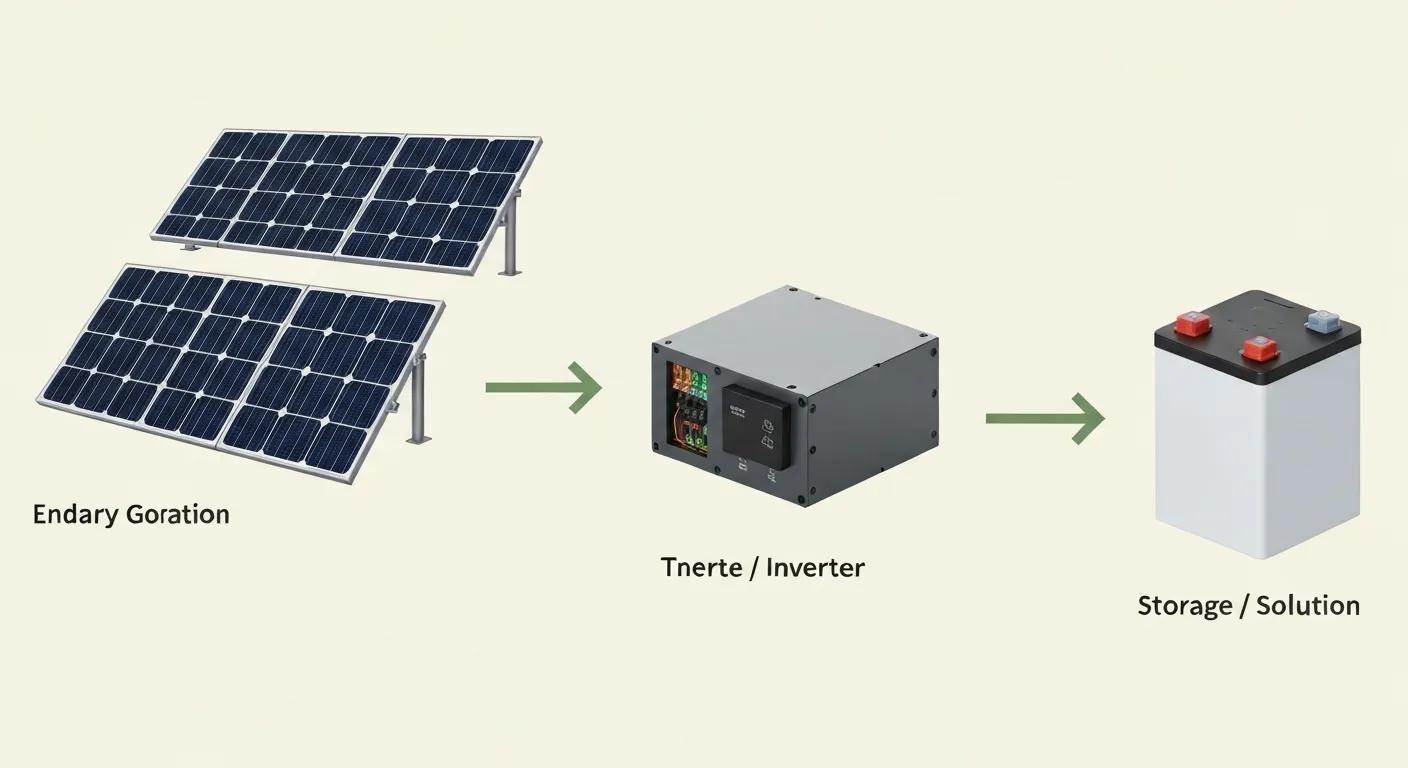
A residential solar power system comprises interconnected parts that work together to capture, convert, store, and manage solar energy.
- Solar Panels: Capture sunlight and generate DC electricity.
- Inverter: Converts DC electricity into AC for home use.
- Mounting System: Secures panels on rooftops or ground mounts.
- Electrical Panel and Wiring: Distributes electricity throughout the house.
- Battery Storage (optional): Stores surplus energy for later use.
Each component ensures efficient energy flow and sets the stage for understanding the photovoltaic effect and system performance.
How Does the Photovoltaic Effect Convert Sunlight into Electricity?
The photovoltaic effect arises when semiconductor materials in solar cells absorb sunlight, freeing electrons and creating an electric current. When sunlight strikes a solar cell’s silicon layers, photons knock electrons loose, producing DC electricity. An inverter then converts this DC into usable AC power, directly offsetting household energy consumption and reducing monthly bills, which leads to measurable cost savings over the system’s lifespan.
What Types of Solar Panels Are Best for Your Home?
Different panel technologies offer varying efficiencies, aesthetics, and costs. The table below compares monocrystalline and polycrystalline panels to help select the optimal fit for rooftop installations.
Monocrystalline panels deliver superior efficiency in limited roof space, while polycrystalline panels balance initial cost and performance. Choosing the right panel type prepares you to evaluate total system investment and ROI.
Monocrystalline vs. Polycrystalline Panel Efficiency
Monocrystalline solar panels generally have higher efficiency rates, typically ranging from 15% to 22%, making them more space-efficient and often more efficient in warm weather [1, 3, 8, 10, 11]. Polycrystalline panels, while more affordable, have lower efficiency rates, typically between 13% and 20% [1, 3, 8, 11].
This research supports the comparison of different panel types and their impact on system performance.
How Much Does Solar Power for a House Cost and What Affects ROI?
What Is the Average Installation Cost of a Home Solar System?
The average home solar installation in 2025 ranges between $15,000 and $40,000 before incentives, with typical prices around $2.75–$3.25 per watt. This cost covers permits, equipment, labor, and system design. Knowing these figures clarifies budget planning and informs ROI calculations.
Average Solar Installation Costs in 2025
In 2025, the average cost of a home solar installation in the United States ranges between $15,000 and $40,000 before incentives, with typical prices around $2.75–$3.25 per watt [4, 5, 7, 12, 15]. This cost covers permits, equipment, labor, and system design [4, 15].
This citation provides the average installation cost of a home solar system, which is essential for budget planning and ROI calculations.
How Do Federal and State Tax Credits Reduce Solar Power House Costs?
- Federal Solar Tax Credit (ITC): Covers 30% of qualified installation costs through 2025.
- State Rebates and Grants: Vary by region and can reduce costs by an additional 5–20%.
- Solar Renewable Energy Certificates (SRECs): Earn tradable credits for every megawatt-hour your system produces.
Leveraging these incentives accelerates payback periods and enhances project feasibility by reducing out-of-pocket expenses.
Federal Solar Tax Credit Details
The federal solar tax credit allows homeowners to deduct 30% of qualified installation costs from their federal taxes [13, 20, 24]. This credit applies to systems placed into service between 2022 and 2032 [20]. However, the residential solar tax credit will end after December 31, 2025 [13, 18, 20, 23].
This research supports the information on federal and state tax credits that reduce solar power house costs.
How to Calculate Your Solar Payback Period and Return on Investment?
Calculating payback period and ROI involves dividing net system cost by annual energy savings. Payback Period = (Total System Cost − Incentives) ÷ Annual Electricity Savings For example, a $20,000 system with $6,000 in incentives and $1,800 annual savings achieves payback in (20,000−6,000)÷1,800 ≈ 7.8 years. This formula highlights the relationship between incentives, energy production, and financial outcomes.
What Financing Options Are Available for Residential Solar Power?
Homeowners can choose among several financing models to fit their goals and credit profiles:
- Solar Loans: Borrow at low interest to own the system and claim incentives.
- Solar Leases: Pay a fixed monthly fee for panel use without ownership benefits.
- Power Purchase Agreements (PPAs): Purchase generated electricity at a set rate, often below utility prices.
Selecting the right financing aligns cash flow, tax benefits, and long-term savings, guiding the path to a fully funded solar power house.
What Are the Benefits of Installing Solar Power for Your House?
How Does Solar Power Save You Money on Utility Bills?
Solar energy systems directly offset grid electricity use, reducing monthly bills by up to 70%. By generating on-site power during peak sun hours, homeowners avoid high utility rates and can bank excess energy for credit, further lowering annual expenses and accelerating payback.
Can Solar Panels Increase Your Home’s Value?
Homes equipped with solar panels command higher resale prices, typically adding an average of $15,000 to property value. Buyers value long-term energy savings and green credentials, making a solar-equipped house more competitive in real estate markets and enhancing investment returns.
How Does Solar Power Reduce Your Carbon Footprint?
Every kilowatt-hour generated by rooftop solar displaces around 0.85 pounds of CO₂ emissions. Over 25 years, a typical residential array prevents more than 50,000 pounds of carbon emissions, directly contributing to cleaner air and broader environmental sustainability goals.
How Does Solar Power Improve Energy Independence and Resilience?
Solar power paired with battery storage provides backup electricity during grid outages, ensuring essential systems remain operational. This off-grid capability offers peace of mind during storms or utility disruptions and furthers self-reliance by reducing dependence on centralized power infrastructure.
How Does Net Metering Work for Residential Solar Power Houses?
What Is Net Metering and How Does It Benefit Homeowners?
Net metering is a billing mechanism that tracks electricity exported and imported between a solar system and the grid. When panels generate excess power, meters run backward, creating credits that offset future consumption. This arrangement maximizes system value by monetizing surplus generation.
How Do Net Metering Policies Vary by State?
Net metering rules differ in credit valuation, rollover periods, and system size limits. Some states credit at full retail rates, while others apply avoided-cost rates or annual reconciliations. Understanding local policies ensures accurate ROI estimates and optimizes billing benefits under your utility’s regulations.
Net Metering Policies by State
Net metering policies differ significantly across the country, with no national standard [17, 19, 21, 25]. Some states offer full retail-rate net metering, while others use hybrid models or net billing [17, 19, 21, 25].
This research supports the information on how net metering policies vary by state.
What Is the Difference Between Net Metering and Net Billing?
The following table contrasts net metering and net billing to clarify their billing impacts.
Net billing credits often offer lower rates but still reduce utility costs, whereas net metering delivers maximum rate parity to homeowners.
What Are Solar Battery Storage Solutions for Your Power House?
How Do Solar Batteries Store Excess Energy for Home Use?
Solar batteries use battery chemistry to convert and store DC energy from panels until needed. When solar generation dips, the battery discharges stored electricity to the home, reducing grid purchases and maintaining continuous power supply during brief outages.
What Types of Solar Batteries Are Available for Residential Use?

Battery technologies vary in chemistry, lifespan, and cost. The table below compares lithium-ion and lead-acid batteries for home installations.
Lithium-ion batteries offer deeper discharge and longer lifespans with higher upfront costs, while lead-acid solutions present lower initial investment and simpler maintenance needs.
How Can Solar Battery Storage Enhance Energy Independence?
By storing surplus solar production, battery storage mitigates peak-rate grid purchases, supports continuous power during outages, and allows off-grid operation in remote locations. This resilience ensures critical loads remain powered and strengthens household energy autonomy.
What Should You Know About Solar Panel Warranties and System Maintenance?
What Types of Warranties Cover Residential Solar Panels?
Solar Panel Warranties
Solar panels typically carry three warranty types: product, performance, and workmanship [2, 6, 9, 16]. Product warranties protect against manufacturing defects for 10–25 years, while performance warranties guarantee a minimum power output [2, 6, 9, 14, 16].
This citation supports the information on the types of warranties that cover residential solar panels.
How Long Do Solar Panels Typically Last and How Do They Degrade?
Most panels last 25–30 years, with an average annual efficiency loss of 0.5–0.8%. Degradation reduces energy output by roughly 10–20% over two decades, making performance warranties critical for maintaining projected electricity production and financial returns.
What Are Best Practices for Maintaining Your Solar Power System?
- Clean panels regularly to prevent dirt buildup.
- Inspect mounting hardware and electrical connections annually.
- Monitor inverter performance and error codes monthly.
- Trim surrounding foliage to avoid shading.
Consistent maintenance minimizes downtime and reinforces long-term energy yields.
Is Solar Power Right for Your House? Key Factors to Consider Before Installation
How Does Roof Suitability Affect Solar Panel Installation?
Roof orientation, tilt angle, material, and structural integrity influence panel performance and installation complexity. South-facing, unobstructed roofs with a 15°–40° tilt produce optimal generation, while complex or shaded roofs may require ground-mounted arrays or additional racking.
How Much Sunlight Does Your Location Receive for Solar Efficiency?
Regional solar irradiance—measured in peak sun hours—directly impacts system output. Most U.S. regions receive 4–6 peak sun hours daily. Higher irradiance shortens payback periods and boosts annual energy production, guiding system size and financial projections.
What Is Your Home’s Energy Consumption and How Does It Influence System Size?
Analyzing average monthly electricity use defines the required system capacity. A typical U.S. household uses 900 kWh per month, which translates to a 6–8 kW system. Matching system size to consumption goals ensures maximum self-consumption and efficient capital deployment.
How to Get Started with Solar Power for Your House: Installation and Consultation Steps
What Is the Typical Residential Solar Installation Process?
- Site Assessment and Energy Audit
- System Design and Permit Acquisition
- Equipment Procurement and Logistics
- Structural and Electrical Installation
- Inspection, Interconnection, and Commissioning
How to Choose a Reliable Solar Installer for Your Power House?
Evaluate installers based on credentials, track record, warranties offered, local experience, and customer reviews. Verifying certifications (e.g., NABCEP), manufacturer partnerships, and post-installation support secures a trustworthy partnership for your solar project.
What Questions Should You Ask During a Solar Consultation?
- What is the projected system size and cost?
- Which panel and inverter brands do you recommend?
- How will maintenance and monitoring be handled?
- What warranties and performance guarantees are included?
- How long is the installation timeline?
Asking targeted questions clarifies expectations and ensures alignment with your energy goals.
Solar power for your house offers a proven pathway to sustainable energy, financial savings, and increased home value. By understanding system components, costs, benefits, policy mechanisms, and installation steps, homeowners can confidently transition toward energy independence. Evaluating site suitability, leveraging incentives, and partnering with experienced installers paves the way to a resilient power house and a greener future.
power solar


Power Solar for Your Home: Complete Guide to Residential Solar Energy and Savings
Harnessing solar power for your home transforms sunlight into long-term savings, energy independence, and environmental stewardship. Skyrocketing utility rates and increasing grid instability drive homeowners to seek reliable, cost-effective alternatives. In this guide you will discover how solar power systems work, the types of setups available, cost breakdowns and incentives, installation and maintenance best practices, environmental and financial benefits, leading panel technologies, and battery storage solutions—all tailored to help you make an informed decision. As a trusted residential solar provider, we blend technical expertise with customer-focused support to deliver seamless design, installation, and long-term performance.
What Is Solar Power for Your House and How Does It Work?
Solar power for your house harnesses sunlight via photovoltaic cells to generate electricity that reduces utility bills and boosts energy independence. A home solar system captures photons in silicon cells, converts them into direct current, and uses an inverter to supply alternating current for household use. Understanding this process lays the groundwork for choosing the right panels, inverters, and storage to maximize both performance and savings.
How Do Solar Panels Convert Sunlight into Electricity?
Solar panels convert sunlight into electricity through the photovoltaic effect, in which photons knock electrons loose to create electric current that powers appliances and lowers grid consumption.
Photovoltaic cells consist of silicon semiconductor layers treated to form a p-n junction; when light hits the cell, freed electrons flow toward one side, creating DC electricity. The inverter then transforms DC into AC for your home’s wiring.
Capturing light-to-electricity conversion is the core of residential solar, and mastering this mechanism ensures you select panels optimized for efficiency and durability.
What Are the Key Components of a Residential Solar Power System?


A residential solar power system comprises solar panels, inverters, mounting hardware, and optional battery storage to deliver reliable, off-grid or grid-tied electricity and maximize savings.
Every system requires:
- Solar panels to capture sunlight and generate DC electricity.
- An inverter to convert DC into grid-compatible AC power.
- Racking and mounting hardware to secure panels on roofs or ground mounts.
- Optional batteries for storing excess generation and providing backup.
- Electrical wiring and monitoring equipment for safety and performance tracking.
With panels, inverters, and mounting forming the system’s backbone, optional battery storage and monitoring complete a resilient, cost-effective solution for nearly any home.
How Does Net Metering Benefit Homeowners with Solar Power?
Net metering allows homeowners to receive utility credits for excess solar electricity sent to the grid, reducing overall energy costs and improving return on investment.
When your panels produce more power than your home uses, surplus energy is pushed to the grid and credited at retail rates. During periods of low production, you draw from the grid using previously earned credits. This seamless exchange lowers monthly bills and accelerates payback.
- Credits offset future utility charges.
- No additional equipment beyond a bi-directional meter.
- Seasonal balancing smooths out high and low production months.
By leveraging net metering, homeowners maximize the value of every kilowatt-hour generated, making solar power a financially compelling choice.
Net Metering and Financial Benefits
Net metering allows homeowners to receive credits on their utility bills for excess solar energy sent back to the grid. This can significantly reduce overall energy costs and improve the return on investment for homeowners. The credits earned offset future utility charges, making solar power a financially compelling choice.
This citation supports the article’s claims about the financial benefits of net metering, which is a key aspect of grid-tied solar systems.
What Types of Residential Solar Power Systems Are Available?
Residential solar power systems fall into three main categories—grid-tied, off-grid, and hybrid—each offering distinct advantages based on energy goals, autonomy requirements, and budget. Understanding system types ensures you select the model that aligns with your desire for savings, independence, and reliability.
What Are the Benefits and Considerations of Grid-Tied Solar Systems?
Grid-tied solar systems connect to the public utility network to seamlessly export surplus solar energy and import power during low production, offering cost-effective net metering and minimal equipment requirements.
- Pros: Lower initial cost, net metering credits, no batteries required.
- Cons: No backup during power outages, reliant on utility policies.
- Considerations: Local net metering rates, interconnection agreements, grid stability.
Grid-tied systems deliver immediate financial returns through utility savings but do not provide off-grid resilience, making them ideal for homeowners prioritizing cost savings.
How Do Off-Grid Solar Systems Provide Complete Energy Independence?
Off-grid solar systems rely solely on on-site photovoltaic panels and battery storage, requiring generators for backup to achieve full autonomy and uninterrupted power supply.
- Battery bank sized to meet nighttime and seasonal demand.
- Generator backup for extended cloudy periods.
- Charge controllers to manage battery health.
By eliminating reliance on the grid, off-grid setups offer ultimate independence, though at higher equipment and maintenance costs compared to grid-tied solutions.
What Makes Hybrid Solar Systems the Best of Both Worlds?
Hybrid solar systems integrate grid connection with battery storage to combine net metering benefits and backup power capabilities, enhancing reliability and energy autonomy.
- Store excess solar energy for nighttime use.
- Export to grid when batteries are full.
- Seamless switchover during outages.
Hybrid systems deliver the financial benefits of grid-tied solar while providing resilience during blackouts, positioning them as a versatile choice for homeowners seeking both savings and security.
How Much Does Solar Power Cost for Your Home?
The cost of solar power for your home depends on system size, equipment quality, installation complexity, and available incentives, but average prices range from $2.50 to $3.50 per watt before rebates. Accurately assessing cost factors and incentives is essential for calculating true investment value and payback timeframe.
What Is the Average Cost per Watt for Solar Panels?
The average cost per watt for residential solar panels ranges from $2.50 to $3.50, influenced by panel efficiency, installation complexity, and regional incentives to determine overall system pricing.
Cost Analysis of Solar Power Systems
The cost of residential solar panels typically ranges from $2.50 to $3.50 per watt, but this can fluctuate based on factors such as panel efficiency, installation complexity, and regional incentives. These incentives, including the Federal Investment Tax Credit (ITC), can significantly reduce the upfront costs, making solar installations more affordable.
This source provides verifiable cost ranges and information on incentives, which directly supports the article’s discussion of solar power costs and financial benefits.
Which Federal and State Incentives Can Reduce Solar Installation Costs?
Federal and state incentives such as the Investment Tax Credit and local rebates lower solar installation costs by up to 30 percent, making rooftop photovoltaics more affordable and sustainable investments.
- Federal Investment Tax Credit (ITC): 30% of system cost.
- State tax credits and rebates: Varies by state, often $0.20–$0.50 per watt.
- Local utility incentives: Performance-based or capacity-based programs.
Leveraging these programs can reduce upfront costs substantially, increasing the project’s return on investment and shortening payback periods.
How Do You Calculate Solar Payback Period and Return on Investment?
Calculating solar payback period involves dividing total system cost by annual utility bill savings, revealing how quickly the investment returns value and reduces lifetime energy expenses.
- Determine total installed cost after incentives.
- Estimate annual savings: average monthly bill × 12.
- Payback Period = Net Cost ÷ Annual Savings.
- ROI = (Lifetime Savings – Net Cost) ÷ Net Cost × 100%.
For example, a $15,000 net system cost with $1,200 annual savings yields a 12.5-year payback and a 200% ROI over a 25-year panel lifespan.
How Is Solar Power Installed and Maintained in Residential Homes?
Solar power installation and maintenance combine careful planning, skilled workmanship, and routine upkeep to ensure safe, efficient operation and sustained energy production for decades.
What Are the Step-by-Step Stages of Solar Panel Installation?
Solar panel installation follows four main stages—site assessment, permitting, mounting and wiring, and final inspection—to ensure safe, efficient system activation and long-term performance.
- Site Assessment: Roof orientation, shading analysis, energy needs audit.
- Permitting: Secure building and interconnection permits.
- Mounting & Wiring: Install racks, panels, inverters, and electrical connections.
- Inspection & Activation: Local authority checks and utility meter installation.
Completing each step diligently lays the foundation for a reliable system that performs as designed from day one.
How Can You Maintain Solar Panels for Optimal Performance?
Maintaining solar panels with regular cleaning, visual inspections, and performance monitoring ensures peak efficiency, prolongs lifespan, and maximizes energy output.
- Clean panels 1–2 times per year to remove dust and debris.
- Inspect wiring, mounts, and seals for wear or corrosion.
- Monitor output via installed monitoring software.
- Trim overhanging branches that cause shading.
Routine care preserves panel efficiency and safeguards your solar investment for decades of reliable energy production.
How Do You Choose a Reputable Solar Installer?
Choosing a reputable solar installer involves evaluating warranties, customer reviews, and industry certifications to secure quality equipment installation and reliable after-sales support.
- Verify NABCEP or equivalent installer certifications.
- Check manufacturer-backed equipment warranties (25-year for panels).
- Read homeowner testimonials and independent reviews.
- Ensure transparent contracts covering performance guarantees.
By selecting an experienced, credentialed installer, you ensure professional workmanship and ongoing support that reinforces long-term system performance.
What Are the Benefits of Solar Power for Your Home and Environment?
Solar power delivers significant financial savings, enhances energy independence, and reduces environmental impact by displacing fossil-fuel generation—making it a win-win solution for homeowners and the planet.
How Does Solar Power Reduce Your Electricity Bills and Increase Energy Independence?
Solar power reduces electricity bills by generating free daytime energy and increases energy independence by minimizing reliance on volatile utility rates and grid outages.
- Offsets 60–100% of annual electricity consumption.
- Locks in energy costs for 25+ years.
- Shields against rate hikes and blackouts.
Generating your own power transforms homeowners into active energy producers, securing predictable expenses and uninterrupted supply.
How Does Solar Energy Help Reduce Your Carbon Footprint?
Solar energy reduces carbon footprint by displacing fossil fuel–generated electricity, cutting greenhouse gas emissions and contributing to sustainable environmental stewardship.
- Each kWh of solar avoids ~0.92 lbs of CO₂.
- A typical 5 kW system prevents ~7,000 lbs of CO₂ annually.
- Promotes renewable energy adoption and grid decarbonization.
By choosing rooftop photovoltaics, homeowners join the global effort to mitigate climate change and protect ecosystems for future generations.
Can Solar Power Increase Your Home’s Value?
Solar power increases home value by enhancing property appeal and offering future owners continued energy cost savings, typically boosting resale prices.
- Adds 3–4% to home resale value on average.
- Sales close faster in solar-equipped neighborhoods.
- Attracts eco-conscious buyers willing to pay premiums.
Investing in solar not only cuts utility bills today but also enhances the marketability and long-term equity of your home.
Which Solar Panel Technologies Are Best for Residential Use?
Selecting the right panel technology—monocrystalline, polycrystalline, or thin-film—affects efficiency, cost, and application flexibility, enabling homeowners to match performance goals with budget and installation constraints.
What Are the Differences Between Monocrystalline, Polycrystalline, and Thin-Film Solar Panels?
Solar Panel Efficiency and Technology
Monocrystalline solar panels typically exhibit higher efficiency rates, ranging from 18% to 22%, compared to polycrystalline panels. This difference in efficiency can impact the overall performance and cost-effectiveness of a solar energy system. Furthermore, emerging technologies like perovskite cells are showing promise, with lab results exceeding 25% efficiency.
This research provides specific efficiency ranges for different solar panel types, which directly supports the article’s discussion of panel technologies.
What Emerging Solar Panel Technologies Should Homeowners Know About?
Emerging solar panel technologies like perovskite, bifacial, and tandem cells promise higher efficiency and lower production costs, paving the way for more versatile residential applications.
- Perovskite cells achieve >25% efficiency in labs.
- Bifacial panels generate additional energy from reflected light.
- Tandem architectures stack materials to capture broader light spectra.
Keeping an eye on these innovations positions homeowners to upgrade or expand systems as next-generation products become available.
How Efficient Are Residential Solar Panels Today?
Residential solar panels achieve efficiencies between 15 and 22 percent, with advanced PERC, TOPCon, and bifacial designs pushing performance toward 25 percent to maximize rooftop energy harvest.
- Standard panels: 17–19% efficiency.
- PERC and bifacial modules: 20–22%.
- Lab-scale cells: up to 26% efficiency.
Higher efficiency panels deliver more power per square foot, making them ideal for limited roof space or maximizing production in shaded areas.
What Solar Battery Storage Solutions Are Available for Homes?
Solar battery storage solutions capture surplus generation for later use, delivering backup power and further reducing grid dependence by storing energy when solar production exceeds demand.
What Types of Solar Batteries Are Common for Residential Use?


Comparing battery chemistries ensures homeowners choose storage solutions that align with reliability and budget goals.
How Do Solar Batteries Improve Energy Independence and Reliability?
Solar batteries improve energy independence by storing excess generation for use during low-sun periods and enhance reliability by providing seamless backup during grid outages.
- Store surplus on sunny days for night use.
- Provide critical backup during blackouts.
- Optimize self-consumption to maximize savings.
Integrating batteries transforms a solar array into a comprehensive home energy system that supports 24/7 reliability.
What Are the Costs and Lifespan of Solar Battery Systems?
Solar battery systems typically cost between $400 and $800 per kilowatt-hour and offer lifespans from 5 to 15 years, depending on chemistry, usage patterns, and maintenance.
- Lithium-ion: $500–$800/kWh, 10–15 years.
- Lead-acid: $400–$600/kWh, 5–7 years.
- Flow batteries: $700–$900/kWh, 10–20 years.
Investing in the right battery balances upfront costs with long-term performance and warranty support to secure maximum value.
Solar power represents a proven path to reducing energy costs, enhancing home resilience, and supporting global sustainability goals. By understanding how systems work, evaluating types, optimizing costs, and planning for maintenance and storage, homeowners can confidently transition to clean, reliable solar energy. Partnering with an experienced residential solar provider ensures seamless design, installation, and ongoing support, unlocking the full potential of rooftop solar for decades to come.
Bitcoin vs. Ethereum: A Beginner’s Guide to Smart Crypto Investment Choices


Bitcoin vs. Ethereum: A Beginner’s Guide to Smart Crypto Investment Choices
Selecting between Bitcoin and Ethereum can significantly shape your journey in digital asset management, particularly when aiming for both stability and innovation. This guide compares investing in Bitcoin versus Ethereum for beginners, exploring their core differences, technical architectures, tailored strategies, market trends, and institutional insights. You will discover why Bitcoin is often referred to as “digital gold,” how Ethereum’s programmability fuels Decentralized Finance (DeFi) and Non-Fungible Tokens (NFTs), and how to balance a portfolio using both assets, all illustrated with practical examples. Furthermore, we will demonstrate how VegaX Holdings’ digital asset management solutions integrate these insights to help you achieve enhanced returns and managed risk.
What Are the Fundamental Differences Between Bitcoin and Ethereum?
Bitcoin and Ethereum diverge fundamentally in their purpose, design, and economic models. Bitcoin was created as a decentralized store of value, while Ethereum was designed to enable programmable applications, offering diversified investment exposures.
How Does Bitcoin Serve as Digital Gold and a Store of Value?
Bitcoin functions as a decentralized digital currency with a capped supply of 21 million coins, promoting scarcity that appeals to investors seeking long-term value preservation. For instance, institutions often allocate a small percentage of their treasury holdings to Bitcoin as a hedge against inflation. Its robust network security, established track record, and increasing institutional acceptance solidify its position as a digital store of value, akin to gold in the digital age. The narrative of Bitcoin as “digital gold” is further reinforced by its limited supply, which is algorithmically controlled and cannot be increased, creating a predictable and deflationary monetary policy.
What Makes Ethereum a Programmable Blockchain for Innovation?
Ethereum operates as a programmable platform where smart contracts self-execute code on a global virtual machine. This mechanism underpins DeFi protocols and NFT marketplaces, providing investors with growth exposure through decentralized applications. Ethereum’s flexibility allows developers to build a vast array of applications, from decentralized exchanges and lending platforms to gaming and digital art, making it a cornerstone of the burgeoning Web3 ecosystem. This programmability is Ethereum’s key differentiator, enabling a dynamic and evolving digital economy.
How Do Bitcoin’s and Ethereum’s Supply and Economic Models Compare?
Below is a comparison of their supply rules and economic mechanisms:
Bitcoin’s scarcity narrative drives its value as a store of value, while Ethereum’s fee-burning mechanism gradually reduces its circulating supply, supporting network utility and innovation. The predictable issuance schedule of Bitcoin, coupled with the halving events, creates a scarcity that is central to its value proposition. Ethereum, on the other hand, has transitioned to a Proof-of-Stake (PoS) consensus mechanism, which, combined with EIP-1559’s fee burning, aims to make ETH a deflationary asset under certain network conditions. This dynamic supply model is designed to align the network’s economic incentives with its utility and growth.
Who Created Bitcoin and Ethereum, and What Were Their Original Purposes?
Satoshi Nakamoto launched Bitcoin in 2009 with the aim of creating peer-to-peer electronic cash without central intermediaries. Vitalik Buterin introduced Ethereum in 2015 to extend blockchain capabilities beyond payments, enabling developers to build decentralized applications permissionlessly. Bitcoin’s genesis was rooted in the desire for a censorship-resistant, decentralized monetary system. Ethereum’s vision was broader, aiming to create a global, decentralized computer capable of running any application, thereby fostering a new era of decentralized services and digital ownership.
How Do Bitcoin’s and Ethereum’s Technical Architectures Impact Investment?

The technical foundations of Bitcoin and Ethereum influence transaction costs, performance, and security profiles, which in turn shape investment risk and return expectations. Understanding these architectural differences is crucial for investors to assess the potential of each asset.
What Are the Differences Between Proof-of-Work and Proof-of-Stake Consensus Mechanisms?
Bitcoin’s Proof-of-Work (PoW) secures the network through energy-intensive mining, ensuring immutability but often incurring higher transaction costs. Ethereum’s Proof-of-Stake (PoS) utilizes staked ETH to validate blocks, significantly reducing energy consumption and gas fees, thereby improving scalability for decentralized applications (dApps). PoW relies on computational power to solve complex mathematical problems, making it highly secure but energy-intensive. PoS, conversely, relies on validators who stake their cryptocurrency to propose and validate new blocks, offering a more energy-efficient and potentially more scalable solution. This shift by Ethereum has significant implications for its environmental impact and its ability to handle a larger volume of transactions.
How Do Transaction Speed, Fees, and Network Scalability Compare?
Transaction attributes vary significantly between the two networks:
Faster settlement times and lower gas fees on Ethereum drive DeFi growth, while Bitcoin’s layer-2 scaling solutions enhance micro-payments and value transfer capabilities. Ethereum’s rapid block finality and ongoing development of sharding and Layer-2 solutions aim to address its scalability challenges, making it more suitable for high-frequency transactions and complex applications. Bitcoin’s Lightning Network offers a secondary layer for faster, cheaper transactions, primarily for payments, complementing its base layer’s security and store-of-value function.
What Are the Security and Decentralization Implications for Investors?
Bitcoin’s extensive mining network provides robust security and a high degree of decentralization, minimizing censorship risk. Ethereum’s PoS consensus offers strong security with reduced energy consumption; however, the concentration of staked assets can slightly impact decentralization. Collectively, these models influence the risk-return trade-offs crucial for portfolio construction. The decentralization of Bitcoin’s mining power makes it highly resistant to single points of failure or control. Ethereum’s PoS model, while more energy-efficient, introduces considerations around validator concentration and the potential for staking pools to influence network governance. Investors must weigh these factors when assessing the long-term security and censorship resistance of each network.
How Should Beginners Tailor Their Crypto Investment Strategies Between Bitcoin and Ethereum?

Allocating capital between Bitcoin and Ethereum requires balancing stability with growth potential and aligning investment choices with individual risk tolerance and investment horizon. A well-thought-out strategy can help beginners navigate the volatile crypto market.
Why Is Bitcoin Considered a Stable Long-Term Investment?
Bitcoin’s capped supply and widespread adoption position it as a long-term store of value, often compared to digital gold. Investors utilize it for portfolio diversification and as a hedge against fiat currency depreciation, typically allocating 5–10 percent of their capital to maintain portfolio stability. Its historical performance, resilience during market downturns, and increasing acceptance by institutional investors contribute to its reputation as a relatively stable digital asset. This makes it an attractive option for investors looking to preserve capital and benefit from potential long-term appreciation.
How Does Ethereum Offer Growth Through DeFi, NFTs, and Web3 Exposure?
Ethereum provides significant growth potential through its ecosystem of decentralized finance (DeFi), non-fungible tokens (NFTs), and Web3 innovations. By holding ETH or participating in staking, investors can earn network fees and protocol governance rewards, benefiting from the ecosystem’s expansion.
Ethereum’s DeFi Growth
Ethereum stands as the leading platform for DeFi, commanding over 51% of the market share and driving innovation and corporate adoption [19]. The total value locked (TVL) in DeFi reached a record $153 billion in late July 2025, with Ethereum accounting for 59.5% of this total [12]. Ethereum’s smart contract platform is a primary catalyst for innovation within DeFi and the broader blockchain space [19].
This source highlights Ethereum’s dominance in the DeFi sector and its growth trajectory, which is pertinent to the article’s discussion on Ethereum’s growth potential and investment strategies. The growth of DeFi on Ethereum signifies increasing utility and demand for the network, which can translate into value appreciation for ETH. As more financial services are built on Ethereum, its role as a foundational layer for a new financial system becomes more pronounced.
How Can Investors Build a Balanced Portfolio Using Both Cryptocurrencies?
A balanced approach to portfolio construction often involves the following allocation:
- Allocate 60% to Bitcoin for stability and value preservation.
- Allocate 30% to Ethereum for growth and yield opportunities.
- Reserve 10% for Layer-2 tokens or emerging protocols.
This diversification strategy helps mitigate volatility while capturing potential upside across various digital assets. This allocation model is a starting point and should be adjusted based on an individual’s risk tolerance, investment goals, and market outlook. For instance, an investor with a higher risk appetite might increase their allocation to Ethereum or emerging protocols, while a more conservative investor might lean more heavily on Bitcoin.
What Are the Latest Market Trends and Institutional Adoption Insights for Bitcoin and Ethereum?
Recent regulatory approvals, the launch of Exchange Traded Funds (ETFs), and the integration of Artificial Intelligence (AI) are reshaping institutional engagement, offering new entry points and analytical tools for sophisticated investors. The evolving regulatory landscape and the increasing involvement of traditional financial institutions are key drivers of market sentiment and adoption.
How Are Spot ETFs and Regulatory Changes Influencing Institutional Investment?
The approval of spot Bitcoin and Ethereum ETFs has opened the door for mainstream capital, enabling funds to gain regulated exposure to these digital assets. Clearer guidance from financial authorities has accelerated inflows from asset managers and pension funds, thereby bolstering market liquidity and depth. These financial products provide a familiar and regulated avenue for institutional investors to participate in the cryptocurrency market without directly holding the underlying assets, significantly lowering the barrier to entry.
Institutional Adoption of Bitcoin
Institutional adoption of Bitcoin has seen a significant increase, with spot Bitcoin ETFs attracting billions of dollars, signaling growing confidence among institutional investors [6, 8, 11]. Regulatory clarity and the approval of ETFs have unlocked mainstream capital, enhancing market liquidity and depth [6, 11, 17]. This shift is fundamentally transforming how Bitcoin is perceived and its role within the global financial system [11].
This source discusses the rise of institutional adoption of Bitcoin and its market impact, which is relevant to the article’s discussion of market trends and institutional insights. The influx of institutional capital not only provides liquidity but also lends legitimacy to Bitcoin as an asset class, potentially driving further adoption and price appreciation.
What Are the Current Price Predictions and Growth Outlooks for Bitcoin and Ethereum?
Industry analysts forecast Bitcoin potentially reaching $123,000 by 2025 and Ethereum surpassing a $500 billion network valuation, driven by DeFi growth. These projections reflect sustained demand from corporations, hedge funds, and sovereign wealth funds seeking digital asset diversification. These optimistic outlooks are based on factors such as increasing adoption, technological advancements, and the potential for cryptocurrencies to become a more significant part of the global financial system. However, it’s important to note that cryptocurrency markets are highly volatile, and price predictions should be viewed with caution.
How Is AI Integration Shaping the Future of Crypto Investments?
AI-driven analytics enhance trade execution and risk management by processing on-chain data and market sentiment in real time. Predictive models can identify emerging trends, assisting investors in allocating capital more efficiently across Bitcoin and Ethereum markets. AI is also being used to develop more sophisticated trading algorithms, detect market manipulation, and provide personalized investment advice. This technological integration promises to bring greater efficiency, sophistication, and potentially reduced risk to crypto investing.
How Does VegaX Holdings Support Smart Bitcoin and Ethereum Investment Choices?
VegaX Holdings offers bespoke digital asset management solutions that leverage institutional-grade strategies and AI-driven insights to optimize allocations in Bitcoin and Ethereum. Their platform aims to provide investors with sophisticated tools and expertise to navigate the complexities of the crypto market.
What Digital Asset Management Strategies Does VegaX Offer for Crypto Investors?
VegaX’s comprehensive suite includes crypto index products that track diversified baskets of BTC and ETH, structured products that combine fixed income with crypto upside potential, and quantitative trading strategies designed to capture arbitrage and trend signals. These offerings cater to a range of investor needs, from passive diversification through index products to more active strategies seeking to capitalize on market inefficiencies.
How Does VegaX Minimize Volatility and Manage Risk for Investors?
Through proprietary VEBE risk-mitigation techniques, VegaX dynamically hedges exposures and reallocates assets between Bitcoin, Ethereum, and stablecoins. This approach smooths performance drawdowns and protects capital during periods of market stress. By actively managing portfolio risk, VegaX aims to provide a more stable and predictable investment experience, even within the inherently volatile cryptocurrency market.
How Can Investors Leverage VegaX’s EIGEN Insights for Predictive Market Decisions?
EIGEN Insights integrates machine learning, on-chain analytics, sentiment data, and macroeconomic indicators to forecast price movements and network utilization. This allows clients to time their entries and exits across BTC and ETH markets with enhanced precision. By providing data-driven insights, VegaX empowers investors to make more informed decisions, potentially improving their investment outcomes.
What Are the Key Questions Beginners Ask About Investing in Bitcoin vs. Ethereum?
New investors commonly inquire about the differences between these two cryptocurrencies regarding their investment profiles, security, and suitability—topics addressed here to guide confident decision-making.
What Is the Main Difference Between Bitcoin and Ethereum for Investors?
Bitcoin primarily serves as a decentralized store of value with a capped supply, appealing to risk-averse investors. Ethereum, conversely, is a programmable blockchain that powers DeFi and NFTs, offering growth and yield prospects. This fundamental difference in purpose dictates their respective roles in a diversified investment portfolio.
Can Beginners Invest in Both Bitcoin and Ethereum Effectively?
Yes. Many investors allocate capital to both assets, using Bitcoin for stability and Ethereum for exposure to innovation, and then adjust these allocations over time based on market cycles and their risk tolerance. A diversified approach can help mitigate risks associated with investing in a single cryptocurrency.
Which Cryptocurrency Is Better for Beginners: Bitcoin or Ethereum?
Beginners focused on long-term wealth preservation often start with Bitcoin. Those seeking higher potential returns and active participation in the ecosystem may favor Ethereum. A hybrid allocation can provide balanced exposure to both. The “better” choice depends entirely on an individual’s financial goals, risk tolerance, and investment horizon.
How Do Security and Volatility Compare Between Bitcoin and Ethereum?
Both networks are highly secure. However, Bitcoin’s PoW model offers superior decentralization at the cost of transaction speed, while Ethereum’s PoS enables faster transactions with slightly higher staking concentration. Ethereum generally exhibits higher volatility due to its active DeFi and NFT ecosystems. Investors should be prepared for the higher volatility associated with Ethereum’s growth-oriented use cases.
How Can Beginners Learn More About Bitcoin and Ethereum’s Ecosystems and Technologies?
Deepening your understanding of smart contracts, DeFi, and monetary policy empowers you to make more informed investment choices and manage risk more effectively. Continuous learning is key in the rapidly evolving world of cryptocurrency.
What Are Smart Contracts and How Do They Work on Ethereum?
Smart contracts are self-executing pieces of code stored on Ethereum’s blockchain that automatically enforce agreements when predefined conditions are met. They enable trustless lending, trading, and asset tokenization without the need for intermediaries [2, 5]. Written in languages like Solidity and Vyper, they are fundamental to DeFi and NFT applications [2, 5], increasing efficiency and security by eliminating intermediaries [5, 10]. The ability of smart contracts to automate complex financial agreements is a primary driver of Ethereum’s utility and value.
This source provides a clear definition of smart contracts and their function on the Ethereum blockchain, which is essential for understanding Ethereum’s capabilities and investment potential. The security and immutability of smart contracts on the blockchain ensure that once deployed, they execute as programmed, fostering trust in decentralized applications.
What Is Decentralized Finance (DeFi) and Its Role in Ethereum’s Growth?
Decentralized finance encompasses protocols for borrowing, lending, and trading assets directly on Ethereum. This expands yield-earning opportunities and drives demand for ETH as collateral and for transaction fees (gas). DeFi represents a paradigm shift in financial services, offering greater accessibility, transparency, and efficiency compared to traditional finance. Ethereum’s role as the primary platform for DeFi innovation makes it a critical component of the digital asset investment landscape.
How Does Bitcoin’s Monetary Policy Affect Its Investment Value?
Bitcoin’s halving events, which reduce miner rewards by 50% approximately every four years, tighten the supply issuance rate. Historically, these events have correlated with subsequent price appreciation, reinforcing Bitcoin’s scarcity premium. This predictable reduction in new supply is a key factor in Bitcoin’s “digital gold” narrative and its potential as an inflation hedge.
Bitcoin Halving and Price Impact
Bitcoin’s halving events, occurring roughly every four years, reduce the reward for miners. This can lead to a decrease in the rate at which new Bitcoins enter the market, potentially increasing their value [3]. Historically, halvings have been associated with price increases, although market dynamics are influenced by various factors [3, 6]. The next halving is anticipated in 2024, which will reduce mining rewards to 3.125 BTC [6].
This source explains the mechanics of Bitcoin halving and its potential impact on price, which is relevant to the article’s discussion of Bitcoin’s supply model and investment value. The anticipation of these events often leads to increased market speculation and price volatility leading up to and following the halving.
Where Can Beginners Find Reliable Resources and Tools for Crypto Investment?
Reliable resources include the original Bitcoin and Ethereum whitepapers, on-chain analytics platforms like Glassnode, real-time market data from CoinMarketCap, and expert research reports from major financial institutions. Educational platforms, reputable crypto news outlets, and community forums can also provide valuable insights. It is crucial for beginners to cross-reference information and be wary of scams or overly optimistic projections.
Ready to Navigate the Crypto Landscape?
Unlock the potential of digital assets with expert guidance. Discover how VegaX Holdings can help you build a robust and diversified crypto portfolio.
Bitcoin and Ethereum represent two foundational pillars of the crypto economy: Bitcoin as a deflationary store of value, and Ethereum as a dynamic platform for digital innovation. By understanding their distinctions, technical architectures, and market drivers, beginners can construct balanced portfolios aligned with their individual risk profiles. VegaX Holdings enhances this investment journey by providing institutional-grade strategies, robust risk-mitigation techniques, and AI-powered insights, guiding you toward informed and confident investment decisions in the evolving digital asset landscape.