The Brothers Bloom
General Contractors Bringing you the Best Tips for Construction, Home Ownership, Investing and More

Home Ownership

Garage Door Safety: Which Parts Fail and Why It Matters

Garage Door Safety: Which Parts Fail and Why It Matters A garage door is easy to take for granted. It works thousands of times a year without complaint, so most people never think about the forces involved. Yet a residential door can weigh well over a hundred

Garage Door Safety: Which Parts Fail and Why It Matters

A garage door is easy to take for granted. It works thousands of times a year without complaint, so most people never think about the forces involved. Yet a residential door can weigh well over a hundred pounds, and it is held in careful balance by parts under serious tension. When one of those parts fails, the door can become dangerous fast. Understanding the weak points helps homeowners and business owners keep the door safe instead of waiting for a scare.

Springs carry the real load

The torsion springs above the door do the heavy lifting, counterbalancing the weight so the opener and your arm do not have to. They are also the part most likely to fail, because they wear a little with every cycle and they break suddenly rather than gradually. A snapped spring can let a door drop or can leave it too heavy to move safely. Springs are not a do it yourself repair. The tension they hold can cause serious injury, which is why this job belongs to a trained technician with the right tools.

Cables, rollers, and tracks

Lift cables work alongside the springs, and a frayed cable is a warning sign that should never be ignored. Rollers guide the door along the tracks, and worn rollers make the door shudder, jump, or bind. Bent or loose tracks pull the whole system out of alignment, which stresses every other part. None of these is dramatic on its own, but together they decide whether the door runs smoothly or fights you. A door that has started to jerk, hesitate, or make grinding noises is asking for attention.

The safety reverse system

Modern openers include an auto reverse feature that stops and reverses the door if something is in its path. Two photo eye sensors near the floor watch for obstructions, and a force setting tells the door to back off if it meets resistance. These systems prevent the worst kinds of accidents, especially in homes with children and pets. The U.S. Consumer Product Safety Commission has long urged homeowners to test the automatic reverse regularly. Lay a board flat in the doorway and close the door. It should touch the board and immediately reverse. If it does not, the opener needs service right away.

Why commercial doors deserve extra attention

For businesses, a garage or roll up door is part of daily operations, and a failure can stop deliveries or create a real hazard for staff. Commercial doors cycle far more often than residential ones, so springs, cables, and openers wear faster. Regular professional inspection is not just about uptime. It keeps employees and customers safe around a heavy piece of equipment that moves all day long.

Build a habit of inspection

A safe door comes down to routine attention. A few times a year, watch and listen as the door operates. Look for frayed cables, rusted or gapped springs, loose hardware, and rollers that look worn. Confirm the door stays balanced by disconnecting the opener and lifting it halfway by hand. It should hold its position rather than slamming down or flying up. Test the photo eyes and the reverse. If anything looks or sounds off, call a professional rather than forcing the door.

When it is time for service, the right partner matters. A family owned team at pjsdoors.com brings a thorough multi point inspection, plain spoken explanations, and honest pricing, so you understand exactly what the door needs and what it does not. Across Indiana and Ohio, that combination of expertise and straight talk is what keeps a heavy, hardworking door safe for the people around it.

The takeaway

Garage door safety is not complicated, but it does require respect for the forces at work. Springs and cables hold real tension, the reverse system is your last line of defense, and small warning signs almost always come before a major failure. Keep an eye on the parts that wear, test the safety features, and bring in a professional for the high tension repairs. A little vigilance keeps a powerful machine working for you instead of against you.

Transforming Your Space: Why Hiring Quality Home Renovation Experts Matters

Transforming Your Space: Why Hiring Quality Home Renovation Experts Matters Renovating your home can not only revitalize your living space but also significantly boost its value. The allure of creating a bespoke habitat tailored to personal tastes and needs d

Transforming Your Space: Why Hiring Quality Home Renovation Experts Matters

Renovating your home can not only revitalize your living space but also significantly boost its value. The allure of creating a bespoke habitat tailored to personal tastes and needs draws many homeowners to embark on renovation projects. However, the line between success and disappointment often lies in the expertise of the professionals hired. With an array of choices, selecting the right team ensures a blend of functionality, aesthetics, and a stress-free process. Keep reading as we delve into the pivotal reasons why choosing high-caliber home renovation experts is crucial for your project.

The Value of Customization and Quality Workmanship in Home Redesign

img

The allure of a custom renovation lies in its ability to reflect the homeowner’s personal style and functional needs. With quality workmanship, your one-of-a-kind vision can be brought to life. Reputable renovators take pride in their craftsmanship, offering homeowners an array of custom-tailored solutions that prepackaged options simply cannot match.

Dedicated home renovation experts attend to each client’s preferences and lifestyle. Whether it’s integrating smart home technologies, creating an open-concept living space, or accommodating a home office, skilled professionals have the insight to merge design trends with timeless customization. The result is a living environment that resonates with individuality and comfort.

Cultivating an environment that is reflective of personal taste and functional necessity often requires the creative problem-solving skills of experts. With their experience, home renovation experts in LA can suggest innovative solutions, turning potential limitations into unique features. These specialists understand how to maximize a home’s potential, manifesting a homeowner’s vision into a tangible, livable art form.

Ensuring Longevity of Renovations Through Expertise

img

The longevity and durability of your renovation are deeply influenced by the level of expertise involved in the project. High-quality workmanship employs superior materials and expert installation techniques, which are pivotal for renovations that stand the test of time. Experts understand the importance of not cutting corners, ensuring the underlying structure and finishes are of top quality.

Specialized knowledge of materials also plays a vital role in enduring renovations. Experts in the field bring awareness of the latest innovations in construction materials and technology. They can recommend products that are not only aesthetically pleasing but also resistant to wear and tear, and conducive to your local climate and environment.

Skilled professionals prioritize safety in their work, which is a direct investment in the renovation’s longevity. Electrical work, plumbing, and structural adjustments, when done by certified professionals, adhere to safety codes and minimize the risk of future issues. This foresight reduces the likelihood of needing repairs or redoing work, ultimately saving costs and ensuring peace of mind for homeowners.

img

Renovation projects are not devoid of red tape, and experienced renovators are invaluable for their proficiency in navigating local building codes and permit requirements. These regulations vary widely and can be quite complex, but established contractors are accustomed to the necessary administrative processes, ensuring that your project complies with all legal expectations.

Failing to adhere to building codes or to secure the proper permits can lead to costly fines and even legal action. More critically, it can mean having to redo completed work to comply with the proper standards. Experienced professionals mitigate these risks by incorporating compliance into their planning and execution from the get-go.

Educated about the latest updates in construction regulations, home renovation specialists can help homeowners make informed decisions. They serve as guides, demystifying the requirements and translating them into actionable steps. Their advisory role is crucial in maintaining a project’s momentum while staying within the bounds of the law.

Maximizing Property Value and Lifestyle With Skilled Renovation Specialists

img

One tangible benefit of professional home renovation is the significant uptick in property value. Well-executed renovations enhance the marketability and appeal of your home, particularly important if you’re considering selling in the future. Specialists in the renovation field have the expertise to suggest modifications that offer the best return on investment, striking the balance between current trends and timeless design.

Renovations conducted with finesse do more than just improve aesthetics—they evolve your lifestyle. Modernize a kitchen, expand a living space, or create an outdoor entertainment area; skilled renovators help you achieve a higher quality of life within your home. These spaces are not merely altered, but transformed to cater to the evolutions in your life and needs.

Overall, the value of hiring distinguished home renovation experts is immeasurable. Transforming a space through professional renovations not only augments its beauty and functionality but also ensures a robust increase in property value. Professionalism, expertise, customization, and attention to detail contribute to a seamless renovation journey that results in a home perfectly tailored to your desires and lifestyle.

Sustainable Urban Planning Strategies That Foster Thriving Cities

Sustainable Urban Planning Strategies for Thriving Cities Many urban areas face significant issues such as traffic congestion, pollution, and extreme weather impacts. Sustainable urban planning strategies offer effective solutions to these challenges by promot

Sustainable Urban Planning Strategies for Thriving Cities

Many urban areas face significant issues such as traffic congestion, pollution, and extreme weather impacts. Sustainable urban planning strategies offer effective solutions to these challenges by promoting environmental protection and innovative urban design. This blog post will explore key approaches, including integrating green infrastructure and enhancing transportation systems. By engaging with this content, readers will discover practical methods to create thriving cities that not only alleviate current urban problems but also foster long-term sustainability and resilience.

Understanding Sustainable Urban Planning Strategies

a vibrant urban landscape showcases lush greenery interspersed with innovative smart buildings, illuminated by soft sunset light, symbolizing the harmony of sustainability and technology in modern city planning.

Defining key concepts and terminology is essential in understanding sustainable urban planning strategies, including the integration of smart grids and vehicle efficiency. Emphasizing sustainability ensures urban environments can support cycling initiatives and preserve wildlife. These insights stress the importance of holistic approaches to creating thriving, livable cities.

Defining Key Concepts and Terminology

Defining key concepts and terminology is fundamental to grasping sustainable urban planning strategies, focusing on terms such as sustainable development and social equity. These principles guide the creation of environmentally friendly urban spaces that prioritize natural resource management while minimizing risks such as flood impacts. By understanding these foundational concepts, city planners can foster initiatives that not only enhance community resilience but also promote equitable access to urban amenities.

Importance of Sustainability in Urban Environments

Sustainability in urban environments is critical for reducing consumption and air pollution, ensuring cities meet the needs of residents without depleting resources. Implementing effective policies can mitigate urban sprawl, encouraging dense, mixed-use development that promotes walkability. By enhancing walkability, cities can improve public health, decrease traffic emissions, and create vibrant communities where residents enjoy a higher quality of life.

Integrating Green Infrastructure in Urban Design

a vibrant urban landscape showcases lush green roofs and vertical gardens, seamlessly integrating nature into modern architecture under a bright blue sky, symbolizing the harmony of sustainability and community well-being.

Green infrastructure plays a crucial role in sustainable urban design, offering benefits such as green roofs and walls that enhance climate resilience while reducing coal usage. Implementing urban forests and green spaces fosters community well-being and addresses affordable housing needs. Additionally, effective stormwater management solutions help lower the ecological footprint of cities, mitigating traffic-related issues and strengthening urban ecosystems.

Benefits of Green Roofs and Walls

Green roofs and walls significantly enhance urban environments by mitigating the effects of climate change and addressing the urban heat island phenomenon. By incorporating vegetation into architecture, these green infrastructure solutions provide natural insulation, reducing energy consumption and improving temperature regulation. Additionally, the soil used in these systems absorbs rainwater, contributing to effective stormwater management and promoting biodiversity in urban settings.

Implementing Urban Forests and Green Spaces

Implementing urban forests and green spaces is vital for enhancing ecological resilience within urban areas, especially in the context of globalization. These green initiatives can also serve as strategic sites for solar energy installations, aligning urban development with sustainable practices. Research shows that integrating greenery not only improves air quality but also provides social benefits, such as recreational spaces, thereby addressing community needs in densely populated environments.

Stormwater Management Solutions

Stormwater management solutions are essential in urban planning as they help reduce the carbon footprint of cities while promoting biodiversity. Techniques such as permeable paving allow rainwater to infiltrate the ground, minimizing runoff and enhancing groundwater recharge. Furthermore, effective zoning regulations can encourage the inclusion of green spaces and wetland restoration, addressing flooding concerns and supporting overall ecological health.

Stormwater Management SolutionsBenefitsExamples
Permeable PavingReduces runoff, promotes infiltrationParking lots, walkways
Rain GardensEnhances biodiversity, filters pollutantsPublic parks, residential areas
Green RoofsImproves insulation, captures rainwaterCommercial buildings, residential developments
Wetland RestorationSupports wildlife, mitigates floodingNatural parks, urban watersheds

Promoting Mixed-Use Development

a vibrant mixed-use development bustling with people, featuring modern residential high-rises intertwined with lush green parks and lively commercial spaces, bathed in golden hour sunlight to highlight community interaction and connectivity.

Mixed-use development enhances community interaction and connectivity by integrating residential, commercial, and recreational spaces. This approach reduces dependence on vehicles, which can lead to decreased construction waste and lower environmental impacts. Successful examples demonstrate the potential for biofuel utilization and the importance of knowledge sharing in design and implementation, while mitigating risks associated with urban sprawl.

Enhancing Community Interaction and Connectivity

Enhancing community interaction and connectivity through mixed-use development actively supports economic growth while countering environmental degradation in urban areas. In New York City, for instance, integrating residential, commercial, and recreational spaces fosters vibrant habitats where residents can easily access diverse amenities without relying heavily on transport. This design approach not only reduces travel distances but also creates a sense of community, encouraging social interactions and cohesive neighborhoods.

Reducing Dependence on Vehicles

Reducing dependence on vehicles is a key strategy in promoting mixed-use development, significantly contributing to sustainability and enhancing the quality of urban life. By integrating cycling infrastructure and pedestrian-friendly amenities, cities can create environments that encourage residents to choose active transportation modes. This shift not only leads to energy conservation but also positively impacts the cost of living by reducing transportation expenses.

  • Promoting cycling infrastructure to enhance active transportation.
  • Integrating residential, commercial, and recreational spaces to foster accessibility.
  • Encouraging energy conservation through reduced reliance on vehicles.
  • Addressing the cost of living by minimizing transportation expenses.

Examples of Successful Mixed-Use Projects

Successful mixed-use projects exemplify how urban resilience can be achieved while promoting sustainable practices. For instance, the Granville Island district in Vancouver integrates residential, commercial, and recreational spaces, reducing reliance on fossil fuel transportation and enhancing community engagement. Incorporating features such as green roofs, these developments support a circular economy by recycling resources and creating environments that foster both ecological health and social interaction.

Enhancing Public and Active Transportation Systems

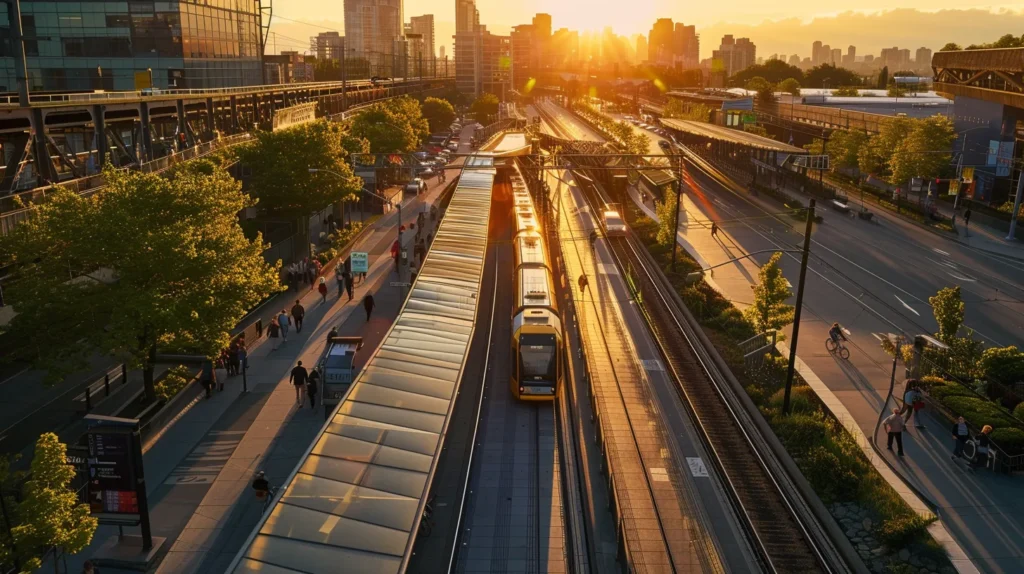
a vibrant urban landscape showcases a bustling public transportation hub surrounded by bike lanes and pedestrian walkways, highlighting the synergy between efficient transit systems and thriving community engagement under the warm glow of sunset.

Expanding public transit networks is vital for increasing access to essential services, thereby improving quality of life and addressing issues like poverty. Designing walkable and bike-friendly communities enhances stakeholder involvement and promotes healthier lifestyles. Case studies will illustrate effective transportation strategies, showcasing the role of analytics in enhancing water quality and overall urban sustainability.

Expanding Public Transit Networks

Expanding public transit networks is vital for improving accessibility in urban areas, which can significantly reduce social inequality. Enhanced transit options allow individuals from diverse backgrounds to access essential services and job opportunities, directly addressing environmental issues linked to vehicle emissions. By fostering efficient public transportation systems, cities contribute to climate change mitigation while supporting green building initiatives that promote sustainable practices in urban development.

Designing Walkable and Bike-Friendly Communities

Designing walkable and bike-friendly communities is essential for promoting sustainable transport systems that benefit current and future generations. Incorporating elements like dedicated bike lanes and pedestrian pathways can facilitate access to rapid transit options, ensuring that residents have efficient routes to essential services. Furthermore, thoughtfully integrating green infrastructure can improve the management of water resources while utilizing natural elements like wind for energy efficiency, contributing to a healthier urban ecosystem.

Case Studies of Effective Transportation Strategies

Case studies exemplifying effective transportation strategies showcase how urban planning strategies can significantly impact ecology and carbon reduction goals. Cities like Copenhagen have implemented extensive cycling infrastructure, which not only promotes active transportation but also creates a robust transportation network that strengthens society’s reliance on sustainable practices. By analyzing these successful models, urban planners can adopt efficient solutions that yield environmental benefits while enhancing community well-being.

  • Integration of cycling infrastructure in Copenhagen.
  • Active transportation promotes healthier, more engaged communities.
  • Case studies provide actionable insights for urban planners.
  • Strategies align environmental goals with societal needs.

Implementing Sustainable Building Practices

a modern, sustainable building stands proudly amidst lush greenery, showcasing its energy-efficient design and eco-friendly materials under a bright, clear sky, symbolizing a thriving urban environment interconnected with nature.

Utilizing energy-efficient technologies is essential in creating sustainable building practices that align with modern agricultural and urban infrastructure needs. Incorporating sustainable materials and acquiring green certifications and ratings not only promotes climate resilience but also enhances understanding of renewable energy solutions. Each of these aspects contributes to developing buildings that support thriving urban environments.

Utilizing Energy-Efficient Technologies

Utilizing energy-efficient technologies in building practices is essential for modern urbanism, particularly in reducing greenhouse gas emissions and minimizing pollution. By integrating smart building systems and renewable energy sources, developers can create structures that align with the natural environment while supporting sustainable urban landscapes. This approach not only decreases energy consumption but also enhances the overall well-being of urban residents:

Energy-Efficient TechnologiesImpact on UrbanismBenefits
Smart Building SystemsReduces operational energy useLower energy bills, enhanced comfort
Solar PanelsUtilizes renewable resourcesDecreases reliance on fossil fuels
High-Performance InsulationImproves energy retentionMinimizes heating and cooling demands
LED LightingPromotes energy efficiencyReduces electricity consumption

Incorporating Sustainable Materials

Incorporating sustainable materials into building practices is a fundamental aspect of smart growth, significantly enhancing urban environments. By utilizing recycled or locally sourced materials, developers not only reduce waste but also promote sustainable finance criteria that support healthier communities. This concept aligns with pedestrian-friendly designs, ensuring that the structures contribute positively to the social fabric of cities while minimizing their environmental impact.

Green Certifications and Ratings

Green certifications and ratings play a crucial role in promoting sustainable urban development by providing a framework for measuring the environmental impact of buildings. These certifications guide developers in optimizing land use, improving stormwater management practices, and contributing to reforestation efforts through sustainable design principles. By choosing certified sustainable building materials and practices, cities can address common challenges such as reducing energy consumption and enhancing community resilience, ultimately leading to thriving urban environments that benefit both residents and the ecosystem.

Fostering Community Engagement in Urban Planning

a vibrant urban landscape showcases a diverse group of engaged citizens collaborating on a large community planning map, illuminated by warm sunlight filtering through green trees, symbolizing a sustainable future filled with renewable energy initiatives.

Encouraging local participation in planning processes is fundamental for developing a sustainable city. Educating residents about sustainability helps foster a culture of responsibility toward issues like water pollution. Building collaborations between stakeholders ensures a comprehensive evaluation of community needs, addressing the integration of renewable resources such as hydroelectricity for a resilient urban future.

Encouraging Local Participation in Planning Processes

Encouraging local participation in urban planning processes is fundamental for creating sustainable cities that address community needs effectively. By engaging residents and incorporating their insights on topics such as recycling and energy efficiency, urban planners can enhance disaster preparedness and integrate principles of landscape architecture. This collaborative approach not only fosters a sense of ownership among community members but also aligns with corporate social responsibility initiatives that prioritize environmental stewardship and resilience in urban development.

Educating Residents on Sustainability

Educating residents on sustainability is a vital aspect of fostering community engagement in urban planning. By promoting understanding of sustainable development goals and governance, communities can better recognize the role of public transport and the private sector in achieving these objectives. Practical workshops and local initiatives can empower citizens to embrace environmentalism, encouraging them to actively participate in shaping their urban environments through informed decisions and collaborative efforts.

Building Collaborations Between Stakeholders

Building collaborations between stakeholders is essential for fostering community engagement in urban planning efforts aimed at creating sustainable cities. In Curitiba, Brazil, effective partnerships between government, private sector, and local communities have demonstrated significant progress in addressing natural resource management and ensuring safety through innovative strategies. By utilizing tools such as the internet of things, stakeholders can efficiently monitor resources and combat resource depletion, ultimately leading to enhanced urban living conditions and a more resilient community.

  • Establish partnerships among government, private sector, and local communities.
  • Utilize innovative technologies like the internet of things to monitor urban resources.
  • Address natural resource management and safety concerns effectively.
  • Combat resource depletion to ensure sustainable development.

Conclusion

Sustainable urban planning strategies play a vital role in creating thriving cities that prioritize environmental resilience and community well-being. By integrating green infrastructure, promoting mixed-use development, and expanding public transportation, cities can foster vibrant, accessible environments that reduce reliance on vehicles. Engaging residents and stakeholders ensures that urban planning reflects community needs and values, further enhancing the effectiveness of these strategies. Prioritizing sustainability is essential for addressing current challenges and securing a healthier, more equitable urban future.

Ultimate Guide to Battery Powered Dash Cams: Front and Rear Models

Are you vigilant about security on the road, but overwhelmed by the intricacies of choosing a dash cam? This ultimate guide unlocks the potential of battery powered dash cams, featuring both front and rear models. Delve into the essentials – from discerning to

Are you vigilant about security on the road, but overwhelmed by the intricacies of choosing a dash cam? This ultimate guide unlocks the potential of battery powered dash cams, featuring both front and rear models. Delve into the essentials – from discerning top models with the best night vision to simplifying installation steps. Discover the smart techniques to extend your dash cam‘s battery life and the optimal memory card practices tailored for UK truck drivers. With insights on syncing footage straight to your smartphone, this guide ensures you’re equipped with the tools for enhanced road safety and peace of mind.

123 Understanding Battery Powered Dash Cams 456

a sleek battery powered dash cam mounted securely on a car windshield, offering effortless installation and impressive energy efficiency.

Battery powered dash cams provide motorists with a self-contained energy solution, attaching effortlessly to the windshield and offering impressive life expectancy. These devices boast advantages like effortless installation and image stabilization without the need to tether to the vehicle‘s electrical system. Consumers can select from varied types, each with distinct features such as loop recording and GPS tagging. It is, however, crucial to recognize limitations including energy consumption and storage capacity. The following sections will outline how these cams operate, the benefits they offer over hardwired options, the common features one might expect, and the potential constraints to bear in mind.

123 456 How Battery Powered Dash Cams Operate

Battery powered dash cams operate by harnessing the energy from lithium iron phosphate batteries, which are known for their long life and stability. These cams typically incorporate an anode made from lightweight materials, allowing for efficient energy usage during prolonged periods of surveillance. Unlike traditional GoPro cameras designed for dynamic activities, battery powered dash cams maintain a constant internet connection, enabling real-time monitoring and data transmission without interrupting the vehicle‘s electrical system.

Advantages Over Hardwired Dash Cams

Battery powered dash cams present clear advantages, including their ability to capture a wide angle of the road with minimal installation fuss. Front and rear models can be equipped with lenses that automatically adjust to lighting conditions, ensuring clear collision evidence is captured and saved directly to an SD card without reliance on a car’s power supply. This independence from the vehicle‘s electrical system not only simplifies the setup but also reduces the risk of draining the car battery or interfering with its electronic components.

Types of Battery Powered Dash Cams

Variety abounds in the market for battery powered dash cams, with models suited for both dashboard and motorcycle mounting that cater to diverse needs. Brands prioritize features such as infrared for enhanced night vision, and a broad field of view to capture more detail during both day and night rides. This enables motorists to document their journey comprehensively, ensuring all angles are covered and potential incidents are recorded with utmost clarity.

Common Features to Expect

When delving into the realm of battery powered dash cams, expect to encounter models with state-of-the-art Exmor sensors for superior low-light performance, designed to function seamlessly without the need for a power cable connected to the engine. These innovative devices often feature a mirror recording mode, ensuring that every critical moment on the road is documented from both front and rear perspectives. The integration of a robust battery negates the reliance on traditional power sources, enabling these dash cams to offer reliability and performance that motorists depend upon.

Limitations to Consider

While battery powered dash cams offer convenience, one must consider their limitations such as the need for periodic recharging or replacement of the external battery for dashcam units. Unlike cams wired directly into the fuse box, these cameras may not provide continuous backup camera functionality and could miss critical footage if not managed properly. Furthermore, in the realm of photography and video quality, the dependability on an internal battery can necessitate more frequent maintenance to ensure optimal performance, especially in extreme weather conditions where battery efficiency can be compromised.

Top Front and Rear Battery Powered Dash Cam Models

a sleek, modern garmin dash cam with dual front and rear lenses capturing crystal-clear footage on the road.

Embarking on the quest for the ideal battery powered dash cam brings to light options of front and rear models that stand apart. This section provides a discerning review of the best devices, contrasting their frame rate, high dynamic range capabilities, and integration with mobile phone apps. The featured models include reputable brands like Garmin, with an emphasis on their access to cloud storage. Insightful assessments of these models highlight their strengths and weaknesses through customer testimonials and robust ratings. Detailed considerations also encompass practical purchasing options and pricing specifics for informed decision-making.

Review of the Best Battery Powered Dash Cams

In the market for top-tier battery powered dashcams, models with touchscreen interfaces and crisp 1440p resolution are gaining traction. Meticulously designed battery packs extend the life and reliability of these devices, attracting considerable attention, especially when available at a competitive sale price. Consumers laud such dashcams for their blend of high-definition recording capabilities and user-friendly operation, ensuring even the novice user can capture crucial on-road events with clarity and ease.

Comparison of Key Features

In the quest to find the perfect dash cam, the comparison of key features is indispensable. Noteworthy is the integration of 4K resolution in front and rear models, which provides crystal-clear video quality unparalleled by standard definitions, capturing minute details on the road. Additionally, memory capacity is a significant factor; a larger memory allows for more footage storage, reducing the frequency of data transfers. Dash cams equipped with USB connectivity facilitate quick data transfer and power options, while advanced lithium technology ensures longevity and durability of the battery, underpinning the device’s reliability.

The most coveted battery powered dash cams offer the allure of cord-free setup, negating the need to wire equipment through the vehicle‘s interior, which streamlines the installation process and preserves the integrity of the car’s headliner. Each dashcam has its set of advantages; for example, the front and rear models provide comprehensive coverage of the road, capturing events with precision which could be critical in disputing a speed limit violation or unwarranted fee. However, users must weigh such benefits against drawbacks including potential battery replacement costs and the exigency for diligent management to avoid loss of crucial footage during extended drives.

Customer Testimonials and Ratings

Customer testimonials and ratings often reflect the real-world performance of battery powered dash cams across various scenarios, from taxi services monitoring passenger behavior to individuals documenting speed on busy roads. Positive feedback commonly highlights the seamless connectivity of these cams to mobile apps via Bluetooth, allowing for swift review and sharing of high-resolution footage. Meanwhile, users frequently praise the superior video quality of leading models, underscoring their confidence in capturing clear evidence whenever it’s needed.

Where to Purchase and Pricing Details

For those seeking to procure top-of-the-line battery powered dash cams, options are abundant online and in electronics stores. Models boasting 1080p resolution ensure that visibility on footage is clear, which can be paramount when submitting evidence for insurance claims. It is imperative for consumers to understand that while advanced camera lens technology may impact pricing, investing in a high-quality dash cam can mitigate the risk of battery drain and ultimately save costs related to vehicle damage. Prices vary, but the quality and features of the dash cam should be the guiding factors for buyers who prioritize dependable performance and security on the road.

How to Choose the Best Battery Powered Dash Cam

a sleek, modern dash cam mounted on a car dashboard, capturing crystal-clear footage of the road ahead at night with impeccable clarity.

Selecting the right battery powered dash cam involves careful consideration of key features that align with your needs. Essential elements to look for include the ability to record with minimal vibration, exceptional light handling for clear footage day and night, and a price that fits your budget. Prioritize video quality and resolution to ensure fine details are captured, while battery life and power options dictate operational time. Memory capacity and storage solutions are critical for keeping valuable recordings secure, with additional features improving overall performance. The forthcoming analysis will dissect these aspects, aiding users in making an informed decision.

Essential Features to Look For

In the quest for the ideal battery powered dash cam, motorists should prioritize models with a high frame rate and a potent sensor capable of capturing crisp, smooth footage, particularly in fast-moving scenarios. It is paramount to consider how a dash cam copes with heat, to ensure consistent performance in varying climates. Furthermore, a dual-channel (2ch) system, which provides both front and rear coverage, is essential for comprehensive surveillance of a vehicle‘s surroundings. Navigating through options can be overwhelming, but focusing on these fundamental features will steer consumers towards a reliable addition to their vehicular safety toolkit.

Evaluating Video Quality and Resolution

When choosing a battery powered dash cam, video quality and resolution are paramount; they dictate the clarity with which incidents and details are captured, particularly in low-lighting conditions. High-definition resolutions, backed by reputable brands like Sony, utilize advanced sensors that excel in variable lighting and motion capture. Furthermore, the inclusion of a supercapacitor rather than a typical lithium battery can improve storage capabilities and the device’s durability, ensuring reliable performance and safeguarding valuable footage over time.

Considering Battery Life and Power Options

When scrutinizing battery powered dash cams for purchase, decisive consideration must be given to battery life and power options, which are essential in the context of reliability and longevity. Dash cams from Nextbase, a prominent brand in the United States, offer ion battery technology that can significantly prolong camera operation, thereby ensuring footage of an accident is captured without fail. Motorists should seek cameras that balance extended battery life with efficient power management, to record critical incidents fully and without interruption.

Assessing Memory Capacity and Storage Solutions

When evaluating the storage solutions of battery powered dash cams, one should rigorously consider memory capacity to ensure the camera‘s power supply and voltage can accommodate extended recording sessions without data loss. A robust electricity management system is vital for sustaining an action camera‘s operation and safeguarding recorded safety footage. Users are advised to seek dash cams that offer ample storage space or the capability to use high-capacity SD cards, which ensures that important evidence is preserved even during long journeys or in high-resolution recording modes. This careful assessment of storage solutions directly correlates to a dash cam‘s reliability, ultimately supporting the user’s overarching need for safety and security on the road.

Additional Features That Enhance Performance

For the discerning vehicle owner, additional features of a dashcam battery-powered system can markedly enhance performance and user experience. Integration with menu interfaces that support voice commands, such as Amazon Alexa, offers hands-free operation, which is a significant safety feature while driving. Furthermore, selecting a dashcam with a rechargeable battery not only promotes environmental sustainability but also assures ongoing operational readiness, eliminating the inconvenience of frequently purchasing disposable batteries. These features, collectively, bring convenience and boosted functionality to the routine operation of battery powered dash cams.

Installation and Setup of Your Battery Powered Dash Cam

a person carefully positioning and securing a front and rear camera of a battery powered dash cam on a car windshield, ensuring comprehensive coverage for optimal recording angles.

Transitioning from the fundamentals to practical application, this section delves into the meticulous process of setting up your battery powered dash cam. A detailed Step-by-Step Installation Guide will pave the way, demonstrating how to place and secure both front and rear cameras for comprehensive coverage. Readers will learn essential Tips for Optimal Recording Angles and the benefits of effective Positioning of Front and Rear Cameras. Additionally, guidelines for Syncing With Smartphones or Other Devices for seamless connectivity will be discussed, along with solutions for Troubleshooting Common Installation Issues, ensuring a smooth and efficient setup experience. Practically addressing concerns relating to image quality, firmware updates, energy storage, and the usage of capacitor technology, each segment will provide hands-on insights for users aiming to enhance their vehicle’s security.

Step-by-Step Installation Guide

To securely affix your battery powered dash cam, initiate by locating a spot on the windshield that affords a clear field of view without obstructing the driver’s sightline. Adhere the mounting base—often a suction cup or adhesive pad—firmly onto the glass, then connect the dash cam to the mount, usually with a simple sliding or clicking mechanism. It’s imperative to ensure the camera lens is aligned properly; the horizon should be centered within the frame to capture footage effectively. Once mounted, power on the device to confirm functionality and adjust settings as necessary, considering factors like resolution and loop recording length. This straightforward installation process equips drivers to monitor their surroundings with ease.

Positioning Front and Rear Cameras Effectively

Effectively positioning front and rear cameras is pivotal for maximizing the coverage and utility of battery powered dash cams. Ensuring the front camera is mounted at the center of the windshield, just behind the rearview mirror, helps avoid blind spots and provides an unobstructed view. Likewise, placing the rear camera on the back window, centered and high up, allows for a wide-angle capture of the road behind. This strategic placement aids in documenting all aspects of a journey, providing comprehensive footage that could be crucial in the event of an incident.

Tips for Optimal Recording Angles

To achieve optimal recording angles for a battery powered dash cam, one must ensure the device is positioned to capture a wide, unobstructed view while avoiding glare or reflections. The front camera should be angled slightly downwards to record both the road ahead and the dashboard, whereas the rear should encompass the full scope of the road behind the vehicle. Accurate alignment of these recording angles is crucial for documenting incidents and avoiding blind spots, thus providing motorists with reliable video evidence in case of road events or accidents.

Syncing With Smartphones or Other Devices

Syncing a battery powered dash cam with smartphones or other devices elevates the user experience by enabling remote access to footage and simple management of settings. After the installation, motorists can utilize dedicated apps to connect their dash cams to mobile devices via Wi-Fi or Bluetooth. This connectivity allows for immediate viewing, downloading, and sharing of videos, providing users with quick evidence retrieval following road incidents or during travel documentation, right from the palm of their hand.

Troubleshooting Common Installation Issues

When facing common installation issues with battery powered dash cams, drivers may encounter malfunctions such as insufficient battery life or unclear video quality. Resolving these concerns requires checking connections for security and battery health, ensuring the device is charged fully before use. It’s also vital to position the lens away from direct sunlight to prevent glare and to adjust settings for optimal exposure, guaranteeing crisp, clear footage. Troubleshooting effectively enhances the longevity and performance of your dash cam, affording peace of mind on the road.

Maximizing the Battery Life of Your Dash Cam

a sleek, modern dash cam plugged into a charger with a laptop displaying firmware updates, set against a backdrop of a car dashboard to maximize battery life.

Ensuring the longevity of your battery powered dash cam hinges on adopting efficient charging techniques, such as adhering to recommended charging schedules and leveraging power-saving modes. Regular firmware updates are also critical for maintaining operational efficiency, while routine maintenance practices contribute substantially to the camera‘s lifespan. It is equally important to recognize the signs that indicate the need to replace the dash cam battery, to avoid unexpected power loss. The upcoming sections will examine these strategies in detail, providing car owners with crucial insights for maximizing the durability and reliability of their dash cam‘s power source.

Proper Charging Techniques and Schedules

Adhering to proper charging techniques and schedules is essential for optimizing the lifespan of a battery powered dash cam‘s power source. For instance, users should fully charge the device before the initial use and avoid letting the battery completely discharge, as this helps maintain the battery’s health over time. Moreover, by implementing regular charging intervals and utilizing the dash cam‘s power-saving features, owners can ensure that their devices remain operational for longer periods, providing consistent surveillance without the inconvenience of frequent power depletion.

Utilizing Power-Saving Modes

Activating power-saving modes on battery powered dash cams enables motorists to extend the operational duration of their devices considerably. By reducing power consumption when the vehicle is stationary, these modes help preserve energy, ensuring the dash cam remains active and ready to record in the event of a collision or movement detection. Such judicious use of power not only mitigates the frequency of charging but also serves as a safeguard, guaranteeing that key moments are captured even during prolonged periods of inactivity.

Keeping Firmware Updated for Efficiency

Keeping the firmware of battery powered dash cams updated is crucial for maintaining energy efficiency and ensuring the device operates at peak performance. Manufacturers often release firmware updates that optimize the device’s power management algorithms or improve the functionality of power-saving modes. Regularly checking for and installing these updates helps not only in ironing out any software creases that might drain battery life but also assures that the dash cam functions effectively and reliably, capturing crisp, clear footage when it matters most.

Maintenance Practices for Longevity

Maintenance practices for longevity are key to sustaining the performance of battery powered dash cams. Users should regularly clean the lens to ensure clarity and check battery connections to prevent power interruptions. It is advisable to store the dash cam in a moderate temperature to avoid exposure to extreme heat or cold, which can degrade battery health. These simple yet effective steps assist in extending the life of the camera and ensuring it continues to provide reliable service over time.

Recognizing When to Replace the Battery

Recognizing the appropriate time to replace the battery in a dash cam is essential for maintaining uninterrupted recording capabilities. When the dash cam struggles to hold a charge or powers down sooner than expected, it signals a weakened battery that may compromise the device’s reliability. Car owners should remain vigilant for these signs and consider timely battery replacement to ensure their dash cam continues capturing essential footage without fail.

Frequently Asked Questions About Battery Powered Dash Cams

a car dashboard with a sleek, modern battery-powered dash cam capturing crystal clear footage, symbolizing security and advanced technology.

Navigating the complexities of using a battery powered dash cam, vehicle owners may have pressing questions about legality, power consumption, data management, and security. This section addresses these concerns, starting with the rules surrounding dash cam use in various locations, the likelihood of vehicle battery drainage, and the procedures for transferring and viewing recorded footage. Insight on memory card capacity and steps to deter theft round out these essential queries. Each following subsection offers in-depth answers, ensuring drivers are well-equipped to make the most of their dash cams.

The legality of battery powered dash cams varies by region, with some areas permitting them as long as they do not obstruct the driver’s view or record private conversations without consent. Vehicle owners should verify their local traffic regulations and privacy laws to ensure compliance when installing and operating a dash cam. Understanding these legal nuances is crucial for motorists to safeguard against potential violations while benefiting from the security and documentation that dash cams provide.

Can a Dash Cam Drain My Vehicle’s Battery?

One may wonder if a battery powered dash cam could potentially drain a vehicle‘s battery. The answer lies in the cam‘s design; these units, especially when powered by their own batteries, have a minimal impact on a car’s electrical system. However, it’s crucial for vehicle owners to ensure the dash cam is charged independently and not reliant on the car’s power for long periods, which could lead to unwanted battery depletion. By selecting a dash cam with efficient power management and utilizing its power-saving features, drivers can mitigate any risk of draining their vehicle‘s battery while maintaining continuous surveillance.

How Do I Transfer and View Recorded Footage?

Transferring and viewing recorded footage from battery powered dash cams is a straightforward process. Users can typically remove the SD card from the device and insert it into a computer to access the files directly. Alternatively, many modern dash cams now come with Wi-Fi or Bluetooth capabilities, allowing drivers to wirelessly sync the footage to their smartphones or tablets through a dedicated app, providing convenience and ease of access to review and store valuable recordings securely.

What Happens When the Memory Card Is Full?

When a memory card in a battery powered dash cam reaches full capacity, the device typically employs a loop recording feature, where newer footage automatically overwrites the oldest files, ensuring continuous recording without manual intervention. This process allows vehicle owners to drive with the assurance that their dash cams will not cease recording crucial events due to full storage, safeguarding their ability to capture vital on-road evidence at all times.

How Can I Protect My Dash Cam From Theft?

To safeguard a dash cam from theft, vehicle owners should consider models with discreet designs that blend in with the vehicle‘s interior or with detachment features that allow for easy removal when leaving the car unattended. Additionally, utilizing in-built security functions such as password protection can prevent unauthorized access to the device. It’s also advisable to park in well-lit, secure areas and attach the dash cam in a position that is not easily noticeable from outside to reduce the risk of theft.

Conclusion

Understanding the ins and outs of battery-powered dash cams is crucial for anyone looking to enhance their vehicle‘s security and document their journeys. These devices offer the ease of cordless installation, a variety of compelling features like loop recording and night vision, and the flexibility to maintain continuous surveillance without taxing the car’s battery. It’s imperative to choose a model that fits individual needs by considering factors such as battery life, storage capacity, and video quality. Ultimately, investing in a reliable front and rear battery-powered dash cam can provide motorists with peace of mind and vital evidence in the event of unforeseen road incidents.

Enhancing Urban Well-Being Through Biophilic Design

Urban living often disconnects us from nature, leading to stress and reduced well-being. Biophilic design offers a solution by integrating natural elements into urban spaces. This article explores how biophilic design principles can enhance city life, focusing

Urban living often disconnects us from nature, leading to stress and reduced well-being. Biophilic design offers a solution by integrating natural elements into urban spaces. This article explores how biophilic design principles can enhance city life, focusing on the use of plants, light, and natural materials in urban environments. You’ll learn practical ways to incorporate nature into your living and working spaces, improving your health and happiness in the process. By understanding biophilic design, you can transform your urban experience and reconnect with the natural world.

Understanding Biophilic Design and Urban Well-Being

Biophilic design in urban settings integrates nature into city life, enhancing well-being through thoughtful interior design. This approach leverages elements like water and daylight to improve health and attention. You’ll discover how biophilic principles transform urban environments, creating spaces that connect you with nature and promote overall wellness in the heart of the city.

Defining Biophilic Design in Urban Settings

Biophilic design in urban settings integrates natural elements into built environments, promoting sustainability and enhancing mental health. You’ll find this approach incorporates features like living walls, water features, and natural light to create a connection between city dwellers and nature, even in the heart of bustling urban landscapes.

By prioritizing biophilic design principles, you’re embracing an ecosystem-centric approach to urban development. This strategy not only improves the aesthetic appeal of cityscapes but also fosters a sense of well-being among residents, creating spaces that mimic natural environments and support overall health in densely populated areas.

The Relationship Between Nature and City Life

Urban design increasingly recognizes the vital relationship between nature and city life. By integrating green spaces, rooftop gardens, and environmentally friendly features into cityscapes, you can experience reduced heat island effects and improved air quality. These natural elements not only enhance the aesthetic appeal of urban environments but also contribute to your overall well-being and productivity.

The incorporation of biophilic design principles in urban settings helps bridge the gap between built structures and natural environments. You’ll find that access to nature within Test cities, whether through parks, green corridors, or indoor plants, can significantly reduce stress levels and improve cognitive function. This harmonious balance between nature and urban life fosters a more sustainable and livable city environment for you and your community.

How Biophilic Design Enhances Urban Environments

Biophilic design enhances urban environments by integrating natural elements into the built environment, reducing stress and improving your overall experience. You’ll find green walls, rooftop gardens, and water features incorporated into buildings and public spaces, creating a more harmonious and healthier cityscape.

These design elements not only beautify urban areas but also provide tangible benefits to your well-being. By incorporating natural light, ventilation, and vegetation, biophilic design helps purify air, regulate temperature, and create spaces that stimulate your senses, ultimately fostering a stronger connection between you and nature within the urban context.

The Challenges of Urban Living Without Nature

Urban living without nature presents significant challenges to your well-being. Research shows that disconnection from natural environments can impact your mental health, exposing you to environmental stressors in city landscapes. This section explores how urbanization affects your physiology and aesthetics, potentially contributing to major depressive disorder and other health issues.

The Impact of Urbanization on Mental Health

Urbanization often leads to increased air pollution and reduced biodiversity, directly impacting your mental health. As you navigate city life, exposure to these environmental stressors can contribute to anxiety, depression, and other psychological issues. The lack of natural elements in urban settings disrupts your innate connection to nature, potentially affecting your overall well-being.

Research in environmental psychology suggests that limited access to green spaces in urban areas can negatively influence your cognitive function and emotional regulation. You may experience higher stress levels and decreased ability to focus when surrounded by concrete landscapes devoid of natural elements. Incorporating biophilic design principles in urban planning can help mitigate these effects, promoting better mental health outcomes for city dwellers.

Environmental Stressors in City Landscapes

In urban environments, you face numerous environmental stressors that can impact your quality of life and cognition. Constant exposure to noise pollution, artificial lighting, and limited green spaces can strain your mental resources, potentially leading to increased stress levels and reduced cognitive function.

The lack of natural elements like wood in city landscapes can contribute to a sense of disconnection from nature, affecting your overall well-being. This environmental deficit may increase your susceptibility to various diseases and hinder the development of strong community bonds, further compromising your urban living experience.

The Consequences of Disconnecting From Nature

Disconnecting from nature in urban environments can significantly impact your creativity and overall well-being. Studies show that prolonged separation from natural elements may reduce your ability to generate innovative ideas, potentially affecting your performance in advertising and other creative fields. This disconnect can also lead to increased stress levels, making you less patient in daily interactions.

Lack of exposure to green spaces, such as rooftop gardens or vegetable patches, can negatively affect your physical health. Without regular contact with nature, you may experience higher rates of respiratory issues and reduced immune function. Implementing biophilic design elements, like green roofs, in urban settings can help mitigate these effects and improve your overall quality of life.

Core Principles of Biophilic Design in Cities

Discover how biophilic design principles enhance urban well-being by integrating natural elements into architecture, creating green public spaces, promoting biodiversity, and utilizing natural light and ventilation. These strategies incorporate elements like bamboo and forest-inspired furniture to encourage physical activity and improve urban ecology. You’ll learn how these principles transform cityscapes, fostering healthier, more sustainable urban environments.

Integrating Natural Elements Into Architecture

You can integrate natural elements into architecture through thoughtful urban planning and sustainable design. By incorporating colors found in nature, such as soothing greens and blues, you create spaces that promote relaxation and improve sleep quality. This approach enhances the visual appeal of buildings while contributing to overall well-being.

Educational institutions can benefit from biophilic design principles by incorporating natural materials and textures into their structures. You’ll find that exposure to these elements can enhance cognitive function and creativity, supporting better learning outcomes. By prioritizing natural light and ventilation in architectural designs, you create healthier indoor environments that positively impact both physical and mental health.

Creating Green Public Spaces for Communities

Creating green public spaces in urban areas helps combat the urban heat island effect, improving your local environment. By incorporating trees and vegetation, you provide shade and natural cooling, reducing energy consumption for air conditioning. These spaces offer valuable information about local ecosystems and promote environmental science education.

You benefit from increased access to nature through thoughtfully designed parks and community gardens. These green areas serve as social hubs, encouraging physical activity and fostering community connections. By prioritizing green public spaces, you contribute to a more sustainable urban environment that enhances your overall well-being and quality of life.

Promoting Biodiversity Within Urban Areas

Promoting biodiversity in urban areas aligns with the philosophy of biophilic design, addressing environmental issues while reducing anxiety. You can support diverse ecosystems by incorporating native plants, creating wildlife corridors, and designing green roofs that attract various species. These elements not only enhance urban ecology but also provide natural solutions for stormwater management.

Technology plays a crucial role in monitoring and maintaining urban biodiversity. You can use smart sensors and data analytics to track species populations, air quality, and water conservation efforts. By integrating these tools into urban planning, you create more resilient cities that balance human needs with environmental preservation, fostering a deeper connection between urban dwellers and nature.

Utilizing Natural Light and Ventilation

Architects prioritize natural light and ventilation in biophilic design to enhance your urban living experience. By incorporating large windows, skylights, and open floor plans, you benefit from increased exposure to daylight, which improves your mood and regulates your circadian rhythm. These design elements also promote better indoor air quality, reducing the need for artificial lighting and air conditioning.

Integrating natural ventilation systems into urban architecture supports your health and encourages physical activity. Cross-ventilation techniques and operable windows allow you to control airflow, creating a more comfortable environment for exercise and daily tasks. This approach not only conserves energy but also connects you with the natural world, fostering a culture of sustainability within urban spaces.

Benefits of Biophilic Design for City Dwellers

Biophilic design offers significant benefits for urban dwellers, improving mental health and physical well-being through thoughtfully constructed spaces. You’ll discover how these designs enhance community connections and boost economic value. From reducing mental disorders to incorporating art and innovative floor plans, biophilic elements provide practical solutions for sustainable urban living, increasing your knowledge of effective city design.

Improving Mental Health and Well-Being

Biophilic design in urban environments significantly improves your mental health and well-being through sustainable development practices. By incorporating natural resources into cityscapes, you experience enhanced mood and reduced stress levels. Systematic reviews have shown that exposure to green spaces and natural elements in urban settings positively impacts your psychological state.

Your learning abilities and cognitive function can also benefit from biophilic design principles. Natural environments in cities stimulate your mind, improving concentration and creativity. These designs provide opportunities for relaxation and reflection, supporting your overall mental wellness and contributing to a more balanced urban lifestyle.

Enhancing Physical Health Through Active Spaces

Biophilic design enhances your physical health by creating active spaces that encourage movement and exercise. Green building innovations incorporate nature-inspired elements into urban infrastructure, stimulating your brain and promoting physical activity. These designs often include features like green roofs, urban gardens, and accessible parks that invite you to engage in outdoor activities.

By integrating active spaces into urban planning policies, cities can address public health concerns while promoting environmental sustainability. You benefit from improved air quality, reduced stress levels, and increased opportunities for physical exercise. These biophilic elements in urban design contribute to a healthier lifestyle, supporting your overall well-being in densely populated areas.

Strengthening Community Connections

Biophilic design serves as a powerful tool in urbanism, strengthening community connections through strategically built environments. You’ll find that incorporating natural elements into public spaces reduces pollution and creates inviting areas for social interaction, fostering a sense of belonging and shared responsibility among residents.

By implementing biophilic design strategies, you contribute to the development of vibrant urban communities. These nature-inspired spaces encourage outdoor activities and social gatherings, promoting a healthier lifestyle while addressing environmental challenges in densely populated areas. You’ll experience improved social cohesion and a stronger sense of place within your urban neighborhood.

Boosting Economic Value and Sustainability

Biophilic design principles boost economic value by enhancing the appeal and functionality of buildings. You’ll find that incorporating natural elements, such as strategically placed windows, increases property values and attracts tenants. This approach reduces energy costs and improves employee productivity, resulting in significant financial benefits for building owners and businesses.

Implementing biophilic design in urban development promotes sustainability by reducing environmental impact. As you explore each chapter of a biophilic building project, you’ll discover how these principles contribute to resource conservation and waste reduction. By integrating nature into urban spaces, you create more resilient and eco-friendly environments that support long-term economic growth and community well-being.

Practical Applications of Biophilic Design

Explore practical applications of biophilic design in urban environments. You’ll learn about incorporating green roofs and vertical gardens, designing parks and urban forests, revitalizing buildings with natural materials, and implementing water features in public areas. These strategies enhance beauty, support stress management, and influence behavior through environmental design, creating a more peaceful urban atmosphere.

Incorporating Green Roofs and Vertical Gardens

Incorporating green roofs and vertical gardens in urban spaces provides habitats for animals and enhances biodiversity. You’ll find these installations support local ecosystems, offering shelter and food sources for birds and insects. By implementing these green features, you contribute to improved air quality and natural temperature regulation in cities.

Green roofs and vertical gardens play a crucial role in rainwater management, reducing urban runoff and easing the burden on city drainage systems. These living structures also help regulate your circadian rhythm by providing natural light cues and green views, which can improve your sleep patterns and overall well-being in urban environments.

Designing Parks and Urban Forests

Designing parks and urban forests as green infrastructure reduces environmental risks while creating urban oases. You’ll find these spaces provide essential ecosystem services, such as improving air quality and mitigating urban heat island effects. By incorporating diverse plant species and natural landscapes, you create adaptable environments that support local biodiversity and enhance urban resilience.

Urban forests and parks play a crucial role in regulating your emotions and promoting mental well-being. These green spaces offer opportunities for stress relief and social interaction, fostering a sense of community. As you design these areas, consider incorporating walking paths, seating areas, and open spaces to encourage physical activity and social engagement, supporting overall urban health and adaptation to city life.

Revitalizing Buildings With Natural Materials

Revitalizing buildings with natural materials creates spaces that promote social connection and serve as sanctuaries for meditation. By incorporating elements like wood, stone, and plant-based textiles, you transform urban structures into biophilic environments that foster well-being. These materials provide a sensory-rich experience, connecting you to nature and enhancing your overall health.

Utilizing natural materials in building revitalization maximizes the use of sunlight and improves resource efficiency. You’ll find that these materials often have better thermal properties, reducing energy consumption while creating a more comfortable indoor environment. By prioritizing natural elements, you create spaces that support your physical and mental health, making urban living more sustainable and enjoyable.

Implementing Water Features in Public Areas

Implementing water features in public areas enhances urban well-being by creating a connection to nature and improving microclimates. You’ll find that features like rain gardens and fountains help manage stormwater runoff, mitigating climate-related challenges in cities. These elements not only serve practical purposes but also contribute to your happiness by providing peaceful spaces for relaxation and contemplation.

Water features support urban biodiversity by attracting various organisms and creating habitats within city environments. As you interact with these spaces, you experience a sense of connection to the natural world, even in densely populated areas. By incorporating water elements into public spaces, urban planners create a more balanced and sustainable reality for city dwellers, promoting overall well-being and environmental awareness.

Case Studies of Biophilic Urban Projects

Explore successful biophilic urban projects worldwide, examining how cities integrate urban forests to enhance well-being. You’ll discover evidence-based lessons from global initiatives and learn how to adapt these ideas to your local context. These case studies highlight the historical development of biophilic design and its impact on carbon reduction in urban environments.

Examining Successful Green Cities Worldwide

Examining successful green cities worldwide reveals innovative approaches to biophilic design. You’ll find cities like Singapore incorporating vertical gardens on building walls, creating a harmonious blend of architecture and nature. These urban centers utilize analytics to monitor and optimize their green infrastructure, ensuring maximum environmental benefits and resource efficiency.

Virtual reality technology allows you to explore and experience these green cities’ biophilic elements before implementation. By studying the geometry of successful urban forests and green spaces, you gain insights into effective design principles. Many of these cities provide open access to their sustainability data, enabling you to learn from their experiences and adapt similar strategies to your local context.

Lessons Learned From Urban Biophilic Initiatives

Urban biophilic initiatives have taught you the importance of integrating natural systems into city planning. You’ll find that cities like Singapore successfully incorporate relaxation spaces featuring native plants such as oak trees, enhancing property values while promoting well-being. These projects demonstrate how biophilic design can create a harmonious balance between urban development and nature.

You’ve learned that successful biophilic initiatives require a holistic approach, considering both environmental and social factors. By studying these projects, you understand the need for adaptable designs that can withstand changing urban conditions while providing consistent benefits to residents. These lessons emphasize the importance of long-term planning and maintenance to ensure the sustained success of biophilic elements in urban environments.

Adapting Global Ideas to Local Contexts

When adapting global biophilic ideas to local contexts, consider how climate change impacts your region’s unique environmental challenges. You can incorporate elements like glass structures that showcase local flora while protecting against harsh weather conditions. This approach allows you to create a visual connection with nature while addressing specific climate-related issues in your area.

Integrating features inspired by human nature, such as artificial waterfalls or nature-inspired artwork, can help you capture the essence of biophilic design in urban settings. By tailoring these elements to reflect local culture and aesthetics, you create spaces that resonate with your community while promoting overall well-being. This localized approach ensures that biophilic design principles are effectively implemented in your specific urban environment.

Strategies for Advancing Biophilic Design in Urban Planning

Discover strategies to advance biophilic design in urban planning. You’ll explore steps for architects and developers, policy recommendations for authorities, community involvement, and overcoming implementation barriers. Learn how to integrate natural elements like streams and fractals to reduce noise and enhance urban well-being through practical biophilic solutions.

Steps for Architects and Developers to Get Started

To begin implementing biophilic design principles, you should familiarize yourself with environmental protection regulations and relevant literature. Research successful projects in cities like Melbourne to understand how complexity in design can enhance urban spaces. By studying these examples, you’ll gain insights into the essence of biophilic architecture and its impact on urban well-being.

Start by incorporating natural elements into your designs, considering local ecosystems and climate conditions. Collaborate with environmental experts to ensure your projects align with sustainability goals. As you develop your plans, focus on creating spaces that promote biodiversity and connect residents with nature, enhancing the overall quality of urban life.

Policy Recommendations for Urban Authorities

You should advocate for policies that integrate biophilic design principles into urban engineering practices. By incorporating nature-inspired elements into building codes and zoning regulations, you create a framework for sustainable development that aligns with the UN’s Sustainable Development Goals. This approach ensures that new urban spaces are designed in harmony with natural systems, promoting well-being and environmental sustainability.

As an urban authority, consult with biophilic design experts to develop guidelines for creating rooms and public spaces that foster connection with nature. Implement policies that incentivize developers to include green spaces, natural light, and ventilation in their projects. By prioritizing these elements, you create urban environments that support both human health and ecological balance, setting a foundation for more resilient and livable cities.

Involving Communities in the Design Process

Involving communities in the biophilic design process enhances sustainable living practices and fosters a deeper understanding of local needs. You can organize workshops and surveys to gather data on residents’ preferences for natural elements in urban spaces, such as yoga areas in parks or nature-inspired bedroom designs. This collaborative approach ensures that biophilic projects align with community values and promote well-being.

By engaging local residents, you create opportunities for them to contribute their knowledge of the area’s ecology and cultural significance. You can establish community gardens or green spaces that reflect the neighborhood’s character, promoting a sense of ownership and connection to nature. This participatory process not only improves the design outcome but also educates the community about the benefits of biophilic elements in urban environments.

Overcoming Barriers to Implementing Biophilic Solutions

To overcome barriers in implementing biophilic solutions, you need to address concerns about integrating wildlife into urban spaces. By demonstrating how carefully designed green canopies and ponds can coexist with city infrastructure, you can alleviate fears about potential conflicts. Educate stakeholders on how these natural elements enhance urban lifestyles while supporting local ecosystems.

Financial constraints often hinder biophilic projects, but you can explore innovative funding models to make implementation feasible. Consider incorporating revenue-generating features, such as rooftop gardens or nature-inspired bathrooms in public spaces, to offset costs. By highlighting the long-term economic benefits of biophilic design, including increased property values and reduced energy consumption, you can build a stronger case for investment.

Frequently Asked Questions

What is biophilic design and how does it improve urban well-being?

Biophilic design incorporates natural elements into urban spaces, enhancing human well-being. By integrating greenery, natural light, and organic materials, it reduces stress, improves air quality, and boosts productivity. This approach reconnects city dwellers with nature, promoting physical and mental health in urban environments.

How can biophilic design address the challenges of living in cities?

Biophilic design integrates nature into urban environments, addressing city-dwelling challenges by reducing stress, improving air quality, and enhancing well-being. Through green spaces, natural materials, and nature-inspired elements, it creates healthier, more livable urban spaces that reconnect people with the natural world.

What are the key principles of implementing biophilic design in urban areas?

Biophilic design in urban areas incorporates nature into built environments, focusing on natural light, vegetation, water features, and natural materials. Key principles include creating green spaces, maximizing daylight, using organic forms, and integrating local ecosystems to enhance well-being and environmental sustainability.

What benefits do city dwellers experience from biophilic design elements?

Biophilic design elements offer city dwellers improved mental health, reduced stress, enhanced productivity, and better air quality. These nature-inspired features, such as green walls and natural lighting, create a connection to the outdoors, fostering a sense of well-being and environmental awareness in urban environments.

Can you provide examples of successful biophilic urban projects?

Successful biophilic urban projects include Singapore‘s Gardens by the Bay, New York’s High Line, and Milan’s Bosco Verticale. These developments integrate nature into urban environments, enhancing biodiversity, air quality, and residents’ well-being while creating sustainable, aesthetically pleasing spaces within cities.


New Document 8713

常见抵押贷款欺诈警告信号:提前识别与防范 了解抵押贷款欺诈的常见类型与特征 识别虚假收入和资产证明的手法 警惕夸大房产价值的评估报告 警惕抵押贷款过程中的异常信号 注意过于优厚的贷款条件和承诺 小心未经请求的贷款报价和联系 核实贷款机构和经纪人的资质 检查执照和注册信息以确认合法性 通过官方渠道验证从业人员身份 保护自己免受抵押贷款欺诈的方法 仔细阅读并理解所有贷款文件 寻求独立法律和财务专业人士的建议 遭遇抵押贷款欺诈时的应对步骤 向相关监管机构报告欺诈行为 保留证据并寻求法律援助 提高对抵押贷款欺诈的防范意识

常见抵押贷款欺诈警告信号:提前识别与防范

了解抵押贷款欺诈的常见类型与特征

识别虚假收入和资产证明的手法

警惕夸大房产价值的评估报告

警惕抵押贷款过程中的异常信号

注意过于优厚的贷款条件和承诺

小心未经请求的贷款报价和联系

核实贷款机构和经纪人的资质

检查执照和注册信息以确认合法性

通过官方渠道验证从业人员身份

保护自己免受抵押贷款欺诈的方法

仔细阅读并理解所有贷款文件

寻求独立法律和财务专业人士的建议

遭遇抵押贷款欺诈时的应对步骤

向相关监管机构报告欺诈行为

保留证据并寻求法律援助

提高对抵押贷款欺诈的防范意识

参与防欺诈教育和宣传活动

持续关注最新的欺诈手段和预警信息

What Is the Typical Cost of a Chimney Sweep?

Many homeowners want their home to have a fireplace and a chimney, though they often don’t realize how important proper maintenance is. Chimneys can provide warmth during the colder months and look beautiful as the centerpiece of a room, but they do require wo

Many homeowners want their home to have a fireplace and a chimney, though they often don’t realize how important proper maintenance is. Chimneys can provide warmth during the colder months and look beautiful as the centerpiece of a room, but they do require work to keep clean if you want to avoid creating additional fire hazards in your home. It can be difficult to know what your responsibilities are or how much you can expect to spend, especially if you’ve never had a chimney before. Keep reading to learn more about the typical cost of a chimney sweep.

What is the average cost of a chimney sweep?

img

A quick search for “cost of chimney sweep” along with your location can give you an idea of what the prices are like in your area. However, there is no one standard price for having your chimney swept, as it depends on several factors. These factors include the number of fireplaces you have, whether or not there are blockages present, and the amount of time since you last had your chimney swept. The more frequently you use your fireplace, the more likely it is that you have a lot of creosote buildup. Creosote is a harmful byproduct of burning wood.

If you’ve never had a fireplace before or are a first-time homeowner, you may be wondering how often you should make time to have your chimney swept. It’s recommended that you have your chimney regularly swept and inspected on an annual basis. Chimneys that aren’t used frequently may be able to last slightly longer without maintenance, but it’s always better to be safe than sorry. Letting substances like creosote accumulate in your chimney is a major fire hazard.

What other home maintenance should you prioritize?

img

Your home’s entire HVAC system plays a major role in your comfort and safety at home, and being proactive about maintenance is the best way to ensure it remains in good working order. Experts recommend that you have the unit itself inspected annually, though you should always call a technician if you think something is wrong. You should also change the filter at least once every 90 days, though some homeowners change theirs as often as once a month. If you’re experiencing ongoing issues with an HVAC system that is over a decade old, you might want to think about investing in a replacement.

Believe it or not, even just cleaning your home more frequently can make a big difference in your quality of life. Practicing good indoor hygiene can even help to improve the air quality in your home. You should be vacuuming at least once or twice per week, preferably using a vacuum cleaner with a HEPA filter. Items that can trap allergens, like bedsheets and drapes, should also be laundered more frequently.

Most people don’t realize how important it is to monitor the condition of their windows. Cracks and crevices can let in contaminants, allergens, and moisture. They can also allow outdoor air to get into your home, which will cause discomfort and make regulating the temperature more difficult. Your HVAC system will then have to work harder to compensate for the change, which can cause a significant increase in your monthly utility bills.

It isn’t easy to manage home maintenance, particularly when you have fixtures like fireplaces that require regular attention. It’s necessary that you make it a priority, though, if you want to keep yourself and the other members of your household safe. Your chimney is far from the only part of your home that needs TLC from time to time. Your entire HVAC system should also be inspected regularly, as should the condition of your doors and windows. Even just cleaning more often can help make you more comfortable at home.

Enhancing Comfort and Style in Your Bathroom

After two years of living through a global pandemic, it’s not a surprise if you’ve been thinking more about how you can improve your home. There are few rooms that are as central to our quality of life at home than the bathroom, so it makes sense that homeowne

After two years of living through a global pandemic, it’s not a surprise if you’ve been thinking more about how you can improve your home. There are few rooms that are as central to our quality of life at home than the bathroom, so it makes sense that homeowners tend to prioritize it when remodeling or redesigning. Still, the prospect can be overwhelming, especially if you don’t have a lot of home design experience. If you want to create an oasis for self-care in your home, read on for some tips on enhancing comfort and style in your bathroom.

How can you enhance comfort and style in your bathroom?

img

Beautiful bathroom accessories, like luxurious towels and linens, will be essential to create a stylish and luxurious environment. The ESKO collection is just one example of some of the high-end bathroom decor options you have to consider. Choose sheets, pillowcases, and towels in soft, soothing colors to create a spa-like atmosphere in your bathroom. If you have a more vibrant sense of style, adding colorful towels and bolder accessories can help to add personality and style to the space.

In general, you’ll want to come up with a style for your bathroom and stick to it. If your bathroom is decorated in a modern style, consider choosing decor in cool metallic shades, or artwork with geometric patterns or abstract designs. For a more traditional look, select accessories with classic designs or subtle patterns. You could even work with an interior designer to come up with a design plan that is completely unique to you and your preferences.

A fresh coat of paint is another great way to change the look of your bathroom. It can brighten up the space and make it feel new again. There are many different colors and styles of paint available, so you can find the perfect one for your bathroom. If comfort and relaxation are your goal, you should study color psychology and choose a paint color that promotes the right mood. Green is a sharp pick, as it is known to be calming and associated with concepts like vitality and health. You might be surprised by how much of a difference some new paint can make.

What else can you do to improve your home?

img

If you want to enhance your comfort in your bathroom and in every other room of your house, you should make sure you have a modern HVAC system that is in good working order. You should have your system inspected at least twice a year by a qualified technician, like this one that handles HVAC in Fresno. The filter should also be changed at least once every three months, though many homeowners change theirs on a monthly basis to ensure peak performance. The average lifespan of an HVAC unit is about a decade, so if your unit is older than that, you may want to talk to an HVAC professional about a replacement.

You should also inspect your windows regularly. As a homeowner, you likely know that cracks and crevices in windows can let in outdoor air, contaminants, and moisture. The most obvious reason to fix any cracks or crevices in your windows is to keep the weather out. If there are any holes or openings in your windows, the wind can blow through and cause drafts. This can make your home cold in the winter and cause your air conditioning to work harder in the summer. It is necessary to fix any cracks or crevices in your windows as soon as possible, for both your comfort and your safety.

As you can see, there’s a lot that goes into creating your perfect bathroom space. The good news is that there are plenty of resources available to homeowners who want to make improvements. Additionally, upgrading your bathroom is usually an effective way to add value to your home. Just take your time and make design choices that are right for you. Regular maintenance on important household systems like your HVAC and fixtures like your windows is also crucial for maintaining comfort. No matter what approach you take, you won’t regret investing in your home.

How Much Are Your Household Possessions Really Worth?

It can be tough to determine the worth of all of your household possessions, especially if they fall into multiple categories. This guide will help you figure out which possessions are worth the most, and what to do with valuable antiques or collectibles. You’


It can be tough to determine the worth of all of your household possessions, especially if they fall into multiple categories. This guide will help you figure out which possessions are worth the most, and what to do with valuable antiques or collectibles. You’ll also find tips for getting an estimate for small items, and for determining the worth of cars, boats, and other vehicles. Keep reading to find out more about how much your possessions could be worth.

Do your research.

img

When it comes to figuring out the value of your household possessions, it can be difficult to determine how much each item is worth. This is especially true for valuable antiques or collectibles, which may have been passed down through the family or acquired over a long period of time. Before you try to sell an antique or collectible, it’s important to do your research and get an idea of what it’s worth. This can be done by looking online or consulting with an expert. If you do decide to sell your antique or collectible, it’s best to sell it through a reputable dealer. This will help ensure you get a fair price for your item. You should also be researching different dealers to understand whether they are legitimate and if they can actually pay you what your items are worth. For example, if you have an engagement ring with what looks to be a valuable gemstone, then you’ll want to find a jewelry dealer that is reputable and has years’ worth of experience. Look at diamond trends and find out whether your jewels are worth a good amount of money. Research is key when it comes to value.

Get an estimate for your items.

img

It can be difficult to estimate the value of household possessions yourself, especially when they are small and seemingly insignificant. However, by taking the time to assess each item and its worth, you can come up with a fairly accurate estimate of your possessions’ total value. To get started, consider the following factors when assessing each item’s worth. How old is the item? The older the item, the less it is likely to be worth something. But it’s important to consider what the item is, too. An antique could be worth a lot depending on what it is. How well is the item preserved? A rare antique in perfect condition is likely to be worth more than a newer version in poor condition. Keep in mind that well-known and expensive brands can be worth more than lesser-known brands. And the more popular the item, the more it is likely to be worth. When assessing each item, it is important to be as accurate as possible. It is also important to remember that not all items are worth the same amount. For example, a brand new car is likely to be worth more than an old, used car.

Figure out the worth of cars, boats, and other vehicles.

img

The value of a car, boat, or another vehicle can vary greatly, depending on a number of factors, including make, model, age, and condition. That being said, there are some general guidelines that can help you get a ballpark estimate of how much your car, boat, or other vehicle is worth. To start with, you can look up the value of your car, boat, or another vehicle on a number of online resources. Another thing to consider is how much your car, boat, or other vehicle is worth to you. If you love your car and would never sell it, its value is likely higher for you than for someone who is just looking to sell it. In the same vein, if your boat is your only means of transportation, it is likely worth more to you than if you only use it for recreation. Ultimately, the best way to determine the value of your car, boat, or other vehicle is to consult with a professional. A car or boat dealer, for example, can give you an accurate estimate of what your car or boat is worth in its current condition. If your car is junk, then you can take it to an auto salvage yard so that it can be recycled and used for other things. This is a sustainable way to handle your possessions.

As you can see, doing research and finding reputable resources is a great way to learn about the value of your belongings.

Tips When Shopping for a Home Insurance Quote

Determine what you need When looking for a home insurance quote, it is important to first determine what you need. Some factors to consider include the value of your home, the contents of your home, and whether you need liability coverage. Once you know what y

Determine what you need

When looking for a home insurance quote, it is important to first determine what you need. Some factors to consider include the value of your home, the contents of your home, and whether you need liability coverage.

Once you know what you need, you can start shopping around for the best price. Be sure to compare quotes from several different companies, and ask about any discounts that may be available.

When choosing a home insurance company, it is important to make sure that they are reputable and have a good track record. You should also read the terms and conditions of the policy to make sure that you are fully aware of what is covered and what is not.

Finally, be sure to keep your policy up to date, and notify your insurance company of any changes to your home or contents. This will help ensure that you are always fully protected.

Determine what type of coverage you need.

There are several factors to consider when shopping for a home insurance quote. The most important factor is to determine what type of coverage you need.

Coverage for your home and belongings should be tailored to your specific needs. Here are a few things to keep in mind when deciding on coverage:

-The amount of coverage you need should be based on the current market value of your home and belongings, not on the amount of your mortgage.

-Your home is not just your biggest investment, it’s also your biggest liability. Make sure you have enough coverage to rebuild your home if it’s damaged or destroyed.

-Your belongings are not just valuable, they’re also irreplaceable. Make sure you have enough coverage to replace everything you own if it’s damaged or destroyed.

-Consider adding liability coverage to your policy. It can help protect you if someone is injured on your property or if you’re sued.

-Make sure you review your policy regularly and update your coverage as your needs change.

Shopping for a home insurance quote can seem overwhelming, but it’s important to have the right coverage in place to protect your home and belongings. By considering the factors listed above, you can ensure you get the right policy for your needs.

Ask for quotes

When shopping for a home insurance quote, it is important to ask for quotes from multiple providers. This will help you to find the best coverage at the best price. Here are a few tips to help you get the most from your home insurance quote:

1. Make a list of your needs and wants

When you are shopping for insurance, it is important to know what you need and want. Make a list of both, and be sure to include the amount of coverage you need.

2. Compare rates

It is important to compare rates from multiple providers. This will help you to find the best coverage at the best price.

3. Ask about discounts

Many providers offer discounts for things like having multiple policies or being a member of a certain organization. Ask about discounts and see if you qualify.

4. Read the policy carefully

It is important to read the policy carefully so that you know what is covered and what is not.

5. Ask questions

If you have questions about the policy, the provider, or anything else, be sure to ask. The more you know, the better informed you will be about your coverage.

Compare premiums and coverage.

When shopping for home insurance, it is important to compare premiums and coverage. Some things to keep in mind when comparing policies include the following:

-What is the deductible?
-What is the coverage amount?
-What is the policy limit?
-What is the replacement cost of the home?
-Is the home covered for water damage?
-Is the home covered for wind damage?
-Is the home covered for theft?
-Is the home covered for vandalism?
-Is the home covered for liability?
-Is the home covered for medical payments?

When comparing policies, be sure to ask questions and read the fine print. It is also important to shop around and compare rates.

Decide on a policy

It is important to decide on a policy that fits your needs before shopping for a home insurance quote. There are many different types of policies available, and each one has its own set of benefits and drawbacks. Here are a few things to keep in mind when choosing a policy:

-The first step is to determine how much coverage you need. Your policy should cover the cost of rebuilding your home if it is destroyed by a natural disaster or stolen. It should also cover your personal belongings, including furniture, appliances, and jewelry.

-You should also consider the deductible. The deductible is the amount you have to pay out of pocket before your insurance policy kicks in. A higher deductible means a lower premium, but you will have to pay more out of pocket if you have to file a claim.

-You should also look at the terms of the policy. Make sure that it covers both damages to the structure of your home and your belongings. It is also important to find out whether the policy includes liability coverage in case someone is injured on your property.

-Finally, be sure to compare rates between different insurers. Each company rates policies differently, so you may be able to find a policy that is cheaper than the one you currently have.

Compare policies and rates.

When shopping for a home insurance quote, it is important to compare policies and rates. Some factors to consider include the amount of coverage you need, the deductible, and the premiums.

It is important to have enough coverage to protect your home and belongings. The deductible is the amount you have to pay out of pocket before the insurance company pays the claim. The higher the deductible, the lower the premiums.

Be sure to compare the premiums and coverage amounts of different policies. Some policies may have a lower premium but less coverage. Others may have a higher premium but more coverage. You want to find the policy that best suits your needs.

When shopping for a home insurance quote, be sure to ask the agent about discounts. There are many discounts available, such as discounts for having multiple policies with the same company, being a member of certain organizations, or being a senior citizen.

Be sure to ask about any other discounts that may be available. Shopping for a home insurance quote can be confusing, but by asking the right questions and comparing policies, you can find the best policy for you.

home insurance quote

When shopping for a home insurance quote, it is important to keep in mind the different types of coverage that are available. There are four main types of home insurance coverage: property damage, personal liability, medical payments, and loss of use.

Property damage protects your home and its contents in the event of a covered loss. Personal liability protects you in the event that someone is injured on your property and you are held liable. Medical payments coverage pays for the medical expenses of anyone injured on your property, regardless of who is at fault. Loss of use coverage pays for the cost of temporary housing and living expenses if your home is damaged in a covered loss and you are unable to live in it.

When choosing a home insurance policy, it is important to make sure that you are covered for the amount of risk that you are taking on. If you have a high-value home, or if you live in a high-risk area, you will need to purchase a policy with a higher coverage limit.

It is also important to review your policy regularly and update your coverage as needed. If you make any major changes to your home, such as adding a pool or a trampoline, be sure to let your insurance company know.

When shopping for a home insurance quote, it is important to keep in mind the different types of coverage that are available. There are four main types of home insurance coverage: property damage, personal liability, medical payments, and loss of use.

Property damage protects your home and its contents in the event of a covered loss. Personal liability protects you in the event that someone is injured on your property and you are held liable. Medical payments coverage pays for the medical expenses of anyone injured on your property, regardless of who is at fault. Loss of use coverage pays for the cost of temporary housing and living expenses if your home is damaged in a covered loss and you are unable to live in it.

When choosing a home insurance policy, it is important to make sure that you are covered for the amount of risk that you are taking on. If you have a high-value home, or if you live in a high-risk area, you will need to purchase a policy with a higher coverage limit.

It is also important to review your policy regularly and update your coverage as needed. If you make any major changes to your home, such as adding a pool or a trampoline, be sure to let your insurance company know.

How To Prevent Homebuyer’s Remorse

Buying a home can be a great way to invest in your future. However, like any investment, not everyone is satisfied with their new home. For some, homebuyer’s remorse can set in rather quickly, making their new space a curse rather than a blessing. Is this some

Buying a home can be a great way to invest in your future. However, like any investment, not everyone is satisfied with their new home. For some, homebuyer’s remorse can set in rather quickly, making their new space a curse rather than a blessing. Is this something that can be avoided? Absolutely! If you’re an aspiring homeowner, here are a few helpful tips on how to prevent remorse when buying a home.

Create a realistic budget so that you don’t overextend yourself financially.

img

Most people understand that buying a home is a major financial responsibility. However, few may see the costs beyond their downpayment and mortgage payments. They may look into buying more house than they can afford, resulting in them pulling cash out of their savings for things like closing fees, HOA fees, and beyond. If they’re not careful enough, they can end up plunging themselves into debt trying to cope with all of the costs of owning a home alongside their other costs of living. This is why your finances and budget are among the top things to consider if you’re learning how to prevent home buyer’s remorse.

Now’s the time to create a realistic budget that lists your income, your regular expenses, and provides you with a good look at what will be financially possible for you. Are you currently working on getting rid of debt from credit cards or student loans that make it difficult for you to get a home right now? Don’t worry, there’s support out there! You can get back on track with the help of a debt relief company. The right debt relief company will offer credit counseling services and work with creditors to create a debt repayment plan that effectively boosts your credit score and gets you out of debt. They will also offer other debt relief services like debt consolidation, debt resolution, and beyond. With the right plan, you can successfully purchase your first home and feel great about it.

Think long and hard about the type of home you want.

Would you go down to a dealership and pick just any car? Absolutely not. However, some people might purchase a home because they think that they might not have a better opportunity in the future. When this happens, they end up with a home that will cost too much to remodel or one that simply doesn’t match their tastes and needs at this point in time. Regardless of what the housing market looks like, always do your research to figure out what style of house you want and what you need in your home to be completely satisfied. Aim for a house that will require very few changes. This will make it so that you’re happy with the property you decide to invest in.

Make sure that buying a home is in your life plans.

img

Buying a home should be the right move for you at this point in time. If you buy a home because you’ve been told it’s the right thing to do and then you have to work twice as hard to maintain it, you’re going to be very remorseful about your choice. It should be in line with the rest of your personal goals so that you’re completely prepared for the experience from the financial aspects to the social aspects. Never buy a home before you’re ready!

Homebuyer’s remorse can be terrible, especially since buying a home should be a fresh start and an exciting new chapter in your life. If you want to be satisfied with your home purchase, use the tips above to plan everything out and ensure it aligns with your wants and needs.

How To Troubleshoot an Ineffective Water Heater

Your water heater works hard behind the scenes to deliver hot water to your home. From hot showers and washing dishes to doing laundry, there are numerous ways that you rely on your hot water heater. Since your family utilizes the water heater frequently each

Your water heater works hard behind the scenes to deliver hot water to your home. From hot showers and washing dishes to doing laundry, there are numerous ways that you rely on your hot water heater. Since your family utilizes the water heater frequently each day, it can be subject to problems and malfunctions from time to time.

Fortunately, most hot water heaters are designed with minimal parts, and identifying any issue can be fairly easy. However, if you experience any issue, you will want to take care of it quickly so that your hot water will be restored. Let’s take a look at some reasons for an ineffective water heater and how you can troubleshoot the problem.

Water Temperature Issues

img

Water temperature issues are among the most common problems that homeowners encounter. Cold water is usually caused by a lack of power, a faulty thermostat, or a faulty heating element. Troubleshoot any issues with the power by checking for a tripped circuit breaker or a blown fuse. Next, you can check the switches to ensure that they are on and that power indicators are lit. Finally, you’ll want to ensure that the thermostat is receiving power. If no power issues are detected, you most likely have an issue with your heating element, and you may need a licensed plumber to correct the issue.

Another issue with water temperature is that it might be warm but not hot enough. This could be the result of an undersized unit, crossed connections, or a faulty heating element. An undersized unit or crossed connections would be something that you notice soon after installing a water heater. If the problem is sudden or progresses gradually, it is highly likely that your heating element is malfunctioning. If the element is going bad, you will notice periods of hot water. However, it can be sporadic, and the overall temperature of the water will decline over time. You will need a professional technician to assess the heating element.

If you find that your water is too hot when it is running out, it is probably an issue with your thermostat. Typically, many homeowners find that the water coming from the faucet is too high because the water heater temperature has been set too high. You can refer to your water heater’s manual to learn about adjusting the temperature. The U.S. Department of Energy suggests a setting of 120 degrees Fahrenheit for the best balance of efficiency and heat.

Leaking Water Heater

img

Another problem that you may experience with your water heater is leaks. Most units are equipped with a pressure relief valve that is designed to discharge pressure from the tank when it becomes too high. Occasionally, this valve can become damaged or give out with normal wear and tear. In either case, pressure valve problems are a common issue that will cause your heater to leak. If you are handy enough, you can replace the pressure valve yourself, as the process is not overly complicated. However, if you aren’t comfortable with the process, a plumber can assist with valve replacement.

Aside from a faulty pressure relief valve, you will want to check all of the plumbing connections to ensure that a leak isn’t the result of a loose element. In a worst-case scenario, tank lining corrosion may have led to a hole opening up at the bottom of your tank and creating a leak. If this is the case, you will typically require a new water heater. A professional can help you diagnose the issue and recommend solutions for a replacement.

There could be a few problems that require anything from a simple quick fix to a complete unit replacement when it comes to water heater issues. If you are having issues with your water heater, try to troubleshoot the problem first, but you may need the assistance of a professional plumber.