The Brothers Bloom
General Contractors Bringing you the Best Tips for Construction, Home Ownership, Investing and More

Month: January 2025

What to Consider When Selecting Life Insurance Coverage

Assessing Your Personal Needs for Life Insurance Coverage Determine the Financial Obligations You Need to Cover With Insurance Analyze Your Current Income and Future Earning Potential Consider the Different Types of Life Insurance Available Evaluate Your Depen

Assessing Your Personal Needs for Life Insurance Coverage

Determine the Financial Obligations You Need to Cover With Insurance

Analyze Your Current Income and Future Earning Potential

Consider the Different Types of Life Insurance Available

Evaluate Your Dependents' Needs and Possible Arrangements

Reflect on Your Personal Goals and Long-Term Plans

Understanding Different Life Insurance Types

Differentiate Between Term and Whole Life Insurance

Examine the Benefits of Universal Life Insurance Policies

Investigate Key Features of Variable Life Insurance

Assess the Suitability of Indexed Life Insurance Products

Review Supplementary Riders That May Enhance Your Policy

Determining Coverage Amount for Life Insurance

Calculate Essential Expenses to Include in Your Coverage

Factor in Income Replacement Needs for Your Beneficiaries

Include Potential Future Expenses Like Education Costs

Account for Debts and Liabilities That Need to Be Settled

Reassess Your Coverage Amount Regularly for Accuracy

Checking Insurance Company Credibility

Research Ratings From Recognized Financial Ratings Agencies

Verify Customer Reviews and Claim Settlement Histories

Look Into the Company's History and Financial Stability

Consider Referrals and Recommendations From Trusted Sources

Analyze Their Customer Service Reputation for Responsiveness

Understanding Policy Terms and Conditions

Review the Premium Payment Schedules and Flexibility

Get Acquainted With Exclusions and Limitations in Policies

Examine Renewal Options and Policy Conversion Details

Understand How Claims Processing Works and Timelines

Clarify Any Terminology That May Seem Confusing

Evaluating Costs of Life Insurance

Compare Premium Rates Across Different Insurance Providers

Calculate the Overall Lifetime Costs of the Policy

Consider Any Potential Discounts or Savings Opportunities

Assess Whether Term or Permanent Insurance Suits Your Budget

Re-Evaluate Your Financial Situation Periodically for Adjustments

Understanding the Average Costs to Create and Maintain a Rose Garden

Creating and maintaining a rose garden can seem daunting when considering the average costs involved. Many wonder how to budget for everything from soil preparation to ongoing maintenance. In this article, I will cover the start-up costs for establishing a ros

Creating and maintaining a rose garden can seem daunting when considering the average costs involved. Many wonder how to budget for everything from soil preparation to ongoing maintenance. In this article, I will cover the start-up costs for establishing a rose garden, analyze ongoing maintenance expenses, and discuss how location can affect these costs. By understanding these factors, you will be better equipped to create a beautiful rose garden without overspending. Whether you’re planting the roses yourself or hiring help, this guide will help you manage your gardening budget efficiently, addressing the common concern of unexpected expenses.

Understanding Start-Up Costs for a Rose Garden

In starting a rose garden, I evaluate my initial investment for essential elements such as soil and amendments. Assessing the cost of various rose varieties, such as the brothers bloom, helps me choose the best selection. I also estimate irrigation and drainage system expenses to ensure sustainability. Planning for garden design and layout costs is crucial, alongside obtaining tools and supplies for establishing the garden.

Understanding these costs provides a clear picture of what’s involved. It helps in ensuring that my garden, which may include vibrant vines or well-placed shrubs, stands out beautifully and thrives over time.

Evaluating Initial Investment for Soil and Amendments

When I set out to create my rose garden, evaluating the initial investment for soil and amendments became a top priority. The right soil acts as the foundation, playing a critical role in plant health, while essential amendments enhance nutrient availability. I also considered the infrastructure and strategies, such as drip irrigation systems, to ensure efficient water delivery to my hedges and plants. I invested in high-quality soil mixed with compost, which retains moisture effectively, especially during dry spells, avoiding excessive reliance on lawn watering or additional concrete drainage solutions.

Assessing the Cost of Different Rose Varieties

When assessing the cost of different rose varieties for my rose garden, I found that prices can vary significantly based on factors like species, size, and growth stage. For instance, hybrid tea roses tend to be a bit more expensive due to their popularity and maintenance requirements, whereas simpler varieties might cost less. Understanding these variations is essential, as it affects my budget and the overall landscape — particularly if I want to prevent any erosion around the bricks that form my garden’s pathways.

Rose VarietyAverage CostDescription
Hybrid Tea Roses$20 – $40Known for their large blooms and long stems, ideal for cutting.
Floribunda Roses$15 – $30Compact bushes that produce clusters of blooms throughout the season.
Ground Cover Roses$10 – $25Low-growing varieties that are excellent for erosion control and fill open spaces.

Estimating Irrigation and Drainage System Expenses

Estimating irrigation and drainage system expenses is a key component of my start-up costs for a rose garden. Efficient irrigation, such as a drip system, ensures that each rose receives the attention it needs while minimizing waste, ultimately supporting sustainable flower farming practices. I also plan for proper drainage to prevent waterlogging, which is critical in maintaining the health of my landscape and the longevity of my plants.

To give you an idea of my budget considerations, I’ve compiled a table that reflects estimated costs associated with different irrigation and drainage components:

System ComponentAverage CostDescription
Drip Irrigation System$100 – $300Provides efficient water delivery directly to plant roots.
Soil Moisture Sensors$50 – $150Monitors soil moisture levels to optimize irrigation.
Drainage Pipes$50 – $200Helps manage excess water and prevent root rot.

Planning for Garden Design and Layout Costs

When planning for garden design and layout costs in my rose garden, I prioritize creating a visual appeal that enhances the beauty of my flower garden. Working with a landscape architect not only helps me establish an efficient design but also ensures that elements like trellises are strategically placed to support climbing roses. By considering the overall layout early on, I can allocate my budget effectively to create a space that not only looks stunning but also supports healthy plant growth and maintenance.

Considering Tools and Supplies for Establishing Your Garden

When establishing my rose garden, I prioritized acquiring essential tools and supplies that ensure a strong foundation for healthy plants. Using landscape fabric helped manage weeds while allowing moisture and nutrients to reach the roots effectively. Additionally, incorporating quality topsoil enriched with organic materials not only improves plant growth but also enhances overall soil structure. I also considered options like a tunnel to protect young plants from harsh weather and pests, ensuring a thriving garden. For the photography aspect, I look forward to capturing the beauty of my roses, making every inch of my acre a visual delight.

Analyzing Ongoing Maintenance Expenses

Ongoing maintenance expenses are vital to the longevity of my rose garden. I need to calculate the costs associated with fertilization and nutrient requirements, as well as understand the expenses related to pruning and deadheading. I also focus on determining a budget for pest and disease management, allocating resources for seasonal cleanup and mulching, and identifying costs for irrigation system upkeep. These elements significantly impact the overall health of my crop and garden aesthetics.

Calculating Fertilization and Nutrient Requirements

Calculating fertilization and nutrient requirements is essential for maintaining my rose garden’s health. To determine the right balance, I conduct a soil test, which helps identify existing nutrient levels and any deficiencies. Following recommendations from reputable sources, such as the Royal Horticultural Society, allows me to adjust my fertilization strategy effectively, ensuring vibrant blooms and lush foliage that can outshine my mother’s prized chrysanthemums during a family picnic.

Understanding Pruning and Deadheading Costs

Understanding pruning and deadheading costs is essential for maintaining a flourishing rose garden. Regular pruning not only improves air circulation, helping to combat soil compaction but also encourages new growth, which leads to more blooms. I typically purchase targeted fertilizers during the growing season to complement my efforts, keeping in mind the specific nutritional needs of my roses that can be influenced by local soil conditions.

Here’s a breakdown of my ongoing costs associated with pruning and deadheading:

TaskAverage CostDescription
Pruning Tools$25 – $75Quality tools ensure clean cuts to promote healthy plant growth.
Fertilizer$30 – $50 per seasonSupports plant health and encourages blooming post-pruning.
Labor (if hiring help)$50 – $150Professional help may be needed for larger gardens or specific pruning techniques.

Determining Pest and Disease Management Budget

Determining my pest and disease management budget is critical to ensuring the longevity and beauty of my rose garden. During the growing season, I prioritize investing in organic treatments that protect against common pests while promoting moisture retention and soil drainage. This approach not only safeguards my roses but also supports the health of cut flowers I aim to harvest for floristry, allowing me to enjoy their vibrant colors while ensuring their resilience against environmental stressors.

Management ComponentAverage CostDescription
Organic Pest Control Solutions$20 – $50Natural products that target harmful pests without damaging plants.
Fungicides$15 – $40Help prevent and treat fungal infections in roses.
Pest Monitoring Equipment$10 – $30Devices to track pest activity and inform management decisions.

Allocating Resources for Seasonal Cleanup and Mulching

When it comes to allocating resources for seasonal cleanup and mulching in my rose garden, I’m meticulous about planning to minimize cash expenditures while maximizing health and beauty. In New York City, where weed control can be a significant issue, using a high-quality hose helps me efficiently manage watering and maintain hydration for seedlings amid cleanup efforts. Assessing these costs upfront ensures I stay within budget and effectively support the growth of my roses throughout the seasons.

Identifying Costs for Irrigation System Upkeep

Identifying costs for irrigation system upkeep is essential for maintaining my rose garden’s health and ensuring successful harvests. I regularly inspect components like hoses, drip emitters, and timers, as hybrid systems can require more frequent maintenance than traditional methods. Additionally, by investing in quality perennial irrigation solutions, I can significantly reduce wastage and improve the effectiveness of my floral design, ensuring that each tuber receives optimal moisture throughout the growing season.

Impact of Location on Rose Garden Costs

The costs associated with creating and maintaining a rose garden can significantly vary based on my location. Examining regional variations in plant prices reveals how local demand and availability impact expenses. Exploring soil quality and accessibility factors helps gauge initial investments. Investigating local climate conditions allows me to understand their effects on plant health, while factoring in accessibility to garden resources and services ensures I make the best use of organic matter and materials like concrete block and metal for construction needs.

Examining Regional Variations in Plant Prices

When examining regional variations in plant prices, I have noticed that the cost of rose species varies widely depending on location. For instance, in areas with higher humidity levels, certain roses may thrive better, leading to increased demand and subsequently, higher fees for those varieties. This discrepancy extends beyond roses; I’ve also observed that popular companion plants like zinnias often follow similar pricing patterns based on local availability and gardening trends, which affects my overall budgeting for the garden.

  • Plant prices vary by region based on local demand and environmental factors.
  • Humidity levels significantly impact which rose species flourish, influencing their cost.
  • Companion plants like zinnias can also show price variations, affecting overall gardening expenses.

Exploring Soil Quality and Accessibility Factors

Exploring soil quality and its accessibility factors plays a crucial role in determining both the initial costs and ongoing maintenance of my rose garden. High-quality soil, enriched with organic matter, supports healthy growth while retaining the right moisture levels, which is essential for vibrant flowers like dahlias and ensures that pollinators are attracted to my garden. Additionally, considering the impact of plastic garden structures or mulch can help enhance soil conditions and optimize water retention, making it easier to manage the garden successfully.

  • Understanding soil quality is vital for rose growth and affecting budget.
  • High-quality soil retains moisture and attracts pollinators.
  • Accessibility of soil improvements and plastic gardening options influences costs.

Investigating Local Climate Conditions and Their Effects

Investigating local climate conditions is essential for understanding how they affect my rose garden’s costs and overall success. For instance, in areas with heavy snow during winter, I need to plan for protective measures like using straw for insulation around the base of my roses, which adds to initial expenses. Additionally, the mathematics of irrigation becomes crucial; regions with less rainfall require investment in efficient watering systems to ensure my flower beds thrive throughout the growing season.

Factoring in Accessibility to Garden Resources and Services

When I consider the accessibility of garden resources and services, I realize that it significantly impacts the average costs of creating and maintaining my rose garden. Local nurseries near my area, for instance, often provide specific rose varieties that thrive in available sunlight, which can affect both the health of the plants and the price I pay for them. Additionally, having easy access to quality mulch and nutrient-rich soil amendments allows me to reduce transportation costs and ensures that I have the right materials on hand to foster optimal growth, enhancing the beauty of my garden and making it photogenic.

  • Local nurseries stock varieties ideal for available sunlight.
  • Proximity to quality resources lowers transportation costs.
  • Access to nutrient-rich materials boosts plant health.
  • Quality mulch supports moisture retention, benefiting growth.

Comparing DIY Gardening vs. Professional Services

In this section, I evaluate the costs associated with hiring landscape professionals for rose garden creation and maintenance against the advantages of tackling these tasks myself. I’ll weigh the benefits of DIY maintenance, including the creativity it allows while discussing potential tool rental versus purchase expenses. Additionally, I analyze the long-term savings I could achieve with a DIY approach and review the possible errors and challenges that may arise throughout the process.

Evaluating Costs of Hiring Landscape Professionals

When considering whether to hire landscape professionals for my rose garden, the costs can vary based on the scope of services provided. Generally, I find that professional services come with a premium price but provide the benefit of expertise, ensuring that my plants receive proper care and attention throughout their growth. While DIY gardening offers significant savings, the potential for mistakes can lead to increased costs if issues arise; thus, weighing the benefits and ensuring I stay within my budget is crucial when deciding which path to take.

To help clarify the differences in expenses, here’s a breakdown of typical costs associated with hiring landscape professionals:

Service ProvidedAverage CostDescription
Initial Design Consultation$75 – $150Expert advice on layout and plant selection for optimal aesthetic appeal.
Planting Services$50 – $100 per hourProfessional planting techniques ensure proper depth and spacing for healthy growth.
Ongoing Maintenance$100 – $300 per monthRegular upkeep including pruning, fertilization, and pest management.

Weighing the Benefits of DIY Maintenance

When considering a DIY approach for maintaining my rose garden, I find that it allows me to take full control over every detail of care, from selecting the right fertilizers to determining the perfect pruning times. This hands-on experience not only reinforces my connection with the garden but also significantly reduces costs compared to hiring professionals, making it a practical option for my budget. Furthermore, by personally tackling maintenance tasks, I can adapt my methods based on what works best for my roses, ensuring they thrive while cultivating my gardening skills over time.

Understanding Tool Rental Versus Purchase Expenses

When considering the costs of gardening tools for my rose garden, I often evaluate whether to rent or purchase equipment. Renting tools can be cost-effective for one-time tasks like tilling or aerating, especially when I’m unsure if I’ll need them again. However, investing in quality tools, such as pruners or hoes, tends to pay off in the long run, as it allows me to maintain my garden effectively without recurring rental fees, ultimately supporting my commitment to preserving the beauty of my roses.

Analyzing Long-Term Savings Potential With DIY

Analyzing the long-term savings potential associated with DIY gardening reveals substantial benefits. I’ve found that while initial tool and material costs may seem daunting, the ongoing expenses become significantly lower when I handle maintenance myself. By investing time and effort into my rose garden, I cultivate not only a beautiful space but also a thorough understanding of each plant’s needs, ultimately reducing reliance on professional services and creating a more cost-effective gardening strategy.

Reviewing Possible Errors and Challenges in DIY Projects

When I consider DIY gardening for my rose garden, I recognize that there are potential errors and challenges that can arise. One common issue is miscalculating the specific needs of different rose varieties, which can lead to nutrient deficiencies or over-fertilization, impacting their growth. Additionally, a lack of experience in pruning can result in poorly shaped plants that don’t bloom as beautifully as they should, highlighting the importance of continuous learning and adaptation in my gardening approach.

Seasonal and Yearly Cost Considerations

In considering seasonal and yearly costs for my rose garden, I break down expenses related to planting and care. I prepare for winter and plan seasonal planting needs to ensure year-round blooms. Reviewing my yearly budget helps achieve long-term sustainability, while estimating flowering durations guides reinvestment strategies. By recognizing patterns in seasonal cost fluctuations, I maintain a thriving garden.

Breaking Down Seasonal Planting and Care Costs

Breaking down seasonal planting and care costs in my rose garden is essential for effective budgeting. For instance, during spring, I typically allocate funds for purchasing new rose varieties and fertilizers to promote healthy growth. As seasons progress to summer and fall, my expenses shift towards ongoing care, including pest management and additional soil amendments, ensuring my roses continue to flourish throughout the year.

Preparing for Winter and Seasonal Planting Needs

Preparing for winter in my rose garden involves careful planning to protect my plants and ensure they thrive in the upcoming season. I focus on mulching around the base of my roses to insulate roots and retain moisture, while also considering the application of fertilizer specifically designed for fall use to strengthen them for winter. Assessing the costs of protective coverings, like burlap or frost cloth, becomes essential, as these materials shield my roses from harsh winter elements and help maintain their health.

  • Utilize mulch to insulate rose roots and retain moisture.
  • Apply fall-specific fertilizer to strengthen plants before winter.
  • Invest in protective coverings to shield roses from harsh winter weather.

Reviewing Yearly Budget for Long-Term Sustainability

Reviewing my yearly budget for maintaining a rose garden is essential for ensuring long-term sustainability. I analyze my past costs, including expenses related to fertilizers, pest control, and seasonal plant care. This approach allows me to identify trends and allocate resources more effectively, ensuring that my garden thrives each year while minimizing unexpected expenses.

Estimating Flowering Durations and Reinvestment Strategies

Estimating flowering durations for my rose garden allows me to plan for optimal blooming periods and understand the lifecycle of my plants. I typically track when each variety flowers, as well as how long they remain in bloom, which helps me schedule fertilization and pruning effectively. This proactive approach not only enhances the visual appeal of my garden but also informs my reinvestment strategies, guiding the purchase of new plants or the introduction of seasonal varieties that can extend the bloom period throughout the year.

To support my planning, I’ve compiled a table outlining the average flowering durations for different rose varieties, which serves as a useful reference for my garden management:

Rose VarietyAverage Bloom DurationBest Time for Planting
Hybrid Tea Roses4-6 weeksSpring
Floribunda Roses6-8 weeksSpring to early summer
Ground Cover Roses8-10 weeksSpring

Recognizing Patterns in Seasonal Cost Fluctuations

Recognizing patterns in seasonal cost fluctuations is essential for budgeting my rose garden effectively. Throughout the year, I notice that expenses change significantly based on the tasks at hand, such as planting in spring or pest management in the summer. Understanding these seasonal trends allows me to allocate my budget more efficiently and prepare for peak spending periods, ensuring my garden receives all the necessary care it needs to thrive:

  • Spring sees increased costs for planting and fertilization.
  • Summer may require more funds for pest control and maintenance.
  • Fall focuses on preparation for winter and potential new plant purchases.

FAQs on Costs to Create and Maintain a Rose Garden

In this section, I address common questions related to the costs associated with creating and maintaining a rose garden. I explore the average investment required to start, strategies for minimizing costs while ensuring quality, and potential hidden expenses that may arise. Additionally, I outline how frequently I should expect to spend on maintenance, along with the financial benefits of cultivating a well-maintained rose garden.

What Is the Average Investment for Starting a Rose Garden?

The average investment for starting a rose garden varies widely based on several factors, including the size of the garden and the types of rose varieties chosen. Based on my experience, I typically allocate between $300 to $1,000 for initial costs, which include purchasing quality soil, rose plants, and essential tools. This investment not only sets the stage for a thriving garden but also ensures that I am equipped to manage care and maintenance effectively from the outset.

How Can I Minimize Costs While Maintaining Quality?

To minimize costs while maintaining quality in my rose garden, I focus on choosing disease-resistant varieties that require less ongoing care. I also utilize organic amendments and compost from kitchen scraps, which not only enriches soil but reduces the need for expensive fertilizers. By planning my planting and maintenance schedules to align with seasonal changes, I effectively allocate resources and avoid unnecessary expenses while enhancing the health and beauty of my roses.

What Hidden Costs Should I Be Aware Of?

As I have learned through my experience, hidden costs can significantly impact my budget when creating and maintaining a rose garden. Commonly overlooked expenses include soil testing fees, pest management products, and seasonal protective measures, which can add up quickly. I also watch out for costs related to garden tools that may need replacement or repair over time; investing in durable equipment initially can help avoid unexpected expenses later on:

Hidden CostAverage CostDescription
Soil Testing$20 – $50Provides necessary information on nutrient levels and pH balance.
Pest Management Products$30 – $100Organic solutions and treatments to keep pests at bay.
Seasonal Protective Measures$15 – $50Materials to shield roses from harsh weather conditions.
Tool Replacement/Repair$10 – $70Costs for maintaining or purchasing new gardening tools.

How Often Should I Expect to Spend on Maintenance?

In maintaining my rose garden, I find that regular expenses arise throughout the year, usually on a seasonal basis. I anticipate spending on maintenance every month, especially during the growing season, to cover areas like fertilization, pest management, and pruning. By planning my budget around these maintenance needs, I can ensure that my roses remain healthy and vibrant.

  • Monthly maintenance costs during the growing season.
  • Regular spending for fertilization and pest management.
  • Budget planning ensures healthy and vibrant roses.

What Financial Benefits Can Be Gained From a Well-Maintained Rose Garden?

A well-maintained rose garden can provide numerous financial benefits. For starters, flourishing roses can significantly enhance the aesthetic appeal of a property, potentially increasing its market value. Furthermore, I can generate income by selling cut flowers or plants, which offers a tangible return on my initial gardening investment. Additionally, a healthy garden reduces the need for costly pest control measures, ensuring that the long-term upkeep remains manageable and cost-effective.

Financial BenefitDescription
Increased Property ValueA beautiful rose garden enhances the aesthetic appeal of a property, potentially increasing its market value.
Income from SalesFlourishing roses can be sold as cut flowers or plants, generating additional revenue.
Reduced Maintenance CostsA healthy garden minimizes the need for expensive pest control and maintenance, keeping long-term costs down.

Conclusion

Understanding the average costs to create and maintain a rose garden is essential for successful gardening and long-term sustainability. By evaluating initial investments for soil, rose varieties, irrigation systems, and ongoing maintenance, I can allocate resources effectively. Awareness of potential hidden costs and seasonal expenses enables proactive budgeting and planning. Ultimately, this knowledge not only ensures a flourishing garden but also enhances the overall enjoyment and financial viability of cultivating beautiful roses.

New Document 10381

Identify Initial Costs for Your Sunflower Garden Setup Calculate Costs for Seeds and Seedlings Before Planting Understand Soil Preparation Expenses for Healthy Growth Plan for Garden Tool Investments to Maintain Your Space Account for Irrigation System Costs t

Identify Initial Costs for Your Sunflower Garden Setup

Calculate Costs for Seeds and Seedlings Before Planting

Understand Soil Preparation Expenses for Healthy Growth

Plan for Garden Tool Investments to Maintain Your Space

Account for Irrigation System Costs to Ensure Proper Watering

Factor in Fencing Expenses for Protecting Your Garden

Include the Price of Organic Fertilizers and Pesticides

Evaluate Ongoing Maintenance Expenses for Sunflowers

Discuss Labor Costs for Garden Upkeep and Maintenance

Analyze Watering and Energy Costs Throughout the Growing Season

Estimate Costs for Pest Control and Disease Management

Plan for Seasonal Soil Amendments to Enhance Plant Health

Budget for Weeding and Pruning Activities to Boost Yields

Track General Upkeep Supplies Needed Like Mulch and Stakes

Assess Seasonal Planting and Harvesting Costs

Calculate Expenses for Seasonal Seeds Required for Replanting

Review Equipment Needs for Efficient Harvesting Processes

Budget for Labor Involved in Planting and Harvesting Sunflowers

Understand Costs Associated With Storage for Harvested Crops

Plan for Transportation Expenses if Selling Flowers or Seeds

Include Promotional Costs if Marketing Sunflowers Locally

Investigate Marketing Expenses for Your Sunflower Garden

Estimate Costs for Branding and Packaging Flower Products

Discuss Website Maintenance Fees if Selling Online

Analyze Social Media Advertising Expenses for Local Outreach

Plan for Booth Fees at Farmer's Markets or Local Fairs

Budget for Printed Materials Like Flyers or Business Cards

Factor in Shipping Costs if Distributing Sunflowers Widely

Review Home Gardening Insurance Costs for Protection

Calculate Expenses for Workshops or Training Sessions

Plan for Nature-Based Events to Promote Sunflower Gardens

Account for Costs Associated With Garden Decor and Signage

Analyze Memberships for Gardening Organizations or Clubs

Prepare for Unexpected Expenses That May Arise

Create a Comprehensive Budget to Manage Your Garden Expenses

Set Up a Detailed Expense Tracking System for Transparency

Establish a Timeline for When Costs Will Be Incurred

Revisit and Adjust Budget Forecasts Based on Financial Needs

Analyze Profits or Savings From Your Sunflower Garden Annually

Plan for Future Expansions or Additional Gardening Projects

Monitor Performance and Adjust Budget Strategies as Needed

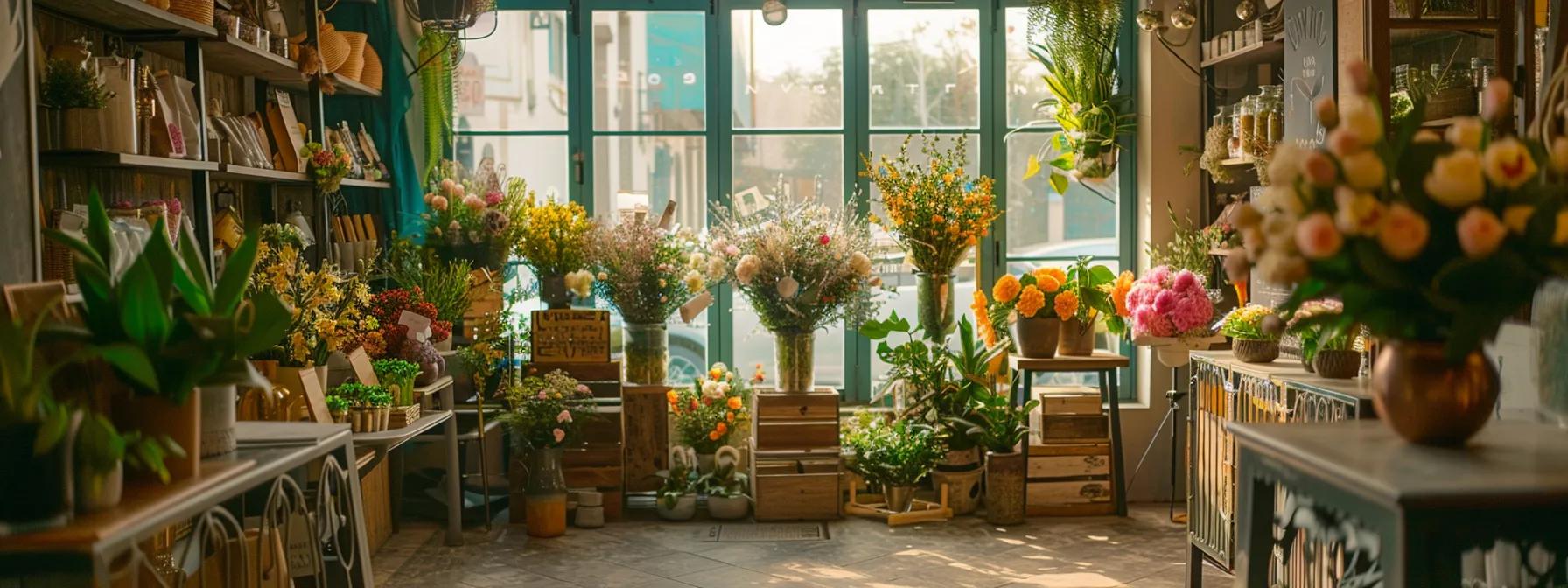
Creative Flower Shop Decor Branding Ideas for a Unique Identity

Are you struggling to make your flower shop stand out in a crowded market? With the right decor branding ideas, you can create a unique identity that resonates with customers. This article will explore how to develop a distinctive color palette that reflects y

Are you struggling to make your flower shop stand out in a crowded market? With the right decor branding ideas, you can create a unique identity that resonates with customers. This article will explore how to develop a distinctive color palette that reflects your shop’s personality, design eye-catching signage with effective typography, and curate memorable packaging that showcases your brand. By implementing these strategies, you’ll enhance customer engagement and address your challenge of differentiating your orchid offerings in a competitive environment. Let’s dive into practical solutions for elevating your floral business.

Develop a Distinctive Color Palette to Reflect Your Shop’s Personality

To truly represent my flower shop’s personality, I focus on a distinctive color palette that resonates with our offerings. I select colors that complement our flower varieties, utilizing seasonal hues to create a dynamic atmosphere. Integrating color psychology helps influence customer experiences positively, while maintaining cohesion through consistent color use across platforms ensures our brand communicates beauty effectively throughout the web page and in our interior design concepts.

Select Colors That Complement Your Flower Varieties

In selecting colors that complement my shop’s flora, I focus on hues that enhance the beauty of our offerings, such as gardenia or peony petals. By considering the floral design, I create a visual harmony that draws customers in and reinforces our unique identity. For instance, pairing soft pastels with deeper floral tones can evoke emotions and make our displays more inviting:

  • Choose colors inspired by popular flowers like gardenia for soft elegance.
  • Use vibrant shades for seasonal blooms to celebrate nature’s palette.
  • Incorporate a serif font in signage that pairs well with the selected colors to maintain a cohesive look.

Utilize Seasonal Colors to Create a Dynamic Atmosphere

Utilizing seasonal colors in my flower shop creates an inviting and dynamic atmosphere that speaks to the changing beauty of nature. I effectively incorporate rich autumn hues in September, vibrant spring pastels in March, and deep winter tones in December, allowing each flower bouquet to resonate with its environment. This seasonal approach not only enhances my displays but also keeps customer interest piqued throughout the year:

  • Adopt autumn shades like burnt orange and deep red for cozy arrangements in fall.
  • Switch to lively pinks and yellows for fresh spring bouquets that uplift moods.
  • Implement cooler colors, like icy blues and whites, in winter to highlight elegance.

Incorporate Color Psychology to Influence Customer Experience

In my flower shop, I leverage color psychology to create an ambience that enhances customer experiences and influences purchasing decisions. By understanding how specific colors evoke emotions—like calming blues or energizing yellows—I can tailor my displays to resonate with customers’ moods. For example, using warm tones can create a cozy atmosphere, making visitors feel welcome and inclined to browse longer:

  • I focus on soft pastels for soothing arrangements that promote relaxation.
  • I incorporate vibrant shades to inspire joy and lift spirits, especially during events.
  • Neutral colors are used strategically to create balance and focus on the flowers themselves.

Create Cohesion With Consistent Use of Colors Across Platforms

Creating cohesion with consistent colors across platforms is vital for establishing a recognizable brand identity in my flower shop. I ensure that the same color palette is reflected in my social media, website, and in-store signage to create a unified customer experience. This not only helps build brand loyalty but also makes it easier for customers to connect with my shop visually, enhancing their overall experience:

PlatformColor PalettePurpose
WebsiteSoft PastelsCreate an inviting online atmosphere
Social MediaVibrant Seasonal ColorsEngage and attract followers
In-Store SignageEarthy TonesReinforce natural beauty of flowers

Design Unique Signage That Captures Attention

Designing unique signage is essential for my flower shop’s branding. I utilize creative typography to embody my brand voice, ensuring it stands out to customers. Showcasing my floral style through artistic sign design adds a personal touch, while collaborating with local artisans allows for custom signage solutions that enhance my shop’s identity. Each of these elements plays a vital role in attracting attention and reinforcing my brand.

Use Creative Typography to Communicate Your Brand Voice

In my flower shop, I prioritize the use of creative typography in signage to effectively communicate my brand voice. By selecting fonts that reflect the elegance and style of my floral arrangements, I create an immediate connection with customers. For example, pairing a modern sans-serif font for contemporary designs with a classic serif font for more traditional displays reinforces my shop’s identity, making it memorable and visually appealing to visitors.

Showcase Your Floral Style Through Artistic Sign Design

In my flower shop, showcasing our floral style through artistic sign design plays a pivotal role in establishing a memorable brand identity. I focus on using vivid illustrations and elegant graphics that not only reflect the essence of our arrangements but also resonate with our customers’ aesthetics. An example of this is incorporating floral motifs in our directional signs, which seamlessly guides visitors while emphasizing the creativity behind our offerings.

Integrate Local Artisans for Custom Signage Solutions

Integrating local artisans for custom signage solutions enhances my flower shop’s branding and connects us deeply with the community. By collaborating with talented craftsmen, I create unique, hand-crafted signs that not only capture attention but also reflect the essence of my floral offerings. For example, I’ve worked with local woodworkers to design rustic signage that highlights our seasonal arrangements, making the space feel more welcoming and personalized:

Artisan TypeSignage FeaturesBenefits
WoodworkersRustic wooden signsEnhances warmth and natural aesthetics
Graphic DesignersCustom illustrations and typographyCreates visual appeal and communicates brand identity
MetalworkersModern metal signageOffers durability with a contemporary edge

Employ Creative Interior Decor to Enhance Customer Engagement

In my flower shop, I employ creative interior decor to enhance customer engagement and create a memorable experience. I utilize salvaged materials for a sustainable look, fostering an eco-friendly atmosphere. Additionally, I design interactive spaces that encourage exploration and connection. Seasonal displays keep the environment fresh, showcasing the vibrancy of my floral arrangements and inviting customers to return regularly.

Utilize Salvaged Materials for a Sustainable Look

In my flower shop, I prioritize the use of salvaged materials to create a sustainable decor that reflects our commitment to the environment while enhancing the overall aesthetic. By incorporating reclaimed wood for display tables and vintage containers for arrangements, I not only showcase creativity but also tell a story of sustainability that resonates with eco-conscious customers. This approach not only makes my shop more inviting but also fosters customer loyalty by aligning with their values and preferences:

  • Reclaimed wood tables create a rustic charm while showcasing floral arrangements.
  • Vintage containers inspire a sense of nostalgia and uniqueness.
  • Decorative accents made from salvaged materials emphasize sustainability in branding.

Create Interactive Spaces for Customer Experience

Creating interactive spaces in my flower shop is essential for enhancing customer experience and engagement. I design areas where customers can participate in DIY bouquet-making sessions, allowing them to immerse themselves in the beauty of flowers. By providing hands-on opportunities, I not only foster a deeper connection between visitors and my floral offerings but also encourage them to explore their creativity while spending time in my shop:

Interactive ElementDescriptionBenefits
DIY Bouquet StationA designated area for customers to create their bouquets with guidance.Encourages engagement and personal connection with products.
Flower Arrangement WorkshopsRegularly scheduled classes that teach floral design.Builds community and enhances customer loyalty.
Seasonal Display ZonesRotating displays that reflect seasonal themes for exploration.Keeps the shopping experience fresh and exciting.

Use Seasonal Displays to Keep the Environment Fresh

Using seasonal displays in my flower shop is a straightforward yet effective way to keep the environment vibrant and inviting. By refreshing my decor to reflect the current season, I create a dynamic atmosphere that captivates customers and encourages them to explore new arrangements. For example, in spring, I focus on pastel colors and cheerful blooms, while in autumn, I incorporate warm tones and rustic elements, ensuring that every visit offers something new and engaging.

Integrate Technology for Modern Branding Solutions

In my flower shop, integrating technology is key for modern branding solutions. I utilize digital displays to highlight special offers, creating eye-catching promotions that attract customers. I also craft a unique online presence with virtual tours, allowing visitors to experience my shop from anywhere. Engaging customers through social media decor campaigns enhances interaction, fostering a sense of community and connection.

Utilize Digital Displays to Highlight Special Offers

In my flower shop, I utilize digital displays to effectively highlight special offers and seasonal promotions, drawing customer attention right at the point of purchase. By incorporating bright visuals and concise messaging, I create an engaging experience that not only showcases my fresh blooms but also encourages spontaneous buying decisions. For instance, featuring a rotating selection of discounts on popular arrangements can entice more foot traffic and elevate sales, ensuring my shop remains competitive and appealing to visitors.

Create a Unique Online Presence With Virtual Tours

To create a unique online presence for my flower shop, I utilize virtual tours that allow potential customers to explore my space from the comfort of their homes. This innovative approach not only showcases my floral arrangements and decor but also provides a glimpse into the inviting atmosphere I strive to cultivate. By incorporating engaging visuals and interactive elements, I enhance customer interest and make it easier for them to connect with my shop, ultimately driving foot traffic and sales.

Engage Customers Through Social Media Decor Campaigns

Engaging customers through social media decor campaigns has proven to be an effective strategy for my flower shop. By sharing visually appealing content that showcases our floral arrangements and seasonal displays, I connect with my audience in a creative way. I encourage customers to participate by posting their own floral-inspired decor at home using specific hashtags, creating a sense of community while promoting my shop’s unique identity:

Campaign ElementDescriptionBenefits
Visual ContentHigh-quality images and videos of floral arrangements.Attracts attention and showcases creativity.
User ParticipationEncouraging customers to share their decor.Fosters community engagement and brand loyalty.
Consistent Hashtag UseCreating a branded hashtag for all posts.Enhances visibility and connects posts to the campaign.

Curate Memorable Packaging That Reflects Your Brand

To create a distinct brand identity for my flower shop, I prioritize memorable packaging that resonates with my values. I choose eco-friendly materials that align with sustainability efforts and design custom wrapping that makes bouquets visually appealing. Additionally, incorporating personalized notes and tags adds a special touch, enhancing the overall customer experience and fostering connections with my clientele.

Choose Eco-Friendly Materials That Align With Your Values

In my flower shop, I prioritize choosing eco-friendly materials for packaging that resonate with my values and appeal to conscious consumers. For instance, I select biodegradable wrapping paper and compostable bags that not only look beautiful but also minimize environmental impact. This commitment to sustainability not only enhances the overall unboxing experience for my customers but also strengthens my brand identity as a responsible and thoughtful florist.

Design Custom Wrapping to Make Bouquets Stand Out

In my flower shop, custom wrapping is a key element to making bouquets truly stand out and reflect our brand identity. I design unique, eye-catching wrappers that complement the floral arrangements while showcasing our commitment to quality and aesthetics. For instance, incorporating seasonal colors and patterns in the wrapping not only enhances the visual appeal but also creates a memorable experience for customers, encouraging them to return for future purchases:

Wrapping ElementDescriptionBenefit
Seasonal ColorsUtilizing colors that reflect the current season.Enhances visual appeal and enriches customer experience.
Unique PatternsDesigning wrappers with floral or nature-inspired motifs.Creates a distinctive identity and resonates with customers.
Personalized NotesIncorporating custom messages or tags with each bouquet.Adds a personal touch and strengthens customer connections.

Incorporate Personalized Notes and Tags for a Personal Touch

In my flower shop, I find that incorporating personalized notes and tags adds a meaningful touch that resonates with customers. By including handwritten messages or custom tags with each bouquet, I not only enhance their unboxing experience but also foster emotional connections. This small detail makes each purchase feel special, encouraging customers to return and share their positive experiences with others.

Create a Unique Arc of Floral Arrangement Styles

Create a Unique Arc of Floral Arrangement Styles

My approach to flower arrangements focuses on three core themes to establish a distinctive identity for my shop. I experiment with unconventional flower combinations, crafting unique bouquets that surprise and delight customers. Additionally, I offer themed arrangements that tell a story, engaging clientele on a deeper level. Finally, I showcase local flowers, emphasizing their beauty and reinforcing connections to the community.

Experiment With Unconventional Flower Combinations

In my flower shop, experimenting with unconventional flower combinations has become a signature aspect of my arrangements, helping to set my brand apart. I love pairing unexpected blooms, such as rich dahlias with airy astilbes, creating striking contrasts in color and texture that captivate customers. This practice not only surprises and delights but also showcases my creativity and commitment to floral artistry, as each arrangement tells a unique story through its diverse elements:

Flower PairingVisual EffectCustomer Appeal
Dahlias and AstilbesBold colors and varied texturesCreates a fresh, unique arrangement
Sunflowers and LavenderBright yellows and calming purplesEvokes joy and serenity
Roses and SucculentsClassic elegance meets modern charmAppeals to various aesthetics

Offer Themed Arrangements That Tell a Story

In my flower shop, I focus on offering themed arrangements that tell a story and resonate with our customers. By crafting bouquets inspired by seasons, events, or specific emotions, I engage clients on a deeper level, making each arrangement feel personal and meaningful. For instance, creating a romantic arrangement for anniversaries with soft roses and delicate lilies not only adds to the occasion but also reinforces the unique identity of my shop, showcasing my commitment to understanding and meeting customer needs.

Showcase Local Flowers for a Unique Identity

In my flower shop, showcasing local flowers has become a cornerstone of our unique identity, allowing me to connect deeply with the community. By sourcing blooms from nearby farms, I not only support local growers but also enrich my arrangements with fresh, seasonal selections that truly reflect the essence of our region. This focus on local flora enables me to craft designs that resonate with customers’ appreciation for homegrown beauty, fostering a sense of authenticity and loyalty to my shop.

Conclusion

Creative flower shop decor branding plays a vital role in establishing a unique identity that resonates with customers. By thoughtfully integrating color palettes, signage, and seasonal displays, shop owners create engaging environments that attract and inspire. Incorporating local artistry and sustainable materials enhances the overall brand experience, fostering connections with the community. This strategic approach not only elevates customer engagement but also solidifies the shop’s presence in a competitive market, making it memorable and inviting.

Boost Your Website’s Rating with SEO and AI Techniques

**Boost Your Website Rating With Proven Techniques** Is your website struggling to reach higher rankings despite your best efforts? Addressing common SEO challenges can significantly reduce risks and enhance your site’s performance. This article covers optimiz

**Boost Your Website Rating With Proven Techniques** Is your website struggling to reach higher rankings despite your best efforts? Addressing common SEO challenges can significantly reduce risks and enhance your site’s performance. This article covers optimizing your content strategy, improving website speed, and utilizing mobile-friendly techniques. Leveraging systems powered by artificial intelligence and tools like virtual assistants can further streamline these processes, ensuring sustained growth and better user engagement. By applying these proven methods, you’ll effectively boost your website rating and stay ahead in the competitive digital landscape.

Optimize Your Content Strategy to Boost Website Ranking

a focused close-up of a vibrant workspace featuring a sleek laptop displaying colorful graphs and analytics, surrounded by open notebooks and a steaming cup of coffee, symbolizing the hustle of crafting a successful content strategy.

Optimizing content strategy involves researching relevant keywords tailored to the target audience, crafting high-quality, engaging content, and implementing effective internal linking between pages using sitemaps and link building techniques. Ensuring the ethics of artificial intelligence in content creation maintains trust, while updating existing material and analyzing content performance with predictive analytics tool provides actionable insights.

Research and Use Relevant Keywords for Target Audience

Utilizing tools like Google Analytics to understand user intent enables businesses to target keywords that reflect the needs of their audience. By analyzing human behavior and trends influenced by the Internet of Things, companies can implement supervised learning techniques to refine their keyword strategies effectively.

Create High-Quality, Engaging Content for Readers

Developing compelling web content requires capturing the audience’s attention through relevant topics and insightful information. Leveraging artificial intelligence in healthcare can enhance customer service by tailoring content to specific user needs, while integrating artificial neurons ensures a deeper understanding of user behavior. This strategic approach not only engages readers but also boosts website ranking effectively.

Implement Effective Internal Linking Between Pages

Integrating effective internal linking strategies involves understanding regulatory guidelines and leveraging insights from industry leaders like Allen Newell. By conducting deliberate experiments with advertising placements and providing clear descriptions of link hierarchies, businesses can enhance site navigation and boost their website rankings. This methodical approach ensures that internal links contribute positively to SEO performance.

Update Existing Content to Maintain Relevance

Regularly updating content ensures that topics such as social media strategies and cloud computing advancements remain accurate and relevant. By addressing changes in technologies and trends, including periods like the AI winter, and optimizing elements like nofollow links and HTTP protocols, businesses can maintain their website’s authority and improve search engine rankings.

Analyze Content Performance Using Analytics Tools

Utilizing advanced analytics tools, organizations can assess content performance by analyzing unstructured data and conducting thorough competitor analysis to uncover strategic advantages. By integrating insights from online advertising efforts and leveraging JavaScript for precise tracking, businesses gain a comprehensive view of user interactions and engagement patterns. Drawing inspiration from Frank Rosenblatt’s neural network concepts, these analytics enable the fine-tuning of content strategies to enhance website rankings effectively.

Improve Website Speed for Enhanced User Experience

a sleek, modern office bathed in natural light showcases a focused young entrepreneur intensely analyzing dynamic data graphs on multiple screens, embodying the drive to enhance digital performance.

Enhancing website speed is vital for search engine optimization and user satisfaction. Techniques such as compressing images, minimizing HTTP requests, utilizing browser caching, and optimizing server response times are essential. Leveraging data science and tools like ChatGPT OpenAI, businesses can streamline their website performance without getting bogged down by technical jargon, supporting broader strategies like social media marketing.

Compress Images to Reduce Load Times Efficiently

Efficiently compressing images is essential for reducing load times, which positively impacts a website’s domain name ranking. By optimizing medical imaging files or graphics created using Wombo AI, businesses can enhance user experience and streamline contextual advertising efforts. Focusing on image compression allows the mind to engage seamlessly with content, ensuring faster access and higher retention rates.

Minimize HTTP Requests for Faster Page Loading

Reducing the number of HTTP requests on a web page is essential for faster loading times, which enhances user experience and supports effective content marketing strategies. By optimizing each node in the website’s architecture and utilizing decision support systems, businesses can identify and eliminate unnecessary requests. Implementing these optimizations through simulation allows for precise adjustments, ensuring a more responsive and high-performing website.

Utilize Browser Caching to Speed Up Access

Utilizing browser caching on a WordPress site can significantly improve load times, enhancing user experience and boosting local SEO rankings. By leveraging tools like ranking coach, businesses can effectively implement caching strategies that cater to user behavior, ensuring faster access to frequently visited pages. Additionally, integrating chatbots can help monitor and adjust caching settings dynamically, maintaining optimal website performance and sustaining high search engine rankings.

Optimize Server Response Time for Better Performance

Advancements in technology, informed by seminal papers from experts like Peter Norvig and Walter Pitts, have significantly enhanced server response time optimization. By leveraging machine learning techniques, businesses can proactively identify and resolve latency issues, ensuring faster and more reliable website performance. This strategic approach not only improves user experience but also contributes to higher website ratings.

Utilize Mobile Optimization Techniques for Increased Traffic

a sleek, modern office space bathed in natural light, featuring a focused young entrepreneur intently analyzing data on multiple screens displaying vibrant, responsive website designs.

Enhancing website ratings through mobile optimization involves designing responsive layouts for all device sizes and ensuring fast loading speeds on mobile devices. By implementing AMP features and utilizing transfer learning to address grammar and speech recognition issues, companies like Palantir Technologies can effectively test mobile usability and fix logic-related problems promptly, increasing traffic.

Design Responsive Layouts for All Device Sizes

Designing responsive layouts for all device sizes enhances a website’s reputation by ensuring optimal user experience across platforms. Utilizing keyword research in conjunction with artificial neural networks allows businesses to predict user behavior with high probability, enabling the reinforcement of design elements that meet diverse needs. This approach not only improves accessibility but also drives increased traffic and higher search engine rankings.

Ensure Fast Loading Speeds on Mobile Devices

Ensuring fast loading speeds on mobile devices is critical for maintaining high website ratings and user satisfaction. By optimizing HTML code and conducting thorough analysis of site performance, businesses in sectors like insurance can adapt to the ongoing evolution of user expectations. Additionally, aligning with meta platforms’ best practices ensures seamless integration and improved responsiveness, ultimately driving increased traffic and better search engine rankings.

Test Mobile Usability and Fix Issues Promptly

Ensuring mobile usability aligns with the goal of delivering optimal user experiences, a priority emphasized by top universities conducting cutting-edge research. The emergence of diverse mobile devices requires businesses to promptly identify and fix issues, preventing bias in user engagement metrics. By adopting a proactive approach similar to weather forecasting models, organizations can maintain high website ratings and effectively meet their audience’s evolving needs.

Implement AMP (Accelerated Mobile Pages) Features

Implementing AMP features can significantly enhance mobile user experience, leading to increased traffic and higher search rankings. By utilizing metadata effectively and integrating AMP tags within platforms like Salesforce and Android applications, businesses can ensure faster load times and better compatibility with services such as Microsoft Azure. This streamlined approach to mobile optimization not only improves site performance but also aligns with modern technological standards.

a vibrant conference room buzzes with energy as manick bhan passionately shares seo strategies, illuminated by the glow of a large screen filled with dynamic charts and graphs.

Effective backlink strategies are vital for enhancing website authority. Identifying and engaging in guest blogging opportunities, building relationships with industry influencers, utilizing social media for backlink generation, and monitoring and disavowing low-quality links help businesses strengthen their presence in the SEO space. These approaches act as strategic investments, driving traffic and establishing credibility in sectors including educational technology and mobile phone industries.

Identify and Engage in Guest Blogging Opportunities

By identifying relevant health care blogs and industry sites, companies can engage in guest blogging opportunities that enhance their SEO Google ads efforts and increase domain authority. Utilizing predictive maintenance techniques in content planning allows for forecasting trending topics, ensuring guest posts remain timely and valuable. Additionally, avoiding spamdexing practices by focusing on high-quality, informative content helps establish trust and fosters meaningful backlinks from reputable sources.

Build Relationships With Industry Influencers

Establishing partnerships with industry influencers requires effective management and the sharing of valuable resources, such as detailed PDFs on reinforcement learning applications in computer systems. By collaborating on content that explores key theorems and advancements, organizations can enhance their credibility and secure high-quality backlinks. This strategic approach fosters trust and positions the business as a leader within the field.

Utilizing social media for backlink generation enables businesses to enhance their marketing strategies by tapping into a vast database of user interactions, thereby improving organic search results. By leveraging artificial intelligence technologies, akin to those used in Siri, companies can analyze the history of artificial intelligence to identify and engage with influencers effectively. This targeted approach fosters high-quality backlinks that bolster website authority and search engine performance.

Regularly monitoring backlinks using tools like SEMrush allows SEO professionals to identify and disavow low-quality links, ensuring a healthy backlink profile. By applying mathematical optimization techniques, scientists can develop effective prototypes for automating this process, thereby enhancing Google SEO performance and maintaining the website’s authority.

Enhance User Engagement to Lower Bounce Rates

a vibrant, modern workspace filled with colorful graphics and interactive digital displays, capturing the essence of user engagement and innovation in technology.

Creating compelling calls to action engages customers and guides their journey effectively. Utilizing interactive elements and incorporating multimedia content, including images, keeps users involved and enhances customer experience. Clear typography improves readability, ensuring that meta elements are optimized for reinforcement learning from human feedback. These strategies collectively lower bounce rates and boost website ratings.

Create Compelling Calls to Action for Visitors

Experts in the manufacturing sector can significantly enhance user engagement by integrating compelling calls to action that leverage advanced technologies like Google DeepMind and XML data integration. By utilizing memory-optimized strategies, businesses can personalize CTAs based on user behavior, ensuring that each interaction feels tailored and relevant. This approach not only addresses user needs effectively but also reduces bounce rates, ultimately boosting the website’s ranking through increased interaction and sustained visitor interest.

Use Interactive Elements to Keep Users Involved

Integrating interactive elements powered by IBM’s explainable artificial intelligence enhances user engagement by providing personalized experiences. By leveraging robust computer hardware and cloud-based solutions, businesses can design dynamic features such as chatbots and interactive dashboards that respond intuitively to user inputs. This approach not only keeps users involved but also builds trust through transparency, ultimately reducing bounce rates and improving website rankings.

Improve Readability With Clear Typography

Implementing clear typography enhances document readability by ensuring text is easily navigable and accessible. Utilizing machine learning tools can predict user preferences for font styles and sizes, optimizing content layout accordingly. Additionally, properly using the alt attribute for images supports seamless navigation and improves overall user experience.

Incorporate Multimedia Content for Visual Appeal

Incorporating multimedia content such as high-quality images and videos on a website enhances visual appeal and supports effective pattern recognition, leading to increased user engagement. Utilizing advanced techniques like backpropagation, similar to those used in ImageNet for image classification, ensures that multimedia elements are optimized for performance and relevance. Proper governance of multimedia resources guarantees that content remains consistent and aligned with the website’s overall SEO strategy, ultimately lowering bounce rates and improving search rankings.

Monitor and Analyze Metrics to Guide Improvements

a focused analytical workspace features a vibrant computer screen displaying colorful graphs and metrics, capturing the essence of data-driven decision-making in seo optimization.

Regularly checking Google Analytics for key insights equips the company with intelligence to track keyword performance and adjust ads strategies. Analyzing page performance through mathematics enables data-driven changes, while setting up regular audits ensures adherence to best practices. This comprehensive approach supports the art of optimizing website ratings effectively.

Regularly Check Google Analytics for Key Insights

Consistently monitoring Google Analytics provides invaluable insights for conducting thorough SEO audits. By utilizing open source tools, businesses can ethically analyze their website data to identify issues like keyword stuffing that may negatively impact search rankings. Understanding these metrics enables organizations to align their strategies with how the human brain processes information, ultimately enhancing user experience and boosting website ratings.

Track Keyword Performance and Adjust Strategy

Leveraging Yoast SEO for WordPress enables businesses to monitor keyword performance effectively, allowing them to adjust strategies based on real-time data insights. By integrating BERT and recurrent neural network technologies, organizations can better understand user intent and enhance website accessibility, ensuring content aligns with search algorithms. This strategic approach, even when applied to diverse genres like fiction, results in improved website rankings and a stronger online presence.

Analyze Page Performance to Make Data-Driven Changes

By leveraging advanced tools that analyze page performance, such as those inspired by AlphaGo’s strategic optimization, businesses can dissect the architecture of their website to reduce complexity and enhance user experience. Implementing these data-driven changes allows for precise adjustments in content and layout, ultimately improving search engine rankings through optimized language and structure.

Set Up Regular Audits to Ensure Best Practices

Implementing regular audits with an SEO tester online is essential for uncovering the reasons behind fluctuating website performance. By systematically analyzing data and monitoring competition, businesses can adopt strategies similar to those used by The New York Times to maintain their top rankings. These consistent evaluations ensure that best practices are followed, enabling continuous improvement and sustained website authority.

Conclusion

Boosting your website rating requires a multifaceted approach that integrates effective content strategies, enhanced site performance, and strategic backlinking. Implementing targeted keyword research and producing high-quality content ensures relevance and visibility in search results. Optimizing website speed and mobile usability improves user experience, leading to increased engagement and lower bounce rates. Continuous monitoring and analysis of performance metrics enable informed adjustments, sustaining and elevating your website’s ranking over time.