
Seamless Integration of Smart Home Technology in Older Homes

Smart Home Tech Solutions for Revamping My Older Home | Expert Tips


Seamless Integration of Smart Home Technology in Older Homes

Integrating smart home technology into older homes may seem daunting, but it doesn’t have to be. Research shows that nearly 70% of homeowners want smart features for added security and convenience, yet many worry about compatibility issues. In this guide, I will discuss assessing your older home’s compatibility with essential smart technology, planning for integration, and addressing common obstacles. You’ll gain the confidence to enhance your home with devices such as sensors and smart assistants like Amazon Alexa, ultimately minimizing risks like leak detection and improving your home’s memory capabilities. I aim to solve your concerns about modernization while preserving your home’s character.

Assessing Your Older Home’s Compatibility With Smart Technology
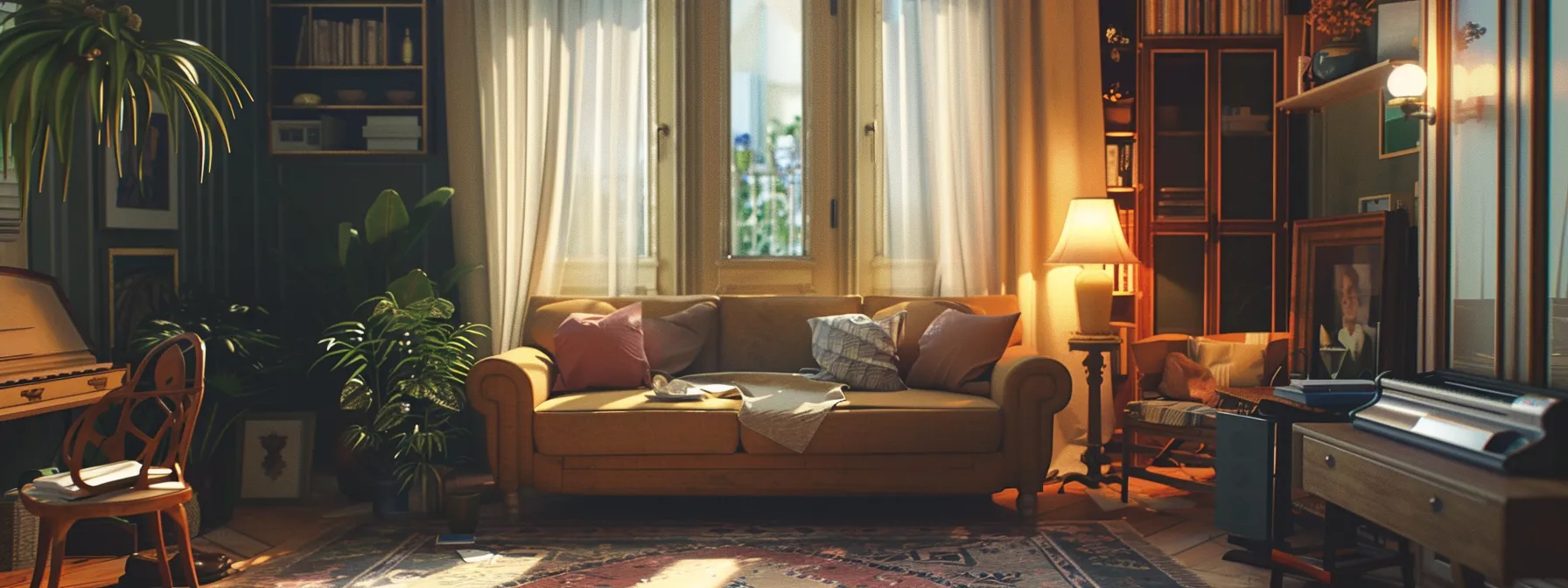
a vintage home with modern smart devices seamlessly blending into its historical charm.

When assessing your older home’s compatibility with smart technology, it’s vital to inspect the electrical system to ensure it can support devices like smart doorbells and automated pill dispensers. Evaluating Wi-Fi coverage and connectivity is equally important for effective home automation. Additionally, I must identify any structural challenges and consider historical preservation guidelines to maintain the home’s integrity. Each of these factors plays a crucial role in facilitating a seamless integration of information technology into ageing homes.

Inspecting the Electrical System for Smart Device Support

When inspecting the electrical system of an older home for smart device support, I focus on the wiring and circuit capacity. Outdated systems may struggle to handle demands from modern devices that contribute to the Internet of Things, potentially impacting their functionality. For instance, ensuring enough voltage and amperage can promote adherence to health routines, such as monitoring blood pressure for individuals with cognitive impairment and alleviating stress for family caregivers.

Inspection Focus Key Considerations Benefits
Wiring Check for outdated materials like aluminum or knob-and-tube wiring. Improves safety and supports smart devices effectively.
Circuit Capacity Assess the amperage and voltage to ensure they meet modern needs. Reduces the risk of tripped breakers during usage.
Grounding and Bonding Ensure proper grounding to prevent electrical surges. Enhances device performance and user safety.

Evaluating Wi-Fi Coverage and Connectivity

Evaluating Wi-Fi coverage and connectivity in an older home is essential for the effective operation of smart technology, such as smart locks and devices controlled by Google Assistant. I often find that older homes may have structural barriers that weaken Wi-Fi signals, leading to frustration during critical activities of daily living. To ensure seamless integration, I recommend conducting a speed test in various areas of the home and considering Wi-Fi extenders if connectivity issues arise:

Evaluation Focus Key Considerations Benefits
Signal Strength Test Wi-Fi signals in key areas, especially near smart locks. Ensures reliable connections for all smart devices.
Router Placement Position the router to minimize physical barriers. Enhances coverage and reduces fatigue in device usage.
Device Compatibility Check if devices support the latest Wi-Fi standards. Improves integration with features like heart rate monitoring.

Identifying Structural Challenges and Limitations

When I assess older homes for their compatibility with smart technology, I often encounter structural challenges that can hinder effective integration. High door frames, thick walls, or hidden corners may obstruct the signals needed for motion detection devices, resulting in unreliable functionality. Additionally, I recognize that features like smart health monitoring devices can greatly benefit those managing conditions such as dementia or fluctuating blood pressure, but they require careful placement to ensure optimal performance, especially in relation to sleep quality and daily routines.

Considering Historical Preservation Guidelines

When incorporating smart technology in older homes, it’s essential to consider historical preservation guidelines to maintain the property’s character and integrity. Working with a qualified handyman can help ensure that installations such as smart home hubs and touchscreen panels are done in a way that respects the historical elements. For instance, smart safety features can enhance accessibility for individuals with disabilities while preserving the aesthetic appeal of the home:

  • Engage professionals familiar with preservation standards.
  • Choose discreet devices that blend with existing décor.
  • Prioritize safety upgrades without compromising historical features.

Planning Your Smart Home Integration
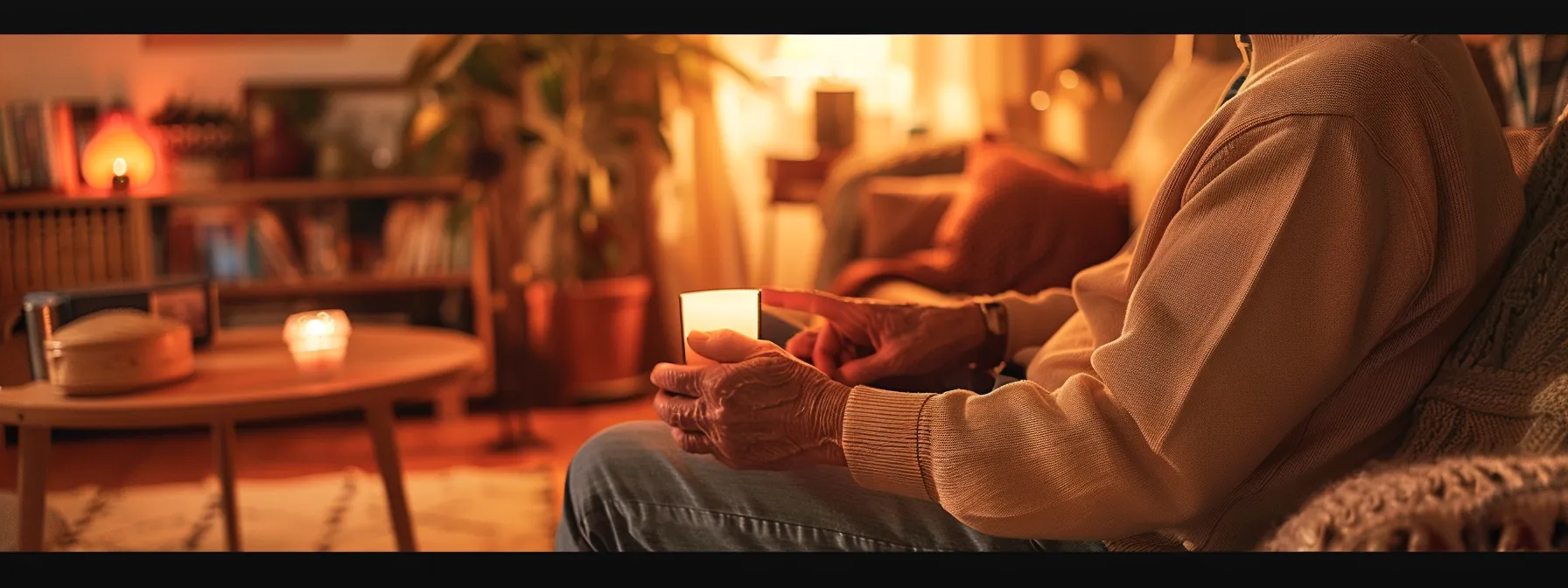
in a cozy living room, an older person activates a panic button on their smart home system, surrounded by seamless automation features and security devices.

When planning your smart home integration, I emphasize prioritizing essential smart features tailored for older people, such as panic buttons for safety. Selecting compatible smart home platforms ensures seamless automation, while consulting professionals facilitates smooth transitions for installations. Lastly, setting a budget for upgrades helps manage costs effectively, ensuring a practical approach to enhancing convenience and security in your home.

Prioritizing Essential Smart Features for Your Needs

When prioritizing essential smart features for your home, I consider tools that truly enhance safety and convenience, particularly for older adults. Incorporating smart devices that monitor blood pressure and provide timely reminders can significantly ease daily health management, while virtual assistant integrations allow for hands-free control and improved user interface for those with mobility challenges. By focusing on practical features that address potential scams, I can ensure that my loved ones have a secure and supportive living environment:

Smart Features Key Benefits Considerations
Health Monitoring Devices Real-time tracking of vital signs like blood pressure. Look for user-friendly models designed for older users.
Virtual Assistants Hands-free control of devices and reminders. Ensure compatibility with existing appliances.
Smart Emergency Buttons Immediate access to help in case of a fall or emergency. Choose models that are simple to use and reliable.

Selecting Compatible Smart Home Platforms

When selecting compatible smart home platforms for elderly care, I focus on systems that seamlessly integrate with existing devices while enhancing home care. I prioritize platforms that offer features such as weight monitoring and cognitive support tools, as these can significantly improve the quality of life for older individuals. Ensuring that these technologies are user-friendly and accessible helps address common concerns, allowing families to provide better support and care for their loved ones.

Consulting Professionals for a Smooth Transition

Consulting professionals during the smart home integration process is critical for ensuring a smooth transition, especially for those aging in place. I recommend working with experts who can assess your needs and recommend solutions such as fingerprint access for locks or upgraded smoke detectors that enhance safety without compromising accessibility. Installing devices like smart stoves that offer additional safety features can provide peace of mind, allowing individuals to live independently while receiving the support they need.

Setting a Budget for Upgrades and Installations

When setting a budget for upgrades and installations in older homes, I focus on balancing the benefits of innovation with the need for autonomy and safety. Prioritizing essential devices like smart thermostats and health monitoring tools ensures that the investment directly enhances daily living, especially for those managing vital signs through remote patient monitoring. A realistic budget allows for selecting quality products and professional installation, delivering both peace of mind and a seamless integration of technology into the home:

Budget Item Estimated Cost Key Considerations
Smart Thermostat $100 – $250 Choose models with user-friendly interfaces.
Health Monitoring Devices $50 – $300 Consider devices that provide remote access to vital signs.
Professional Installation $75 – $200 per hour Ensure technicians are experienced with smart home technology.

Retrofitting Techniques for Seamless Integration
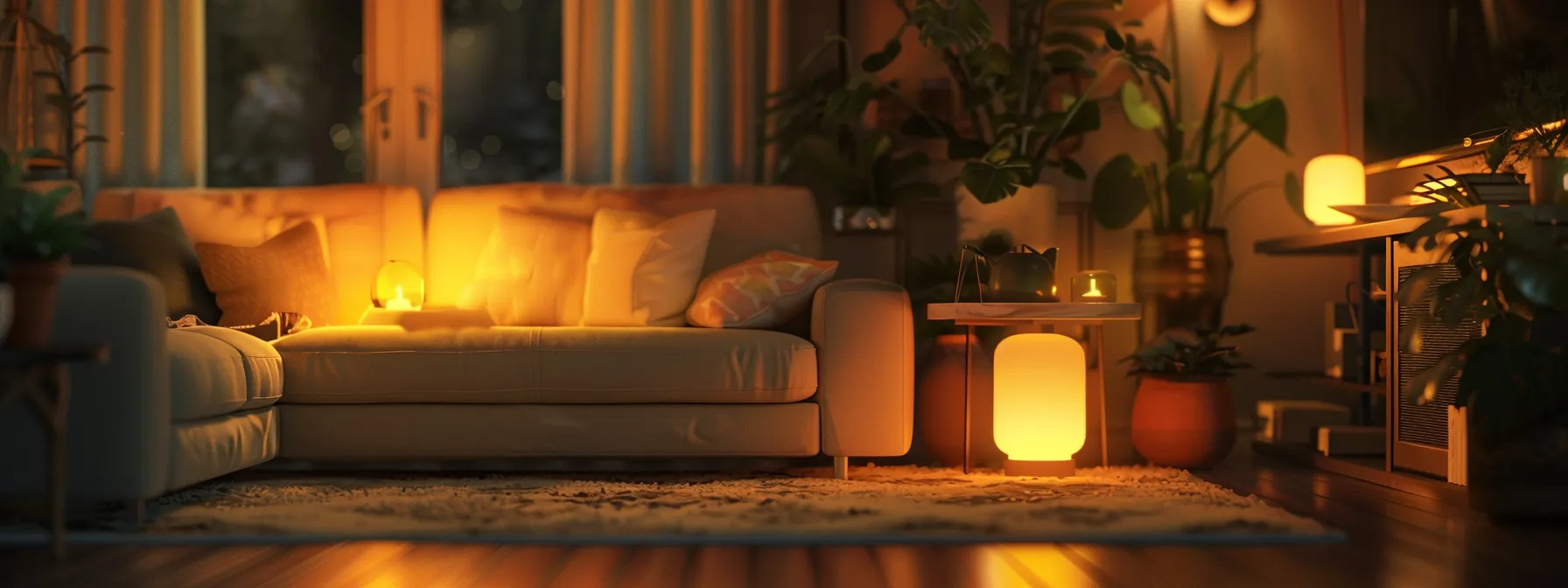
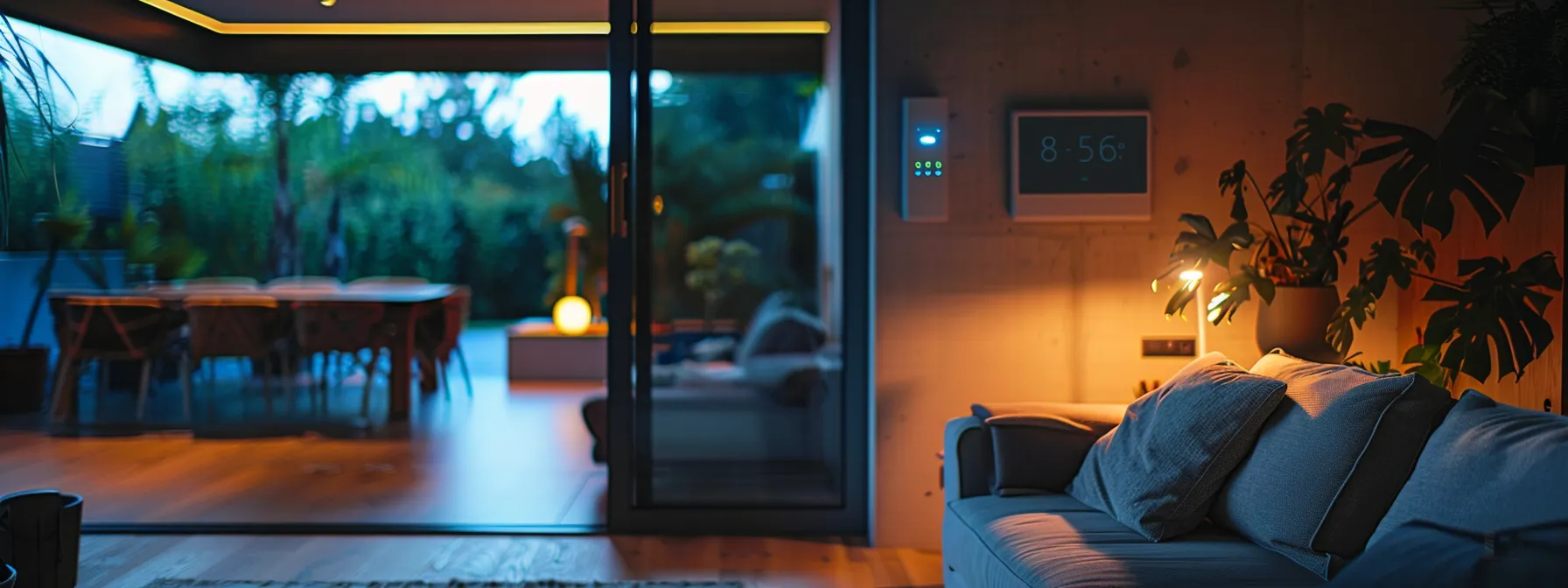
a cozy living room with modern smart bulbs softly illuminating the space, seamlessly integrated into an older home setting.

Utilizing wireless solutions can significantly minimize renovations while integrating smart home technology into older homes. I explore implementing smart plugs and retrofit devices, incorporating voice-controlled assistants for enhanced accessibility, and upgrading lighting with smart bulbs and switches to improve welfare and mental health. Each of these techniques addresses potential risks, providing a more convenient and secure living environment, particularly for those in nursing homes.

Utilizing Wireless Solutions to Minimize Renovations

Utilizing wireless solutions is an effective strategy to integrate smart home technology into older homes without extensive renovations. For instance, devices like the Nest thermostat and smart speakers can be easily installed to provide comfort and convenience while requiring minimal alterations to existing structural elements. This approach not only adheres to current technical standards but also meets consumer demands for accessible and efficient technologies that accommodate daily behaviors.

  • Identify key areas needing smart technology.
  • Select wireless devices that enhance convenience.
  • Minimize disruptions during installation.
  • Focus on user-friendly interfaces for older adults.

Implementing Smart Plugs and Retrofit Devices

Implementing smart plugs and retrofit devices is an excellent way to enhance the convenience of older homes while integrating smart technology. By using wireless smart plugs, I can turn standard appliances into smart machines, allowing for better control and energy efficiency without needing significant renovations. For example, I often recommend devices compatible with HomePod, which can help manage health-related tasks for individuals dealing with chronic diseases, ensuring a smoother daily routine while providing peace of mind for caregivers:

  • Upgrade non-smart devices with wireless smart plugs.
  • Consider HomePod-compatible devices for simple control.
  • Focus on user-friendly installations to minimize disruptions.

Incorporating Voice-Controlled Assistants

Incorporating voice-controlled assistants like Amazon Echo into older homes significantly enhances daily living. These devices not only support physical therapy routines through guided exercises but also allow users to manage stress by playing soothing music or meditations with simple commands. Additionally, integrating these assistants with a home security system offers peace of mind, enabling quick access to emergency services or monitoring through voice requests, which can be particularly beneficial for those managing weight loss programs or other health routines.

Upgrading Lighting With Smart Bulbs and Switches

Upgrading lighting with smart bulbs and switches is a practical way to enhance comfort and energy efficiency in older homes. These devices can be easily controlled via a mobile app, allowing users to adjust brightness levels or set schedules without the need for complicated installations. For instance, I find that using smart lighting not only improves the perception of space but also helps maintain the oxygen saturation levels of residents by ensuring optimal lighting for daily activities.

Feature Benefits Considerations
Smart Bulbs Energy-efficient, customizable brightness, remote control via mobile app. Ensure compatibility with existing fixtures and electrical systems.
Smart Switches Control multiple fixtures, schedule lighting, integrate with home security. Professional installation may be necessary for older wiring.
Voice Activation Hands-free operation for convenience and ease of use. Check compatibility with existing voice assistants.

Overcoming Common Obstacles in Older Homes

a modern smart thermostat blending seamlessly with a vintage wall, showcasing the balance between technology and aesthetics in an older home.

Addressing issues like signal interference from thick walls is essential for the usability of smart devices. I focus on safely upgrading outdated wiring and hardware to support modern security systems, ensuring they meet safety standards for carbon monoxide detection. Enhancing security without compromising aesthetics is also a priority, along with improving energy efficiency using smart thermostats controlled via a mobile device.

Addressing Signal Interference From Thick Walls

Addressing signal interference from thick walls is a critical aspect I focus on when integrating smart home technology in older homes. These structural elements can hamper connectivity, making it challenging to access telehealth services, medication reminders, or even entertainment systems. For effective solutions, I often recommend using mesh Wi-Fi systems, which enhance coverage and ensure seamless access to vital therapy and assisted living features throughout the home, thus improving the overall quality of life for residents.

Safely Upgrading Outdated Wiring and Hardware

When upgrading outdated wiring and hardware in older homes, I emphasize the importance of ensuring safety and compatibility with smart devices. For instance, I often find that homes equipped with smart doorbells or an Amazon Echo Show benefit significantly from having modern electrical systems capable of supporting these technologies. Addressing these upgrades is especially crucial for residents experiencing mild cognitive impairment, as reliable technology can greatly enhance their daily living experience and overall safety.

  • Assess the current state of electrical wiring.
  • Ensure compatibility with smart devices like doorbells and displays.
  • Focus on safety improvements to support the needs of geriatrics.

Enhancing Security Without Compromising Aesthetics

Enhancing security while preserving the aesthetic appeal of older homes is a challenge I often face. Utilizing cloud computing solutions for surveillance systems allows me to install discreet cameras that effectively monitor properties without being visually intrusive. By implementing smart locks that support remote control, I can ensure easy access for first responders in emergencies while maintaining the architectural integrity valued by organizations like AARP, all while also ensuring that features such as carbon monoxide detectors are seamlessly integrated into the design.

Improving Energy Efficiency With Smart Thermostats

Improving energy efficiency with smart thermostats is a significant step in upgrading older homes while addressing common challenges. I often find that these devices not only help regulate temperature effectively, but also integrate seamlessly with home security systems, allowing for enhanced automation. For instance, during cooking, a smart thermostat can adjust the temperature settings based on the household’s activity level, ensuring comfort without excessive energy use. Additionally, implementing authentication features ensures that only authorized users can modify settings, making it a secure option for those managing a chronic condition where consistent environmental controls are vital for well-being.

Preserving Aesthetics While Modernizing

a cozy living room with antique furniture enhanced by discreet philips hue and google nest smart devices seamlessly blending in with the traditional decor.

To effectively integrate smart home technology in older homes without compromising their charm, I focus on choosing discreet and minimalist smart devices like Philips Hue and Google Nest. Customizing the appearance of these gadgets to match existing décor and properly concealing wires and hardware are crucial steps. Balancing historical integrity with modern convenience enhances functionality, particularly in areas like disease management or automating tasks with devices like vacuum cleaners.

Choosing Discreet and Minimalist Smart Devices

When I recommend smart devices for older homes, I prioritize discreet and minimalist options to enhance aesthetics without sacrificing functionality. For example, a robotic vacuum cleaner can effectively maintain cleanliness while blending seamlessly into the environment. Devices such as smart humidity sensors and garage door openers can be integrated into existing structures, providing assistive technology that supports health care needs without overwhelming the visual appeal of the home.

Customizing Device Appearance to Match Decor

When I assist caregivers in modernizing older homes, I emphasize the importance of customizing device appearance to match existing decor. For instance, selecting a smart thermostat that complements traditional aesthetics or concealing wires associated with emergency response systems not only preserves the home’s charm but also enhances functionality. By ensuring that smart devices blend seamlessly with the decor, I help create an environment that retains its historical integrity while benefiting from the intelligence and convenience of modern technology.

Concealing Wires and Hardware Appropriately

Concealing wires and hardware is essential for maintaining the aesthetics of older homes while integrating modern smart home technology. For instance, I often recommend routing cables through walls or using wire moldings that blend with existing decor, ensuring that devices like medical alert systems and smart ovens do not disrupt the visual appeal. Additionally, using discreet button panels for emergency response can enhance functionality without compromising the home’s charm, allowing for both safety and style while encouraging physical activity within the space.

Balancing Historical Integrity With Modern Convenience

Balancing historical integrity with modern convenience involves selecting smart home technology that respects the unique character of older homes while enhancing their functionality. For example, I often recommend using discreet motion-activated surveillance cameras that blend seamlessly into the home’s architecture, ensuring safety without detracting from aesthetic appeal. Additionally, upgrading to smart bulbs allows for efficient lighting control, improving the quality of life for residents, particularly those utilizing Medicare Advantage who require a focus on health and safety within their living environment.

Maximizing the Benefits of Smart Technology
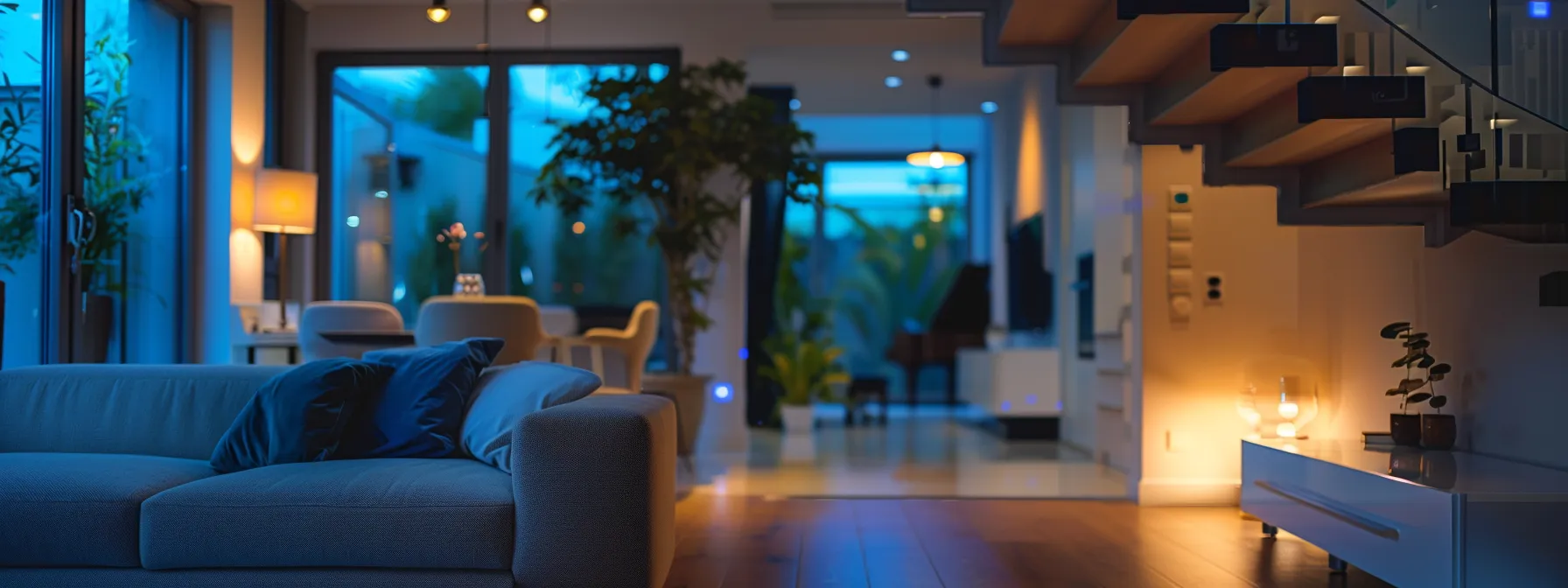
a modern, sleek smart home control panel managing lights, security system, and energy usage, showcasing the benefits of smart technology integration in older homes.

Enhancing safety and security measures is crucial when integrating smart home technology. I also focus on simplifying daily tasks through automation, allowing for a more convenient lifestyle. Monitoring energy usage can reduce costs significantly, while smart upgrades can increase property value. Each of these aspects contributes to maximizing the benefits of technology in older homes, making them more functional and appealing.

In the following sections, I will explore practical strategies for improving safety and efficiency, highlighting how Brothers Bloom can support homeowners in navigating these enhancements effectively.

Enhancing Safety and Security Measures

Enhancing safety and security measures in older homes with smart technology is critical for peace of mind. I recommend installing smart locks that allow homeowners to control access remotely, providing an added layer of security against potential intruders. Additionally, integrating security cameras with motion detection helps to monitor activities around the home, ensuring a swift response to any unusual activity, which is especially important for those who may feel vulnerable in their living environment.

Simplifying Daily Tasks Through Automation

Simplifying daily tasks through automation in older homes greatly enhances convenience and efficiency. I find that utilizing smart technology, such as automated lighting systems and programmable thermostats, allows residents to manage their environments with minimal effort. For instance, I often recommend integrating voice-controlled assistants to schedule daily activities, like reminding individuals to take their medication or adjusting the temperature for comfort, which significantly reduces routine stress and enhances overall well-being:

  • Implement smart lighting that turns on and off based on occupancy.
  • Use programmable thermostats to maintain optimal temperatures effortlessly.
  • Set up voice-controlled reminders for important daily tasks.

Monitoring Energy Usage to Reduce Costs

Monitoring energy usage in older homes is a vital step toward reducing costs and improving efficiency. I often utilize smart plugs and smart energy monitors to track energy consumption in real-time, allowing me to identify appliances that consume excessive power. By making informed adjustments based on usage data, such as scheduling high-energy devices for off-peak hours, homeowners can save money while contributing to a more sustainable environment.

Increasing Property Value With Smart Upgrades

Increasing property value through smart upgrades is an effective strategy I recommend for homeowners looking to enhance their older homes. Smart features such as energy-efficient thermostats, advanced security systems, and automated lighting not only improve the living experience but also make the property more appealing to potential buyers. By investing in these technologies, I find that the overall marketability of a home increases, giving owners a competitive edge in the real estate market while providing a modern touch to a classic property.

Conclusion

Seamless integration of smart home technology in older homes enhances safety, convenience, and overall quality of life for residents. By assessing electrical systems, evaluating Wi-Fi connectivity, and considering historical preservation guidelines, homeowners can successfully implement modern devices without compromising the integrity of their properties. Prioritizing essential features tailored for older adults fosters independence while addressing health management needs. Embracing these technologies not only boosts property value but also transforms aging homes into secure, functional spaces that meet contemporary demands.
Upgrading Older Homes With Smart Home Technology: A Seamless Integration Guide

Upgrade Your Older Home with Smart Tech: Expert Tips for Modernizing | Smart Home Technology for Traditional Houses


Upgrading Older Homes With Smart Home Technology: A Seamless Integration Guide

Upgrading older homes with smart home technology may seem daunting, but it doesn’t have to be. Surprisingly, a significant percentage of homeowners feel overwhelmed when faced with integrating new devices like sensors and smart assistants such as Amazon Alexa into traditional settings. This guide will help you navigate common challenges by covering essential topics like selecting the right devices, ensuring minimal disruption during installation, and maintaining your home’s aesthetic. By following these steps, you’ll gain the confidence needed to enhance your living space, address issues such as leaks, and improve efficiency, ultimately enriching your home’s functionality.

Understanding the Challenges of Integrating Smart Tech Into Older Homes

a vintage home with exposed wiring, outdated devices, and limited connectivity, highlighting the challenges of integrating smart technology.

Integrating smart technology into older homes presents several challenges. First, I’ll assess the current electrical infrastructure, as older systems may not support modern demands. Then, I’ll identify compatibility issues with existing devices, including doorbells and pill dispensers. Structural limitations also play a role, alongside ensuring Wi-Fi connectivity throughout the home while addressing specific security concerns related to ageing buildings.
Assessing the Current Electrical Infrastructure

When I assess the current electrical infrastructure of older homes, I often find that outdated wiring can be a significant challenge to integrating smart home technologies. Many older systems aren’t designed to handle the demands of the internet of things, which can lead to issues with device functionality and performance. Additionally, ensuring reliable power for smart devices, particularly for elderly individuals with cognitive impairment, is crucial for enhancing adherence to health routines, such as blood pressure monitoring, which family caregivers may need to manage effectively in these homes.

Identifying Compatibility Issues With Existing Systems

When integrating smart technology into older homes, I frequently encounter compatibility issues with existing systems. For example, older door locks may not easily sync with smart locks or voice assistants like Google Assistant, which can lead to frustration and reduced functionality. Furthermore, it’s important to consider how these systems can support daily activities of daily living for elderly residents, especially in managing health metrics such as heart rate or fatigue levels, ensuring that technology serves a practical purpose in their lives.

Overcoming Structural Limitations

Overcoming structural limitations in older homes can be daunting, but it’s essential for effective smart home integration. I’ve found that enhancing door accessibility with smart locks or incorporating motion detection systems can significantly improve safety and convenience. For example, pairing motion sensors with smart medical alert systems can ensure that individuals, including those with dementia, receive timely assistance or reminders for health monitoring tasks like checking blood pressure, which can contribute to better sleep and overall well-being.

Ensuring Wi-Fi Connectivity Throughout the Home

Ensuring reliable Wi-Fi connectivity throughout an older home is often one of the more pressing challenges I face when integrating smart technology. Many times, I find that the layout and structure of these homes can create dead zones where signal strength is weak. To address this issue, I recommend using a smart home hub that can distribute the Wi-Fi signal effectively, or employing a handyman to install additional access points. This approach not only enhances the performance of devices like touchscreen interfaces but also improves the overall safety and convenience for residents, especially those with disabilities who rely on technology for daily support.

Addressing Security Concerns Specific to Older Buildings

Addressing security concerns in older buildings, especially for older people, requires careful consideration of both physical and smart technology barriers. One effective solution I’ve implemented is the installation of panic buttons in critical areas, such as the bathroom, where falls are more likely to occur. This integration of automation not only enhances safety but also aligns with medicare requirements to promote independent living, ensuring that help can be summoned quickly if needed.

Selecting the Right Smart Home Devices for Traditional Settings

a vintage-style smart thermostat seamlessly integrated into a traditional victorian home's elegant interior.

Choosing the right smart home devices for older homes involves a careful balance between functionality and aesthetics. I focus on selecting devices that seamlessly blend with classic interiors while prioritizing essential upgrades that make an immediate impact. Evaluating compatibility with existing systems ensures longevity and integration, while budget-friendly options make smart technology accessible. Finally, considering energy efficiency aligns with sustainable practices, creating a cohesive environment that enriches everyday living.

Choosing Smart Devices That Blend With Classic Interiors

When I choose smart devices for older homes, I prioritize options that harmonize with traditional interiors while addressing the needs of elderly care. For instance, selecting smart thermostats that resemble classic designs can enhance comfort without compromising style. I also recommend integrating weight monitoring scales that provide health data in a user-friendly format, which can support home care for seniors by fostering cognition and promoting independence in managing their health.

Prioritizing Essential Smart Upgrades for Immediate Impact

When upgrading older homes, I prioritize essential smart upgrades that provide immediate impact, particularly for aging in place. For instance, installing smart smoke detectors enhances safety, alerting residents more effectively than traditional options. Additionally, incorporating fingerprint-enabled smart locks improves accessibility, allowing easier entry while maintaining security, which is crucial for those requiring assistance. Upgrading to smart stoves further enhances convenience in the kitchen, as these can be controlled remotely, ensuring that meals are prepared safely and effectively.

  • Install smart smoke detectors for enhanced safety.
  • Incorporate fingerprint-enabled smart locks for improved accessibility.
  • Upgrade to smart stoves for convenience in meal preparation.

Evaluating Device Compatibility and Future-Proofing

When I evaluate device compatibility for older homes, I focus on how well new technology can seamlessly integrate with existing systems. For instance, incorporating a smart thermostat requires ensuring that it can work alongside any current heating or cooling systems without conflicts. Additionally, I consider future-proofing by selecting devices that can adapt to innovations, such as remote patient monitoring systems, which can track vital signs and provide the autonomy needed for elderly residents to maintain their independence.

  • Assess existing systems for compatibility with smart devices.
  • Choose technology that adapts to future innovations.
  • Incorporate solutions that enhance autonomy for seniors.

Budget-Friendly Options for Beginners

When I consider budget-friendly options for integrating smart home technology into older homes, I often recommend devices that enhance both welfare and mental health without breaking the bank. For instance, affordable smart vacuum systems can help maintain clean living spaces, reducing the risk of falls due to clutter. Additionally, simple smart health monitoring devices are accessible and can greatly contribute to the overall well-being of seniors, making it easier for them to remain independent in their own homes rather than transitioning to a nursing home.

Considering Energy Efficiency and Sustainability

When I consider energy efficiency and sustainability in the context of upgrading older homes, selecting devices that meet modern technical standards is essential. For instance, integrating a Nest thermostat can significantly optimize heating and cooling behaviors, providing both convenience and cost savings for consumers. Additionally, using smart speakers can facilitate energy management by allowing voice-activated control of various devices, allowing residents to seamlessly adjust their energy consumption to promote sustainability.

Device Purpose Benefits
Nest Thermostat Optimize heating and cooling Cost savings, energy efficiency
Smart Speaker Control various devices Convenience, energy management

Step-by-Step Guide to Installing Smart Systems in Older Homes

transforming an outdated living room into a sleek, modern smart home hub with voice-activated lighting, climate control, and security systems.

In this guide, I will walk you through the step-by-step process of installing smart systems in older homes. We’ll begin by planning your smart home upgrade project, ensuring an organized approach. Next, I’ll cover prepping your home for installation, followed by installing wireless smart lighting solutions that enhance convenience. Then, we’ll set up smart thermostats and climate control, and finally, I’ll guide you through integrating smart security systems to protect your home effectively. Each step is crucial for creating a seamless and functional smart home environment.

Planning Your Smart Home Upgrade Project

When planning your smart home upgrade project, it’s essential to consider the specific needs of the residents, especially those who may require physical therapy or have specific health goals like weight loss. For example, integrating devices like the Amazon Echo not only enhances home automation but can also provide reminders for physical activities that alleviate stress. Additionally, laying out a comprehensive plan for a home security system can ensure peace of mind, as it enhances both safety and accessibility for aging residents, helping them maintain their independence while staying connected to their support network.

Prepping Your Home for Installation

Prepping your home for the installation of smart systems starts with a comprehensive assessment of your current infrastructure. I recommend checking your electrical outlets and wiring to ensure they can support the energy demands of smart devices, which is crucial for reliable performance. Additionally, understanding how the devices will be controlled through a mobile app can enhance your knowledge and perception of the overall setup, while monitoring aspects like oxygen saturation in health-focused systems requires clear communication on how these technologies will integrate into your daily routines.

Installing Smart Lighting Solutions

Installing smart lighting solutions in older homes can significantly enhance usability while contributing to improved safety. I recommend starting by researching compatible smart bulbs that can seamlessly integrate with existing fixtures without requiring extensive rewiring. By connecting the lighting to a mobile device, residents can easily control their home’s ambiance, even allowing integration with security systems to ensure lights automatically activate during suspicious activities, which is particularly useful for elderly residents concerned with safety regarding potential threats, including carbon monoxide alarms that reinforce peace of mind:

  • Research compatible smart bulbs for existing fixtures.
  • Connect lighting to a mobile device for easy control.
  • Integrate with security systems for enhanced safety.
  • Consider carbon monoxide alarms to address safety concerns.

Setting Up Smart Thermostats and Climate Control

Setting up smart thermostats for climate control in older homes requires careful attention to compatibility and functionality. I recommend choosing devices that can integrate with existing heating and cooling systems without requiring major modifications. By utilizing these thermostats, residents can manage their environments efficiently, which not only enhances comfort but also supports telehealth measures by allowing users to control temperatures that promote optimal conditions for therapy sessions and medication adherence, creating a more conducive atmosphere for assisted living and daily entertainment activities.

Integrating Smart Security Systems

Integrating smart security systems in older homes is a vital step, especially for residents in geriatrics who may deal with challenges like mild cognitive impairment. I often recommend installing a smart doorbell paired with an Amazon Echo Show, which not only enhances security but also allows residents to see and communicate with visitors from anywhere in the home, fostering a sense of safety and independence. By setting up these smart devices, families can enjoy peace of mind, knowing that their loved ones are better protected without complicating their daily routines.

Wireless Solutions for Minimal Home Disruption

a modern smart home setup with wireless devices seamlessly integrated, demonstrating minimal disruption and maximum convenience.

In upgrading older homes with smart home technology, leveraging wireless solutions is essential for minimizing disruption. I emphasize the benefits of wireless smart systems, such as the ease of installation and improved flexibility of remote control. I will guide you on choosing the best wireless protocols, implementing smart plugs and sensors, utilizing smart hubs for seamless control, and tips for enhancing wireless signal strength. These insights will address concerns like security and energy efficiency, vital for both family members and first responders, with additional focus on AARP recommendations for older adults.

Benefits of Wireless Smart Systems

Wireless smart systems offer a flexible and unobtrusive solution for upgrading older homes, addressing key needs like home security and daily convenience. For instance, a smart camera can be easily installed without the need for invasive wiring, providing peace of mind for those concerned about safety. Additionally, these systems can also aid individuals managing chronic conditions by utilizing smart appliances for cooking, ensuring they have healthy meals prepared without hassle, all while simplifying the authentication process for accessing their devices securely.

  • Flexible installation without invasive wiring
  • Enhanced home security with smart cameras
  • Support for chronic condition management with smart cooking appliances
  • Simplified authentication for secure access to devices

Choosing the Best Wireless Protocols for Your Home

When I choose the best wireless protocols for upgrading older homes, I focus on how well each option supports the unique needs of the residents. For instance, Philips Hue lighting is a fantastic option for easy integration and remote control, allowing users to adjust their home’s ambiance effortlessly. Similarly, using Google Nest devices can enhance disease management efforts by facilitating communication with healthcare professionals through voice commands, while smart vacuum cleaners help maintain cleanliness without additional effort from patients.

Wireless Protocol Features Benefits
Philips Hue Smart lighting control Easy integration and remote access
Google Nest Voice-activated assistance Improves disease management
Smart Vacuum Cleaner Automated cleaning Maintains cleanliness effortlessly

Implementing Smart Plugs and Wireless Sensors

When implementing smart plugs and wireless sensors in older homes, I focus on enhancing convenience and safety for residents. For example, smart plugs can control devices like robotic vacuum cleaners, allowing for automated cleaning without the need for physical effort. Additionally, using wireless sensors to monitor humidity levels can help create a comfortable living environment, while also supporting health care needs by notifying caregivers about any significant changes in the home atmosphere.

Using Smart Hubs for Seamless Device Control

When I implement smart hubs for older homes, I find that they significantly simplify how residents manage various devices, including thermostats and emergency response systems. These hubs eliminate the need for extensive wiring, providing a streamlined solution that enhances intelligence and communication across devices. For caregivers, this integration enables quick access and control over home environments, ensuring that the needs of elderly residents are met efficiently, especially in emergency situations where every second counts.

Tips for Enhancing Wireless Signal Strength

To enhance wireless signal strength in older homes, I recommend strategically placing wireless routers and access points in central locations, away from thick walls or metal appliances like ovens that can interfere with the signal. Additionally, using Wi-Fi extenders can help eliminate dead zones, ensuring that vital devices such as medical alert systems maintain connectivity during emergencies. Regularly checking signal strength and adjusting the placement of devices based on physical activity patterns can also optimize performance, ensuring that buttons for alerts or reminders function reliably throughout the home.

Maintaining the Aesthetics of Older Homes While Upgrading

a vintage living room with seamlessly integrated smart devices blending into the classic decor.

To maintain the aesthetics of older homes while upgrading with smart technology, I focus on various strategies. Concealing smart devices ensures a cohesive look, while incorporating tech into vintage décor allows functionality without compromising style. Customizing smart controls to match interior design and retrofitting traditional fixtures with smart capabilities enhances usability. I’ll also share examples of tasteful integrations that improve quality of life, such as motion and surveillance options, which can be essential for elderly care, in line with Medicare Advantage requirements.

Concealing Smart Devices for a Cohesive Look

When integrating smart devices into older homes, I emphasize the importance of concealing these technologies to maintain a cohesive and appealing aesthetic. One practical approach I’ve used is to hide smart speakers within existing décor, allowing them to blend seamlessly with traditional furnishings. Additionally, smart plugs can be tucked away behind furniture, preserving the vintage charm of the home while providing modern functionality. The Brothers Bloom has inspired me to think creatively about these enhancements, ensuring that upgrades do not detract from the enduring beauty of older architectural styles:

Device Concealment Method Benefits
Smart Speaker Incorporate into existing décor Maintains aesthetic appeal
Smart Plugs Position behind furniture Preserves vintage charm

Incorporating Smart Tech Into Vintage Décor

Incorporating smart technology into vintage décor can create a harmonious blend of modern functionality and classic aesthetics. I often recommend selecting devices that mimic traditional designs, such as smart lighting fixtures that resemble antique lamps or vintage-style smart thermostats that align with the home’s character. This approach allows homeowners to enjoy the benefits of smart home integration without compromising the unique charm of their older spaces.

Device Vintage Style Option Benefits
Smart Light Fixture Antique-Look Lamp Enhances ambiance while offering modern control
Smart Thermostat Classic-Design Thermostat Combines style with energy efficiency

Customizing Smart Controls to Match Interior Design

When customizing smart controls to match the interior design of older homes, I focus on selecting interfaces that harmonize with existing aesthetics while providing modern functionality. For example, I often recommend touchscreen panels and smart home apps that can be styled to reflect traditional designs or colors, ensuring they feel like a natural part of the environment. This approach not only enhances usability for residents but also maintains the home’s charm, allowing technology to integrate seamlessly without compromising its character.

Retrofitting Traditional Fixtures With Smart Capabilities

Retrofitting traditional fixtures with smart capabilities allows homeowners to embrace modern technology while preserving the unique character of older homes. In my experience, replacing standard light switches with smart dimmers can enhance lighting control without altering the aesthetic of vintage fixtures. By incorporating smart controls, such as voice-activated assistants or retrofit solutions for classic-style lamps, I find that residents can enjoy convenience and efficiency while maintaining the charm and appeal of their beloved spaces.

Examples of Tasteful Smart Home Integrations

One effective way I incorporate smart home technology into older homes is by selecting devices that enhance functionality while complementing classic aesthetics. For instance, I often recommend smart light fixtures that mimic the design of antique lamps, allowing homeowners to enjoy modern control without sacrificing the charm of their interior spaces. Additionally, using smart thermostats designed with vintage-inspired appearances ensures that the seamless blend of technology and tradition maintains the distinctive character of older homes.

Maximizing Benefits and Future-Proofing Your Smart Home

a modern smart home system seamlessly integrated into a vintage house, with sleek devices and efficient technology enhancing the living experience.

To maximize the benefits of integrating smart home technology into older homes, I focus on routine maintenance and software updates to ensure systems function efficiently. Expanding your smart home system over time involves preparing for new technologies and standards. It’s essential to educate household members on the use of smart devices and leverage smart home data for improved living conditions, making the experience more beneficial for everyone.

Routine Maintenance and Software Updates

Routine maintenance and software updates are critical for maximizing the benefits of smart home technology in older homes. I regularly advise homeowners to schedule updates for their devices to enhance functionality and security. By keeping software current, I can help ensure that smart systems operate smoothly and effectively, minimizing disruptions and maximizing usability, particularly for those who rely on technology for daily living.

Expanding Your Smart Home System Over Time

Expanding your smart home system over time is a practical approach that allows me to enhance functionality without overwhelming the existing infrastructure of older homes. I often recommend starting with a few essential devices and gradually adding more as needs grow or technology advances. For instance, beginning with smart lighting or security cameras can provide immediate benefits, while future additions like smart thermostats or advanced medical alert systems can be integrated seamlessly later on, ensuring a budget-friendly and manageable upgrade process.

  • Start with essential devices like smart lighting or security cameras.
  • Gradually add new devices as needs change or technology improves.
  • Ensure that new systems are compatible with existing infrastructure.

Preparing for New Technologies and Standards

When preparing for new technologies and standards in smart home integration for older homes, I focus on staying informed about emerging innovations that could enhance reliability and performance. It’s vital to consider devices that not only meet current needs but can also adapt to future advancements. For instance, investing in smart devices that are compatible with new Wi-Fi standards ensures that the smart home will remain functional and efficient as technology continues to evolve:

  • Research emerging technologies that enhance smart home systems.
  • Prioritize devices that are compatible with upcoming standards.
  • Choose solutions that can seamlessly integrate with future innovations.

Educating Household Members on Smart Tech Use

Educating household members about the use of smart technology is essential for maximizing the benefits of smart home upgrades in older homes. I prioritize creating straightforward guides and hands-on demonstrations that clarify how to operate devices like smart thermostats and security systems, as many residents may feel overwhelmed by new technology. By fostering an inclusive environment where everyone feels comfortable asking questions, I ensure that users of all ages can seamlessly integrate these tools into their daily routines, ultimately enhancing their quality of life and independence.

Leveraging Smart Home Data for Improved Living

Leveraging smart home data greatly enhances the living experience for residents in older homes. By integrating devices that monitor energy usage, I can help homeowners identify patterns and adjust their consumption, resulting in significant savings. For example, smart thermostats provide analytics on heating and cooling habits, allowing users to fine-tune settings for optimal comfort and efficiency, especially important for maintaining a conducive environment for seniors or those with health considerations.

Conclusion

Upgrading older homes with smart home technology significantly enhances safety, convenience, and efficiency for residents, particularly seniors. A thorough assessment of electrical infrastructures and careful selection of compatible devices ensure seamless integration while maintaining the home’s aesthetic charm. By prioritizing essential upgrades and leveraging wireless solutions, homeowners can create environments that support independent living and improve quality of life. Embracing these smart technologies not only future-proofs homes but also empowers residents to thrive in their everyday routines.

New Document 8904


বায়োমাস এনার্জির টেকসইতা ও কার্যকারিতা বৃদ্ধির উপায়

আধুনিক প্রযুক্তির মাধ্যমে বায়োমাসের উন্নত ব্যবহারের উপায়

নতুন প্রযুক্তি প্রয়োগ করে বায়োমাস উৎপাদন বৃদ্ধি করা

উন্নত যন্ত্রপাতি দিয়ে বায়োমাস প্রক্রিয়াকরণ উন্নত করা

টেকসই কৌশল ও পদ্ধতি দ্বারা বায়োমাস উৎপাদন বৃদ্ধি

টেকসই কৃষি কৌশল ব্যবহার করে বায়োমাস সংগ্রহ করা

ফসলের অবশিষ্টাংশ থেকে বায়োমাস পাওয়ার পদ্ধতি উদ্ভাবন

বায়োমাস এনার্জির দক্ষতা বাড়াতে প্রশিক্ষণ ও সচেতনতা বৃদ্ধি

কৃষকদের জন্য প্রশিক্ষণ কর্মশালা আয়োজন করা

বায়োমাসের সঠিক ব্যবহারে সচেতনতা গড়ে তোলা

পুনর্ব্যবহারযোগ্য উপকরণ থেকে বায়োমাস এনার্জি উৎপাদন

জৈব বর্জ্যকে এনার্জিতে রূপান্তর করার পদ্ধতি

শিল্প বর্জ্য থেকে বায়োমাস এনার্জি উৎপাদনের উপায়

বায়োমাসের পরিবেশবান্ধব ব্যবহার নিশ্চিত করার পথ

পরিবেশ সংরক্ষণে বায়োমাস এনার্জির ভূমিকা ব্যাখ্যা করা

নবায়নযোগ্য শক্তি হিসেবে বায়োমাসের ব্যবহার প্রচার করা

বায়োমাস এনার্জির উন্নয়নে সরকারের ভূমিকা ও নীতি সমর্থন

সরকারি নীতিমালা দ্বারা বায়োমাস এনার্জির উন্নয়ন ত্বরান্বিত করা

প্রণোদনা ও কর সুবিধা প্রদান করে বায়োমাস উৎসাহিত করা

Enhancing Urban Well-Being Through Biophilic Design


Urban living often disconnects us from nature, leading to stress and reduced well-being. Biophilic design offers a solution by integrating natural elements into urban spaces. This article explores how biophilic design principles can enhance city life, focusing on the use of plants, light, and natural materials in urban environments. You’ll learn practical ways to incorporate nature into your living and working spaces, improving your health and happiness in the process. By understanding biophilic design, you can transform your urban experience and reconnect with the natural world.

Understanding Biophilic Design and Urban Well-Being

Biophilic design in urban settings integrates nature into city life, enhancing well-being through thoughtful interior design. This approach leverages elements like water and daylight to improve health and attention. You’ll discover how biophilic principles transform urban environments, creating spaces that connect you with nature and promote overall wellness in the heart of the city.

Defining Biophilic Design in Urban Settings

Biophilic design in urban settings integrates natural elements into built environments, promoting sustainability and enhancing mental health. You’ll find this approach incorporates features like living walls, water features, and natural light to create a connection between city dwellers and nature, even in the heart of bustling urban landscapes.

By prioritizing biophilic design principles, you’re embracing an ecosystem-centric approach to urban development. This strategy not only improves the aesthetic appeal of cityscapes but also fosters a sense of well-being among residents, creating spaces that mimic natural environments and support overall health in densely populated areas.

The Relationship Between Nature and City Life

Urban design increasingly recognizes the vital relationship between nature and city life. By integrating green spaces, rooftop gardens, and environmentally friendly features into cityscapes, you can experience reduced heat island effects and improved air quality. These natural elements not only enhance the aesthetic appeal of urban environments but also contribute to your overall well-being and productivity.

The incorporation of biophilic design principles in urban settings helps bridge the gap between built structures and natural environments. You’ll find that access to nature within Test cities, whether through parks, green corridors, or indoor plants, can significantly reduce stress levels and improve cognitive function. This harmonious balance between nature and urban life fosters a more sustainable and livable city environment for you and your community.

How Biophilic Design Enhances Urban Environments

Biophilic design enhances urban environments by integrating natural elements into the built environment, reducing stress and improving your overall experience. You’ll find green walls, rooftop gardens, and water features incorporated into buildings and public spaces, creating a more harmonious and healthier cityscape.

These design elements not only beautify urban areas but also provide tangible benefits to your well-being. By incorporating natural light, ventilation, and vegetation, biophilic design helps purify air, regulate temperature, and create spaces that stimulate your senses, ultimately fostering a stronger connection between you and nature within the urban context.

The Challenges of Urban Living Without Nature

Urban living without nature presents significant challenges to your well-being. Research shows that disconnection from natural environments can impact your mental health, exposing you to environmental stressors in city landscapes. This section explores how urbanization affects your physiology and aesthetics, potentially contributing to major depressive disorder and other health issues.

The Impact of Urbanization on Mental Health

Urbanization often leads to increased air pollution and reduced biodiversity, directly impacting your mental health. As you navigate city life, exposure to these environmental stressors can contribute to anxiety, depression, and other psychological issues. The lack of natural elements in urban settings disrupts your innate connection to nature, potentially affecting your overall well-being.

Research in environmental psychology suggests that limited access to green spaces in urban areas can negatively influence your cognitive function and emotional regulation. You may experience higher stress levels and decreased ability to focus when surrounded by concrete landscapes devoid of natural elements. Incorporating biophilic design principles in urban planning can help mitigate these effects, promoting better mental health outcomes for city dwellers.

Environmental Stressors in City Landscapes

In urban environments, you face numerous environmental stressors that can impact your quality of life and cognition. Constant exposure to noise pollution, artificial lighting, and limited green spaces can strain your mental resources, potentially leading to increased stress levels and reduced cognitive function.

The lack of natural elements like wood in city landscapes can contribute to a sense of disconnection from nature, affecting your overall well-being. This environmental deficit may increase your susceptibility to various diseases and hinder the development of strong community bonds, further compromising your urban living experience.

The Consequences of Disconnecting From Nature

Disconnecting from nature in urban environments can significantly impact your creativity and overall well-being. Studies show that prolonged separation from natural elements may reduce your ability to generate innovative ideas, potentially affecting your performance in advertising and other creative fields. This disconnect can also lead to increased stress levels, making you less patient in daily interactions.

Lack of exposure to green spaces, such as rooftop gardens or vegetable patches, can negatively affect your physical health. Without regular contact with nature, you may experience higher rates of respiratory issues and reduced immune function. Implementing biophilic design elements, like green roofs, in urban settings can help mitigate these effects and improve your overall quality of life.

Core Principles of Biophilic Design in Cities

Discover how biophilic design principles enhance urban well-being by integrating natural elements into architecture, creating green public spaces, promoting biodiversity, and utilizing natural light and ventilation. These strategies incorporate elements like bamboo and forest-inspired furniture to encourage physical activity and improve urban ecology. You’ll learn how these principles transform cityscapes, fostering healthier, more sustainable urban environments.

Integrating Natural Elements Into Architecture

You can integrate natural elements into architecture through thoughtful urban planning and sustainable design. By incorporating colors found in nature, such as soothing greens and blues, you create spaces that promote relaxation and improve sleep quality. This approach enhances the visual appeal of buildings while contributing to overall well-being.

Educational institutions can benefit from biophilic design principles by incorporating natural materials and textures into their structures. You’ll find that exposure to these elements can enhance cognitive function and creativity, supporting better learning outcomes. By prioritizing natural light and ventilation in architectural designs, you create healthier indoor environments that positively impact both physical and mental health.

Creating Green Public Spaces for Communities

Creating green public spaces in urban areas helps combat the urban heat island effect, improving your local environment. By incorporating trees and vegetation, you provide shade and natural cooling, reducing energy consumption for air conditioning. These spaces offer valuable information about local ecosystems and promote environmental science education.

You benefit from increased access to nature through thoughtfully designed parks and community gardens. These green areas serve as social hubs, encouraging physical activity and fostering community connections. By prioritizing green public spaces, you contribute to a more sustainable urban environment that enhances your overall well-being and quality of life.

Promoting Biodiversity Within Urban Areas

Promoting biodiversity in urban areas aligns with the philosophy of biophilic design, addressing environmental issues while reducing anxiety. You can support diverse ecosystems by incorporating native plants, creating wildlife corridors, and designing green roofs that attract various species. These elements not only enhance urban ecology but also provide natural solutions for stormwater management.

Technology plays a crucial role in monitoring and maintaining urban biodiversity. You can use smart sensors and data analytics to track species populations, air quality, and water conservation efforts. By integrating these tools into urban planning, you create more resilient cities that balance human needs with environmental preservation, fostering a deeper connection between urban dwellers and nature.

Utilizing Natural Light and Ventilation

Architects prioritize natural light and ventilation in biophilic design to enhance your urban living experience. By incorporating large windows, skylights, and open floor plans, you benefit from increased exposure to daylight, which improves your mood and regulates your circadian rhythm. These design elements also promote better indoor air quality, reducing the need for artificial lighting and air conditioning.

Integrating natural ventilation systems into urban architecture supports your health and encourages physical activity. Cross-ventilation techniques and operable windows allow you to control airflow, creating a more comfortable environment for exercise and daily tasks. This approach not only conserves energy but also connects you with the natural world, fostering a culture of sustainability within urban spaces.

Benefits of Biophilic Design for City Dwellers

Biophilic design offers significant benefits for urban dwellers, improving mental health and physical well-being through thoughtfully constructed spaces. You’ll discover how these designs enhance community connections and boost economic value. From reducing mental disorders to incorporating art and innovative floor plans, biophilic elements provide practical solutions for sustainable urban living, increasing your knowledge of effective city design.

Improving Mental Health and Well-Being

Biophilic design in urban environments significantly improves your mental health and well-being through sustainable development practices. By incorporating natural resources into cityscapes, you experience enhanced mood and reduced stress levels. Systematic reviews have shown that exposure to green spaces and natural elements in urban settings positively impacts your psychological state.

Your learning abilities and cognitive function can also benefit from biophilic design principles. Natural environments in cities stimulate your mind, improving concentration and creativity. These designs provide opportunities for relaxation and reflection, supporting your overall mental wellness and contributing to a more balanced urban lifestyle.

Enhancing Physical Health Through Active Spaces

Biophilic design enhances your physical health by creating active spaces that encourage movement and exercise. Green building innovations incorporate nature-inspired elements into urban infrastructure, stimulating your brain and promoting physical activity. These designs often include features like green roofs, urban gardens, and accessible parks that invite you to engage in outdoor activities.

By integrating active spaces into urban planning policies, cities can address public health concerns while promoting environmental sustainability. You benefit from improved air quality, reduced stress levels, and increased opportunities for physical exercise. These biophilic elements in urban design contribute to a healthier lifestyle, supporting your overall well-being in densely populated areas.

Strengthening Community Connections

Biophilic design serves as a powerful tool in urbanism, strengthening community connections through strategically built environments. You’ll find that incorporating natural elements into public spaces reduces pollution and creates inviting areas for social interaction, fostering a sense of belonging and shared responsibility among residents.

By implementing biophilic design strategies, you contribute to the development of vibrant urban communities. These nature-inspired spaces encourage outdoor activities and social gatherings, promoting a healthier lifestyle while addressing environmental challenges in densely populated areas. You’ll experience improved social cohesion and a stronger sense of place within your urban neighborhood.

Boosting Economic Value and Sustainability

Biophilic design principles boost economic value by enhancing the appeal and functionality of buildings. You’ll find that incorporating natural elements, such as strategically placed windows, increases property values and attracts tenants. This approach reduces energy costs and improves employee productivity, resulting in significant financial benefits for building owners and businesses.

Implementing biophilic design in urban development promotes sustainability by reducing environmental impact. As you explore each chapter of a biophilic building project, you’ll discover how these principles contribute to resource conservation and waste reduction. By integrating nature into urban spaces, you create more resilient and eco-friendly environments that support long-term economic growth and community well-being.

Practical Applications of Biophilic Design

Explore practical applications of biophilic design in urban environments. You’ll learn about incorporating green roofs and vertical gardens, designing parks and urban forests, revitalizing buildings with natural materials, and implementing water features in public areas. These strategies enhance beauty, support stress management, and influence behavior through environmental design, creating a more peaceful urban atmosphere.

Incorporating Green Roofs and Vertical Gardens

Incorporating green roofs and vertical gardens in urban spaces provides habitats for animals and enhances biodiversity. You’ll find these installations support local ecosystems, offering shelter and food sources for birds and insects. By implementing these green features, you contribute to improved air quality and natural temperature regulation in cities.

Green roofs and vertical gardens play a crucial role in rainwater management, reducing urban runoff and easing the burden on city drainage systems. These living structures also help regulate your circadian rhythm by providing natural light cues and green views, which can improve your sleep patterns and overall well-being in urban environments.

Designing Parks and Urban Forests

Designing parks and urban forests as green infrastructure reduces environmental risks while creating urban oases. You’ll find these spaces provide essential ecosystem services, such as improving air quality and mitigating urban heat island effects. By incorporating diverse plant species and natural landscapes, you create adaptable environments that support local biodiversity and enhance urban resilience.

Urban forests and parks play a crucial role in regulating your emotions and promoting mental well-being. These green spaces offer opportunities for stress relief and social interaction, fostering a sense of community. As you design these areas, consider incorporating walking paths, seating areas, and open spaces to encourage physical activity and social engagement, supporting overall urban health and adaptation to city life.

Revitalizing Buildings With Natural Materials

Revitalizing buildings with natural materials creates spaces that promote social connection and serve as sanctuaries for meditation. By incorporating elements like wood, stone, and plant-based textiles, you transform urban structures into biophilic environments that foster well-being. These materials provide a sensory-rich experience, connecting you to nature and enhancing your overall health.

Utilizing natural materials in building revitalization maximizes the use of sunlight and improves resource efficiency. You’ll find that these materials often have better thermal properties, reducing energy consumption while creating a more comfortable indoor environment. By prioritizing natural elements, you create spaces that support your physical and mental health, making urban living more sustainable and enjoyable.

Implementing Water Features in Public Areas

Implementing water features in public areas enhances urban well-being by creating a connection to nature and improving microclimates. You’ll find that features like rain gardens and fountains help manage stormwater runoff, mitigating climate-related challenges in cities. These elements not only serve practical purposes but also contribute to your happiness by providing peaceful spaces for relaxation and contemplation.

Water features support urban biodiversity by attracting various organisms and creating habitats within city environments. As you interact with these spaces, you experience a sense of connection to the natural world, even in densely populated areas. By incorporating water elements into public spaces, urban planners create a more balanced and sustainable reality for city dwellers, promoting overall well-being and environmental awareness.

Case Studies of Biophilic Urban Projects

Explore successful biophilic urban projects worldwide, examining how cities integrate urban forests to enhance well-being. You’ll discover evidence-based lessons from global initiatives and learn how to adapt these ideas to your local context. These case studies highlight the historical development of biophilic design and its impact on carbon reduction in urban environments.

Examining Successful Green Cities Worldwide

Examining successful green cities worldwide reveals innovative approaches to biophilic design. You’ll find cities like Singapore incorporating vertical gardens on building walls, creating a harmonious blend of architecture and nature. These urban centers utilize analytics to monitor and optimize their green infrastructure, ensuring maximum environmental benefits and resource efficiency.

Virtual reality technology allows you to explore and experience these green cities’ biophilic elements before implementation. By studying the geometry of successful urban forests and green spaces, you gain insights into effective design principles. Many of these cities provide open access to their sustainability data, enabling you to learn from their experiences and adapt similar strategies to your local context.

Lessons Learned From Urban Biophilic Initiatives

Urban biophilic initiatives have taught you the importance of integrating natural systems into city planning. You’ll find that cities like Singapore successfully incorporate relaxation spaces featuring native plants such as oak trees, enhancing property values while promoting well-being. These projects demonstrate how biophilic design can create a harmonious balance between urban development and nature.

You’ve learned that successful biophilic initiatives require a holistic approach, considering both environmental and social factors. By studying these projects, you understand the need for adaptable designs that can withstand changing urban conditions while providing consistent benefits to residents. These lessons emphasize the importance of long-term planning and maintenance to ensure the sustained success of biophilic elements in urban environments.

Adapting Global Ideas to Local Contexts

When adapting global biophilic ideas to local contexts, consider how climate change impacts your region’s unique environmental challenges. You can incorporate elements like glass structures that showcase local flora while protecting against harsh weather conditions. This approach allows you to create a visual connection with nature while addressing specific climate-related issues in your area.

Integrating features inspired by human nature, such as artificial waterfalls or nature-inspired artwork, can help you capture the essence of biophilic design in urban settings. By tailoring these elements to reflect local culture and aesthetics, you create spaces that resonate with your community while promoting overall well-being. This localized approach ensures that biophilic design principles are effectively implemented in your specific urban environment.

Strategies for Advancing Biophilic Design in Urban Planning

Discover strategies to advance biophilic design in urban planning. You’ll explore steps for architects and developers, policy recommendations for authorities, community involvement, and overcoming implementation barriers. Learn how to integrate natural elements like streams and fractals to reduce noise and enhance urban well-being through practical biophilic solutions.

Steps for Architects and Developers to Get Started

To begin implementing biophilic design principles, you should familiarize yourself with environmental protection regulations and relevant literature. Research successful projects in cities like Melbourne to understand how complexity in design can enhance urban spaces. By studying these examples, you’ll gain insights into the essence of biophilic architecture and its impact on urban well-being.

Start by incorporating natural elements into your designs, considering local ecosystems and climate conditions. Collaborate with environmental experts to ensure your projects align with sustainability goals. As you develop your plans, focus on creating spaces that promote biodiversity and connect residents with nature, enhancing the overall quality of urban life.

Policy Recommendations for Urban Authorities

You should advocate for policies that integrate biophilic design principles into urban engineering practices. By incorporating nature-inspired elements into building codes and zoning regulations, you create a framework for sustainable development that aligns with the UN’s Sustainable Development Goals. This approach ensures that new urban spaces are designed in harmony with natural systems, promoting well-being and environmental sustainability.

As an urban authority, consult with biophilic design experts to develop guidelines for creating rooms and public spaces that foster connection with nature. Implement policies that incentivize developers to include green spaces, natural light, and ventilation in their projects. By prioritizing these elements, you create urban environments that support both human health and ecological balance, setting a foundation for more resilient and livable cities.

Involving Communities in the Design Process

Involving communities in the biophilic design process enhances sustainable living practices and fosters a deeper understanding of local needs. You can organize workshops and surveys to gather data on residents’ preferences for natural elements in urban spaces, such as yoga areas in parks or nature-inspired bedroom designs. This collaborative approach ensures that biophilic projects align with community values and promote well-being.

By engaging local residents, you create opportunities for them to contribute their knowledge of the area’s ecology and cultural significance. You can establish community gardens or green spaces that reflect the neighborhood’s character, promoting a sense of ownership and connection to nature. This participatory process not only improves the design outcome but also educates the community about the benefits of biophilic elements in urban environments.

Overcoming Barriers to Implementing Biophilic Solutions

To overcome barriers in implementing biophilic solutions, you need to address concerns about integrating wildlife into urban spaces. By demonstrating how carefully designed green canopies and ponds can coexist with city infrastructure, you can alleviate fears about potential conflicts. Educate stakeholders on how these natural elements enhance urban lifestyles while supporting local ecosystems.

Financial constraints often hinder biophilic projects, but you can explore innovative funding models to make implementation feasible. Consider incorporating revenue-generating features, such as rooftop gardens or nature-inspired bathrooms in public spaces, to offset costs. By highlighting the long-term economic benefits of biophilic design, including increased property values and reduced energy consumption, you can build a stronger case for investment.

Frequently Asked Questions

What is biophilic design and how does it improve urban well-being?

Biophilic design incorporates natural elements into urban spaces, enhancing human well-being. By integrating greenery, natural light, and organic materials, it reduces stress, improves air quality, and boosts productivity. This approach reconnects city dwellers with nature, promoting physical and mental health in urban environments.

How can biophilic design address the challenges of living in cities?

Biophilic design integrates nature into urban environments, addressing city-dwelling challenges by reducing stress, improving air quality, and enhancing well-being. Through green spaces, natural materials, and nature-inspired elements, it creates healthier, more livable urban spaces that reconnect people with the natural world.

What are the key principles of implementing biophilic design in urban areas?

Biophilic design in urban areas incorporates nature into built environments, focusing on natural light, vegetation, water features, and natural materials. Key principles include creating green spaces, maximizing daylight, using organic forms, and integrating local ecosystems to enhance well-being and environmental sustainability.

What benefits do city dwellers experience from biophilic design elements?

Biophilic design elements offer city dwellers improved mental health, reduced stress, enhanced productivity, and better air quality. These nature-inspired features, such as green walls and natural lighting, create a connection to the outdoors, fostering a sense of well-being and environmental awareness in urban environments.

Can you provide examples of successful biophilic urban projects?

Successful biophilic urban projects include Singapore‘s Gardens by the Bay, New York’s High Line, and Milan’s Bosco Verticale. These developments integrate nature into urban environments, enhancing biodiversity, air quality, and residents’ well-being while creating sustainable, aesthetically pleasing spaces within cities.

New Document 8713


常见抵押贷款欺诈警告信号:提前识别与防范

了解抵押贷款欺诈的常见类型与特征

识别虚假收入和资产证明的手法

警惕夸大房产价值的评估报告

警惕抵押贷款过程中的异常信号

注意过于优厚的贷款条件和承诺

小心未经请求的贷款报价和联系

核实贷款机构和经纪人的资质

检查执照和注册信息以确认合法性

通过官方渠道验证从业人员身份

保护自己免受抵押贷款欺诈的方法

仔细阅读并理解所有贷款文件

寻求独立法律和财务专业人士的建议

遭遇抵押贷款欺诈时的应对步骤

向相关监管机构报告欺诈行为

保留证据并寻求法律援助

提高对抵押贷款欺诈的防范意识

参与防欺诈教育和宣传活动

持续关注最新的欺诈手段和预警信息

Tips for Decorating Your Home on a Budget

Decorating your home doesn’t have to break the bank. With a little insight and a touch of creativity, you can create a beautifully adorned space without ever having to feel guilty about overspending. In this article, we’ll guide you through some essential tips for home decoration that won’t empty your wallet. Keep reading to discover how.

Understanding Home Decor on a Budget

img

When you’re working with a tight budget, understanding what you need as against what you want is the key. Identify your home decor requirements strictly and look for ways to meet them economically.

Also, consider the longevity of the items you’re buying. For instance, fake indoor trees would make for a better investment than buying a real tree if you don’t have a green thumb. Though some items may cost a little more upfront, they might be more cost-effective in the long run as they don’t need to be replaced often. Always go for durability over aesthetics when on a budget.

An excellent tip for saving cash is to start small. You don’t need to decorate your entire home in one go. Start with one room and complete it before moving to the next.

Furthermore, remember that the quality of your home decor isn’t determined by the amount of money invested, but by the amount of love and creativity that went into it. Splurging money on fancy accessories does not necessarily translate into having a beautifully decorated home.

Canvassing Costs: Buying Affordable Home Decor Elements

Shopping for affordable decor requires patience and a keen eye for discounts. Always compare prices in different stores before settling on an item.

Second-hand markets and garage sales can also be a goldmine for unique and affordable home decor items. You could find rare pieces at unbelievable prices. There’s also the internet; online platforms often have vast collections of home accessories.

Remember, though, quality and affordability should go hand in hand. Do not compromise on the quality of your items in the name of affordability. A durable piece, although slightly pricier, saves more money in the long run than a cheap, fragile item.

DIY Decor: An Affordable Solution to Home Styling

An affordable way to decorate your home is by creating your own decor. DIY decor is not only cost-effective but also adds a personal touch to your home.

You can repurpose old home items into beautiful decor pieces. An old wine bottle, for example, can be repurposed into a flower vase or a lantern holder.

Abstract paintings can also enhance the look of your space. You can learn basic art through online tutorials and create a masterpiece for your home.

Other DIY decor options include creating wall hangings, candle holders, and even designing your own pillow. The possibilities are endless.

Efficient Use of Space and Minimalistic Decor Approach

img

A minimalistic approach to home decor is not just trendy—it is also quite cost-effective. With a minimalist style, the idea is to use less to achieve more.

Consider a less-is-more approach to your house accessories and avoid stuffing your space with items that provide no functionality.

Furniture, for example, eats up a lot of space in the home. Use your furniture efficiently to avoid unnecessarily filling up your living space.

The color schemes in your home also contribute significantly to the overall decor. Using monochrome or shades of a single color can give your home an artistic and elegant look without any extra cost.

Seasonal Updates and Affordability in Home Decor Choices

Changing your home decor to match the season yet staying on a budget is achievable. During each season, pick your upgrades wisely and avoid unnecessary spending.

For instance, during the festive season, use DIY ornaments and recycle last year’s decorations. When the spring season comes, replace heavy throws with light, airy curtains.

You can also play around with the placement of your furniture and decor pieces during different seasons. A change in arrangement can give your space a completely new look with no added cost.

Finally, remember to budget for your seasonal decor needs ahead of time. This way, you can avoid impulsive and unnecessary spending.

Overall, carefully planning and creatively executing your decor ideas can help you achieve a beautiful home on a budget. Remember, home decor is a gradual process, and patience will pay off in the end.

Navigating the Legal Maze: How Attorneys Provide Essential Guidance

Every individual, at some point in their lives, will invariably encounter legal situations that necessitate professional intervention. Whether it’s a minor civil dispute or a serious criminal offense, comprehending and successfully traversing the vast labyrinth of legal legislation can be a daunting endeavor. Legal conundrums, marked by their complexity and severity, demand the expertise of proficient attorneys to ensure that justice is served aptly. In this article, we opine on the crucial nature of legal representation and why attorneys serve as indispensable aids while we navigate the legal maze.

The Role of an Attorney in the Legal System

img

An attorney, also referred to as a lawyer, is a licensed professional who advises individuals, businesses, and government agencies on legal matters and disputes. They represent their clients in court, negotiate on their behalf, and prepare legal documents like wills, deeds, contracts, and lawsuits. While fulfilling their responsibilities, attorneys must adhere firmly to a strict code of ethics while working relentlessly to protect their client’s interests.

Lawyers are typically specialized in specific areas of law, such as criminal law, civil law, family law, bankruptcy law, and personal injury law, amongst many others. For instance, a criminal defense attorney Las Vegas, possesses considerable expertise and experience in handling cases related to criminal offenses, ensuring that their client’s rights are robustly protected under the law.

The need for an attorney might not be apparent until one is ensnared in a complex legal obstacle where professional guidance becomes paramount. Be it a confrontational divorce, an intricate business contract, or a tough criminal defense, an experienced attorney can provide valuable advice and representation that would otherwise be challenging to obtain.

The Power of Knowledge and Experience

The legal system in Las Vegas and other cities can be overwhelmingly intricate to someone that is not well-versed in its nuances. Therefore, having an experienced attorney at one’s side doing the legwork and deciphering complex legal jargon can make a world of difference. They have comprehensive knowledge of how the system works and are familiar with the legal procedures, court customs, and tactics used by the opposition. This knowledge and experience equip them to devise effective strategies; thereby improving the outcome for their clients.

Additionally, experienced attorneys also have vast networks in the legal world, which can aid in procuring necessary documentation or expert testimonials. They also hold the power to negotiate better deals or settlements with the opposition, making the most out of a potentially adverse situation.

Moreover, in the dire circumstance of a criminal offense, an attorney familiar with the realm of criminal law, evaluates the case critically, anticipates potential issues, and suggests the best course of action. Thus, the knowledge and experience of an attorney can significantly tilt the scales in favor of their client.

The Value of Impartial Advice

img

Legal matters often have far-reaching implications that are emotional, financial, and personal in nature. In such scenarios, an attorney serves as an unbiased, third-party viewpoint that can provide crucial advice detached from emotional predicates.

A competent attorney deciphers the complex legal problem at hand and sheds light on the potential outcomes, allowing the client to make informed decisions. In addition, they navigate the client through the legal process, ensuring they understand each phase, as well as their rights and obligations throughout.

This objective advice becomes particularly invaluable during difficult times, such as during the dissolution of a marriage or while facing severe criminal charges. By employing logic over emotions, attorneys ensure that their clients respond to these challenges in a manner best suited to their interests.

Easing the Burden of Legal Proceedings

Legal proceedings can be draining and time-consuming for the uninitiated. There are stacks of paperwork to be processed, incessant filing, and meeting deadlines. There’s also the risk of losing the case due to a minor procedural error or misunderstanding of the law. An attorney steps to lift this burden from the client’s shoulders by undertaking the daunting task of preparing and filing the necessary documents. Attorneys have the training and experience to deal with legal proceedings adeptly and efficiently. They are well-versed in submission protocols and courtroom decorum, and they have a sound understanding of legal precedents.

Whether it involves arguing the case before a judge, cross-examining witnesses, or negotiating settlements, having an attorney by one’s side can significantly reduce the stress typically associated with legal matters and allow individuals to focus on other aspects of their lives.

Moreover, legal matters often demand plenty of time and attention, diverting focus from other important aspects of life. However, with a trusted attorney at your side, you can devote more time to relationships, work, and hobbies that bring joy and fulfillment. By shouldering the burden of legal procedures, your attorney allows you to maintain balance, empowering you to pursue your passions and live the life you desire.

Protection of Rights and Interests

The primary role of an attorney is to protect their client’s rights under the law. Individuals without legal expertise might not be fully aware of their rights and could inadvertently forfeit them during legal proceedings.

Lawsuits, regardless of their nature, can severely affect a person’s life. An attorney strives to safeguard their client’s rights and ensures that proceedings are conducted justly and lawfully. They advocate for the client’s best interests and work diligently to achieve the most favorable outcome possible.

Moreover, in criminal cases, attorneys play a crucial role in ensuring that one’s constitutional rights are not violated. They scrutinize the case for any procedural irregularities that might influence the outcome adversely against their client. Thus, having a proficient attorney is critical for the rigorous defense of one’s rights and interests.

Legal Advice for Businesses

In the corporate world, legal blunders can bear substantial consequences, affecting credibility and causing significant financial loss. Legal advice from knowledgeable attorneys helps businesses operate within the limits of the law, minimizing the risk of litigation.

Attorneys guide businesses through various stages, right from inception to routine operations, helping them understand the implications of laws relevant to their industry. This might relate to labor law, tax law, real estate law, intellectual property rights, and much more.

Seeking legal advice is particularly important while signing intricate contracts or making major business decisions. An attorney can review contracts to ensure they are legally sound, decipher the legal terminology, and provide explicit interpretations, thereby preventing potential disputes down the line.

Engaging the services of a skilled attorney transcends the mere act of fulfilling a legal obligation. It becomes a proactive measure. These legal professionals, with their profound expertise and unwavering dedication, safeguard individuals and businesses alike from the perils of legal entanglements. Therefore, in the exhilarating world of contracts and momentous business decisions, the presence of an attorney becomes an indispensable beacon of wisdom and security, promising a journey free from the stormy sea of legal disputes.

The Indispensable Role of an Attorney

img

With the legal terrain being as challenging and confusing as it is, navigating it alone can be a perilous journey filled with uncertainties. An attorney guides individuals through this maze, providing necessary advice, representing them in legal proceedings, and vigilantly protecting their rights and interests. They eliminate the stress associated with paperwork, ensure compliance with legal procedures, and wield their expertise and experience to favor their clients.

Moreover, in business settings, they help corporations operate within the confines of the law, mitigate risks, and prevent costly legal controversies. Whether one is embroiled in a civil case, fighting criminal charges, or seeking advice on corporate legality, attorneys serve as an essential pillar of support, underpinning the justice system.

A Guide To Living on the Road Full-Time

Unfolding the joys and adventures of full-time road life often comes with duties and tasks you will need to take care of. Right from planning and packing your travel vehicle, and hitting the roads to setting up a home in your recreational vehicle (RV), the whole process demands meticulous thought-out strategies, efficient budgeting, and effective living solutions. This article delves as your comprehensive guide into the fascinating world of full-time road living, describing practical insights that make your life on wheels an exciting yet secure journey.

Understanding the Nomadic Lifestyle

img

Living on the road full-time is not merely about non-stop traveling but cherishing the spirit of adventure and freedom. At the heart of this concept lies the idea of being nomadic, drifting through various places, new cultures, and landscapes, while experiencing a self-sustainable lifestyle. As a beginner, it might seem like a daunting project, but the key is in the preparation.

If you’ve decided to spend your life on wheels, your primary home would be an RV. Understanding the RV extended warranty cost, the overall investment in an RV, its maintenance, or handling unexpected issues on the roadway are some of the aspects you need to address. An extended warranty acts as a shield against unexpected and costly repairs. Just like any other vehicle, an RV is prone to mechanical breakdowns, electrical issues, and other unforeseen problems. Without an extended warranty, you may find yourself facing hefty repair bills that can quickly put a dent in your travel budget.

Before embarking on this journey, understand your reasons for choosing this lifestyle. Whether it’s your love for traveling, an escape from the city’s daily hustle, or a quest for freedom and simplicity, your motivations will drive your experience. It’s a lifestyle choice that requires distressing, grounding, patience, and immense adaptability to new environments, weather conditions, and cultures.

Choosing the Right Vehicle

Choosing the right vehicle is another crucial step toward the full-time road-living dream. Your vehicle is not just a mode of transportation. It’s your home, and it needs to be comfortable, reliable, affordable, and capable of withstanding long journeys. Different types of RVs like class A, B, and C motorhomes, or travel trailers are available in the market, and choosing one depends on your needs, budget, and lifestyle. Take time, do diligent research, visit some RV shows, or rent out different RV models before making your final choice.

While selecting an RV, give consideration to the size, living space, storage capacity, fuel efficiency, and towing capabilities. Are you planning to travel alone or with family? Are you going to stay mostly in urban areas or rough terrains? Your travel and lifestyle preferences hugely influence your vehicle choice. For instance, if you’re traveling alone, a small, compact camper van could be a perfect fit, while for family trips, a motorhome with dedicated sleeping, cooking, and living space might be the right choice. You may also need to winterize the vehicle if it isn’t already.

The cost of the RV isn’t your only expense. You have to understand the maintenance, repair, and potential breakdown costs associated with owning an RV. For this, consider getting an extended RV warranty, which can cover substantial repair costs and offer peace of mind during your travels.

Maintaining Your RV

img

Mastering RV maintenance is one of the key aspects of full-time road living. It can save you from inconvenient breakdowns and hefty repair costs. While an RV warranty covers certain repairs, periodic maintenance of your vehicle’s engine, brakes, tires, batteries, and exterior can help avoid unnecessary hassles on the road. Regularly check your vehicle’s oil, coolant, and brake fluid levels. Ensure the tire pressure is right, and they’re in good condition.

Keep your batteries charged and clean. In addition, maintain the interior of the RV. Regular cleaning helps prevent pests and keeps your living space tidy. It’s advisable to have a detailed maintenance checklist and follow it rigorously. Repairing small stuff by yourself can also save you some money, but do not hesitate to seek professional help for complex repairs. Prioritize your safety always. You should have a first-aid kit, fire extinguisher, and emergency tools, just in case of any unforeseen circumstances.

Planning Your Travel

Your journey will be unique. It might be a route charted across national parks, a coastline drive, or maybe a cross-country expedition. When you plan your travel, consider factors like weather conditions, local regulations, safety, and availability of campsites. Use maps and navigation tools to outline your route. Still, while sticking to the plan is important, be ready for spontaneous detours – they often lead to the best adventures!

Full-time living also means part-time traveling. Consider staying at a particular place for a couple of weeks before moving to the next. This can reduce travel fatigue and give you a chance to explore the local community and culture. Plan out attractions and activities you want to do in each place and make memories that will last a lifetime. Stay vigilant about safety. Whether you choose to stay in an RV campsite, a national park, or a boondock location, always lock your vehicle, even when you’re inside. Keep a check on your possessions and stay cautious of your surroundings, especially if you’re boondocking.

Budgeting Your Experience

img

Budgeting is a major aspect of your new lifestyle. It determines how far you can go and how long you can stay on the road. Make a detailed breakdown of your expenses, including food, fuel, vehicle maintenance, insurance, the cost of campsites, or boondocking areas, leisure activities, and miscellaneous expenses. It’s advisable to have savings for emergencies and unexpected costs. Weigh your expenses against your income. If you’re a digital nomad or have a source of passive income, it’s an advantage.

If you’re planning on sustaining just from your savings, you need an exhaustive budget plan that includes every big and small expense. Cut down your costs wherever possible. For instance, cooking your meals rather than eating out every day or opting for free boondocking sites instead of costly campsites can significantly save money. Remember, unexpected costs do come up, so an emergency fund is useful. Your RV may need a sudden repair, or fuel prices might go up. Ensure your budget is flexible enough to accommodate such unexpected costs. This way, you can avoid stress and enjoy your time on the way.

Staying Connected

img

Being on the road doesn’t mean you have to lose touch with your people. In today’s connected world, it’s pretty easy to keep in touch with your family and friends. Many mobile providers offer country-wide coverage, and Wi-Fi is available at numerous public places and campsites. Besides, the internet allows you to remain connected with a larger community of full-time road dwellers. There are numerous platforms where RVers share their experiences, exchange advice, or arrange meet-ups.

The online sphere also offers remote work opportunities that could support your nomadic lifestyle. However, do not get consumed by the digital world so much that you miss out on the real world outside your RV door. Striking a balance between real-world experiences and digital world commitments is key to enjoying your time on the road.

While living life on the road may have its challenges, such as the need for careful planning and the occasional unpredictability, the rewards are unparalleled. It offers a fantastic way to experience the world, fostering personal growth, and creating memories that will last a lifetime. So, if you’re seeking a lifestyle that combines freedom, adventure, and a deep connection with nature, living in an RV might just be the perfect choice for you. So, plan well, travel safely, and enjoy the journey!

Innovative Shrink Sleeve Solutions for Product Enhancement

Products today face fierce competition on the shelves regardless of their type or industry. Traditional labels don’t cut it anymore; when customers scan a shelf of products, your product should stand out vividly to draw their gaze. Shrink sleeve labeling has been showing great promise and delivering incredible results in improving a product’s visibility and attractiveness. It’s not just about the product inside. It’s also about how it’s presented externally. Shrink sleeve labeling bring a new dimension to product presentation and can aid immensely in catching customers’ attention. They are customizable, provide 360-degree coverage, and perfectly match any container’s contours. Keep reading to understand more about this innovative solution.

Shrink Sleeve Labeling: An Introduction

Shrink sleeve labels are a type of label made from plastic or polyester film material. They have high shrink properties and can be used to cover the whole product container without any creases or folds. This makes them ideal for unique product shapes. Their popularity has skyrocketed over the years due to their versatility and usability across many industries, including food and beverage, health and beauty, pharmaceuticals, and household products, to name a few.

In comparison to traditional labeling methods, shrink sleeves are more visually appealing. They offer more vibrant colors and a glossy or matte finish, giving the product a premium look. Furthermore, unlike traditional labels, shrink sleeves offer a larger surface area for design and can cover the entire packaging. This means more space for branding, product information, ingredients, instructions, bar codes, and other necessary materials.

With innovative technologies like CoolJarz shrink sleeves, they offer custom pre-rolled shrink sleeves that not only enhance the visual appeal of your product but also provide functional benefits like tamper-evidence and resistance to moisture and scratching. This improved durability makes shrink-sleeve labels a reliable solution for products that are exposed to harsh conditions or rough handling.

Customization and Flexibility of Shrink Sleeves

img

One major advantage of shrink-sleeve labels is their customization ability. Every brand is unique, and to effectively communicate its value proposition, customization is vital. Shrink sleeves offer flexibility in design, size, shape, color, texture, and material, unlike traditional labeling methods. They are an excellent canvas for brands to create eye-catching and unique designs that match their brand identity and communicate the right message to their customers.

All elements of a shrink sleeve, from the choice of material, design, and print, to the finish and shape, can be tailored to fit exactly to the brand or product needs. Moreover, their 360-degree coverage allows for the integration of complex graphics and designs that wouldn’t be possible with other types of labels. Designers can therefore let their imagination run wild and integrate as many elements as they wish to create a compelling look for the product.

Another level of flexibility shrink sleeve labels offer is in their application. Even on uniquely shaped containers where other labels would wrinkle, shrink sleeves conform perfectly to the shape, offering a smooth and sleek finish. This enhances the aesthetic appeal of the product and creates a high-quality look. Additionally, they can be applied manually or automatically, depending on the quantity and complexity, providing brands with further flexibility and efficiency in their operations.

Impact on Brand Identity and Perception

Establishing a strong brand identity can be a daunting challenge for any business, especially with the intense competition in the market. One critical component that contributes enormously towards this is product presentation. When a customer sees a product for the first time, the packaging and labeling is the first thing they notice. This can heavily influence their impression of the brand and whether they purchase the product.

Shrink sleeves have the potential to enhance a product’s appearance drastically. Their 360-degree design coverage, vivid colors, and high-quality finish make products stand out on the shelf. Subsequently, this increased visibility can aid in attracting potential customers and influencing their purchasing habits. Moreover, the space offered by shrink sleeves gives brands the opportunity not only to communicate necessary product information but also to embed their brand story, values, and personality. All these components are critical in shaping a strong brand identity and perception in the mind of consumers.

Furthermore, shrink sleeves are an embodiment of the product and the brand. They are the first point of engagement between the brand and consumers. Therefore, to create a positive and lasting impression, it’s crucial that the sleeve design reflects the brand image and resonates with the target audience. Brands can use the design elements to their advantage to evoke specific feelings or portray certain traits. For example, bright colors can convey fun and vibrancy, while clean, minimalistic designs offer a sophisticated, high-end feel.

Beyond Aesthetics: The Functional Advantages of Shrink Sleeves

Beyond the aesthetic appeal, shrink sleeves offer functional benefits that can enhance the overall quality of the product and the customer experience. First in line is the tamper-evidence feature. Shrink sleeves can include a perforated tear-away strip that acts as a tamper-evident seal. This increases consumer trust as they can be assured the product has not been tampered with since manufacture.

Shrink sleeve labels are also resistant to moisture and scratching. This protects the label from damage during shipping and handling and ensures the product maintains its high-quality appearance throughout its shelf life. Unlike paper labels, shrink sleeves do not disintegrate or lose their color when exposed to moisture, thus making them a reliable solution, especially for products that are meant to be refrigerated or used in wet conditions.

Boosting Sales and Market Share With Shrink Sleeve Labeling

Adopting shrink-sleeve labeling can potentially lead to an increase in product sales and overall market share. It’s well established in marketing theory that the appeal of product packaging significantly influences purchase decisions. These sleeves’ attractiveness and ability to effectively convey brand messages and product information can attract more customers and ultimately boost sales.

Additionally, in an increasingly conscious consumer market, the functional benefits of shrink sleeves, particularly their sustainability aspect, can sway consumer preferences toward the brand. Consumers today not only buy products for their quality, but they also consider the impact of their purchase on the environment. Brands that use sustainable packaging solutions like shrink sleeves can create a positive image among consumers and gain more market share.

Getting the Best Out of Shrink Sleeves

To truly leverage the potential of shrink sleeves, it’s important to intertwine the design with the brand strategy. The design should be distinctive and should embody the brand’s personality. Ensuring that the design reflects the brand and connects with the target audience can boost brand recognition and loyalty.

Choosing the right shrink sleeve provider is also an essential factor. A good provider understands the client’s needs and provides expert guidance in terms of the right material, design considerations, and application process. Providers like CoolJarz offer high-quality shrink sleeves and comprehensive solutions for a completely personalized and hassle-free experience.

The Future of Shrink Sleeve Labeling

img

Wrap-around sleeves are experiencing increasing demand across various product categories. Given their host of advantages in terms of design flexibility, print quality, and functionality, their future looks promising. With continued advancements in printing technologies and material innovation, shrink sleeves are expected to evolve further and provide even better solutions for product enhancement.

Designs are expected to get more complex, with possibilities of integrating technologies like augmented reality, touch-sensitive inks, and holography for elevated customer interaction. Concerning material, while PVC and PETG are the most commonly used, PLA, a bio-based and biodegradable material, is emerging as a favorable option, given the increasing focus on sustainability.

It’s clear that shrink-sleeve labels offer a substantial upgrade over traditional labels and have the potential to revolutionize product packaging. As businesses continue to look for ways to differentiate themselves and appeal to consumers in new and meaningful ways, shrink sleeves are set to become the new norm in product labeling and packaging.

Game-Changing Services for Construction and Contractor Companies

Construction and contracting industries are rapidly evolving, with new technologies and services transforming how projects are executed. For construction and contractor companies, staying ahead of the curve and adapting to these changes is crucial for long-term success and growth. In this article, we explore four game-changing services that can give your construction or contractor business a competitive advantage. Keep reading to learn how you can drive efficiency, reduce risk, and enhance your company’s offerings with these innovative solutions.

Comprehensive Construction Insurance

img

Insurance should be a top priority for construction and contractor companies. The right insurance can protect your business from financial losses resulting from accidents, property damage, or legal liability. As the construction industry becomes more complex, insurance policies must adapt to cover the unique risks your company faces. With the rise of design-build and integrated project delivery methods, it’s essential to ensure that you have the necessary coverage to protect your project from liability and litigation. Obtaining comprehensive insurance for construction company is crucial for safeguarding your assets, employees, and your business reputation.

Construction insurance policies typically include general liability, workers’ compensation, property and equipment coverage, and builder’s risk insurance. Some policies even extend to cover technologies such as drones and 3D printing methods that are increasingly being used in construction projects. As a contractor or construction business owner, it’s crucial to work with an insurance provider who understands the specific risks, challenges, and opportunities unique to your industry and can offer tailored coverage that suits your needs.

Digital Construction Management Solutions

The rise of digital technology has revolutionized the construction industry, transforming the way companies plan, organize, and execute projects. Utilizing digital construction management software offers numerous benefits, such as real-time project updates, streamlined communication among team members, and improved document organization. By leveraging the power of digital tools, you can enhance your company’s efficiency, reduce project risk, and deliver higher-quality results to your clients.

Digital construction management software can include features such as scheduling, budget tracking, resource management, and risk assessment. These tools streamline construction project management by providing a centralized hub from which to manage your entire project lifecycle. By integrating these tools into your daily operations, you can improve project visibility and ensure that your team is working efficiently and effectively.

Sustainability Consulting Services

Environmental sustainability has become a crucial consideration for construction and contractor companies. With the ever-increasing focus on green building and energy efficiency, clients expect environmentally responsible solutions for their projects. Hiring sustainability consulting services could give your company a competitive edge and help you meet the growing demand for eco-friendly construction practices.

Sustainability consultants bring specialized knowledge and expertise to your construction projects. They can help your company develop strategies for sourcing and using sustainable materials, implementing energy-efficient systems, and managing construction waste responsibly. Furthermore, sustainability consultants can assist with gaining certifications like LEED or WELL, boosting your company’s credibility and ensuring that your projects are compliant with regulatory requirements and industry standards.

Reliable Electrical and Lighting Suppliers

img

Access to quality electrical and lighting materials is crucial for successful construction projects. Electrical systems are an integral part of modern buildings, and construction companies must ensure that these systems are designed, installed, and maintained to the highest standards. Working with a reliable electrical and lighting Supplier can provide your company with top-quality materials, expert advice, and exceptional service, giving your projects a competitive edge.

Working with a dedicated electrical supplier offers several benefits, including access to a vast selection of products from leading manufacturers, personalized service, and technical support. By partnering with a specialized supplier, you can ensure that your company stays on the cutting edge of lighting designs and energy-efficient technologies.

By investing in comprehensive construction insurance, partnering with reliable electrical and lighting suppliers, adopting digital construction management solutions, and engaging sustainability consulting services, you can drive efficiency, reduce risk and ensure your business thrives.

A Guide To Consistent Business Growth

In today’s fast-paced business environment, consistent growth is the key to a successful and sustainable business. It takes strategic planning, proactive decision-making, and continuous improvement in all aspects of the organization to ensure long-term success. In this article, we’ll discuss four crucial strategies that can help entrepreneurs and business owners achieve consistent growth in their businesses. Keep reading to learn how to apply these methods to your own enterprise.

Investing in Technology and Automation

img

Technology and automation can greatly boost a business’s efficiency, productivity, and competitiveness. By staying updated with the latest technologies and integrating them into your business operations, you can streamline processes, minimize errors, and enhance overall performance. For instance, using network management software can help your IT team monitor and troubleshoot your computer network better, which can lead to seamless internal communication and data management.

As your business grows, automating repetitive and time-consuming tasks can free up valuable resources, enabling your team to focus on strategic initiatives that drive growth. Automation tools can assist in various areas, such as marketing, sales, customer support, and financial management. Implementing these tools can also lead to improved customer experiences, which is crucial for long-term retention and loyalty.

While investing in technology and automation can come with an upfront cost, the long-term benefits often outweigh the initial investment. In a digitally driven business landscape, staying ahead of the competition and meeting customer expectations requires continuous innovation and adaptation to new technologies.

Building a Strong Company Culture

Establishing a robust company culture is essential for consistent business growth. A strong culture promotes a positive working environment, fosters employee engagement and satisfaction, and ultimately affects a company’s performance. As a business owner, it’s crucial to develop and maintain core values that reflect your organization’s goals and ideals. These values should guide your team’s behavior, decision-making, and interactions with clients and partners.

Investing in employee development and well-being will help you attract and retain top talent, boost productivity, and contribute to the overall success of the business. Consider offering training programs, mentorship opportunities, and career advancement options to your team members, helping them grow and succeed within the company.

In addition, hosting team-building activities and events at locations such as the Experience Event Center can create a more cohesive and motivated team. These events can provide opportunities for your employees to connect, collaborate, and develop stronger working relationships, which can positively impact the overall work environment and contribute to consistent growth.

Focusing On Customer-Centricity

Putting your customers at the forefront of your business strategy is crucial for consistent growth. By understanding your target audience’s needs and expectations, you can develop products, services, and marketing campaigns that resonate with them. Regularly gathering customer feedback through surveys, social media, and other channels will provide insights that can guide your decision-making and inform your growth strategies.

While acquiring new customers is essential for business growth, focusing on retaining existing clients is equally important. By nurturing long-term relationships with your customers, you can create a loyal customer base, which plays a significant role in the consistency and sustainability of your company’s growth.

Regularly Reviewing and Adapting Business Strategies

img

Regularly review and adjust your business strategies as needed to achieve consistent growth. The market environment, industry trends, customer preferences, and competition are constantly changing, and it’s vital to stay vigilant and adapt accordingly. Analyzing key performance indicators (KPIs) and setting measurable objectives can help you track your progress and identify areas that require improvement.

Furthermore, forming strategic partnerships with other businesses can help you access new markets and resources, improving your company’s growth prospects. Pursue mutually beneficial collaborations to strengthen your market positions and enhance your offerings, creating a win-win situation for all parties involved.

Consistent business growth depends on effective planning, agile decision-making, and an unwavering commitment to continuous improvement. By investing in technology, fostering a strong company culture, prioritizing customer-centricity, and regularly reviewing and adapting your strategies, you can set your business on the path to sustainable success.

The Benefits of Hiring Licensed and Insured AC Repair Technicians

Maintaining your air conditioning system is essential for overall comfort and energy efficiency. When problems arise, it’s crucial to hire a professional technician. It is advisable to choose a technician who is licensed and insured to ensure quality work and peace of mind. In this article, we discuss the benefits of hiring such experts and the risks of not doing so.

The Importance of Licensing and Certification

img

Licensing and certification are crucial factors to consider when hiring an AC repair technician. Licensed technicians are required to undergo rigorous training and pass stringent exams to demonstrate their proficiency in various aspects of AC repair. This guarantees that they possess the necessary skills and expertise to handle any AC problem efficiently and effectively.

Certification, on the other hand, indicates that the technician is up-to-date with the latest technology, environmental regulations, and industry practices. This means that they are well-equipped to handle modern AC systems and use the safest methods when performing repair tasks. A certified technician is more likely to provide you with expert advice and services that not only fix the issue at hand but also improve the overall performance of your unit.

Working with an experienced and certified HVAC company like McGee Heating & Air Inc. will ensure a quality job. They offer a wide range of services and employ skilled, certified professionals, ensuring you receive exceptional AC repair services.

Protecting Your Investment with Insured Technicians

img

Hiring an insured AC repair technician is crucial to safeguard your investment. Insured technicians carry liability insurance, which covers any damages to your property caused during the repair or installation process. This gives you peace of mind, knowing that any unexpected issues will be handled professionally and you won’t be held financially responsible for the damages.

In addition, insured technicians are more likely to take the necessary precautions to prevent accidents or property damage. This is because insurance companies often require technicians to adhere to specific safety guidelines and procedures. In the long run, opting for an insured technician reduces the chances of potential issues that could arise during the repair process.

Additionally, insured technicians often carry workers’ compensation insurance for their employees. This protects you from any potential legal liability in case a worker is injured while performing repairs on your property. If an uninsured worker gets injured on your property, you may be held financially responsible for their medical bills and lost wages.

Ensures Quality Work

Another benefit of hiring a licensed and insured AC repair technician is the guarantee of quality work. These professionals are dedicated to providing top-notch services, as their reputation is directly tied to their licensing and insurance status. They have a clear understanding of the latest industry standards and are more committed to ensuring customer satisfaction.

Using a licensed and insured technician also reduces the likelihood of encountering unscrupulous or incompetent individuals. Such professionals are less likely to cut corners, use substandard materials, or provide short-term fixes that result in more significant problems down the line. This means that you can trust them to handle your AC repair needs effectively and efficiently.

Moreover, licensed and insured technicians often offer warranties for their services. This ensures that any issues that arise after the repairs are carried out will be addressed promptly and without additional cost. This warranty adds an extra layer of protection and peace of mind to homeowners.

Peace of Mind and Long-term Savings

img

Hiring an unlicensed or uninsured technician may seem like a cheaper option initially, but it often leads to more significant expenses in the long run. With their limited knowledge and subpar skills, these individuals are more likely to cause further damage to your AC system, leading to costly repairs or even a complete replacement.

By choosing a licensed and insured technician, you can rest assured that the job will be executed to the highest standard. You will also save money in the long run by avoiding the need for frequent repairs or replacements. More importantly, you will have peace of mind knowing that your property and investment are protected in case of any unexpected issues. A professional job will ensure that you have quality indoor air, reliable air conditioning, and proper equipment operation.

Altogether, hiring a licensed and insured AC repair technician is the best choice for homeowners who value high-quality work, long-term savings, and peace of mind. Opting for professional services ensures a reliable, efficient, and worry-free experience for your air conditioning repair needs.