The Brothers Bloom
General Contractors Bringing you the Best Tips for Construction, Home Ownership, Investing and More

Day: September 30, 2024

Seamless Integration of Smart Home Technology in Older Homes

Seamless Integration of Smart Home Technology in Older Homes Integrating smart home technology into older homes may seem daunting, but it doesn’t have to be. Research shows that nearly 70% of homeowners want smart features for added security and convenience, y

Seamless Integration of Smart Home Technology in Older Homes

Integrating smart home technology into older homes may seem daunting, but it doesn’t have to be. Research shows that nearly 70% of homeowners want smart features for added security and convenience, yet many worry about compatibility issues. In this guide, I will discuss assessing your older home’s compatibility with essential smart technology, planning for integration, and addressing common obstacles. You’ll gain the confidence to enhance your home with devices such as sensors and smart assistants like Amazon Alexa, ultimately minimizing risks like leak detection and improving your home’s memory capabilities. I aim to solve your concerns about modernization while preserving your home’s character.

Assessing Your Older Home’s Compatibility With Smart Technology
a vintage home with modern smart devices seamlessly blending into its historical charm.

When assessing your older home’s compatibility with smart technology, it’s vital to inspect the electrical system to ensure it can support devices like smart doorbells and automated pill dispensers. Evaluating Wi-Fi coverage and connectivity is equally important for effective home automation. Additionally, I must identify any structural challenges and consider historical preservation guidelines to maintain the home’s integrity. Each of these factors plays a crucial role in facilitating a seamless integration of information technology into ageing homes.

Inspecting the Electrical System for Smart Device Support

When inspecting the electrical system of an older home for smart device support, I focus on the wiring and circuit capacity. Outdated systems may struggle to handle demands from modern devices that contribute to the Internet of Things, potentially impacting their functionality. For instance, ensuring enough voltage and amperage can promote adherence to health routines, such as monitoring blood pressure for individuals with cognitive impairment and alleviating stress for family caregivers.

Inspection FocusKey ConsiderationsBenefits
WiringCheck for outdated materials like aluminum or knob-and-tube wiring.Improves safety and supports smart devices effectively.
Circuit CapacityAssess the amperage and voltage to ensure they meet modern needs.Reduces the risk of tripped breakers during usage.
Grounding and BondingEnsure proper grounding to prevent electrical surges.Enhances device performance and user safety.

Evaluating Wi-Fi Coverage and Connectivity

Evaluating Wi-Fi coverage and connectivity in an older home is essential for the effective operation of smart technology, such as smart locks and devices controlled by Google Assistant. I often find that older homes may have structural barriers that weaken Wi-Fi signals, leading to frustration during critical activities of daily living. To ensure seamless integration, I recommend conducting a speed test in various areas of the home and considering Wi-Fi extenders if connectivity issues arise:

Evaluation FocusKey ConsiderationsBenefits
Signal StrengthTest Wi-Fi signals in key areas, especially near smart locks.Ensures reliable connections for all smart devices.
Router PlacementPosition the router to minimize physical barriers.Enhances coverage and reduces fatigue in device usage.
Device CompatibilityCheck if devices support the latest Wi-Fi standards.Improves integration with features like heart rate monitoring.

Identifying Structural Challenges and Limitations

When I assess older homes for their compatibility with smart technology, I often encounter structural challenges that can hinder effective integration. High door frames, thick walls, or hidden corners may obstruct the signals needed for motion detection devices, resulting in unreliable functionality. Additionally, I recognize that features like smart health monitoring devices can greatly benefit those managing conditions such as dementia or fluctuating blood pressure, but they require careful placement to ensure optimal performance, especially in relation to sleep quality and daily routines.

Considering Historical Preservation Guidelines

When incorporating smart technology in older homes, it’s essential to consider historical preservation guidelines to maintain the property’s character and integrity. Working with a qualified handyman can help ensure that installations such as smart home hubs and touchscreen panels are done in a way that respects the historical elements. For instance, smart safety features can enhance accessibility for individuals with disabilities while preserving the aesthetic appeal of the home:

  • Engage professionals familiar with preservation standards.
  • Choose discreet devices that blend with existing décor.
  • Prioritize safety upgrades without compromising historical features.

Planning Your Smart Home Integration
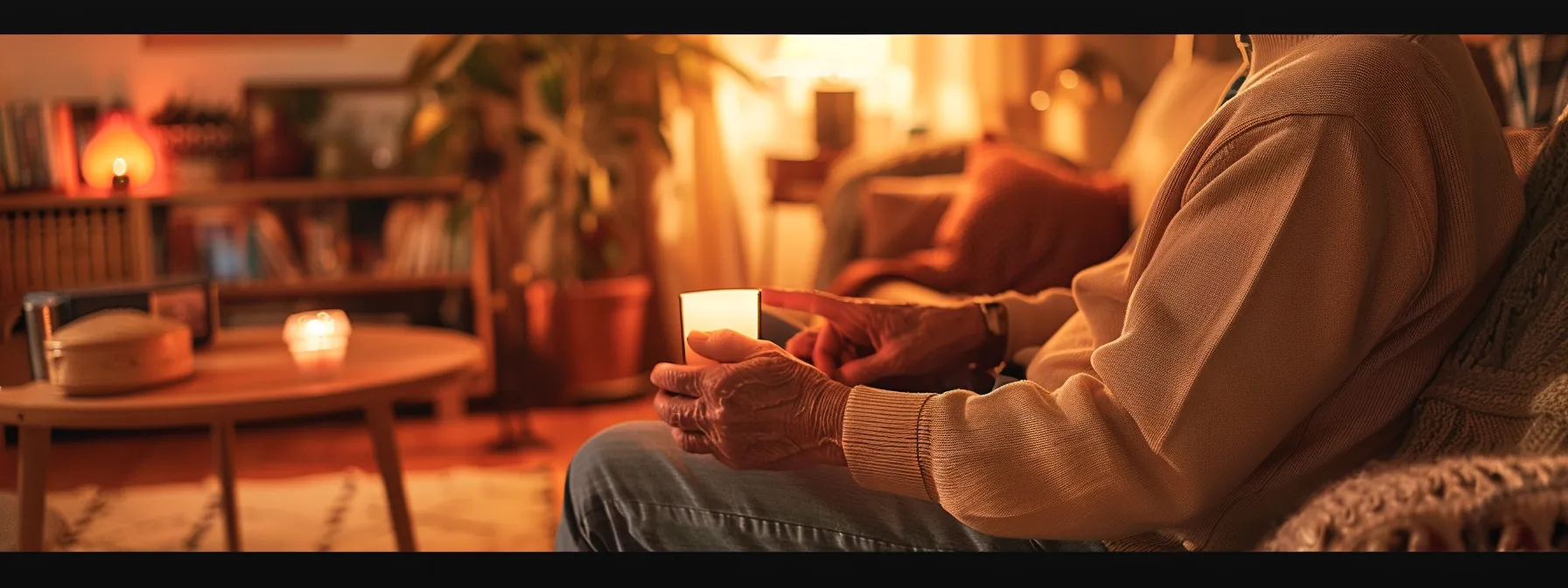
in a cozy living room, an older person activates a panic button on their smart home system, surrounded by seamless automation features and security devices.

When planning your smart home integration, I emphasize prioritizing essential smart features tailored for older people, such as panic buttons for safety. Selecting compatible smart home platforms ensures seamless automation, while consulting professionals facilitates smooth transitions for installations. Lastly, setting a budget for upgrades helps manage costs effectively, ensuring a practical approach to enhancing convenience and security in your home.

Prioritizing Essential Smart Features for Your Needs

When prioritizing essential smart features for your home, I consider tools that truly enhance safety and convenience, particularly for older adults. Incorporating smart devices that monitor blood pressure and provide timely reminders can significantly ease daily health management, while virtual assistant integrations allow for hands-free control and improved user interface for those with mobility challenges. By focusing on practical features that address potential scams, I can ensure that my loved ones have a secure and supportive living environment:

Smart FeaturesKey BenefitsConsiderations
Health Monitoring DevicesReal-time tracking of vital signs like blood pressure.Look for user-friendly models designed for older users.
Virtual AssistantsHands-free control of devices and reminders.Ensure compatibility with existing appliances.
Smart Emergency ButtonsImmediate access to help in case of a fall or emergency.Choose models that are simple to use and reliable.

Selecting Compatible Smart Home Platforms

When selecting compatible smart home platforms for elderly care, I focus on systems that seamlessly integrate with existing devices while enhancing home care. I prioritize platforms that offer features such as weight monitoring and cognitive support tools, as these can significantly improve the quality of life for older individuals. Ensuring that these technologies are user-friendly and accessible helps address common concerns, allowing families to provide better support and care for their loved ones.

Consulting Professionals for a Smooth Transition

Consulting professionals during the smart home integration process is critical for ensuring a smooth transition, especially for those aging in place. I recommend working with experts who can assess your needs and recommend solutions such as fingerprint access for locks or upgraded smoke detectors that enhance safety without compromising accessibility. Installing devices like smart stoves that offer additional safety features can provide peace of mind, allowing individuals to live independently while receiving the support they need.

Setting a Budget for Upgrades and Installations

When setting a budget for upgrades and installations in older homes, I focus on balancing the benefits of innovation with the need for autonomy and safety. Prioritizing essential devices like smart thermostats and health monitoring tools ensures that the investment directly enhances daily living, especially for those managing vital signs through remote patient monitoring. A realistic budget allows for selecting quality products and professional installation, delivering both peace of mind and a seamless integration of technology into the home:

Budget ItemEstimated CostKey Considerations
Smart Thermostat$100 – $250Choose models with user-friendly interfaces.
Health Monitoring Devices$50 – $300Consider devices that provide remote access to vital signs.
Professional Installation$75 – $200 per hourEnsure technicians are experienced with smart home technology.

Retrofitting Techniques for Seamless Integration
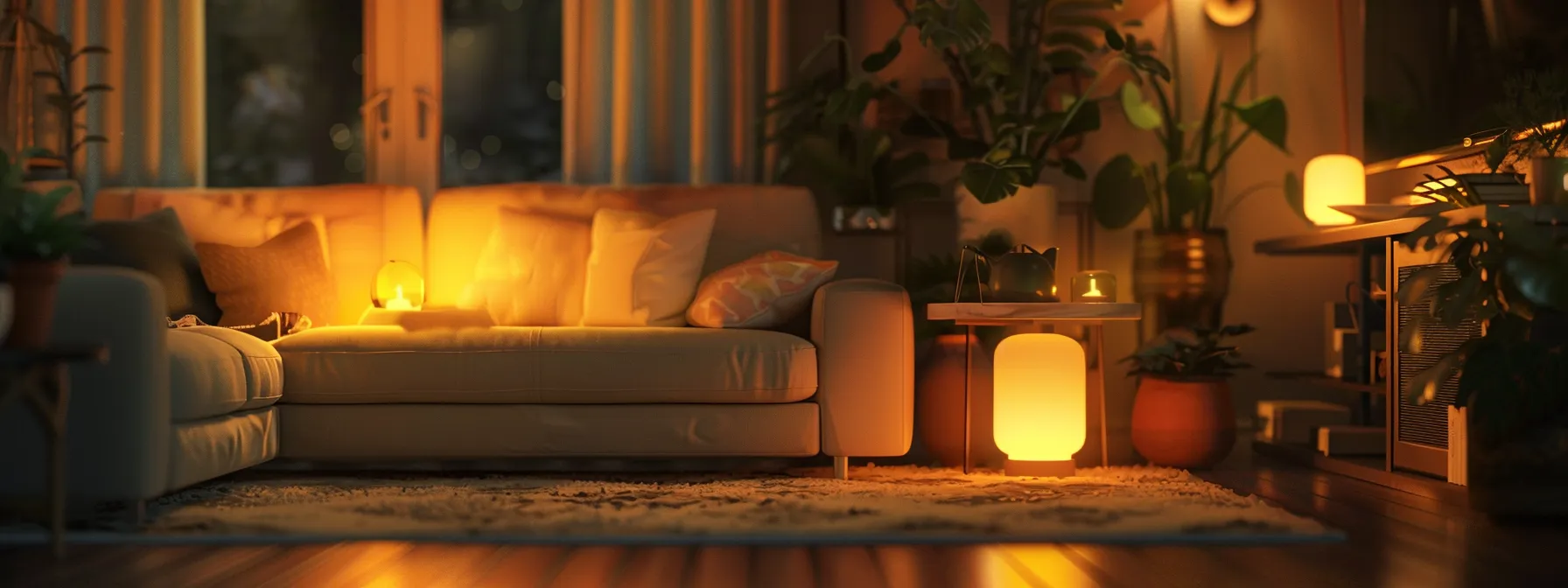
a cozy living room with modern smart bulbs softly illuminating the space, seamlessly integrated into an older home setting.

Utilizing wireless solutions can significantly minimize renovations while integrating smart home technology into older homes. I explore implementing smart plugs and retrofit devices, incorporating voice-controlled assistants for enhanced accessibility, and upgrading lighting with smart bulbs and switches to improve welfare and mental health. Each of these techniques addresses potential risks, providing a more convenient and secure living environment, particularly for those in nursing homes.

Utilizing Wireless Solutions to Minimize Renovations

Utilizing wireless solutions is an effective strategy to integrate smart home technology into older homes without extensive renovations. For instance, devices like the Nest thermostat and smart speakers can be easily installed to provide comfort and convenience while requiring minimal alterations to existing structural elements. This approach not only adheres to current technical standards but also meets consumer demands for accessible and efficient technologies that accommodate daily behaviors.

  • Identify key areas needing smart technology.
  • Select wireless devices that enhance convenience.
  • Minimize disruptions during installation.
  • Focus on user-friendly interfaces for older adults.

Implementing Smart Plugs and Retrofit Devices

Implementing smart plugs and retrofit devices is an excellent way to enhance the convenience of older homes while integrating smart technology. By using wireless smart plugs, I can turn standard appliances into smart machines, allowing for better control and energy efficiency without needing significant renovations. For example, I often recommend devices compatible with HomePod, which can help manage health-related tasks for individuals dealing with chronic diseases, ensuring a smoother daily routine while providing peace of mind for caregivers:

  • Upgrade non-smart devices with wireless smart plugs.
  • Consider HomePod-compatible devices for simple control.
  • Focus on user-friendly installations to minimize disruptions.

Incorporating Voice-Controlled Assistants

Incorporating voice-controlled assistants like Amazon Echo into older homes significantly enhances daily living. These devices not only support physical therapy routines through guided exercises but also allow users to manage stress by playing soothing music or meditations with simple commands. Additionally, integrating these assistants with a home security system offers peace of mind, enabling quick access to emergency services or monitoring through voice requests, which can be particularly beneficial for those managing weight loss programs or other health routines.

Upgrading Lighting With Smart Bulbs and Switches

Upgrading lighting with smart bulbs and switches is a practical way to enhance comfort and energy efficiency in older homes. These devices can be easily controlled via a mobile app, allowing users to adjust brightness levels or set schedules without the need for complicated installations. For instance, I find that using smart lighting not only improves the perception of space but also helps maintain the oxygen saturation levels of residents by ensuring optimal lighting for daily activities.

FeatureBenefitsConsiderations
Smart BulbsEnergy-efficient, customizable brightness, remote control via mobile app.Ensure compatibility with existing fixtures and electrical systems.
Smart SwitchesControl multiple fixtures, schedule lighting, integrate with home security.Professional installation may be necessary for older wiring.
Voice ActivationHands-free operation for convenience and ease of use.Check compatibility with existing voice assistants.

Overcoming Common Obstacles in Older Homes

a modern smart thermostat blending seamlessly with a vintage wall, showcasing the balance between technology and aesthetics in an older home.

Addressing issues like signal interference from thick walls is essential for the usability of smart devices. I focus on safely upgrading outdated wiring and hardware to support modern security systems, ensuring they meet safety standards for carbon monoxide detection. Enhancing security without compromising aesthetics is also a priority, along with improving energy efficiency using smart thermostats controlled via a mobile device.

Addressing Signal Interference From Thick Walls

Addressing signal interference from thick walls is a critical aspect I focus on when integrating smart home technology in older homes. These structural elements can hamper connectivity, making it challenging to access telehealth services, medication reminders, or even entertainment systems. For effective solutions, I often recommend using mesh Wi-Fi systems, which enhance coverage and ensure seamless access to vital therapy and assisted living features throughout the home, thus improving the overall quality of life for residents.

Safely Upgrading Outdated Wiring and Hardware

When upgrading outdated wiring and hardware in older homes, I emphasize the importance of ensuring safety and compatibility with smart devices. For instance, I often find that homes equipped with smart doorbells or an Amazon Echo Show benefit significantly from having modern electrical systems capable of supporting these technologies. Addressing these upgrades is especially crucial for residents experiencing mild cognitive impairment, as reliable technology can greatly enhance their daily living experience and overall safety.

  • Assess the current state of electrical wiring.
  • Ensure compatibility with smart devices like doorbells and displays.
  • Focus on safety improvements to support the needs of geriatrics.

Enhancing Security Without Compromising Aesthetics

Enhancing security while preserving the aesthetic appeal of older homes is a challenge I often face. Utilizing cloud computing solutions for surveillance systems allows me to install discreet cameras that effectively monitor properties without being visually intrusive. By implementing smart locks that support remote control, I can ensure easy access for first responders in emergencies while maintaining the architectural integrity valued by organizations like AARP, all while also ensuring that features such as carbon monoxide detectors are seamlessly integrated into the design.

Improving Energy Efficiency With Smart Thermostats

Improving energy efficiency with smart thermostats is a significant step in upgrading older homes while addressing common challenges. I often find that these devices not only help regulate temperature effectively, but also integrate seamlessly with home security systems, allowing for enhanced automation. For instance, during cooking, a smart thermostat can adjust the temperature settings based on the household’s activity level, ensuring comfort without excessive energy use. Additionally, implementing authentication features ensures that only authorized users can modify settings, making it a secure option for those managing a chronic condition where consistent environmental controls are vital for well-being.

Preserving Aesthetics While Modernizing
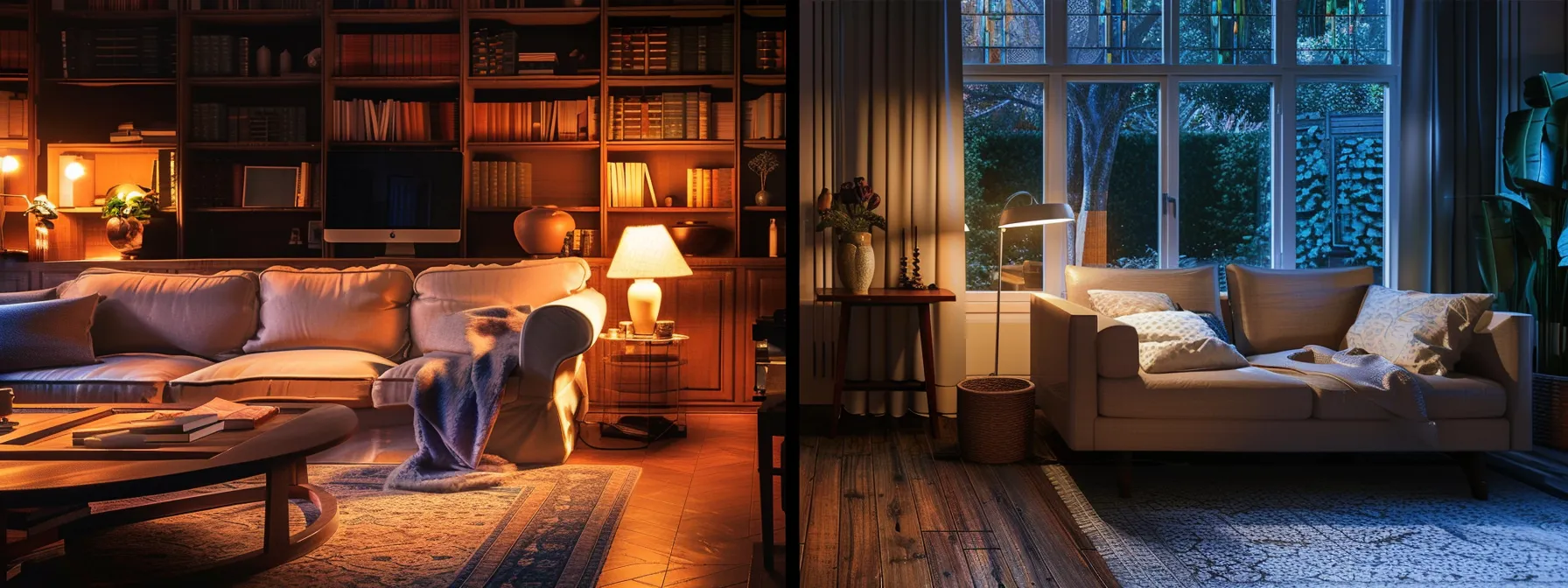
a cozy living room with antique furniture enhanced by discreet philips hue and google nest smart devices seamlessly blending in with the traditional decor.

To effectively integrate smart home technology in older homes without compromising their charm, I focus on choosing discreet and minimalist smart devices like Philips Hue and Google Nest. Customizing the appearance of these gadgets to match existing décor and properly concealing wires and hardware are crucial steps. Balancing historical integrity with modern convenience enhances functionality, particularly in areas like disease management or automating tasks with devices like vacuum cleaners.

Choosing Discreet and Minimalist Smart Devices

When I recommend smart devices for older homes, I prioritize discreet and minimalist options to enhance aesthetics without sacrificing functionality. For example, a robotic vacuum cleaner can effectively maintain cleanliness while blending seamlessly into the environment. Devices such as smart humidity sensors and garage door openers can be integrated into existing structures, providing assistive technology that supports health care needs without overwhelming the visual appeal of the home.

Customizing Device Appearance to Match Decor

When I assist caregivers in modernizing older homes, I emphasize the importance of customizing device appearance to match existing decor. For instance, selecting a smart thermostat that complements traditional aesthetics or concealing wires associated with emergency response systems not only preserves the home’s charm but also enhances functionality. By ensuring that smart devices blend seamlessly with the decor, I help create an environment that retains its historical integrity while benefiting from the intelligence and convenience of modern technology.

Concealing Wires and Hardware Appropriately

Concealing wires and hardware is essential for maintaining the aesthetics of older homes while integrating modern smart home technology. For instance, I often recommend routing cables through walls or using wire moldings that blend with existing decor, ensuring that devices like medical alert systems and smart ovens do not disrupt the visual appeal. Additionally, using discreet button panels for emergency response can enhance functionality without compromising the home’s charm, allowing for both safety and style while encouraging physical activity within the space.

Balancing Historical Integrity With Modern Convenience

Balancing historical integrity with modern convenience involves selecting smart home technology that respects the unique character of older homes while enhancing their functionality. For example, I often recommend using discreet motion-activated surveillance cameras that blend seamlessly into the home’s architecture, ensuring safety without detracting from aesthetic appeal. Additionally, upgrading to smart bulbs allows for efficient lighting control, improving the quality of life for residents, particularly those utilizing Medicare Advantage who require a focus on health and safety within their living environment.

Maximizing the Benefits of Smart Technology
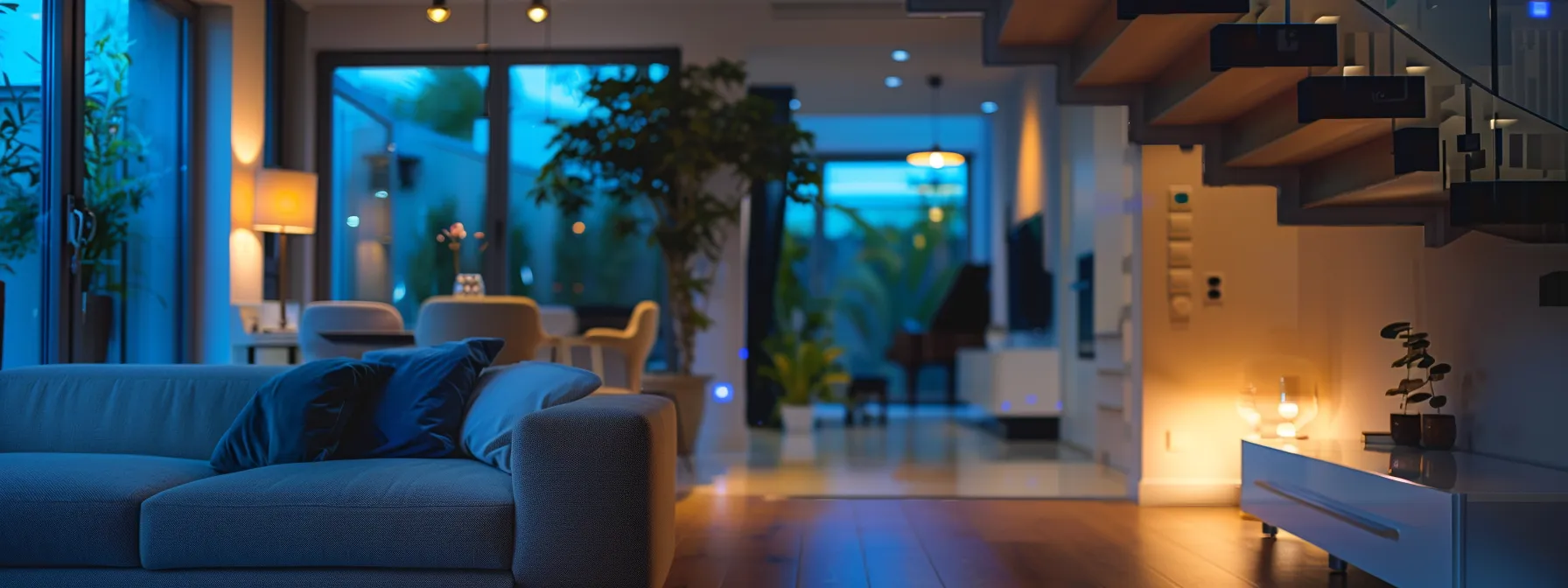
a modern, sleek smart home control panel managing lights, security system, and energy usage, showcasing the benefits of smart technology integration in older homes.

Enhancing safety and security measures is crucial when integrating smart home technology. I also focus on simplifying daily tasks through automation, allowing for a more convenient lifestyle. Monitoring energy usage can reduce costs significantly, while smart upgrades can increase property value. Each of these aspects contributes to maximizing the benefits of technology in older homes, making them more functional and appealing.

In the following sections, I will explore practical strategies for improving safety and efficiency, highlighting how Brothers Bloom can support homeowners in navigating these enhancements effectively.

Enhancing Safety and Security Measures

Enhancing safety and security measures in older homes with smart technology is critical for peace of mind. I recommend installing smart locks that allow homeowners to control access remotely, providing an added layer of security against potential intruders. Additionally, integrating security cameras with motion detection helps to monitor activities around the home, ensuring a swift response to any unusual activity, which is especially important for those who may feel vulnerable in their living environment.

Simplifying Daily Tasks Through Automation

Simplifying daily tasks through automation in older homes greatly enhances convenience and efficiency. I find that utilizing smart technology, such as automated lighting systems and programmable thermostats, allows residents to manage their environments with minimal effort. For instance, I often recommend integrating voice-controlled assistants to schedule daily activities, like reminding individuals to take their medication or adjusting the temperature for comfort, which significantly reduces routine stress and enhances overall well-being:

  • Implement smart lighting that turns on and off based on occupancy.
  • Use programmable thermostats to maintain optimal temperatures effortlessly.
  • Set up voice-controlled reminders for important daily tasks.

Monitoring Energy Usage to Reduce Costs

Monitoring energy usage in older homes is a vital step toward reducing costs and improving efficiency. I often utilize smart plugs and smart energy monitors to track energy consumption in real-time, allowing me to identify appliances that consume excessive power. By making informed adjustments based on usage data, such as scheduling high-energy devices for off-peak hours, homeowners can save money while contributing to a more sustainable environment.

Increasing Property Value With Smart Upgrades

Increasing property value through smart upgrades is an effective strategy I recommend for homeowners looking to enhance their older homes. Smart features such as energy-efficient thermostats, advanced security systems, and automated lighting not only improve the living experience but also make the property more appealing to potential buyers. By investing in these technologies, I find that the overall marketability of a home increases, giving owners a competitive edge in the real estate market while providing a modern touch to a classic property.

Conclusion

Seamless integration of smart home technology in older homes enhances safety, convenience, and overall quality of life for residents. By assessing electrical systems, evaluating Wi-Fi connectivity, and considering historical preservation guidelines, homeowners can successfully implement modern devices without compromising the integrity of their properties. Prioritizing essential features tailored for older adults fosters independence while addressing health management needs. Embracing these technologies not only boosts property value but also transforms aging homes into secure, functional spaces that meet contemporary demands.
Upgrading Older Homes With Smart Home Technology: A Seamless Integration Guide

Upgrading Older Homes With Smart Home Technology: A Seamless Integration Guide Upgrading older homes with smart home technology may seem daunting, but it doesn’t have to be. Surprisingly, a significant percentage of homeowners feel overwhelmed when faced with

Upgrading Older Homes With Smart Home Technology: A Seamless Integration Guide

Upgrading older homes with smart home technology may seem daunting, but it doesn’t have to be. Surprisingly, a significant percentage of homeowners feel overwhelmed when faced with integrating new devices like sensors and smart assistants such as Amazon Alexa into traditional settings. This guide will help you navigate common challenges by covering essential topics like selecting the right devices, ensuring minimal disruption during installation, and maintaining your home’s aesthetic. By following these steps, you’ll gain the confidence needed to enhance your living space, address issues such as leaks, and improve efficiency, ultimately enriching your home’s functionality.

Understanding the Challenges of Integrating Smart Tech Into Older Homes

a vintage home with exposed wiring, outdated devices, and limited connectivity, highlighting the challenges of integrating smart technology.

Integrating smart technology into older homes presents several challenges. First, I’ll assess the current electrical infrastructure, as older systems may not support modern demands. Then, I’ll identify compatibility issues with existing devices, including doorbells and pill dispensers. Structural limitations also play a role, alongside ensuring Wi-Fi connectivity throughout the home while addressing specific security concerns related to ageing buildings.

Assessing the Current Electrical Infrastructure

When I assess the current electrical infrastructure of older homes, I often find that outdated wiring can be a significant challenge to integrating smart home technologies. Many older systems aren’t designed to handle the demands of the internet of things, which can lead to issues with device functionality and performance. Additionally, ensuring reliable power for smart devices, particularly for elderly individuals with cognitive impairment, is crucial for enhancing adherence to health routines, such as blood pressure monitoring, which family caregivers may need to manage effectively in these homes.

Identifying Compatibility Issues With Existing Systems

When integrating smart technology into older homes, I frequently encounter compatibility issues with existing systems. For example, older door locks may not easily sync with smart locks or voice assistants like Google Assistant, which can lead to frustration and reduced functionality. Furthermore, it’s important to consider how these systems can support daily activities of daily living for elderly residents, especially in managing health metrics such as heart rate or fatigue levels, ensuring that technology serves a practical purpose in their lives.

Overcoming Structural Limitations

Overcoming structural limitations in older homes can be daunting, but it’s essential for effective smart home integration. I’ve found that enhancing door accessibility with smart locks or incorporating motion detection systems can significantly improve safety and convenience. For example, pairing motion sensors with smart medical alert systems can ensure that individuals, including those with dementia, receive timely assistance or reminders for health monitoring tasks like checking blood pressure, which can contribute to better sleep and overall well-being.

Ensuring Wi-Fi Connectivity Throughout the Home

Ensuring reliable Wi-Fi connectivity throughout an older home is often one of the more pressing challenges I face when integrating smart technology. Many times, I find that the layout and structure of these homes can create dead zones where signal strength is weak. To address this issue, I recommend using a smart home hub that can distribute the Wi-Fi signal effectively, or employing a handyman to install additional access points. This approach not only enhances the performance of devices like touchscreen interfaces but also improves the overall safety and convenience for residents, especially those with disabilities who rely on technology for daily support.

Addressing Security Concerns Specific to Older Buildings

Addressing security concerns in older buildings, especially for older people, requires careful consideration of both physical and smart technology barriers. One effective solution I’ve implemented is the installation of panic buttons in critical areas, such as the bathroom, where falls are more likely to occur. This integration of automation not only enhances safety but also aligns with medicare requirements to promote independent living, ensuring that help can be summoned quickly if needed.

Selecting the Right Smart Home Devices for Traditional Settings

a vintage-style smart thermostat seamlessly integrated into a traditional victorian home's elegant interior.

Choosing the right smart home devices for older homes involves a careful balance between functionality and aesthetics. I focus on selecting devices that seamlessly blend with classic interiors while prioritizing essential upgrades that make an immediate impact. Evaluating compatibility with existing systems ensures longevity and integration, while budget-friendly options make smart technology accessible. Finally, considering energy efficiency aligns with sustainable practices, creating a cohesive environment that enriches everyday living.

Choosing Smart Devices That Blend With Classic Interiors

When I choose smart devices for older homes, I prioritize options that harmonize with traditional interiors while addressing the needs of elderly care. For instance, selecting smart thermostats that resemble classic designs can enhance comfort without compromising style. I also recommend integrating weight monitoring scales that provide health data in a user-friendly format, which can support home care for seniors by fostering cognition and promoting independence in managing their health.

Prioritizing Essential Smart Upgrades for Immediate Impact

When upgrading older homes, I prioritize essential smart upgrades that provide immediate impact, particularly for aging in place. For instance, installing smart smoke detectors enhances safety, alerting residents more effectively than traditional options. Additionally, incorporating fingerprint-enabled smart locks improves accessibility, allowing easier entry while maintaining security, which is crucial for those requiring assistance. Upgrading to smart stoves further enhances convenience in the kitchen, as these can be controlled remotely, ensuring that meals are prepared safely and effectively.

  • Install smart smoke detectors for enhanced safety.
  • Incorporate fingerprint-enabled smart locks for improved accessibility.
  • Upgrade to smart stoves for convenience in meal preparation.

Evaluating Device Compatibility and Future-Proofing

When I evaluate device compatibility for older homes, I focus on how well new technology can seamlessly integrate with existing systems. For instance, incorporating a smart thermostat requires ensuring that it can work alongside any current heating or cooling systems without conflicts. Additionally, I consider future-proofing by selecting devices that can adapt to innovations, such as remote patient monitoring systems, which can track vital signs and provide the autonomy needed for elderly residents to maintain their independence.

  • Assess existing systems for compatibility with smart devices.
  • Choose technology that adapts to future innovations.
  • Incorporate solutions that enhance autonomy for seniors.

Budget-Friendly Options for Beginners

When I consider budget-friendly options for integrating smart home technology into older homes, I often recommend devices that enhance both welfare and mental health without breaking the bank. For instance, affordable smart vacuum systems can help maintain clean living spaces, reducing the risk of falls due to clutter. Additionally, simple smart health monitoring devices are accessible and can greatly contribute to the overall well-being of seniors, making it easier for them to remain independent in their own homes rather than transitioning to a nursing home.

Considering Energy Efficiency and Sustainability

When I consider energy efficiency and sustainability in the context of upgrading older homes, selecting devices that meet modern technical standards is essential. For instance, integrating a Nest thermostat can significantly optimize heating and cooling behaviors, providing both convenience and cost savings for consumers. Additionally, using smart speakers can facilitate energy management by allowing voice-activated control of various devices, allowing residents to seamlessly adjust their energy consumption to promote sustainability.

DevicePurposeBenefits
Nest ThermostatOptimize heating and coolingCost savings, energy efficiency
Smart SpeakerControl various devicesConvenience, energy management

Step-by-Step Guide to Installing Smart Systems in Older Homes

transforming an outdated living room into a sleek, modern smart home hub with voice-activated lighting, climate control, and security systems.

In this guide, I will walk you through the step-by-step process of installing smart systems in older homes. We’ll begin by planning your smart home upgrade project, ensuring an organized approach. Next, I’ll cover prepping your home for installation, followed by installing wireless smart lighting solutions that enhance convenience. Then, we’ll set up smart thermostats and climate control, and finally, I’ll guide you through integrating smart security systems to protect your home effectively. Each step is crucial for creating a seamless and functional smart home environment.

Planning Your Smart Home Upgrade Project

When planning your smart home upgrade project, it’s essential to consider the specific needs of the residents, especially those who may require physical therapy or have specific health goals like weight loss. For example, integrating devices like the Amazon Echo not only enhances home automation but can also provide reminders for physical activities that alleviate stress. Additionally, laying out a comprehensive plan for a home security system can ensure peace of mind, as it enhances both safety and accessibility for aging residents, helping them maintain their independence while staying connected to their support network.

Prepping Your Home for Installation

Prepping your home for the installation of smart systems starts with a comprehensive assessment of your current infrastructure. I recommend checking your electrical outlets and wiring to ensure they can support the energy demands of smart devices, which is crucial for reliable performance. Additionally, understanding how the devices will be controlled through a mobile app can enhance your knowledge and perception of the overall setup, while monitoring aspects like oxygen saturation in health-focused systems requires clear communication on how these technologies will integrate into your daily routines.

Installing Smart Lighting Solutions

Installing smart lighting solutions in older homes can significantly enhance usability while contributing to improved safety. I recommend starting by researching compatible smart bulbs that can seamlessly integrate with existing fixtures without requiring extensive rewiring. By connecting the lighting to a mobile device, residents can easily control their home’s ambiance, even allowing integration with security systems to ensure lights automatically activate during suspicious activities, which is particularly useful for elderly residents concerned with safety regarding potential threats, including carbon monoxide alarms that reinforce peace of mind:

  • Research compatible smart bulbs for existing fixtures.
  • Connect lighting to a mobile device for easy control.
  • Integrate with security systems for enhanced safety.
  • Consider carbon monoxide alarms to address safety concerns.

Setting Up Smart Thermostats and Climate Control

Setting up smart thermostats for climate control in older homes requires careful attention to compatibility and functionality. I recommend choosing devices that can integrate with existing heating and cooling systems without requiring major modifications. By utilizing these thermostats, residents can manage their environments efficiently, which not only enhances comfort but also supports telehealth measures by allowing users to control temperatures that promote optimal conditions for therapy sessions and medication adherence, creating a more conducive atmosphere for assisted living and daily entertainment activities.

Integrating Smart Security Systems

Integrating smart security systems in older homes is a vital step, especially for residents in geriatrics who may deal with challenges like mild cognitive impairment. I often recommend installing a smart doorbell paired with an Amazon Echo Show, which not only enhances security but also allows residents to see and communicate with visitors from anywhere in the home, fostering a sense of safety and independence. By setting up these smart devices, families can enjoy peace of mind, knowing that their loved ones are better protected without complicating their daily routines.

Wireless Solutions for Minimal Home Disruption

a modern smart home setup with wireless devices seamlessly integrated, demonstrating minimal disruption and maximum convenience.

In upgrading older homes with smart home technology, leveraging wireless solutions is essential for minimizing disruption. I emphasize the benefits of wireless smart systems, such as the ease of installation and improved flexibility of remote control. I will guide you on choosing the best wireless protocols, implementing smart plugs and sensors, utilizing smart hubs for seamless control, and tips for enhancing wireless signal strength. These insights will address concerns like security and energy efficiency, vital for both family members and first responders, with additional focus on AARP recommendations for older adults.

Benefits of Wireless Smart Systems

Wireless smart systems offer a flexible and unobtrusive solution for upgrading older homes, addressing key needs like home security and daily convenience. For instance, a smart camera can be easily installed without the need for invasive wiring, providing peace of mind for those concerned about safety. Additionally, these systems can also aid individuals managing chronic conditions by utilizing smart appliances for cooking, ensuring they have healthy meals prepared without hassle, all while simplifying the authentication process for accessing their devices securely.

  • Flexible installation without invasive wiring
  • Enhanced home security with smart cameras
  • Support for chronic condition management with smart cooking appliances
  • Simplified authentication for secure access to devices

Choosing the Best Wireless Protocols for Your Home

When I choose the best wireless protocols for upgrading older homes, I focus on how well each option supports the unique needs of the residents. For instance, Philips Hue lighting is a fantastic option for easy integration and remote control, allowing users to adjust their home’s ambiance effortlessly. Similarly, using Google Nest devices can enhance disease management efforts by facilitating communication with healthcare professionals through voice commands, while smart vacuum cleaners help maintain cleanliness without additional effort from patients.

Wireless ProtocolFeaturesBenefits
Philips HueSmart lighting controlEasy integration and remote access
Google NestVoice-activated assistanceImproves disease management
Smart Vacuum CleanerAutomated cleaningMaintains cleanliness effortlessly

Implementing Smart Plugs and Wireless Sensors

When implementing smart plugs and wireless sensors in older homes, I focus on enhancing convenience and safety for residents. For example, smart plugs can control devices like robotic vacuum cleaners, allowing for automated cleaning without the need for physical effort. Additionally, using wireless sensors to monitor humidity levels can help create a comfortable living environment, while also supporting health care needs by notifying caregivers about any significant changes in the home atmosphere.

Using Smart Hubs for Seamless Device Control

When I implement smart hubs for older homes, I find that they significantly simplify how residents manage various devices, including thermostats and emergency response systems. These hubs eliminate the need for extensive wiring, providing a streamlined solution that enhances intelligence and communication across devices. For caregivers, this integration enables quick access and control over home environments, ensuring that the needs of elderly residents are met efficiently, especially in emergency situations where every second counts.

Tips for Enhancing Wireless Signal Strength

To enhance wireless signal strength in older homes, I recommend strategically placing wireless routers and access points in central locations, away from thick walls or metal appliances like ovens that can interfere with the signal. Additionally, using Wi-Fi extenders can help eliminate dead zones, ensuring that vital devices such as medical alert systems maintain connectivity during emergencies. Regularly checking signal strength and adjusting the placement of devices based on physical activity patterns can also optimize performance, ensuring that buttons for alerts or reminders function reliably throughout the home.

Maintaining the Aesthetics of Older Homes While Upgrading

a vintage living room with seamlessly integrated smart devices blending into the classic decor.

To maintain the aesthetics of older homes while upgrading with smart technology, I focus on various strategies. Concealing smart devices ensures a cohesive look, while incorporating tech into vintage décor allows functionality without compromising style. Customizing smart controls to match interior design and retrofitting traditional fixtures with smart capabilities enhances usability. I’ll also share examples of tasteful integrations that improve quality of life, such as motion and surveillance options, which can be essential for elderly care, in line with Medicare Advantage requirements.

Concealing Smart Devices for a Cohesive Look

When integrating smart devices into older homes, I emphasize the importance of concealing these technologies to maintain a cohesive and appealing aesthetic. One practical approach I’ve used is to hide smart speakers within existing décor, allowing them to blend seamlessly with traditional furnishings. Additionally, smart plugs can be tucked away behind furniture, preserving the vintage charm of the home while providing modern functionality. The Brothers Bloom has inspired me to think creatively about these enhancements, ensuring that upgrades do not detract from the enduring beauty of older architectural styles:

DeviceConcealment MethodBenefits
Smart SpeakerIncorporate into existing décorMaintains aesthetic appeal
Smart PlugsPosition behind furniturePreserves vintage charm

Incorporating Smart Tech Into Vintage Décor

Incorporating smart technology into vintage décor can create a harmonious blend of modern functionality and classic aesthetics. I often recommend selecting devices that mimic traditional designs, such as smart lighting fixtures that resemble antique lamps or vintage-style smart thermostats that align with the home’s character. This approach allows homeowners to enjoy the benefits of smart home integration without compromising the unique charm of their older spaces.

DeviceVintage Style OptionBenefits
Smart Light FixtureAntique-Look LampEnhances ambiance while offering modern control
Smart ThermostatClassic-Design ThermostatCombines style with energy efficiency

Customizing Smart Controls to Match Interior Design

When customizing smart controls to match the interior design of older homes, I focus on selecting interfaces that harmonize with existing aesthetics while providing modern functionality. For example, I often recommend touchscreen panels and smart home apps that can be styled to reflect traditional designs or colors, ensuring they feel like a natural part of the environment. This approach not only enhances usability for residents but also maintains the home’s charm, allowing technology to integrate seamlessly without compromising its character.

Retrofitting Traditional Fixtures With Smart Capabilities

Retrofitting traditional fixtures with smart capabilities allows homeowners to embrace modern technology while preserving the unique character of older homes. In my experience, replacing standard light switches with smart dimmers can enhance lighting control without altering the aesthetic of vintage fixtures. By incorporating smart controls, such as voice-activated assistants or retrofit solutions for classic-style lamps, I find that residents can enjoy convenience and efficiency while maintaining the charm and appeal of their beloved spaces.

Examples of Tasteful Smart Home Integrations

One effective way I incorporate smart home technology into older homes is by selecting devices that enhance functionality while complementing classic aesthetics. For instance, I often recommend smart light fixtures that mimic the design of antique lamps, allowing homeowners to enjoy modern control without sacrificing the charm of their interior spaces. Additionally, using smart thermostats designed with vintage-inspired appearances ensures that the seamless blend of technology and tradition maintains the distinctive character of older homes.

Maximizing Benefits and Future-Proofing Your Smart Home

a modern smart home system seamlessly integrated into a vintage house, with sleek devices and efficient technology enhancing the living experience.

To maximize the benefits of integrating smart home technology into older homes, I focus on routine maintenance and software updates to ensure systems function efficiently. Expanding your smart home system over time involves preparing for new technologies and standards. It’s essential to educate household members on the use of smart devices and leverage smart home data for improved living conditions, making the experience more beneficial for everyone.

Routine Maintenance and Software Updates

Routine maintenance and software updates are critical for maximizing the benefits of smart home technology in older homes. I regularly advise homeowners to schedule updates for their devices to enhance functionality and security. By keeping software current, I can help ensure that smart systems operate smoothly and effectively, minimizing disruptions and maximizing usability, particularly for those who rely on technology for daily living.

Expanding Your Smart Home System Over Time

Expanding your smart home system over time is a practical approach that allows me to enhance functionality without overwhelming the existing infrastructure of older homes. I often recommend starting with a few essential devices and gradually adding more as needs grow or technology advances. For instance, beginning with smart lighting or security cameras can provide immediate benefits, while future additions like smart thermostats or advanced medical alert systems can be integrated seamlessly later on, ensuring a budget-friendly and manageable upgrade process.

  • Start with essential devices like smart lighting or security cameras.
  • Gradually add new devices as needs change or technology improves.
  • Ensure that new systems are compatible with existing infrastructure.

Preparing for New Technologies and Standards

When preparing for new technologies and standards in smart home integration for older homes, I focus on staying informed about emerging innovations that could enhance reliability and performance. It’s vital to consider devices that not only meet current needs but can also adapt to future advancements. For instance, investing in smart devices that are compatible with new Wi-Fi standards ensures that the smart home will remain functional and efficient as technology continues to evolve:

  • Research emerging technologies that enhance smart home systems.
  • Prioritize devices that are compatible with upcoming standards.
  • Choose solutions that can seamlessly integrate with future innovations.

Educating Household Members on Smart Tech Use

Educating household members about the use of smart technology is essential for maximizing the benefits of smart home upgrades in older homes. I prioritize creating straightforward guides and hands-on demonstrations that clarify how to operate devices like smart thermostats and security systems, as many residents may feel overwhelmed by new technology. By fostering an inclusive environment where everyone feels comfortable asking questions, I ensure that users of all ages can seamlessly integrate these tools into their daily routines, ultimately enhancing their quality of life and independence.

Leveraging Smart Home Data for Improved Living

Leveraging smart home data greatly enhances the living experience for residents in older homes. By integrating devices that monitor energy usage, I can help homeowners identify patterns and adjust their consumption, resulting in significant savings. For example, smart thermostats provide analytics on heating and cooling habits, allowing users to fine-tune settings for optimal comfort and efficiency, especially important for maintaining a conducive environment for seniors or those with health considerations.

Conclusion

Upgrading older homes with smart home technology significantly enhances safety, convenience, and efficiency for residents, particularly seniors. A thorough assessment of electrical infrastructures and careful selection of compatible devices ensure seamless integration while maintaining the home’s aesthetic charm. By prioritizing essential upgrades and leveraging wireless solutions, homeowners can create environments that support independent living and improve quality of life. Embracing these smart technologies not only future-proofs homes but also empowers residents to thrive in their everyday routines.