The Brothers Bloom
General Contractors Bringing you the Best Tips for Construction, Home Ownership, Investing and More

Day: December 9, 2021

How a Whole-Home Generator Can Help Keep Your Home Running Well

Regardless of where you live, you need a source of power to provide heating and cooling, power the lights and appliances, and have basic conveniences throughout your home. While there is a growing interest in what is commonly referred to as living off-grid, th

Regardless of where you live, you need a source of power to provide heating and cooling, power the lights and appliances, and have basic conveniences throughout your home. While there is a growing interest in what is commonly referred to as living off-grid, there are many practical things you need to consider to ensure you still have everything you need.

Freedom From the Power Grid
img

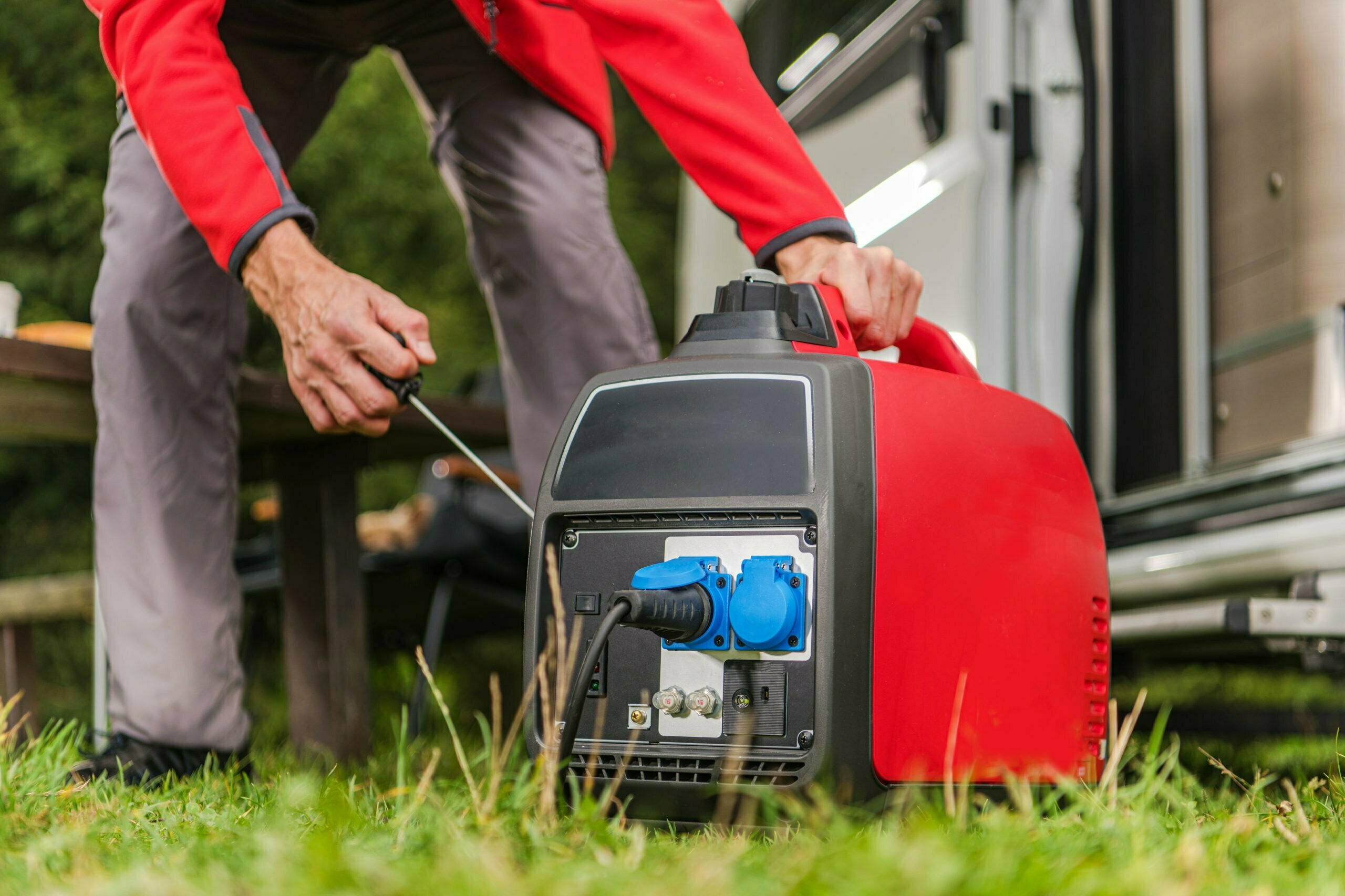
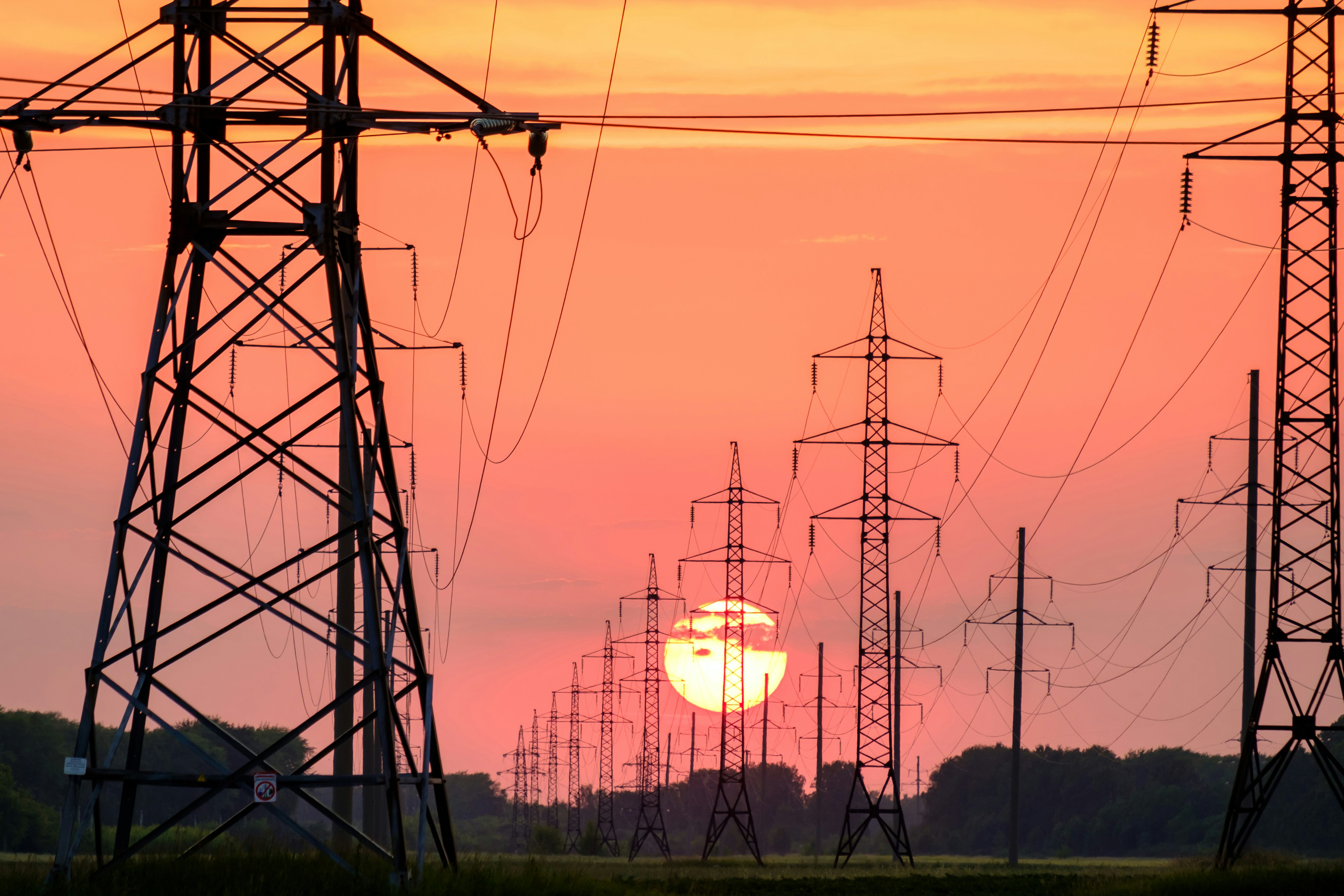
Using a generator to provide power to your house allows you to have all the amenities you need without relying on the power grid. That gives you more control over what you spend on your energy costs, and it means you don’t have to worry about the power grid failing. As a homeowner, you need to have a backup plan for when the electricity goes out so you don’t lose all of your food and the ability to get through your normal daily activities.

A whole-home generator can help keep your home running well. You won’t have to worry about your refrigerant, freezer, or air conditioner stopping in the middle of the summer or your heat going out when it’s below freezing. Too often, when there are natural disasters, people are left without power for days or even weeks, and they are at a loss on how to survive. When there is an extended power outage, you’ll be able to maintain your normal daily activities.

Full Capacity

img

A whole-home generator is designed to support the needs of an entire house. You can use a generator in conjunction with a solar power system as well to ensure consistent needed power instead of relying on the electric company for the consistent power when needed. When buying a generator, you’ll need to speak with a professional about the size of your home to determine what size generator will work best for you and your family. Also, let your professional know if you are using it in conjunction with a solar power system, as the needs may vary.

Several Options
img

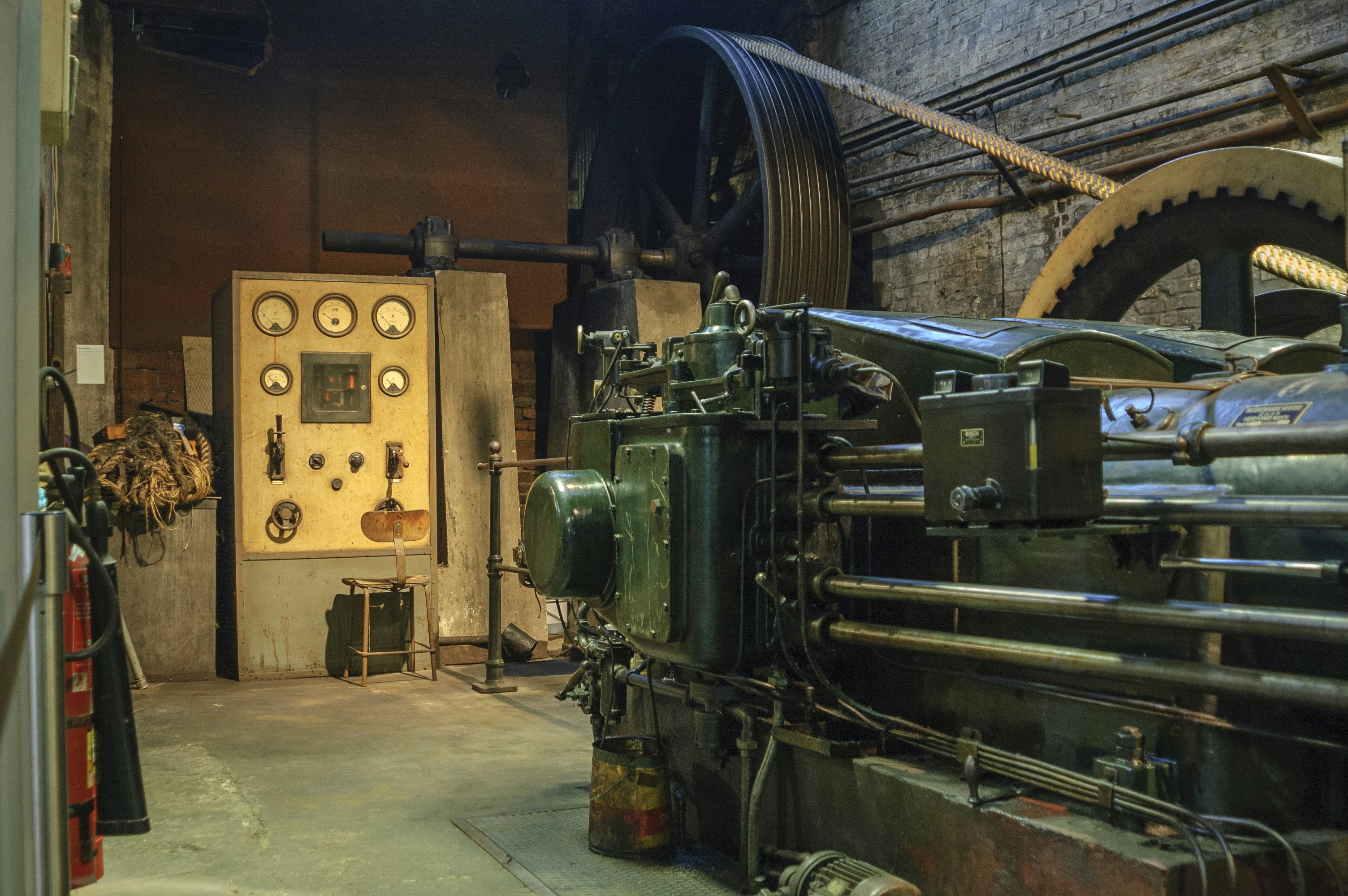
There are several options when choosing a home generator. The best approach is to speak with a professional about your needs. They will go over your options for generator size and installation. Even if you don’t choose to live off-grid, a backup generator can be a lifesaver during an emergency. You’ll never need to worry about the weather or potential power outages. They can keep your sump pump, furnace, or water pump operator working regardless of whether or not your electricity is on.

Maintenance
img

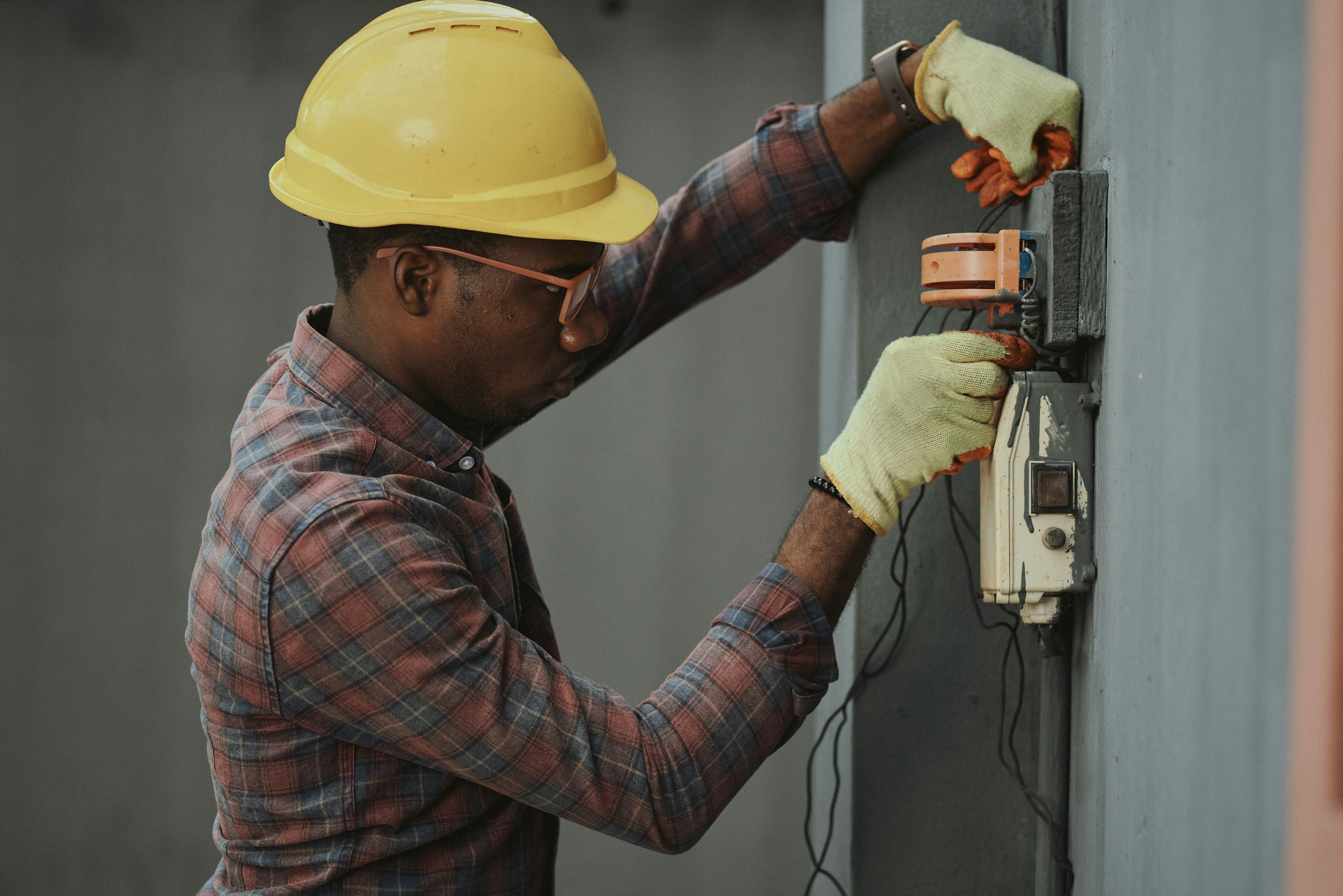
Generators are easy to maintain and care for. While they are not maintenance-free, you don’t have to worry about cleaning them off like solar panels or changing filters. But you do need to keep them clean and fueled up. It is good to have your generator looked over by a maintenance professional if you have not used it in a long time to ensure it will work properly when needed. Your maintenance professional can advise you on how to take care of your generator to last for a long time.

You may feel overwhelmed by the conversation, let alone the actual work when it comes to utilities, power, and home maintenance. But having a whole-home generator will give you peace of mind knowing you will not be without power even if the power company experiences problems. You’ll know your family will be safe and protected regardless of the temperature or weather. As a homeowner, it is critical to have emergency plans when the unexpected happens. Having a backup generator is a valuable thing in case of an emergency. It can work on its own or with solar power or electrical power.
Should You Replace Your Existing Thermostat Yourself?

Being a homeowner comes with a lot of responsibilities, many of which will be unfamiliar to those who have been lifelong renters. One thing you’ll definitely need to learn how to do is take care of your HVAC system. However, it can be difficult to understand w

Being a homeowner comes with a lot of responsibilities, many of which will be unfamiliar to those who have been lifelong renters. One thing you’ll definitely need to learn how to do is take care of your HVAC system. However, it can be difficult to understand what you need to do and when you should call for professional help. A lot of people assume that they can handle minor repairs or installations on their own, but that isn’t always the case. If you’re on the fence about a new thermostat, keep reading to learn whether or not you should consider replacing your existing thermostat yourself.

Should you replace your thermostat yourself?

img

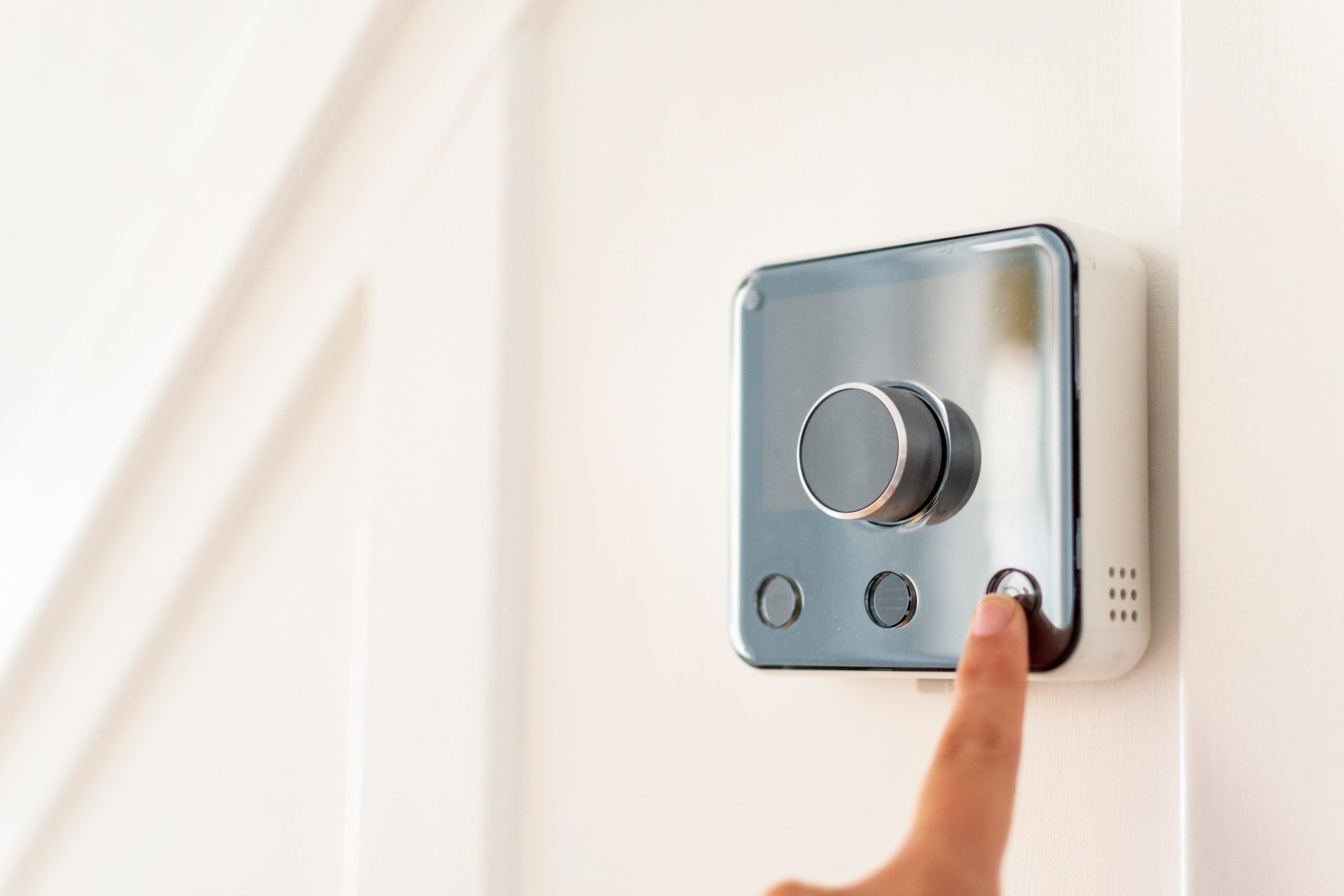
You may be wondering if it’s possible to replace your existing thermostat yourself. While having a professional replace your thermostat may seem like a lot of work, it’s often the safest option, especially if you don’t have any training in electrical or HVAC repair. Anyone who tries to take on the task without the requisite knowledge could be risking a number of serious consequences like an electrical shock, blowing a circuit breaker, or damaging the unit. For most people, the small amount of money that could be saved isn’t worth the potential risks.

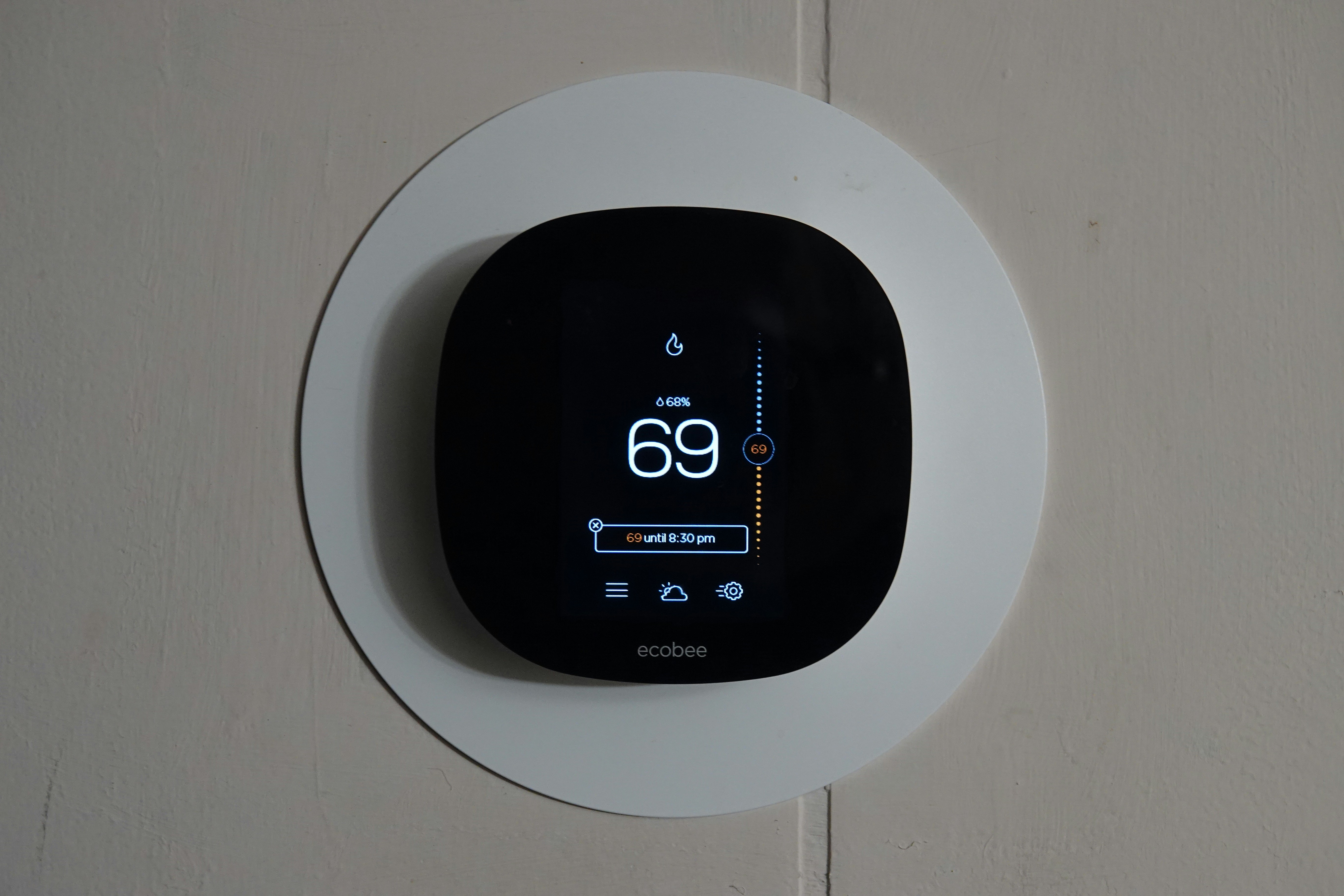
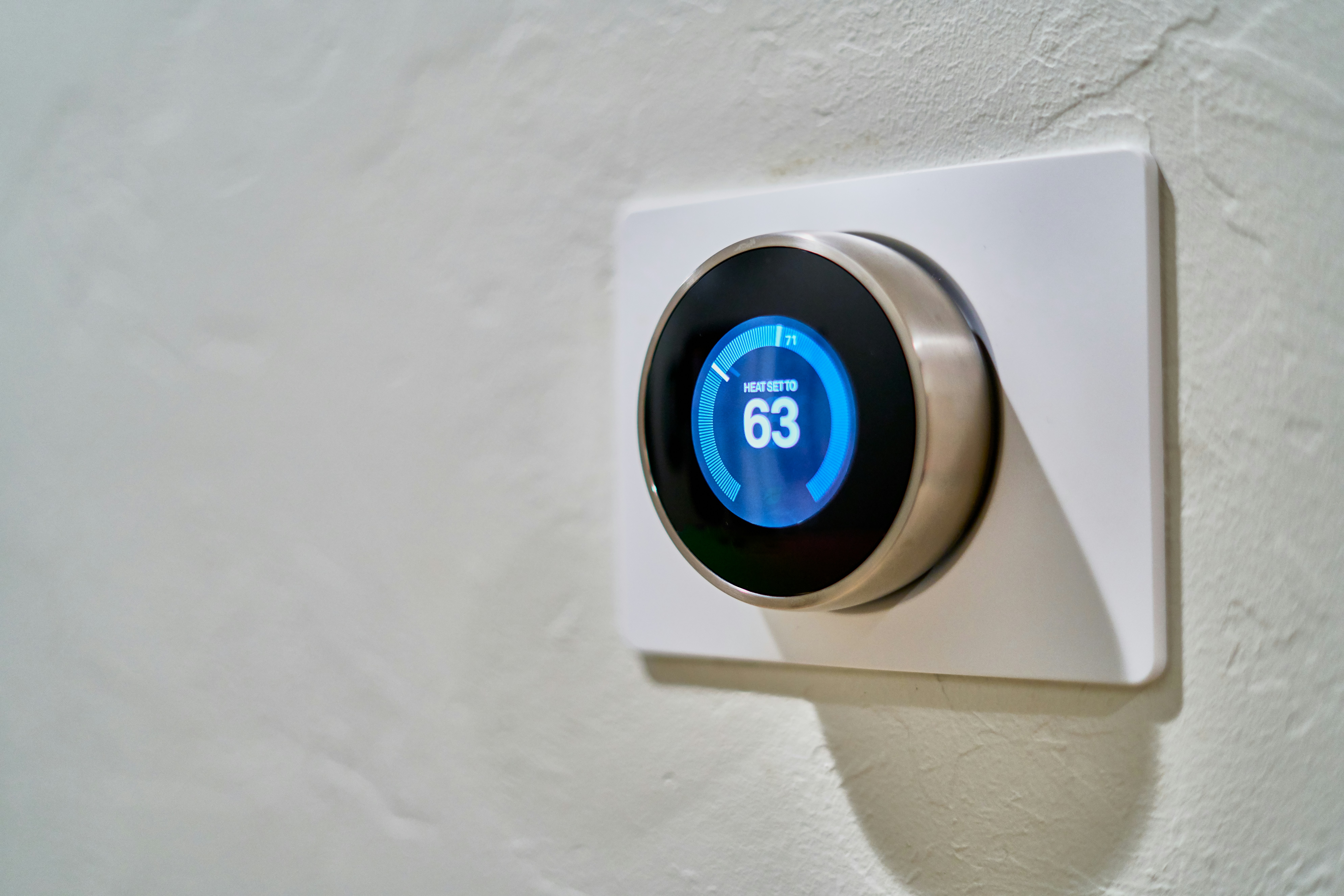
If you’re having your thermostat replaced, it may be a good idea to consider upgrading to a smart thermostat. A programmable thermostat can often be operated online or through a smartphone app, which gives you even more control over the temperature in your home. Many systems will also allow you to cool your home by zone or set different temperatures in different parts of the house. Being able to use your HVAC system only when you need it can cut down significantly on your energy costs, making a smart thermostat a good decision for both your quality of life and your finances.

How can you tell when your thermostat isn’t working?

img

There are several warning signs you should keep an eye out for when it comes to your thermostat. One major red flag is being unable to operate your HVAC unit. When you’re unable to turn your heating and cooling system on and off, it’s likely that your thermostat isn’t sending the proper signals to your HVAC system. If you’re experiencing this type of disruption, you should have a technician come inspect your thermostat as soon as possible.

A malfunctioning thermostat will also often cause your HVAC system to cycle on and off. This will result in overwork and increased energy consumption. You’ll be able to tell that this is happening primarily due to ineffective heating and cooling in combination with suspiciously high energy bills. You may also notice inaccurate temperature readings, meaning your home will feel warmer or cooler than the temperature displayed on your thermostat.

Your thermostat’s age can also be an indication that it needs to be replaced. Experts suggest that thermostats become more vulnerable to damage after about seven years. After that, a replacement should be considered. If you want to extend the lifespan of your thermostat and your HVAC system, it’s essential that you’re proactive about preventive maintenance and repairs.

Your thermostat is an essential part of your HVAC system, so you should definitely keep an eye out for any warning signs that something is wrong. A sudden increase in your energy bills, inconsistent indoor temperatures, and age can all be indications that it’s time to replace your thermostat. You may even want to upgrade to a smart thermostat to cut down on your energy costs in the future. While DIY home repairs can be a great way to save money, you should leave technical repairs that involve messing with your electrical or HVAC system to the professionals.