The Brothers Bloom
General Contractors Bringing you the Best Tips for Construction, Home Ownership, Investing and More

Day: November 15, 2021

3 Reasons Why Your Heating System Isn’t Performing Up to Spec

If you’ve ever felt like your heating system isn’t keeping up with the demands of the season, you aren’t alone. Many Americans report underperforming HVAC systems each year. If you live in your home long enough, it is almost a guarantee that this will happen.

If you’ve ever felt like your heating system isn’t keeping up with the demands of the season, you aren’t alone. Many Americans report underperforming HVAC systems each year. If you live in your home long enough, it is almost a guarantee that this will happen. While it might be a common issue, however, it doesn’t make it less frustrating. It’s important to remember that your heating system comprises complex equipment, and there are several potential causes for your issues.

The best way to mitigate many heating system issues is through routine maintenance and care. Regular maintenance performed by a professional technician will ensure that your system runs at peak efficiency all winter long. Inside your system are complex pieces of equipment that work together to provide warm air throughout your home. If any parts of your equipment are compromised, it could mean uncomfortable temperatures inside of your home.

During normal use, general wear and tear can take a toll on the function of your heat pump or furnace. As a result, you could experience system inefficiencies and underperforming equipment. If you believe that your system is struggling to keep up during the cold weather, it could mean that you require repairs or even replacement. Let’s take a look at why your heating system isn’t performing up to spec.

1. Inefficient Equipment
img

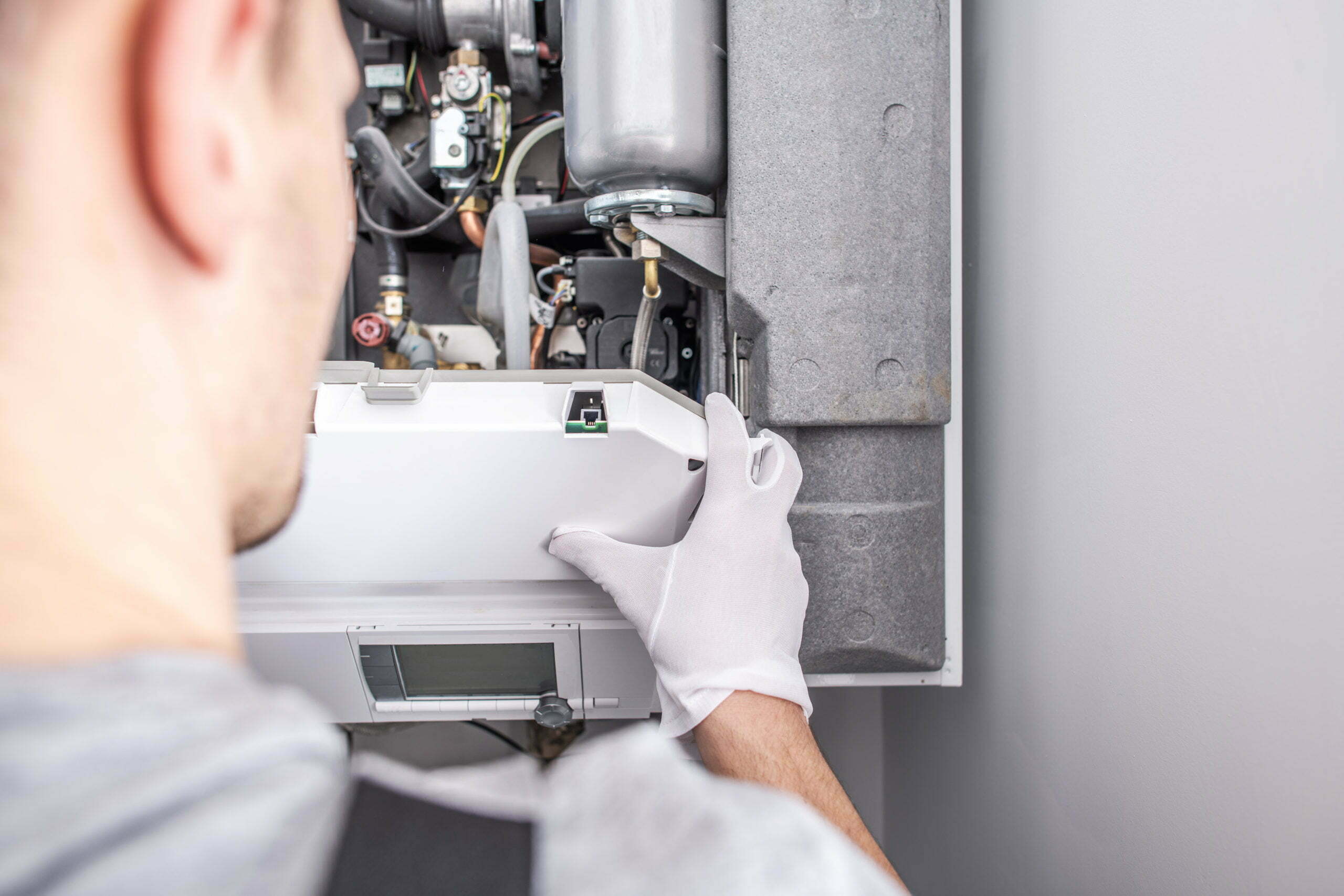
One of the major reasons why your heat pump or furnace might not be performing well is system inefficiencies. Depending on where you live, harsh winter conditions could place heavy demands on your equipment. Over time, your system will experience small leaks, cracks, and a build-up of dirt, dust, and other substances. Most of these issues won’t lead to system failure. However, if they are left unresolved, they could cause your equipment to work harder. As your system has to work to overcome the issues slowing it down, you might notice that your home is struggling to maintain a consistent temperature. Regular maintenance can help resolve any issues that may cause efficiency issues.

2. Aging System
img

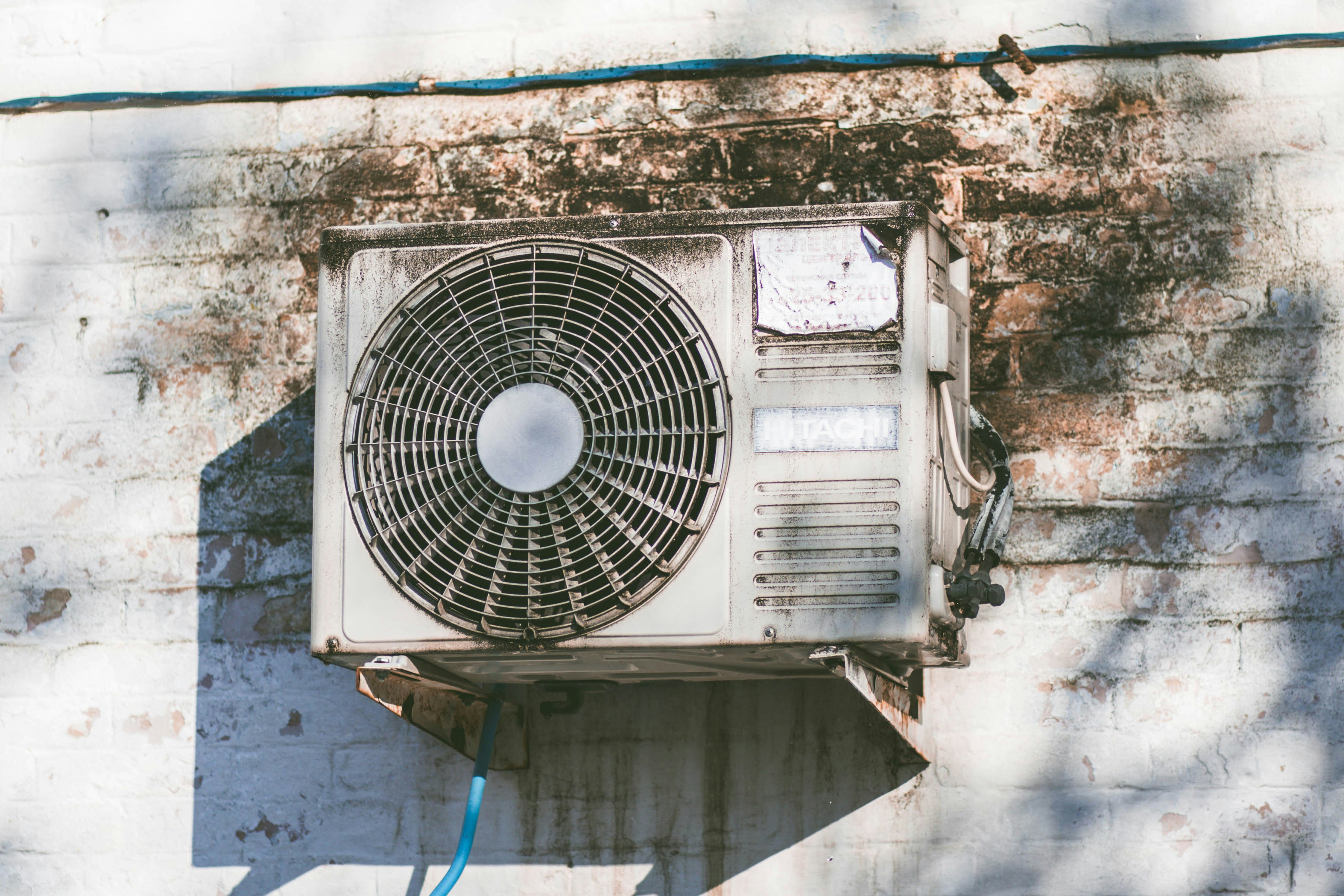
As a general rule, your furnace should last around 20 years. Routine maintenance and care can extend the lifespan of your system by several years, however. Even with regular service, your system will experience issues as it continues to age. As the system gets older, it will begin to succumb to wear and tear and will require repairs and more frequent service. Older systems are less efficient and struggle to keep up with the demands of outdoor temperatures. A professional HVAC system technician can help to diagnose your older system and provide solutions for repair or replacement.

3. Ductwork Issues

img

Occasionally, an underperforming heat pump or furnace isn’t the result of faulty equipment. In some instances, your ductwork could be the cause of inconsistent heating. Similar to heating systems, ductwork also has a lifespan of 15-20 years. As the duct materials age, they can become cracked or damaged and allow air to leak out. If your heat is leaking through the ductwork, it isn’t making its way into your home.

Additionally, many homeowners don’t realize that older ductwork can accumulate pounds of dust, dirt, and allergens. As your ventilation system becomes clogged, it will be difficult for warm air to circulate throughout your home. A trained technician will be able to inspect your ductwork and provide cleaning services to help improve your heating.

Other problems with things like your thermostat, air filters, or blower could also be the cause of an underperforming system. If you feel like your heating system is struggling to combat the outdoor temperatures, you should get a trained technician to do a complete check of your equipment. In many cases, your system might only require a tune-up or cleaning to get it back in working order.
Who Conducts Solar Water Heater Repair?

Your home’s water heater is at the heart of keeping your household running. After all, as homeowners, we rely on our heater to provide warmth in the shower, clean our clothes, and wash our dishes. In an effort to help your energy bills, you may have opted for

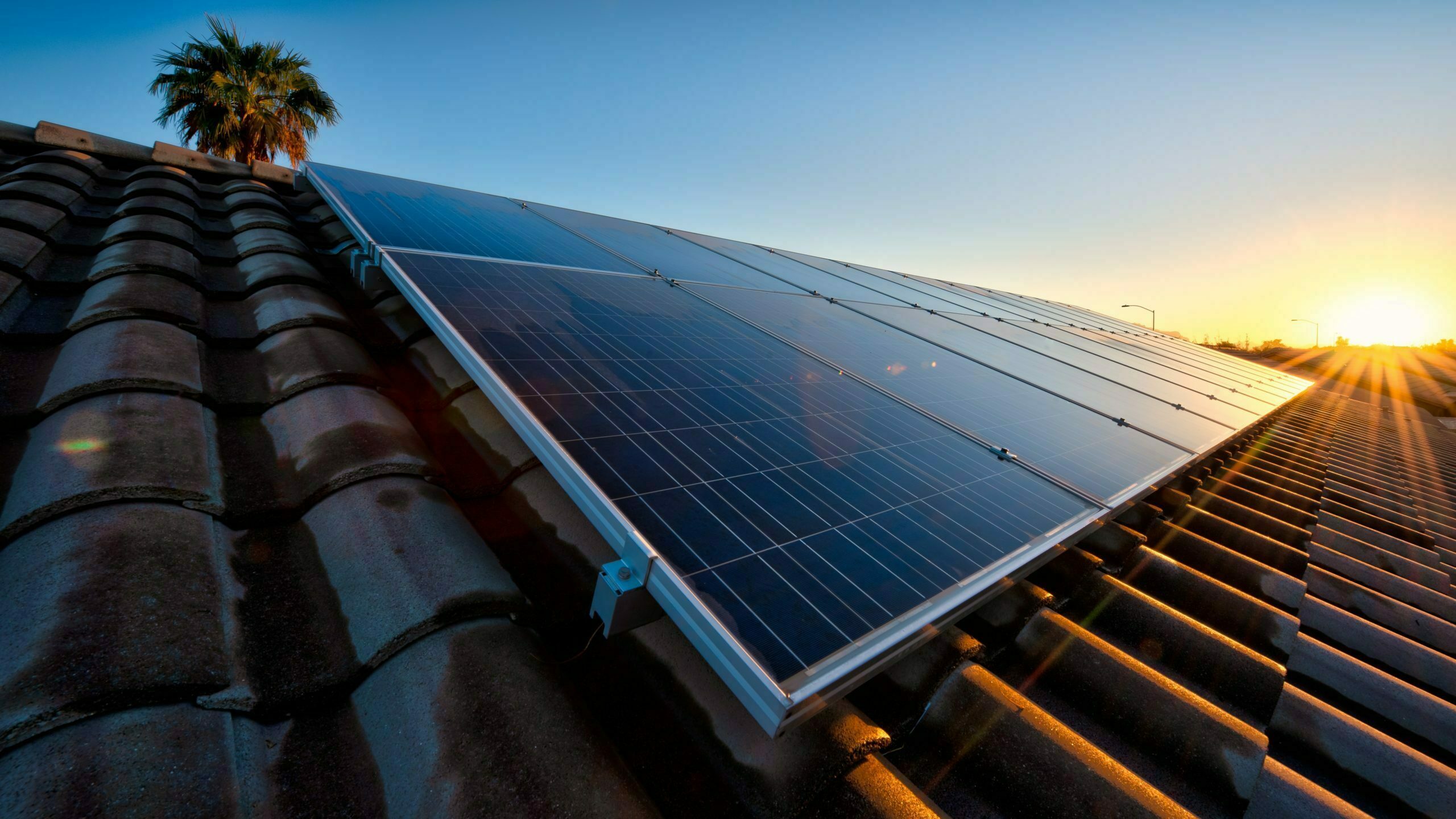
Your home’s water heater is at the heart of keeping your household running. After all, as homeowners, we rely on our heater to provide warmth in the shower, clean our clothes, and wash our dishes. In an effort to help your energy bills, you may have opted for a solar water heater that puts less pressure on the grid and operates with greater efficiency. Perhaps, you’ve recently noticed this investment isn’t up to par. There are repairs that can be made to your unit: some that you may be able to handle, and others that may require a technician’s help.

Periodic Inspection

img

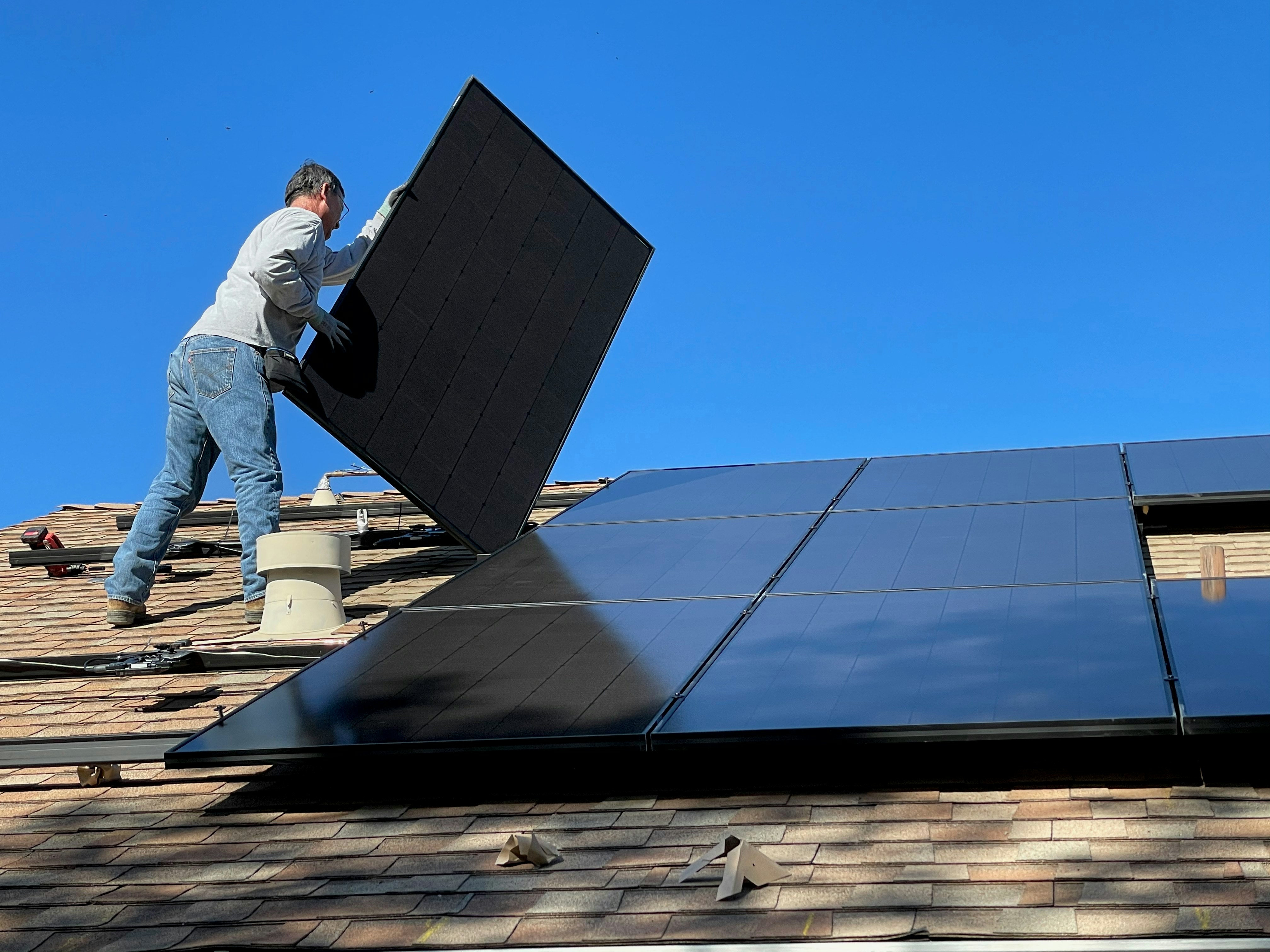
Just like anything else in your house, regular routines and maintenance are some of the best ways to avoid the need for solar water heater repair. Be sure to read your heater’s manual for a suggested maintenance schedule. This can include collector maintenance, visually checking for shading during the day on an annual basis to make sure panels are properly bringing in solar energy. You’ll want to make sure that collectors on your solar water panel are cleared, avoiding vegetation and soiling that can inhibit better accrual of energy.

Be sure to also evaluate the plumbing and wiring connections to make sure that a water heater is free of any leaks at pipe connections that can inhibit the proper function of any water heating unit. This includes evaluating support structures as simple as nuts and bolts on collectors to be tightened up. Routine maintenance can also be an easy way to make sure your solar system does its job and avoid costly replacement of collectors or other equipment, potentially even a new water heater.

Preventing Scaling and Corrosion

img

There are two major factors that impact the performance of a solar water heating system: scaling and corrosion. Domestic water that is high in mineral content may cause the buildup or scaling of minerals like calcium within solar heating systems. Scale buildup reduces system performance no matter where it occurs in the water heater. If your solar water heater uses water as the heat-transfer fluid, scaling can occur in the collector, distribution piping, and heat exchanger. You can avoid scaling by using water softeners or by circulating acidic solutions like vinegar through the collector every three years.

While most solar hot water heaters experience minimal corrosion, when they do, it’s usually galvanic corrosion. That’s an electrolytic process caused by two different metals coming into contact with each other. One metal has a stronger electrical charge and pulls electrons from the other, causing one to corrode. Oxygen entering into an open-loop solar system can cause rust in any iron or steel component of a water heating unit. Such systems should have copper, bronze, or rubber components in the plumbing loop, along with plastic- or glass-lined storage tanks.

Freeze Protection

img

Solar water heating systems, which use liquids as heat-transfer fluids, need protection from freezing in climates that go through brutal winter months. You may want to rely on the services of a licensed technician to have your solar panels and the entire system ready for the colder months. A technician will use an antifreeze solution or drain the collectors and piping when there’s a chance that the temperature may drop below the liquid’s freezing point.

Solar water heating systems are vulnerable to freeze damage. Drainback systems typically use a controller to drain the collector loop automatically. Sensors on the collector and storage tank tell the controller when to shut off the circulation pump and when to start again. Improper placement of these sensors or low-quality sensors can lead to failure in detecting these conditions. Be sure to set up a service appointment before the winter months that will assure you are not left with a chill over your solar water heater’s failures.