The Brothers Bloom
General Contractors Bringing you the Best Tips for Construction, Home Ownership, Investing and More

Month: October 2021

How Often Should You Replace Your Thermostat?

Becoming a homeowner often involves taking on many additional responsibilities that you may not be accustomed to if you’re used to renting. One of those responsibilities is maintaining home systems like your HVAC. Your HVAC system is an essential part of maint

Becoming a homeowner often involves taking on many additional responsibilities that you may not be accustomed to if you’re used to renting. One of those responsibilities is maintaining home systems like your HVAC. Your HVAC system is an essential part of maintaining both the comfort and safety of your home. It has a variety of functions, from air filtration to temperature regulation, all of them important.

Anyone who has never been responsible for this kind of repair and maintenance may not know how to tell when something needs to be fixed. It can be particularly difficult to tell when you need a new thermostat if you don’t know what to look for. If you’re not sure if it’s time to have a technician come by, read on to learn how often you should replace your thermostat.

How often should you replace your thermostat?
img

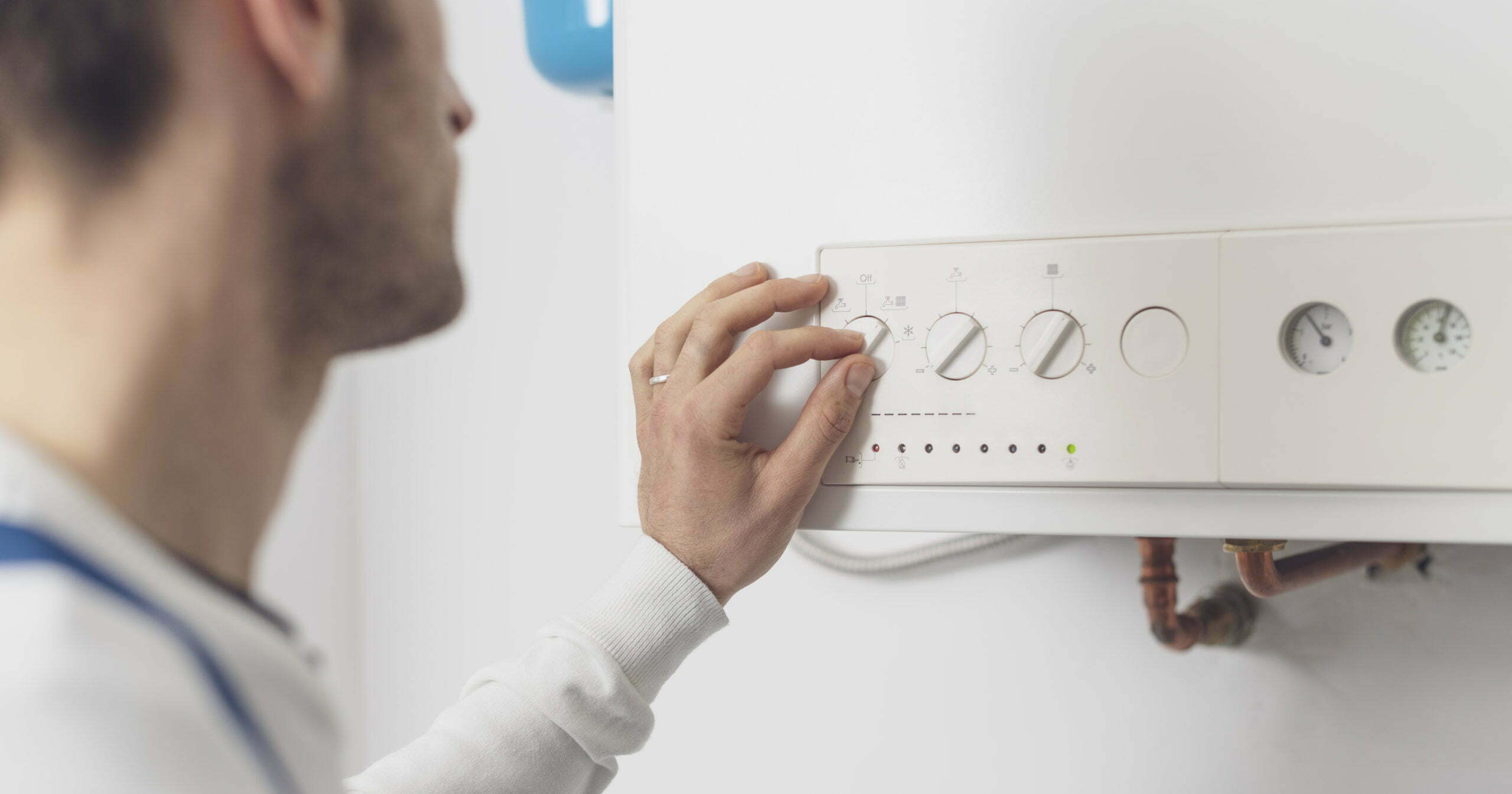
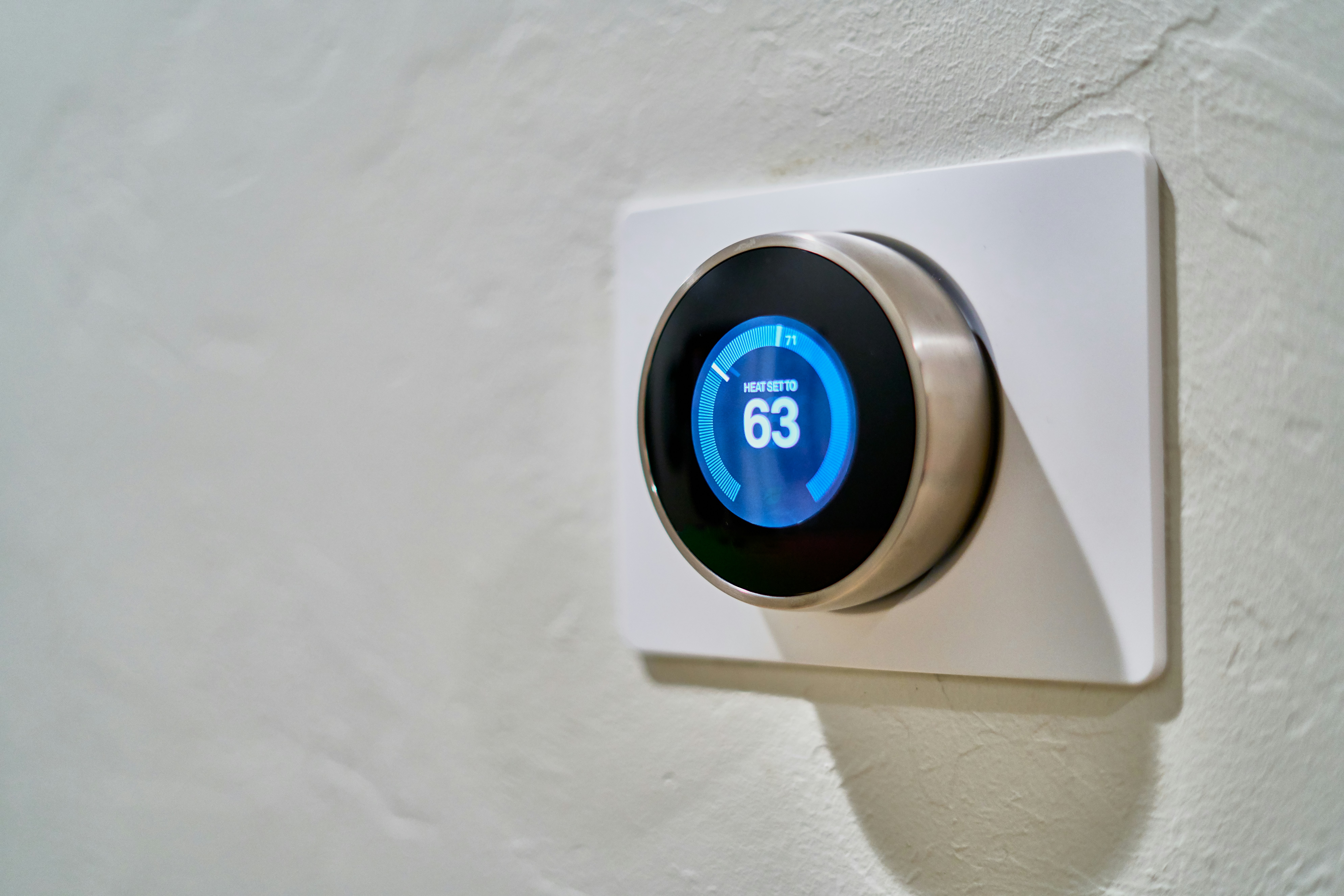
If you don’t know much about HVAC systems, it may be difficult to know when it’s time to replace your thermostat at home. Fortunately, there are several signs that you might need a new thermostat. The average lifespan of a thermostat is around 10 years, but that doesn’t mean you won’t need a replacement sooner.

Your thermostat’s primary function is controlling your HVAC system, so your HVAC system turning on and off unexpectedly can be a sign that you need a replacement. A malfunctioning thermostat may also display faulty or inaccurate temperature readings, which can make it hard to manage the temperature inside. When a thermostat isn’t working, you may also notice higher energy bills as a result of your HVAC’s overworking to compensate for the inaccurate temperature reading.

You may want to consider investing in a smart thermostat when you replace your old one. A smart thermostat is automated and programmable, and it operates via a timer or can often be controlled through an app or computer program. Being able to control your thermostat this way can help you reduce your energy consumption and, in turn, lower your utility bills.

Why is a quality HVAC system so important?

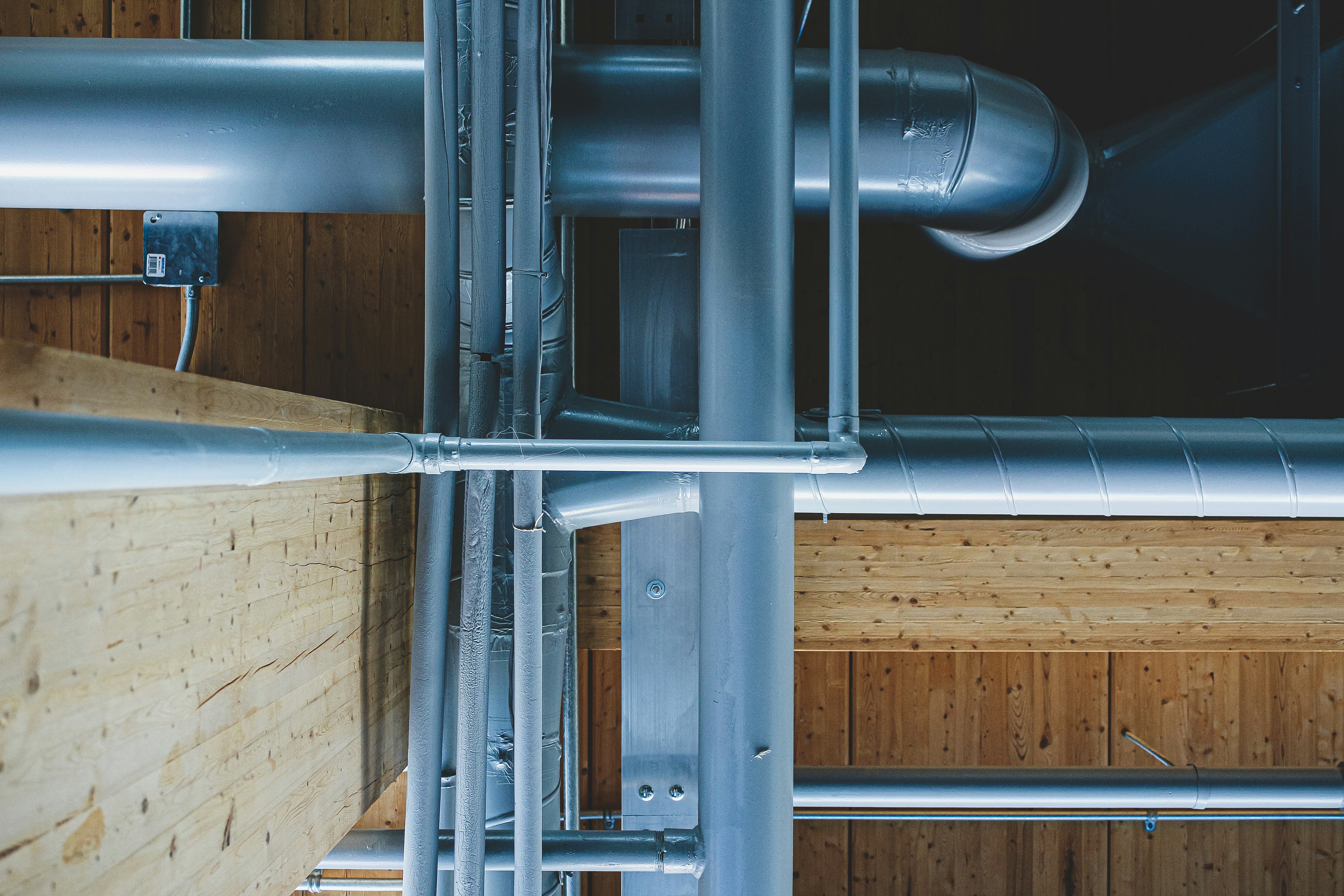
There are a number of reasons why a well-maintained HVAC system is necessary for your home. The most obvious reason is that maintaining a comfortable temperature indoors relies on heating and air conditioning in many places. The majority of American homes use an air conditioner, and the cost associated with doing so makes up about 12 percent of home energy expenditures.
img

Your HVAC system is also responsible for air filtration and maintaining indoor air quality, two important functions for protecting the health and safety of everyone in your household. The EPA estimates that indoor air quality can be 2 to 5 times worse than the quality of the outdoor air. Your HVAC can filter out a number of contaminants including allergens, dust, mold, and mildew. It can also assist in removing unpleasant odors from your home.

After10 years, you should be looking to replace your old thermostat. However, there are several warning signs that may necessitate installing a replacement sooner than that. High energy bills and an HVAC unit that turns on and off without warning are two major indicators that something is wrong. Inaccurate temperature readings are another major issue, one which can cause your HVAC unit to overwork in response.

If you notice something wrong with your HVAC, it’s a good idea to have a technician come and inspect it right away. Monitoring the condition of your thermostat and looking out for signs of disrepair will help you know exactly when the right time is to invest in a replacement. Maintaining the quality and temperature of the air indoors is essential for any healthy and happy home.

How to Protect the Indoor Air Quality in Your Home

Given how important indoor air quality is, it isn’t discussed enough by homeowners. Ensuring that you have clean air in your home should be a priority for a number of reasons. The most obvious, and most important, is that it can have serious consequences for y

Given how important indoor air quality is, it isn’t discussed enough by homeowners. Ensuring that you have clean air in your home should be a priority for a number of reasons. The most obvious, and most important, is that it can have serious consequences for your health and wellness if you’re exposed to air pollution on a regular basis. Even limited exposure is enough to cause health problems, especially for anyone who suffers from asthma or allergies. Anyone with health conditions, especially if they’re respiratory, should be doubly cautious about their indoor air quality. If you want to create a healthier environment, read on to learn more about how you can protect the quality of the air in your home.

Why is air quality important?

img

You might be wondering why air quality is so important or what the effects of poor indoor air quality can be. While there isn’t much you can do to improve the quality of the air outside, it’s essential that you maintain clean and breathable air at home. Breathing in polluted air has been linked to a number of negative side effects, ranging from uncomfortable to potentially fatal. Some symptoms include nausea, headaches, sore throat, and difficulty breathing. Air pollution can also trigger allergy and asthma attacks.

Poor indoor air quality is also linked to more serious illnesses, including lung cancer, and it can cause complications for those already dealing with respiratory illnesses or heart problems. Given that heart disease is the leading cause of death in the United States, it’s important to make sure you aren’t worsening your health by breathing in dirty air.

Common household irritants include pollution, unpleasant odors, pollen, mold, mildew, and pesticides. There are a number of ways homeowners can reduce the presence of contaminants like these, though it may require making an investment in your appliances and home systems.

What can you do to improve your indoor air quality?

Your HVAC system is often your first line of defense against air pollution. Keep a lookout for any indications that your HVAC is in poor condition and for signs that indicate you need a new thermostat. If you do need a technician to inspect or repair your HVAC, reach out for professional help as soon as you notice the issue. Letting problems worsen until they cause a breakdown can be both dangerous and incredibly expensive.

img

It’s also essential that you maintain your HVAC system properly. Most systems need to have the filter changed every 90 days and require an inspection at least once annually. If you notice your system isn’t operating at peak efficiency and it’s over 10 years old, it may be time to replace it entirely. If your HVAC isn’t operating at peak efficiency, your home is likely to have inadequate air filtration.

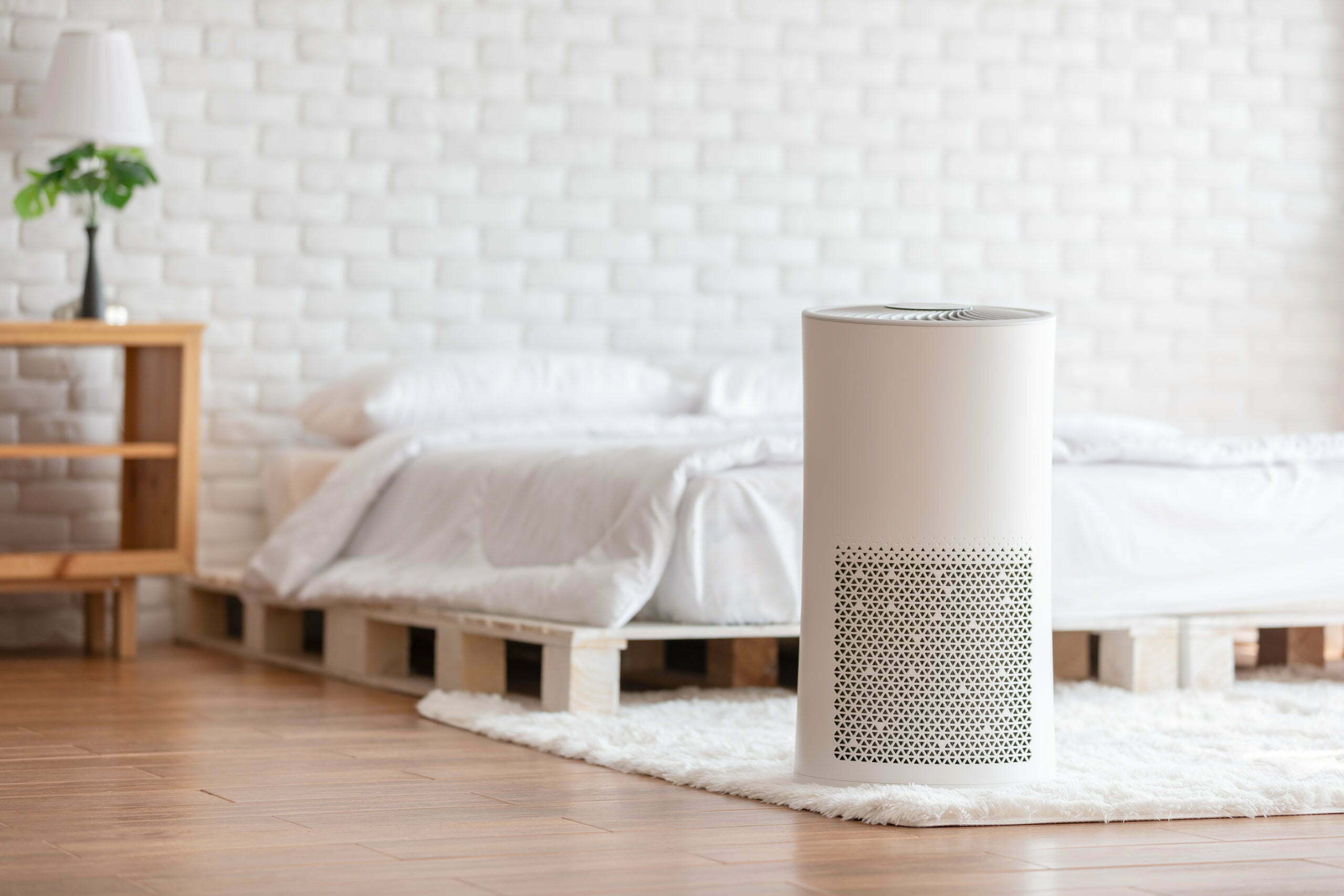
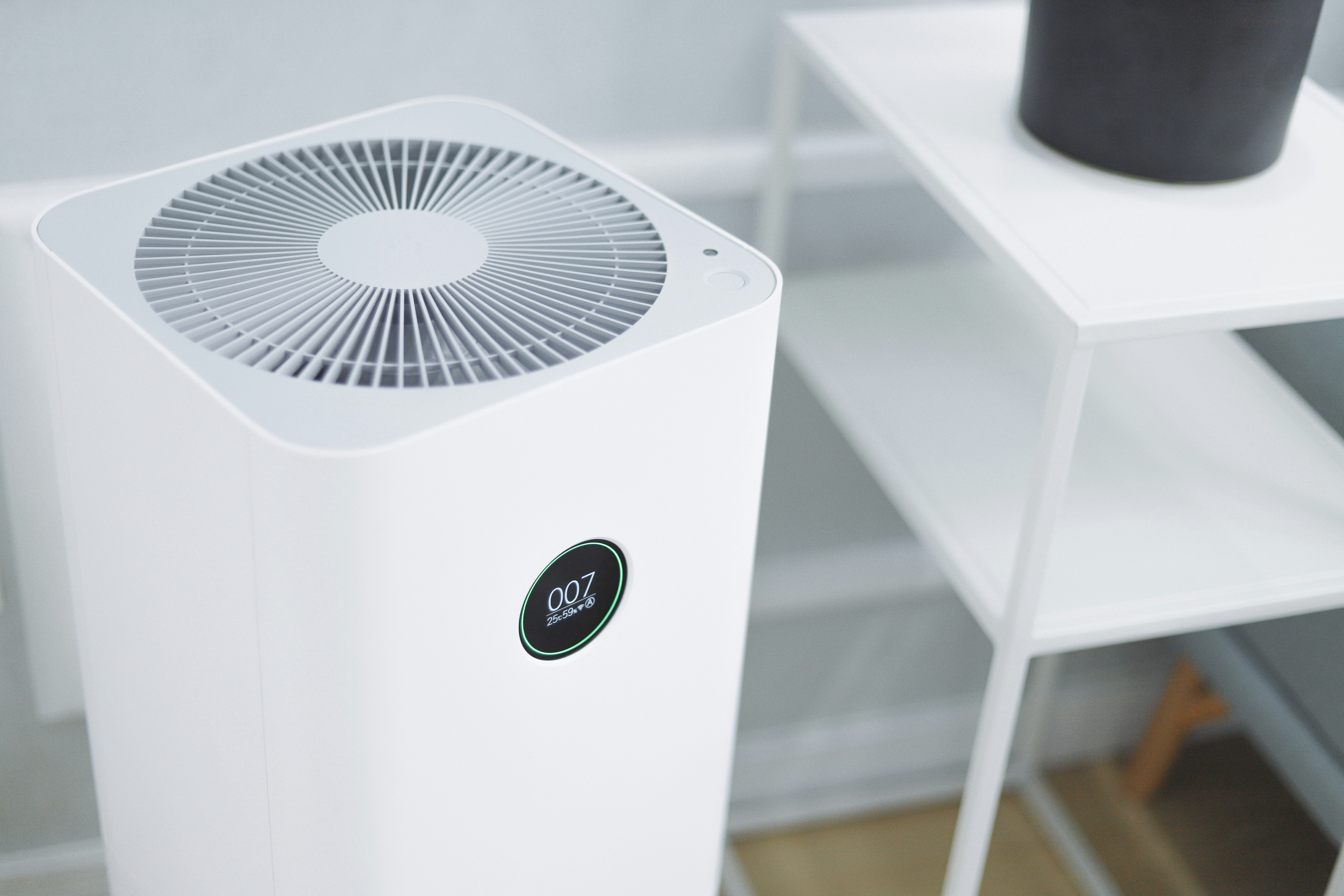
A true HEPA air purifier is also a great idea for anyone who wants cleaner air. When looking for an air purifier, make sure the purifier you buy is adequate to cover the number of square feet in the room where you place it. You can even purchase an air purifier with a display that shows air quality levels and that is capable of adjusting fan speed in real time.

Most of us know that clean air is important, but many people aren’t aware of the serious side effects that go along with living in a space with poor indoor air quality. Taking steps to keep the air in your home breathable is necessary if you want to keep everyone in your household safe. Your HVAC system can filter out a lot of pollutants, but only if it’s fully operational and well-maintained. If you want some extra protection, look for an air purifier for rooms where you spend the most time. It can take some work to improve your air quality, but it’s worth the investment if you want to create a healthier home.

The Potential Risks of Performing Your Own Furnace Repair

For all homeowners, there are specific responsibilities needed to keep their households up and running. Although the backyard and garage have numerous areas where DIY maintenance is possible, other spots are more delicate. When it comes to a home’s operating s

For all homeowners, there are specific responsibilities needed to keep their households up and running. Although the backyard and garage have numerous areas where DIY maintenance is possible, other spots are more delicate. When it comes to a home’s operating systems, for instance, the risk of causing more expensive damage should make a homeowner think twice about handling the repairs themselves. At the top of that list is a home’s HVAC system, composed of both the air conditioning and heating systems.

If you’re a homeowner and have been experiencing issues with your heating system, particularly the household’s furnace, there’s a chance you’re contemplating a DIY solution. Before you begin, however, it’s important to weigh your options, as well as the possible damage that can occur without the help of a professional HVAC technician. Here, we will look at just a few of the potential risks of attempting your own air conditioner and furnace repair, as well as a few ways to save on your money utility bills.

The Common Signs of Furnace Issues

img

You may suspect a furnace problem due to a lack of proper heat throughout your living space. However, if you’re unaware of the potential risks of performing your own furnace repair, first consider the alternative reasons that the temperature isn’t reaching the thermostat’s reading. Due to the delicate nature of DIY furnace repair, it’s always important that you check those possibilities first. For example, if there’s a chance that your home’s ventilation or ductwork is due for a cleaning, a professional maintenance cleaning could be an affordable solution.

Likewise, every homeowner should keep an eye on their ductwork’s air filters. Aside from enabling proper airflow by catching outside allergens and debris within their mesh, the filters also improve your home’s indoor air quality. Changing your air filters approximately every other month is the best way to ensure that these elements are operating properly. With less stress on your machine, the HVAC unit will last even longer.

The Risks of DIY Furnace Repair

img

Although there are some homeowners who would be comfortable attempting a DIY furnace repair without the help of a professional technician, it’s not recommended. This is primarily due to the safety hazards that can come from a malfunctioning furnace. For example, faulty wiring can sometimes develop into a potential fire hazard. In that same way, your furnace’s construction requires yearly inspections in order to check for possible gas leaks. One of the greatest dangers of an unchecked faulty furnace is the potential for a carbon monoxide leak. Unlike the air quality issues that can arise from dirty air filters, carbon monoxide is odorless and potentially fatal. For the sake of safety, consulting a professional technician or contractor before attempting any form of your own furnace repair is highly recommended.

Aside from the risks to your family’s health and safety, a faulty furnace can also lead to higher bills. Much like ductwork or thermostat issues, broken systems require more energy to operate. Over time, the wear and tear on your furnace can lead to a breakdown or other expensive repairs. Additionally, with more energy come higher monthly bills, which are easily avoided with routine maintenance. If you’re concerned with the longevity of your household’s heating system, particularly if you have an older furnace in your home, you may also consider a yearly maintenance policy. With a proper policy from your original HVAC or heating system manufacturer, your seasonal tasks will always be addressed. In addition to the yearly inspections that can keep your family safe and your unit functioning, a maintenance policy also guarantees that you’ll know exactly when it’s finally time to replace the furnace with a newer model.

The Common Health Implications of Poor Air Quality

It’s easy to ignore indoor air quality, but you might be surprised to learn what a significant impact it can have on both your health and your quality of life. While some of the effects can be minor, significant air pollution can result in health conditions th

It’s easy to ignore indoor air quality, but you might be surprised to learn what a significant impact it can have on both your health and your quality of life. While some of the effects can be minor, significant air pollution can result in health conditions that can even cause death. Maintaining clean air in your home is necessary for any homeowner who cares about the health and wellness of their household. If you’re concerned about the quality of the air you’re breathing, keep reading to learn more about the common health implications of poor air quality.

What are the health implications of poor air quality?

img

Making sure the air in your home is healthy to breathe should be one of your highest priorities as a homeowner. The negative impact of poor air quality on your health ranges from irritating to potentially fatal. Common pollutants and irritants can be found in unclean air, which can cause symptoms like headaches, nausea, inflammation, and dizziness. They can also trigger anyone with allergies or asthma.

Prolonged exposure to polluted or contaminated air can put you at risk for several medical conditions and diseases, including cardiovascular disease and lung cancer. Contaminated air can also cause you to be more susceptible to infections of any kind. Studies have shown that both short-term and long-term exposure to air pollution can even lead to premature death.

Pets can also experience negative side effects from polluted air. Recent studies have confirmed respiratory illness linked to poor air quality in dogs and demonstrated that it can negatively impact their brains. Cats have similar issues, and some cats even suffer asthma linked to pollution.

How can you improve the air quality in your home?

img

Fortunately, there are a number of indoor air quality solutions for your home. First, you should make sure your HVAC system is in good working order. Many homeowners neglect regular maintenance on their heating and air conditioning systems, but it’s important if you want clean air at home. Have it serviced at least once annually and change the filter every 90 days. If you notice that the air in your home isn’t being filtered properly, call a technician and have them take a look at your system as soon as you can.

You may also need to manage the effects of poor air quality. If you notice that your skin is suffering as a result of poor air quality, you may want to consider investing in some quality plant based skincare. Redness and dry skin will need some moisture to look and feel healthy again. Harsh chemicals and artificial fragrances can put even more stress on sensitive skin. Skincare brands that use natural products with natural ingredients are a better alternative, especially if you choose products that contain essential vitamins and nutrients.

It’s hard to overstate the importance of the quality of the air we breathe. Maintaining clean air at home as best as you can is essential for any homeowner. If you live in an area where air quality is an issue, you may want to invest in personal care products that can help mitigate the effects of pollution on your body. Natural skincare products are one great way to take better care of yourself, but you should also invest in over-the-counter medications that can address issues like headaches and nausea that may recur. Finding the source of the air pollution should be your first priority. While you may not be able to do anything about the air quality outdoors, you can often take steps to maintain a clean and healthy environment in your home.

4 Ways to Rekindle the Passion in Your Marriage

While we hear it all the time from the media and our loved ones around us, marriage is a long-term commitment. Because of this, it can be easy to feel like our relationship is running out of steam when we start to hit a point in our relationship where everythi

While we hear it all the time from the media and our loved ones around us, marriage is a long-term commitment. Because of this, it can be easy to feel like our relationship is running out of steam when we start to hit a point in our relationship where everything feels the same or more conflicts arise. The good news? No matter how small the spark may seem, you can always rekindle that fire with the right course of action. To make your relationship with your partner strong again, here are four ways to rekindle the passion in your marriage.

1. Figure out your partner’s love language and address it.

img

Every person has a unique way in which they receive love from others. This is often referred to as a love language. In regards to this specific concept, there are five love languages out there: words of affirmation (saying positive and loving things), acts of service, receiving gifts, quality time, and physical touch. While you may enjoy receiving love in one way, your partner may be the complete opposite. While you enjoy physical intimacy, they may instead enjoy receiving gifts from you, no matter how small.

Continuing with the above example, you can address your partner’s love language for receiving gifts by investing in something like men’s skeleton watches. Whether your partner is a fan of brands like Hublot, Cartier, or Richard Mille, there’s plenty of pre-owned luxury watches out there that your significant other would be thrilled to receive from you. Additionally, this type of gift is something that they can carry with them always and cherish. If your partner loves gifts, a new timepiece is one idea to show them how much you care.

2. Tackle any issues head-on with support.

All couples are going to run into issues in their lives or relationships eventually. However, not every couple has the self-awareness or experience dealing with these issues needed to cope and keep their relationship happy and healthy. If this is the case for you, consider seeking out couples counseling.

Couples therapy will help you address your relationship issues, improve your communication skills with one another, and help you learn coping mechanisms to deal with stress and develop the ability to work through difficult times without attacking one another. While not all relationships work out, reaching out to a counselor to mend a relationship you wish to maintain is important in any marriage.

3. Spice things up in the bedroom with some help.

img

For some couples, the issue may be a lack of day-to-day affection and communication. For others, marriages may seem dull because there’s a lack of excitement in the bedroom. If you feel like you need to rekindle your sex life, consider getting some sex toys for couples that allow you to spice things up and help you both experience more satisfaction. Although some people may be afraid to discuss what they want in the bedroom, you and your partner will thank each other for being more vocal about your needs.

4. Carve out more time in your schedules for each other.

Life can be busy, but your marriage should be one of your top priorities. No matter if you have a specific day of the week where you get together or you play it by ear, make some time for date nights and getaways where you can get closer, learn more about each other, and work on your relationship. Even though it can seem like it’s hard to get away from work and other responsibilities, your marriage only works when you do.

Are you in a marriage that feels like it’s starting to lose some of its passion and excitement? If so, use the four tips above to cultivate a healthy relationship and bring back the fire that the two of you started with.

Benefits of Performing Routine HVAC Maintenance

Your HVAC system is one of the most critical components of your home. Your heating and cooling system impact the health and comfort of everyone living in the house. From hot summer days to cold winter nights, your system is the workhorse of your home that meet

Your HVAC system is one of the most critical components of your home. Your heating and cooling system impact the health and comfort of everyone living in the house. From hot summer days to cold winter nights, your system is the workhorse of your home that meets the temperature demands of every season. Many homeowners fail to invest in regular maintenance, even considering the HVAC system’s important role in the house. Just like your car, however, your HVAC unit requires routine service to stay operable and efficient.

Your car requires an oil change and a tune-up after a certain amount of mile to continue working. Over the course of a normal year, your HVAC system can rack up a good number of service hours. Similar to your car, you’ll want to have a technician perform preventative maintenance to clean your equipment and address any issues. Let take a look at some benefits of routine maintenance performed on your HVAC.

Improved Efficiency

img

As seasons change, so do the demands placed on your HVAC system. Your energy bills will also fluctuate with changing heating and cooling requirements. However, if you notice that your utility bills are higher than usual, it could mean that your HVAC system isn’t performing at peak efficiency. Over time, your equipment could experience dirt and dust buildup, small leaks, and loose connections. While these issues won’t prevent your system from functioning, it could require that it work harder to circulate air throughout your home. When your system expends more energy to heat and cool your house, your energy bills will increase.

Annual maintenance performed by an HVAC technician can help restore your system’s energy efficiency. Seasonal check-ups will include a thorough cleaning and inspection of the entire system. An HVAC professional will also perform a tune-up on your equipment to address any issues that might be slowing your system down.

Fewer Problems

img

An HVAC system usually malfunctions when it has been pushed to the limits during the heating or cooling season. When the system breaks down, homeowners can be left with some costly repairs. Regular maintenance, however, can help to identify and correct potential problems before they become larger issues. Cooling and heating equipment are pretty durable and will operate even when there small issues. If left unresolved, however, these problems to serious complications and malfunctions. When you have HVAC maintenance done, the technician will ensure that small problems don’t become larger ones.

Safer Equipment

Regular system checks can help prevent the need for costly repairs. Additionally, you will also be able to identify potentially hazardous issues that could cause safety problems. As an example, carbon monoxide leaks often go undetected as it is odorless. There are serious health consequences that come with unresolved carbon monoxide leaks, however. Regular maintenance can catch many safety issues that might pose a threat to your family and home.

Extended Furnace Life

The average HVAC system should last around 20 years. Regular maintenance can help extend the life of your unit by up to 30 percent, however. Routine tune-ups can address minor problems that could take a toll on your unit’s health and service life. Additionally, routine maintenance will improve the system’s efficiency and keep it in working order. Regular service will help prevent major malfunctions and premature system failure.

Season changes require that your house maintain certain temperatures. Similar to having your car serviced before a long trip, you’ll want to get your HVAC equipment prior to the rigors of summer or winter. Regular HVAC maintenance will ensure that your system is safe and runs at maximum efficiency throughout the year.

How to Tell If You Need a New Thermostat for Your Home

There are few systems more integral to keeping your home comfortable than your HVAC system. However, you’ll need to make sure you maintain it well if you want it to operate at peak efficiency. Your thermostat is an essential part of your HVAC system, and it ca

There are few systems more integral to keeping your home comfortable than your HVAC system. However, you’ll need to make sure you maintain it well if you want it to operate at peak efficiency. Your thermostat is an essential part of your HVAC system, and it can be just as vulnerable to malfunctions and breakdowns as any other appliance in your home. Many people don’t know how to tell when their thermostat isn’t working, or they can’t recognize the red flags that might indicate something is wrong. Keep reading to learn more about how to know if you need a new thermostat for your home.

How can you tell if you need a new thermostat?

img

If you’re a first-time homeowner or new to HVAC system maintenance, you may not know how to tell if you need a new thermostat for your home. There are several warning signs you should keep an eye out for, some of which may be more noticeable than others. One obvious sign that something is wrong is if your thermostat won’t turn on or off. Your thermostat is responsible for communicating with your HVAC unit, so if that connection has been disrupted, you may notice that you won’t be able to turn the power on or off or adjust your temperature settings.

Another indication that something is up with your thermostat is when it begins to display inaccurate temperature readings. If it feels warmer or cooler than it should in your home after you’ve set your thermostat, it may be malfunctioning. You should also make sure your thermostat isn’t close to any appliances that could affect its readings and is a safe distance away from sunny windows.

When your thermostat isn’t working properly, it can also cause your HVAC to cycle on and off. The overwork on your system can also be expensive, as it can waste a significant amount of energy. This process is likely to cause your energy bills to rise substantially. If you have suspiciously high utility bills, you may want to look into whether your thermostat or HVAC is the culprit.

Why should you consider upgrading to a smart thermostat?

img

If you’re having a new thermostat installed, it’s worth considering a smart thermostat instead of a traditional one. A smart thermostat is programmable and can often be controlled via mobile app or web portal, which will let you adjust the temperature even when you’re not in your house. Some systems also allow for zone cooling, which allows you to set different temperatures for different parts of your home. Being able to control the amount of energy your system uses and how frequently it’s turned on or off can cut down on your energy costs significantly, making a smart thermostat a smart buy from a financial perspective, too.

Another reason to consider installing a smart thermostat is because of the value it adds to your house. Prospective buyers are starting to prioritize sustainability and eco-friendly upgrades, including energy-saving smart devices like the smart thermostat. Even though you may not be considering a sale now, it’s always a good idea to improve your home in ways that may increase its overall equity.

While it can be tricky to know what’s wrong with your thermostat without experience, it’s always better to be safe than sorry when it comes to maintaining your HVAC system. Inaccurate readings, high bills, and poor functionality can all be red flags. If you notice any telltale signs that something might not be working properly, call a technician and have them inspect your unit and your thermostat as soon as possible. With the winter months fast approaching, you won’t regret making sure you’re able to effectively heat and cool your home all season long.

Moving Checklist: What To Do Before You Move In

The COVID-19 pandemic has caused people to change their lifestyles. In fact, more people than ever are moving, working remotely, and placing more value on their homes. If you and your family are considering a move or have recently become new homeowners, it’s a

The COVID-19 pandemic has caused people to change their lifestyles. In fact, more people than ever are moving, working remotely, and placing more value on their homes. If you and your family are considering a move or have recently become new homeowners, it’s a good idea to take a step back to be sure your new home is safe and ready to go before moving in. For a few things that you’ll want to do or check on before you move in, read on.

Make sure your new home is safe.

img

If your home doesn’t have a new roof, it’s important to call a roofing professional to be sure your roof is in good condition. It’s always a good idea to have a professional look at your roof. This is because something as simple as a missing shingle can lead to leaks, water stains, mildew, and serious issues beyond the initial storm damage. Replacing small issues with new shingles can make a huge difference in your roof’s condition in the long run.

When doing a once-over to be sure your home is safe, don’t forget about your HVAC systems. To ensure the best air quality possible, you’ll want to contact an HVAC professional to make repairs and upgrades. HVAC pros can also come out on a regular basis to make sure your HVAC systems are well-maintained. This will save you money and make your home more energy-efficient, too.

Give your new home and yard a good cleaning.

img

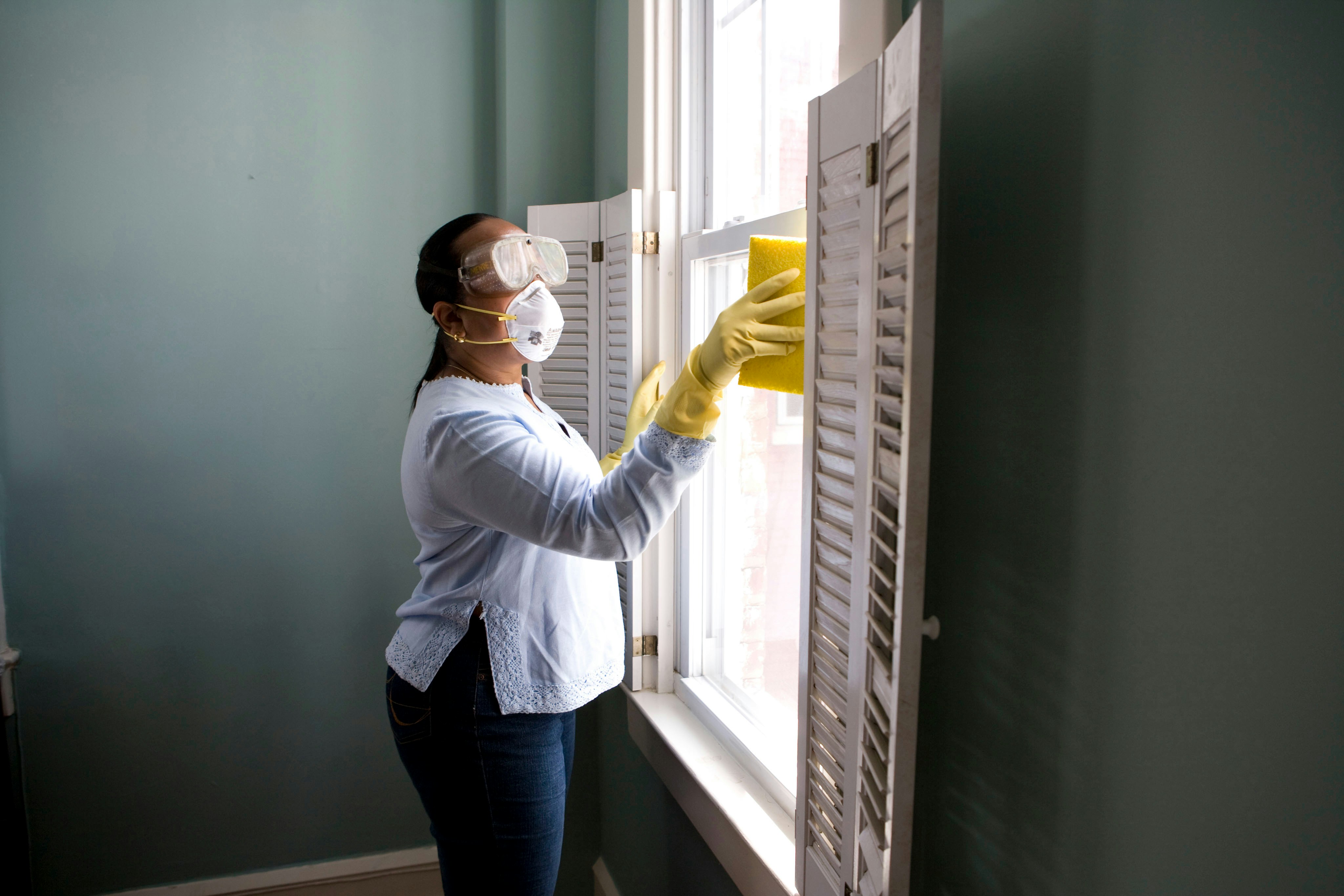
Part of making sure your home is safe means taking an inventory of any debris in the home or yard. If you’re moving into an older home, for example, it’s possible that there are items in the yard or wooded area around the property that you’ll want to dispose of. Taking care of scraps junk removal before moving in is a great way to help keep you and your family safe.

Before moving into your new house, take a walk around the property, including the basement and attic. You’ll be able to spot potential problems, tripping hazards, and more. In assessing your home before moving your personal belongings in, you’ll have a better chance to get a full picture of the space and any possible problems as well.

Make use of public storage.

img

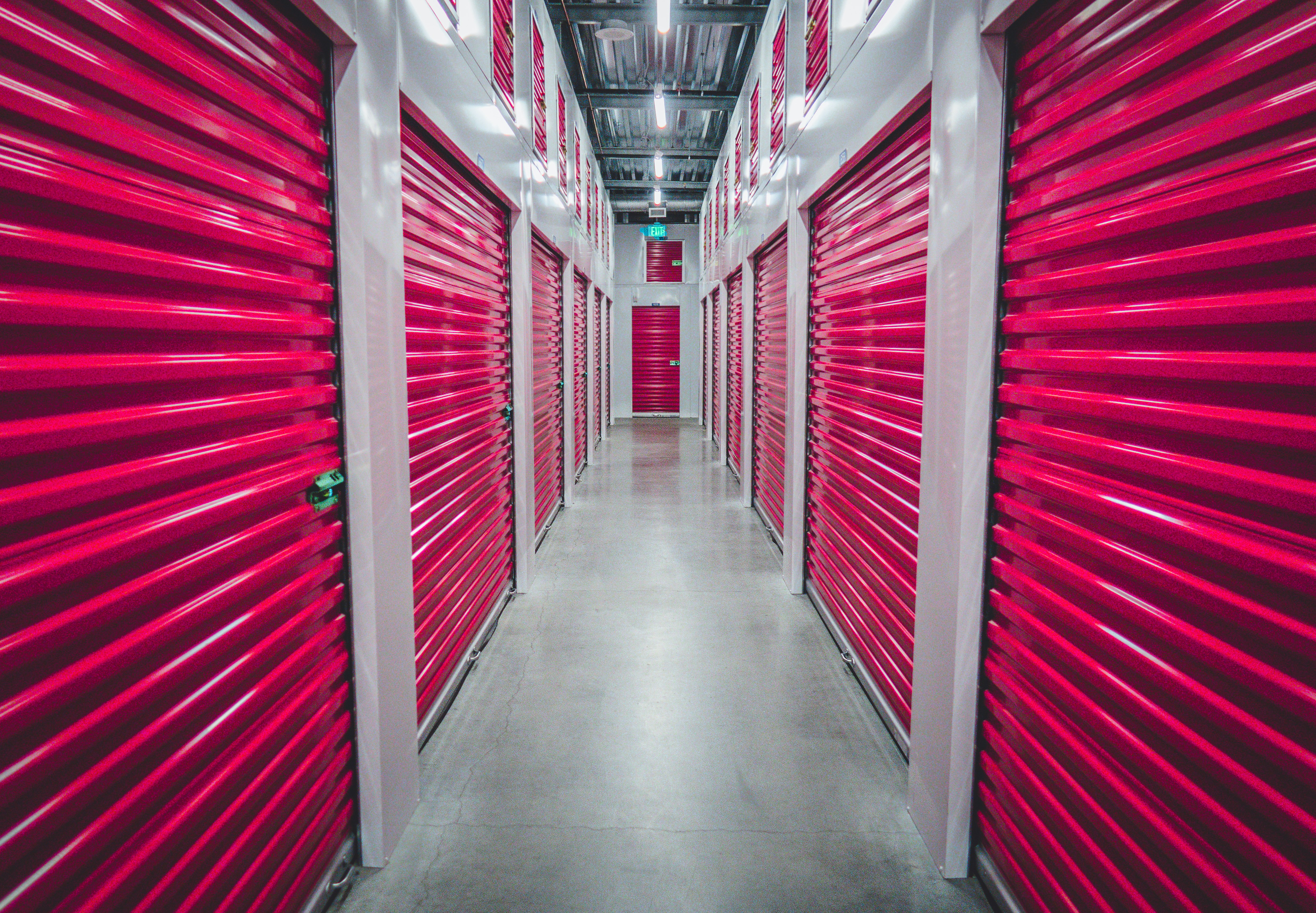
In a time when more people are moving than ever, making great use of public storage during a move is becoming a must-do. If you’re staging a home or want more time for your new house’s first deep clean, the convenience of knowing your belongings are safe in storage will give you more options throughout your move. Instead of navigating around clutter, you’ll be able to move freely in your new and old homes.

Moving can be stressful, which is why taking breaks and engaging in self-care during a move is important. While it can be tempting to want to rush into your new house as quickly as possible, being more intentional about the way you move could add up to peace of mind. Be sure you don’t neglect self-care needs during your move. In taking care of yourself and your family, your move will go smoother.

In the end, whether you check off every item on your own checklist or save minor damage and little problems for later, taking the time to address serious issues before you move in is the best way to give yourself peace of mind as you complete your move. Making a commitment to addressing concerns in a timely manner and staying on top of regular maintenance is a great way to know you’ll enjoy your home for years. Congratulations on your move. May you have a fantastic next chapter.

Do Bathrooms Need an AC Vent?

As a homeowner, you’ve obviously thought about ventilation and air conditioning for your living room and the bedrooms, but what about your bathroom? You may not have considered it before, but there’s actually plenty of benefits to having an AC vent in the room

As a homeowner, you’ve obviously thought about ventilation and air conditioning for your living room and the bedrooms, but what about your bathroom? You may not have considered it before, but there’s actually plenty of benefits to having an AC vent in the room with the porcelain throne. Here are just a few reasons why you may need to get an air conditioner or HVAC vent installed inside your bathroom.

In some places, it’s the law.

img

In some parts of the United States, building codes are in place that requires some type of ventilation in the bathroom. HVAC providers like AC Texas LLC can offer up the best choice for a homeowner to make sure that ductwork is properly extended throughout as much space as is available. By having these ducts in place, an exhaust fan is installed within a bathroom that can allow for proper elements to clear the air.

Some homeowners opt for a box fan within a bathroom window for easy installation, but the truth is that an AC vent offers better circulation. An HVAC system is an all-around asset, able to be properly maintained with regular cleaning that will assure that a restroom is properly cleared out to make for better indoor air quality with each use of the facilities.

Vents prevent rust buildup.

img

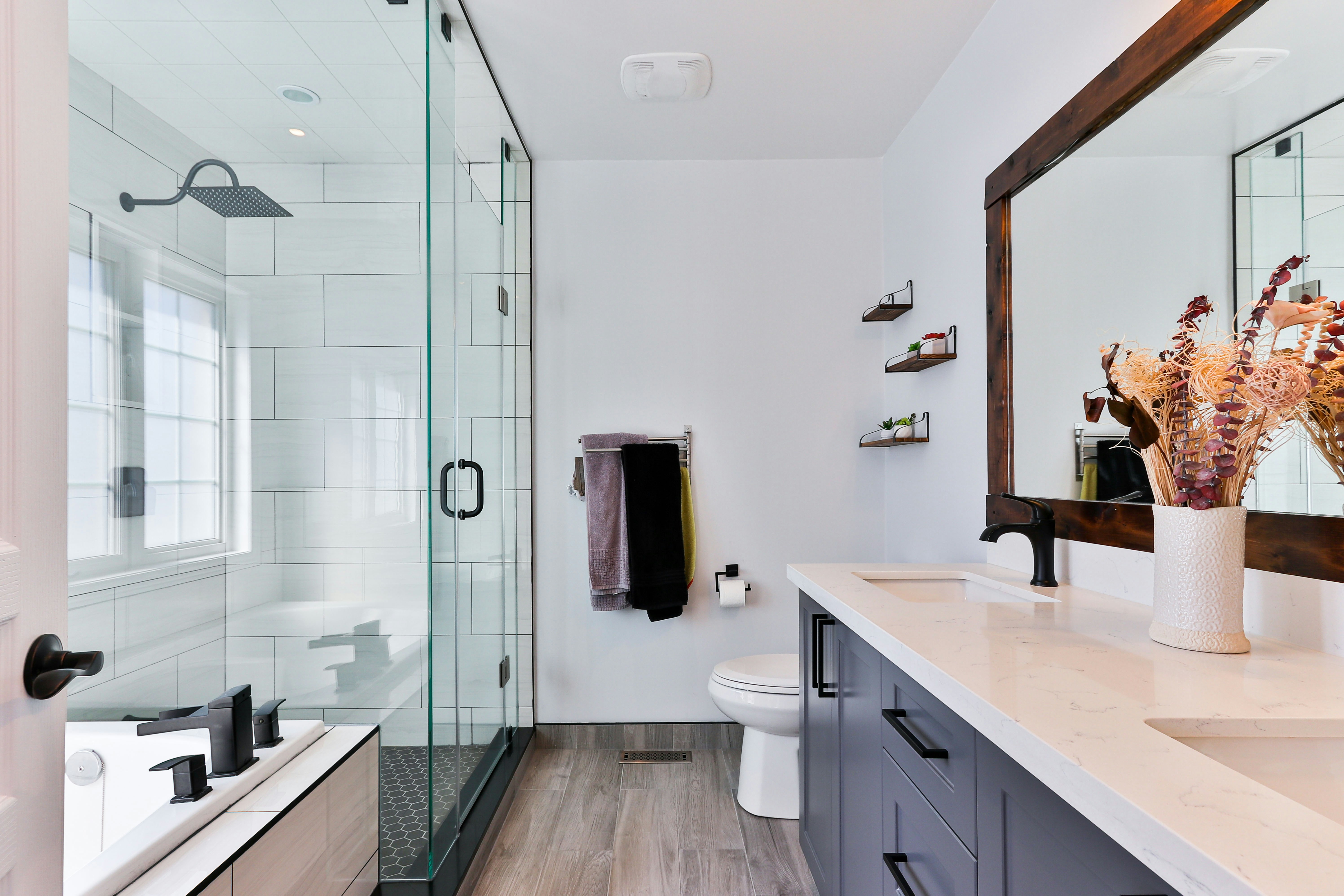
While most bathroom fixtures have plating and coatings that prevent rust, those coatings can wear off on older metallic surfaces. Proper air conditioning ventilation can eliminate moisture from the air in that contained space. Moisture creates a greater atmosphere for rust to develop on plumbing, sinks, and toilets. With a multifold system, ducts and exhaust fans can make for better air quality.

Homeowners may invest in an ever-clean surface to make sure that fixtures are sustainable for bathroom vanities and piping to last a longer amount of time. It’s important for an HVAC technician to recognize the amount of space to make sure that vents are in a place to allow for a better clearing of the air.

Vents prevent mold growth.

img

While moisture can create a ground for rust to form, it’s also a breeding ground for mold. Spores can grow at a rapid rate due to humidity and other conditions that can commonly be found in the air in any bathroom environment after the steamiest of showers. HVAC systems allow for dampened air to be cleared out quicker, reducing the chance for poor air quality that will make way for mold to sprout.

It’s important to take any precautions necessary with an AC system to prevent the buildup of mold. From HVAC installation, homeowners have been instructed on the way to make sure that mold doesn’t become an issue within the ductwork. After all, spores and bacteria are at the core of a lot of ailments brought on by inhalation that impact overall health in the long run.

It’s all about proper placement within your bathroom.

img

HVAC systems provide energy-efficient solutions, making sure that air conditioning and heating vents are able to circulate air as best as possible. It’s important that these ducts and vents are set up in a spot that assures that it’s clearing out hot air and humidity faster, preventing any circulation within the bathroom of your new home that could inhibit that warm air from getting eliminated quickly.

It’s important for a new homeowner to invest in bathroom supplies that can stand up to rust and mold buildup. Be sure to look into bathroom sinks and other fixtures that can stand up to bad indoor air quality. Stainless steel faucets and other elements of a shower system should be designed for easy cleanup to work in conjunction with those cleaner air vents for better air quality and safer use.