The Brothers Bloom
General Contractors Bringing you the Best Tips for Construction, Home Ownership, Investing and More

Spencer Waters

3 Ways To Upgrade Your Home

Your home is a place to relax, enjoy your life, and make memories with your family, friends, and pets. You have the power to make your home whatever you want and decorate it as you please. You can have a cozy or huge home and paint it with dark or bright color

Your home is a place to relax, enjoy your life, and make memories with your family, friends, and pets. You have the power to make your home whatever you want and decorate it as you please. You can have a cozy or huge home and paint it with dark or bright colors or anything in between. Although, there are certain upgrades you can do to make it easier for you to live your everyday life. Remodeling your house can be as big as adding a new room or as small as redecorating your guest bathroom. Anything can happen; the idea here is that you enjoy it and love it enough to appreciate it every day.

Here are three ways to upgrade your home.

1. Regularly maintain your HVAC system.

img

Not maintaining your air conditioner can have its side effects. A neglected HVAC system can be the reason why your allergies or asthma are acting up. It can also be the reason why your bill suddenly skyrocketed. It’s important to keep your HVAC up to date to maximize your AC efficiency by hiring a company like Custom Air & Plumbing.

Custom Air & Plumbing will make sure your AC unit is properly cleaned and repaired if needed. They will change or clean any dirty filters, vents, and ducts. Additionally, they will take care of any leaks and check that your refrigerant levels are at their appropriate measure. Their services will ensure your AC unit works through the summer months as efficiently as it does any other time of the year. It will also reduce the number of allergens in your homes like pollen, dust particles, debris, pet dander, and mold, among others. Regular maintenance will guarantee the efficiency of your air conditioner.

2. Remodel and redecorate your kitchen.

img

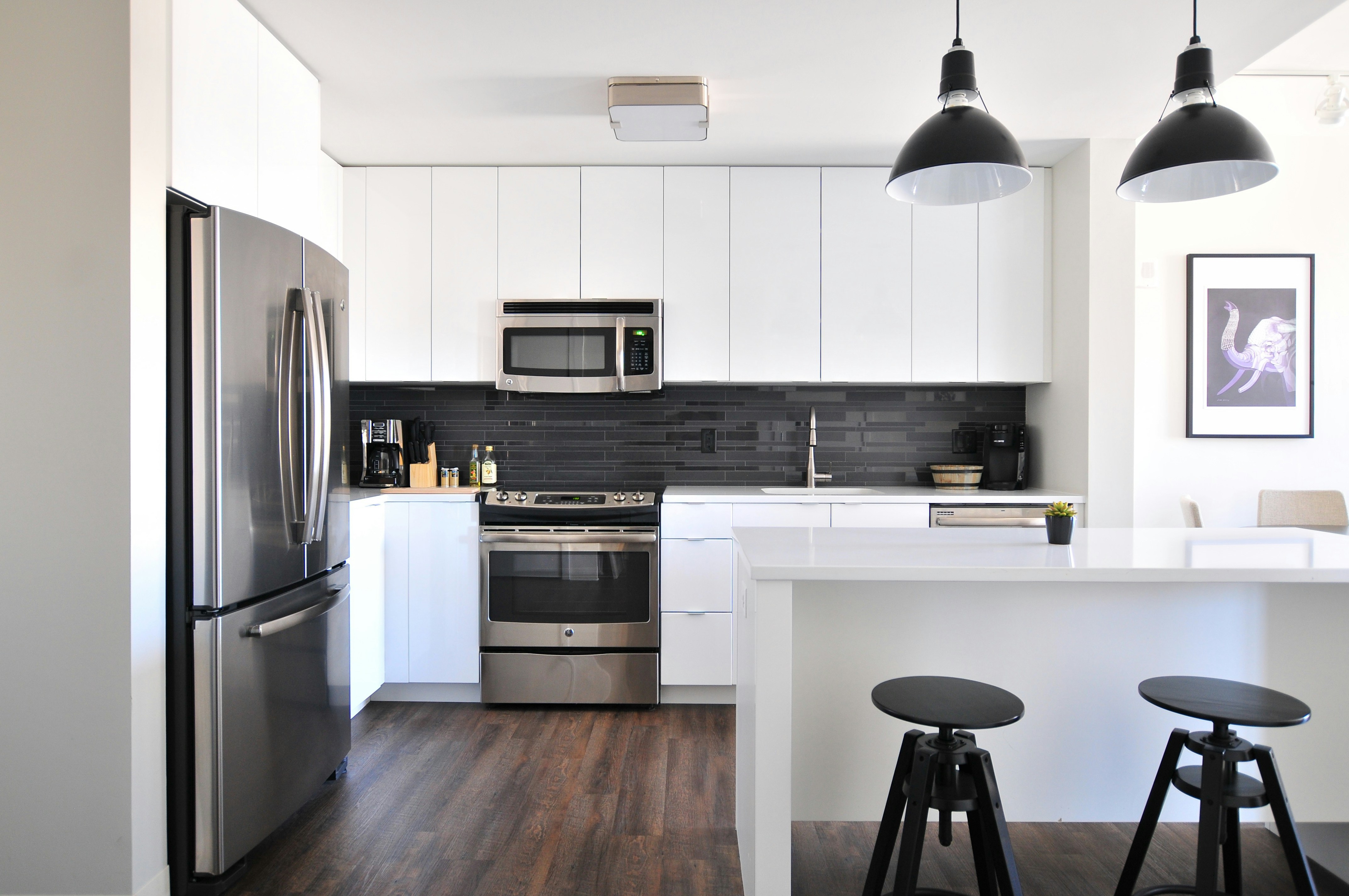
Moreover, to upgrade your home, you can remodel your kitchen into the kitchen of your dreams. You’ll most likely use your kitchen every day, so it’s important you are happy with it. Additionally, it’s a focal point in your home and should be treated as such. To transform your kitchen into the heart of your home, you can replace your cabinets, countertop, appliances, backsplash, lighting, and fixtures.

Doing so will revitalize your home and provide you with a refreshing new kitchen that’ll be perfect for cooking your favorite meals. You can change your countertop to granite or marble, or

change your cabinets to PVC or a different wood type. You can change your lamps to a more modern style or add your own flare. Whatever your renovation, just be sure it’s something you’ll enjoy for at least a couple of years.

3. Install a smart home system.

img

Lastly, to improve your home, you can install smart devices to make your life easier. Smart devices are electronic gadgets that can be connected to the internet and automated to do a repetitive or boring task for you. For example, you can get an Amazon Echo or Google Home to easily browse through recipes for your next dish. Moreover, you can install smart outlets and light switches so they can automatically turn off your devices for you.

For instance, you can tell Alexa to turn off your patio light and it will do so without you having to walk directly to the light switch. You can make your smart home system even better by setting up complex commands to do multiple tasks at once. For example, you can say “Good morning” to Alexa to start brewing your coffee, turn off the air conditioner, open your automatic blinds, and turn on your kitchen lamp.

These three ideas will turn your home into your dream home.

Your Guide To Buying A Home That’s A Fixer-Upper

A fixer-upper might be the perfect place to spread your wings as a family or individual first-time home buyer. Purchasing a home is a big step in life, no matter what the additional circumstances you are experiencing might be. Buying a fixer-upper is a great w

A fixer-upper might be the perfect place to spread your wings as a family or individual first-time home buyer. Purchasing a home is a big step in life, no matter what the additional circumstances you are experiencing might be. Buying a fixer-upper is a great way to lock in a bargain price, and get to bring in the satisfaction of a DIY home improvement project that spans the entire property.

To be sure, a fixer-upper is a task that should not be undertaken lightly. While the price tag may be extremely appealing, the work that must go into a home of this type can range from moderate output over the course of many months to extensive rebuilding over the length of a year or more.

With the help of a resource like Renovator’s Blog, though, getting all the latest information on trends, technicians, and tools that will help you to get the job done faster and smoother becomes second nature. The use of this site and others like it is a must for anyone thinking of conducting a rebuild or long-running improvement project on a fixer-upper. You’ll be glad you took the time to explore reviews, planning ideas, and lessons in order to streamline the learning curve that is sure to come along with the home.

Begin by evaluating the financing options for homeowners in this arena.

img

Whether you’re buying in Raleigh, Wake County, or Hilton Head, SC, purchasing a home comes with the question of financing more often than not. While around 40% of homeowners own their property free and clear, the vast majority of buyers in the current market are utilizing a mortgage loan to facilitate the initial purchase of property as a first, second, or other investment homes.

A fix and flip loan is a popular option in this arena, especially for real estate investors who are looking to take advantage of the rock bottom pricing structure of a fixer-upper home. Funding your purchase with the help of a private money lender is a great option for anyone hoping to quickly move on a property that meets their needs or the type of investment that will sit well within a portfolio of other real estate and other assets.

Fix and flip loans are the staple financial product among real estate investors buying up these homes that require a bit of care. property owners in this space often work with a consistent team of installers and technicians who can quickly repair or replace the roof, HVAC system, and kitchen fixtures in order to immediately make the home sparkle. With a few finishing touches, fix and flip loans give a real estate investor the edge he or she needs to quickly purchase a property and then relist it at a significant markup after making the requisite renovations that will attract new buyer attention.

This approach is also great for someone looking to make this house a home as well. With a private money lender in your corner, getting funding for your new home purchase is far easier than with a traditional financial institution. Private money lenders are able to engage with clients on their own terms rather than adhering to standards and practices set by a corporate office that doesn’t have the same know-how when it comes to the facts on the ground in your local marketplace.

Tackle window and roof renovations early in your journey.

img

The windows and roof are some of the most important external systems that your home has within its purview. These are crucial for providing security from the elements and pests that can make their way into your home if it isn’t sealed off against intrusions from the outside environment. The Raleigh heat can often warp shingles or tiles in the summertime, only to turn on its head and freeze the external fixtures through the long winter.

The change in temperature and humidity can create chaos for your home’s systems and often create additional damages to homes that have hit the market in states of disrepair. A Midland window replacement technician is your best point of contact when approaching fixes that have to do with these elements of the home. Windows provide natural light and protection from the elements all at the same time. Making sure that you’ve installed high-quality panes is a must for anyone looking to boost the comfort in a new home.

Focus on HVAC system upgrades for greater comfort in the home.

img

Many homeowners who are new to the fixer-upper space as to whether they should repair or replace your Wake County, NC, HVAC system? The answer will depend on the current state of your air conditioning unit and the additional components that make up the HVAC system as a whole. Many homes haven’t suffered extreme damage to the internal parts that make up the HVAC system as a whole. In this case, a repair to the major components on the inside and a replacement to the AC unit that lives in the external space may be all that it takes to get your heating and air working properly.

Air conditioning units are often rated to last for about fifteen years, but with proper care, they can extend beyond this lifespan. Still, the internal components of the system don’t have to contend with the same hammering of the rain, snow, and debris that the AC unit does. This means that the compressor and other internal parts typically last even longer.

Hiring a technician to service the ductwork, compressor, and replace low fluid levels is a great place to begin when working to restore a home’s air conditioning system to full power. This should be a high priority for anyone looking to fix up a new buy. Once you’ve taken care of the external components that keep the internal air and environment comfortable, bringing in a technician to fix the AC unit is a must so that you can move your efforts indoors to finalize the décor and living space itself.

With these action items, getting your new home in tip-top shape can be done in a matter of weeks rather than months or even years.

Why Air Conditioner Maintenance Is a Must

Summer is rapidly approaching, and it’s important to have your home air conditioning running on all cylinders. Most homeowners are used to the issues that come with turning an AC unit back on after the winter, but other problems can rear their heads at any tim

Summer is rapidly approaching, and it’s important to have your home air conditioning running on all cylinders. Most homeowners are used to the issues that come with turning an AC unit back on after the winter, but other problems can rear their heads at any time. Regular maintenance can ensure that your air conditioner from an HVAC system to a window unit can keep the cool air coming well through to the fall.

Keep it clean.
img

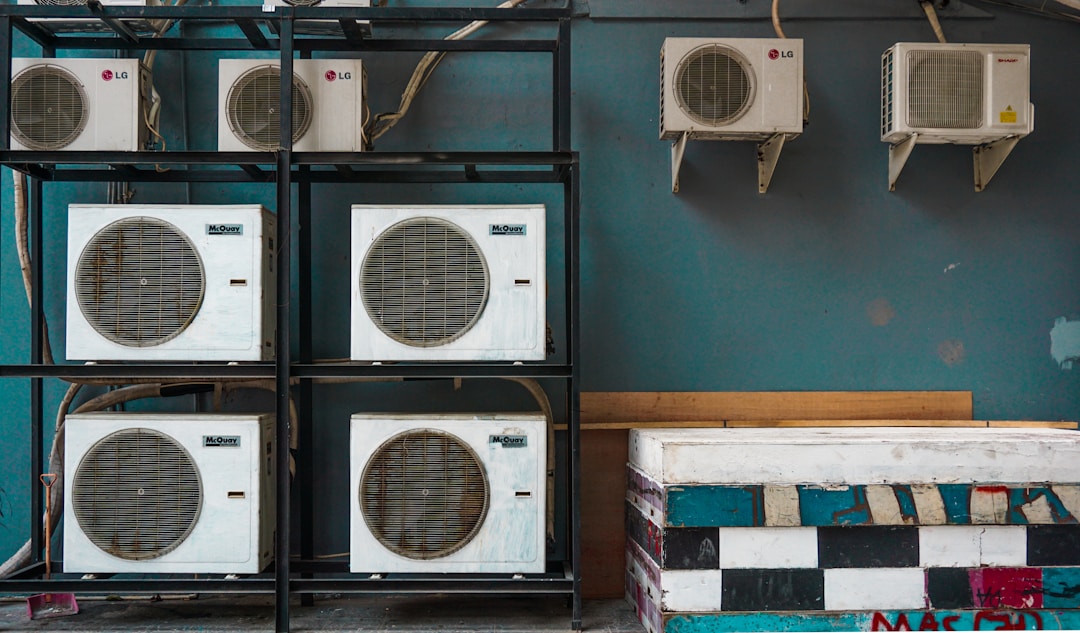
It doesn’t hurt to invest in air conditioner maintenance to help your bottom line. The truth is regular cleaning can have the greatest impact on the life of your system. If you have a window air conditioner, you want to clean or replace your air filters regularly. These filters accrue dust and other allergens over time with use, with those contaminants recycling back into the air. This can trigger allergies, asthma, and other respiratory conditions. Changing filters seasonally is a proper step of a preventive maintenance plan.

If you have a larger HVAC system, be sure to regularly clean ductwork and vents where dust may be building up. If you have a ductless HVAC with an outdoor unit, it’s important to clear away any debris that could be blocking the proper airflow. Shutting down power and taking a garden hose to scrub away any crud on these outdoor systems. This is a simple way to assure that energy efficiency remains paramount, as dust and debris can end up blocking air conditioning, making you run for the thermostat to lower the temperature. This increases energy consumption and puts more pressure on the unit.

Consider indoor air quality.
img

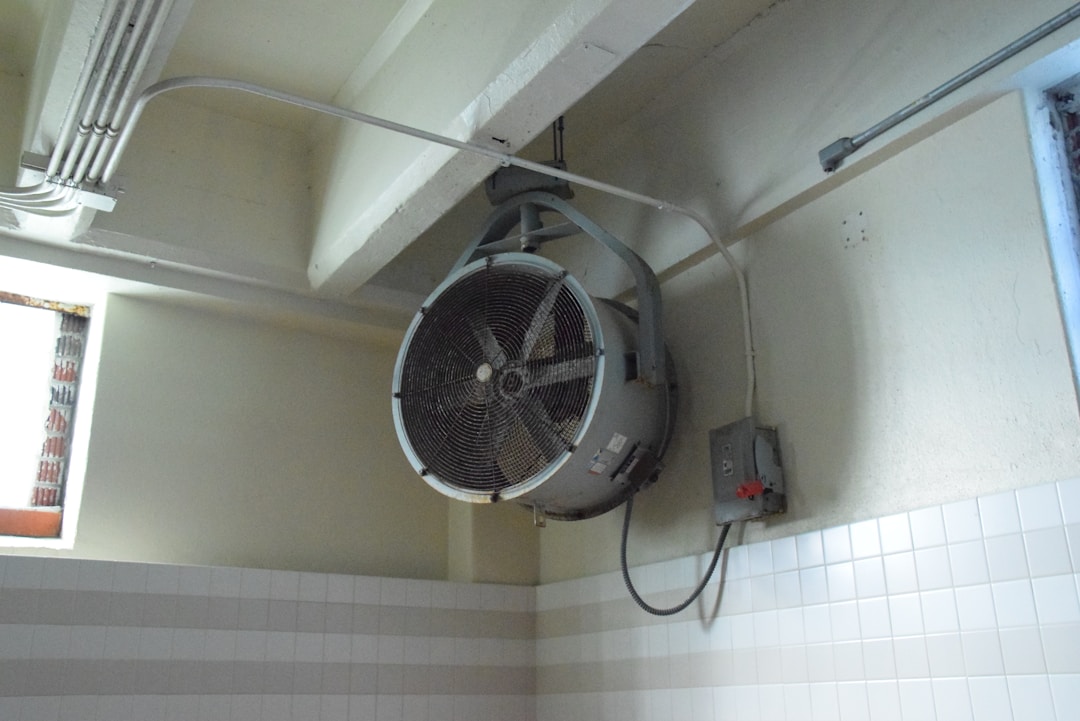
Lack of maintenance can negatively impact indoor air quality and turn an air conditioner into a breeding ground for mold. Built-up moisture can linger within an HVAC, ductless, or window unit. Along with higher humidity levels, you can easily create mold and mildew. If you notice a musty odor that lingers when you turn your air conditioning on, it’s time to turn off the power and scrub out your system. Soap and water are the easiest solutions for air conditioner maintenance.

This cleaning regimen is a small investment to assure that your AC can provide the comfortable temperature you seek, and a quick inspection can provide some peace of mind. The introduction of outdoor air is also helpful in creating better household ventilation during the cooling season. This can be done through natural means, like opening windows, which obviously translates to energy savings with your air conditioner being turned off. You can also do this through mechanical means through ductless HVAC systems.

Calling in the Pros
img

While you may fear running up a larger bill with costly repairs, bringing in an HVAC technician is actually a smart thing to do as part of annual maintenance. It’s recommended to have a professional come in and inspect the unit from top to bottom. Regular HVAC maintenance includes checking equipment throughout the unit for any loose or corroding parts. This also includes an inspection of ductwork, evaporator coils, and even the thermostat. It’s also important to have a pro on hand to deal with any replacements or any issues with refrigerants that need to be handled by the proper authorities.

Preventive HVAC maintenance can locate the issues with an air conditioner before becoming more significant and leading to a breakdown. A technician can also make sure that the service life of an HVAC unit or standard air conditioner surpasses the average. Book appointments in advance as part of routine maintenance. This will help build a rapport with a technician who can jump to the rescue in emergency repairs.
2 Common HVAC Mistakes You Should Absolutely Avoid

For every homeowner, one of the most important tasks is monitoring the household’s air system. Both the heating unit and HVAC system are delicate machines requiring year-round upkeep as the seasons change. However, whether you’re an experienced homeowner or cu

For every homeowner, one of the most important tasks is monitoring the household’s air system. Both the heating unit and HVAC system are delicate machines requiring year-round upkeep as the seasons change.

However, whether you’re an experienced homeowner or currently moving into your first home, it’s crucial to know the basic rules of maintaining the airflow and integrity of the HVAC system. Here, we will look at two common HVAC mistakes to avoid, helping to give your unit longevity and keep your energy bills low.

1. Air Filters and Ductwork

img

The first common mistake many homeowners make with their air conditioner is forgetting to change out the dirty air filters. One of the main reasons for poor air conditioning is the airflow blockage caused by a dirty filter. In general, dust, debris, pet dander, and all kinds of allergens can become caught in your AC system’s filters, which can lead to a number of issues. The basic rule of thumb is to replace them every few months.

Keeping in mind that your family’s health is the top priority, remember that a dirty AC filter doesn’t properly prevent dangerous or hazardous natural pollutants from circulating throughout the household. Quite simply, the most important job of your unit’s filter system is to prevent that poor indoor air quality from circulating. If any of your family members have health problems, such as asthma, clean filters are an absolute necessity.

In addition, when your air filters are clogged, it forces you to increase both the use and power of the air conditioner unit. In effect, more energy is being used for the amount of cool air you should already be getting, which quickly increases the amount of money you’re spending on your monthly utility bills.

For this same reason, your air conditioner’s ductwork is of equal importance. While the air filters purify the cool air as passes through the ventilation system, the air ducts are the actual means of airflow distribution for each room of the house. Your duct system gets a lot of daily use, and leaky ducts have a way of releasing the cool air before reaching the targeted areas. Much like a dirty air filter, this will cause less energy efficiency and a higher monthly bill. To play it safe, have a professional HVAC technician inspect your duct system once a year at the very least.

2. Regular Maintenance Throughout the Year

img

Perhaps the biggest mistake that most homeowners make when it comes to their air conditioning unit is avoiding preventative maintenance. Scheduling check-ups from an HVAC technician is an important part of responsible HVAC care, yet many people avoid it. This could be for a number of reasons. Some homeowners fear the cost of each HVAC technician’s visit or the potential expenses that may come from discovered problem areas.

However, without a professional’s keen eye, common problems can easily become worse, and significantly more expensive. Likewise, a professional technician can easily notice breakages or leaks within your home’s ventilation, vents, or any other issues that could lead to poor indoor air quality.

The best course of action to avoid expensive HVAC repair is to purchase a maintenance program agreement. For an annual fee, your home would be eligible for multiple visits from an HVAC technician throughout the year. In addition, a technician will monitor your air conditioning unit’s upkeep, clean the ductwork, change out the air filters for you, and make important suggestions regarding the unit’s lifespan. In the event of complete system failure, a professional technician can also advise you on the best and most cost-efficient replacement air conditioning unit. If you’re truly concerned about the longevity of your HVAC system, it may be worth the investment of an ongoing maintenance agreement for your home.

How to Prioritize Rooms When You’re Remodeling Your House

It’s no secret that remodeling is an integral aspect of real estate, helping many people modify their living spaces for various reasons. As a homeowner, you’ll likely want to tackle multiple home improvement projects at a go for convenience’s sake. However, yo

It’s no secret that remodeling is an integral aspect of real estate, helping many people modify their living spaces for various reasons. As a homeowner, you’ll likely want to tackle multiple home improvement projects at a go for convenience’s sake.

However, your limited time and money, as well as your many ideas on improving your house, necessitates prioritizing your home improvement projects. Thankfully, there are specific criteria you can use to decide which projects to tackle over others. Here are some great tips to help you with prioritizing rooms when improving your home.

Consider your home’s value.

img

Specific home improvements are better investments than others because they contribute more to increasing your home value. Therefore, it’s a good idea to give preference to these projects over their less value-adding counterparts. These days, some of the popular projects that boost home value are bathroom additions, kitchen remodels, patio and deck additions, plumbing updates, and installing energy-efficient insulation. As such, you can invest in these areas over others, especially if you’re considering selling your home in the future since homeowners value these upgrades. If you want to refurbish your kitchen or bathroom, finding the best contractor for the task is essential to guarantee a job well done. Leading remodeling companies such as CMK Construction can handle these concerns.

CMK Construction offers commercial, residential, kitchen, and bathroom remodeling in Tampa, FL. They provide bathroom design services, helping you build various bathroom types, including half baths and master bathrooms. They also conduct bathroom remodel projects like tub and shower conversions, installing new toilets, faucets, showerheads, and sinks. The CMK Construction contractors also help clients realize their dream kitchen spaces, and they can assist with fixing new kitchen cabinets and countertops and complete custom kitchen remodeling. What’s more, they have years of experience in the kitchen and bathroom renovation industries, helping Tampa residents with their remodeling and renovation needs for about 17 years.

Put necessity first.

Necessity should also largely influence which rooms to work on first, so keep this in mind. Necessities are primary living conditions that are non-negotiable to the safety and comfort within your house. Therefore, if the living room has outdated electrical systems, a leaky roof, and an efficient design, it makes sense to work on this space before considering other home areas. Similarly, if your kitchen has non-stop plumbing issues, old tiles, and a cluttered design, you’re better off working on this area’s plumbing, flooring, and design, respectively. Since indoor air quality is vital to your home’s comfort, you should also consider investing in air purifiers to enjoy clean air in all of your rooms. Esteemed home and kitchen retail brands such as Vremi can help with this need.

Vremi offers top-notch, user-friendly, and affordable home and kitchen goods to various customers worldwide. There are many pollutants within the home—like pollen, mold, and pet dander, and even pests like air dust mites that can trigger asthma symptoms and allergies in many people. You can use an air purifier with a HEPA filter to improve indoor air quality within your living spaces, enjoying all the health benefits of fresh air. However, it’s prudent to regularly invest in an air purifier filter to maintain your purifier’s efficiency. Vremi’s air purifier replacement filters have a three-stage filtration system, with HEPA H13 and activated carbon filters that remove microscopic and other airborne particles for cleaner and fresher indoor air. These filters are compatible with the Vremi Premium True HEPA Air Purifier, a powerful air cleaning and odor elimination device that works well in all medium to large rooms.

Factor in your current and future stage in life.

Assessing your current and future stages in life is also essential to prioritize your home improvements. If you live in a starter home, you generally won’t have to conduct major remodels, besides adding new kitchen appliances or updating your bathrooms. You can also indulge yourself with fancy additions like hot tubs in your bathrooms and converting a room into a home theater when planning for life as an empty nester. Also, you are better off focusing on kitchen and family area expansions and improvements if you’re expecting a growing family. If you’re retiring at home, you can also prioritize areas like the bathroom, master bedroom, and living room for improved accessibility. Your present and future are always vital considerations in life, so it isn’t surprising to see many people interested in astrology as they make these decisions. Trusted experts such as Ask Astrology will come in handy when seeking expert insights on all things related to your Zodiac sign.

Ask Astrology is a team of astrologists, experts, and enthusiasts that helps you learn more about astrology, besides offering answers to various astrology-related questions. Their article on what you dislike about your sun sign enables you to understand your Zodiac sign’s downsides and how you can navigate them. For example, a Sagittarius loves spontaneity but may end up being too blunt at times. Geminis may be prone to too much multitasking, Scorpios are too intense, Virgos obsess over perfection, and Pisces often struggle with emotional expression. Knowing these flaws is essential to find ways around them or unapologetically embrace them as central to your personality.

Consider your budget.

Budgets are always constraining, so you must consider how much money you have to spend before deciding which rooms are worth the investment. Since the kitchen is an integral part of the home for many busy families, you can consider several amenities to add to your kitchen to simplify your family’s life. Appliances and gadgets like refrigerators, dishwashers, and coffee makers are necessary, alongside organizational kitchen amenities like drawers to store utensils and saucepans.

If you intend to use a particular home space for something urgent, it also makes sense to spend money on that room over others. For example, if you’re looking to start a cannabis cooking show, your kitchen must be your first remodeling project. Many people are cooking cannabis-infused dishes like pot brownies to enjoy CBD’s many health benefits. CBD or cannabidiol is a cannabis plant derivative that is widely popular nowadays, commonly used in making products like tinctures, gummies, and cannabis edibles. If you’re trying CBD for the first time, be sure to ask a doctor before eating any pot brownies in the first place.

Remodeling is essential to homeowners worldwide, who must consider various factors to determine which rooms to improve over others. The above-listed points are helpful guidelines worth remembering to prioritize rooms when remodeling your house.

How Much Buying a House Really Costs

Homeownership is a celebrated milestone for several people in America and beyond. For many, purchasing your own home is the crowning moment in the rite of passage to adulthood. It’s also the most significant financial investment many people will ever make in t

Homeownership is a celebrated milestone for several people in America and beyond. For many, purchasing your own home is the crowning moment in the rite of passage to adulthood. It’s also the most significant financial investment many people will ever make in their lives.

There are numerous perks to owning a home, but it’s a costly endeavor. Although every home has a price tag, the actual costs of acquiring a house often exceed the price on the listing. Therefore, it’s essential to know about all these extra costs before committing to a long-term purchase. Below are some insights into expenses you should be prepared for when buying a home.

Down Payment

img

Your down payment is almost always the first financial consideration you should factor in when estimating how much your home will cost. It’s a portion of the sales price you must pay upfront when purchasing a home. Then, the rest of the sales price will be financed by your mortgage plan. Traditionally, 20% of your home’s total cost is widely considered the gold standard for down payments. Major financial institutions like credit unions and banks offer government-insured and conventional loans, and your choice will significantly impact how much down payment is required to kick-start the home buying process. However, several financial experts advise that the more money you set aside for your down payment, the better. Since homes are significant residential real estate investments, some organizations have taken up property maintenance and management upon acquisition to ensure long-term profitability. Reputable real estate management companies such as Venterra Realty are great examples of such businesses.

Venterra Realty Inc. is a property management company that oversees many apartment homes and communities in 11 major US cities across the southern United States. Their properties house more than 35,000 residents and 11,000 pets. John Foresi and Andrew Stewart established Venterra Realty in 2001 to provide quality real estate management services to clients. The company specializes in identifying, financing, developing, managing, and acquiring multi-family apartment communities. John Foresi from Venterra Realty credits Venterra’s success to their award-winning company culture and dedicated, passionate, and caring employees. Foresi, the CEO of Venterra Realty, also praises the Venterra team’s commitment to improving residents’ lives by guaranteeing industry-leading customer experiences. Venterra Realty self-manages all of your property management aspects because they regard operational control as vital to their efficacy. What’s more, they use industry-leading technology in the property management industry, maintaining high-efficiency standards that benefit residents, investors, and employees.

Closing Costs

Closing costs are third-party and lender fees that you must pay at the end of a house buying transaction. They account for approximately 2% to 5% of the home’s overall purchase price. You can negotiate these fees as part of your offer, and the costs are typically split between the seller and buyer. These prices usually include appraisal fees that must be paid to an appraiser who provides your lender with your home’s market value estimate. Home inspectors who evaluate your house’s condition to determine whether it’s in good condition will also need to be paid inspection fees for their services.

Property survey fees may also be necessary if your lender requires a surveyor to determine your home’s legal boundaries and lot size. Prepaid taxes and insurance, home warranties, title search and title insurance, loan origination, and transfer tax fees are other petty costs that should constitute your entire budget to ensure that you close successfully. As a result, you can consider accessing more cash to help you close by leveraging services such as your local pawn shop. These pawn shop services offer you money for your jewelry, antiques, and other valuables. Pawnbrokers also provide pawn loans that require you to exchange items as collateral for cash, and you can even trade items for merchandise like musical instruments or sporting equipment.

Mortgage Payments

Unless you paid in full for your house upfront, monthly mortgage payments are expenses that you should consider when budgeting for a home purchase. Several factors contribute to how much you’ll pay, including the amount of money you borrowed to purchase your home (principal). Interest rates are also essential, and these costs are the fees your lender charges for the loans they give you to buy your house. Mortgage interest rates often fluctuate, but many borrowers pay below 3% for a thirty-year fixed loan. Homeowners insurance, property taxes levied by the government to fund local services, and HOA dues also influence how much your monthly mortgage payment will be.

You may also need to pay Private Mortgage Insurance (PMI) if your down payment is less than the 20% standard. These premiums secure lenders if you default on repayment. You can pay an upfront sum and continue to defray the balance with premiums that are lumped in with your monthly payments until the remaining principal balance on your mortgage falls below 80% of your home’s value. Consequently, it’s a good idea to set up financial goals that can help you meet your monthly mortgage payments. For example, you can use a savings goal calculator to determine how much money to contribute monthly to reach your savings goal of having your monthly mortgage payment ready every month.

Reserves

First-time homebuyers are particularly unfamiliar with reserves when buying their properties. Reserves aren’t necessarily a cost you must incur when purchasing your home, but these funds are necessary monies you should have in the bank after paying your closing costs and down payments. Several mortgage companies don’t want borrowers to deplete their savings after buying their homes, so they ask to see reserves that can last you for at least two months. This way, they’re more confident in your ability to make good on your monthly payments. Many financial experts suggest three to six months of emergency fund savings when buying your home, so keep this in mind. The ongoing coronavirus pandemic has highlighted the need for emergency savings, as it has hit the global economy hard. Thankfully, vaccines are now available but now’s the right time to conduct COVID-19 testing if you’re a business owner. Some labs offer COVID-19 tests for large groups like employees and conference attendees, so consider partnering with them for fast and reliable COVID-19 tests and results.

There are several costs beyond the mere price tag of a home listed for sale. The points above are examples of some expenses you should plan for to avoid being overwhelmed when closing your home purchase.

Smart Tips To Weatherproof Your Home

Weatherproofing your home is crucial as Mother Nature has the habit of pulling up surprises. The seasons are ever-changing. One day, it’s cold; the next day, it’s too hot or too windy. Whichever way, it doesn’t have to impair your comfort as long as you’re rea

Weatherproofing your home is crucial as Mother Nature has the habit of pulling up surprises. The seasons are ever-changing. One day, it’s cold; the next day, it’s too hot or too windy. Whichever way, it doesn’t have to impair your comfort as long as you’re ready for whatever nature has in store. What’s more, you don’t have to start making emergency fixes that will likely cost more than expected. That said, check out these smart tips to weatherproof your home.

1. Inspect your roof periodically.

img

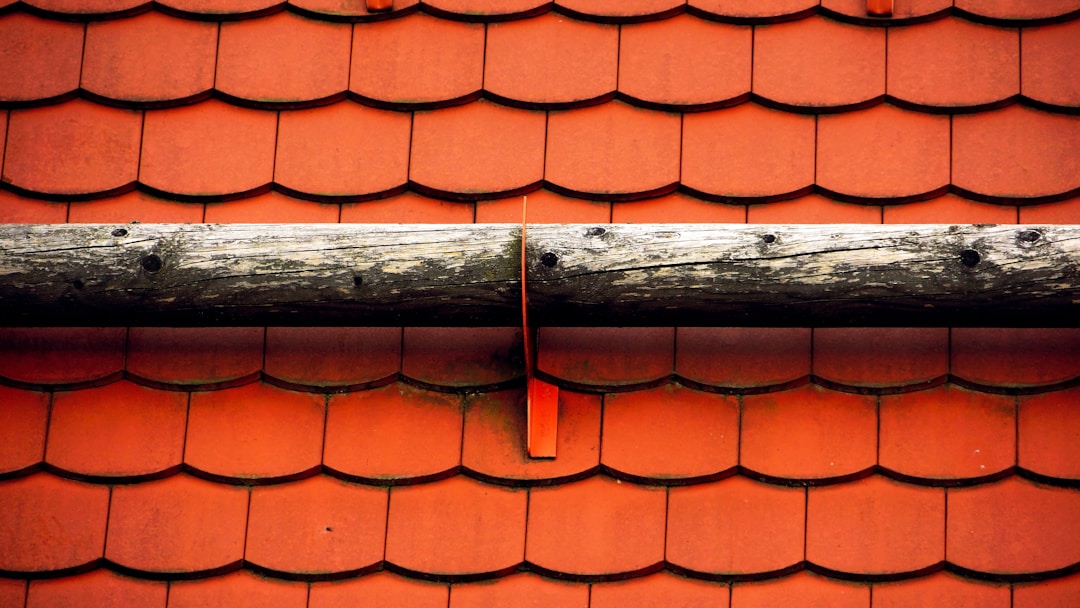
Year in, year out, your roof endures many pressures from outdoor elements. As a homeowner, you’ll be making a huge mistake to assume everything is fine. On the contrary, the weather has its way of causing havoc on your roof. Believe it or not, water from rain or dissolved ice is a common culprit. That’s why protecting your roof is vital because water can destroy furniture, electronic appliances. The good news is that you can spot water damage early by looking out for discolored patches on your ceiling before the damage gets bigger or the water starts coming in.

Some roof checks might not be an easy DIY job so that you might need the help of professionals. They’ll look out for loosed shingles and protruding nails. Remember roofers are busy and offer costlier service during winter, so make this move earlier before winter or the rain arrives.

2. Inspect your heating system.

img

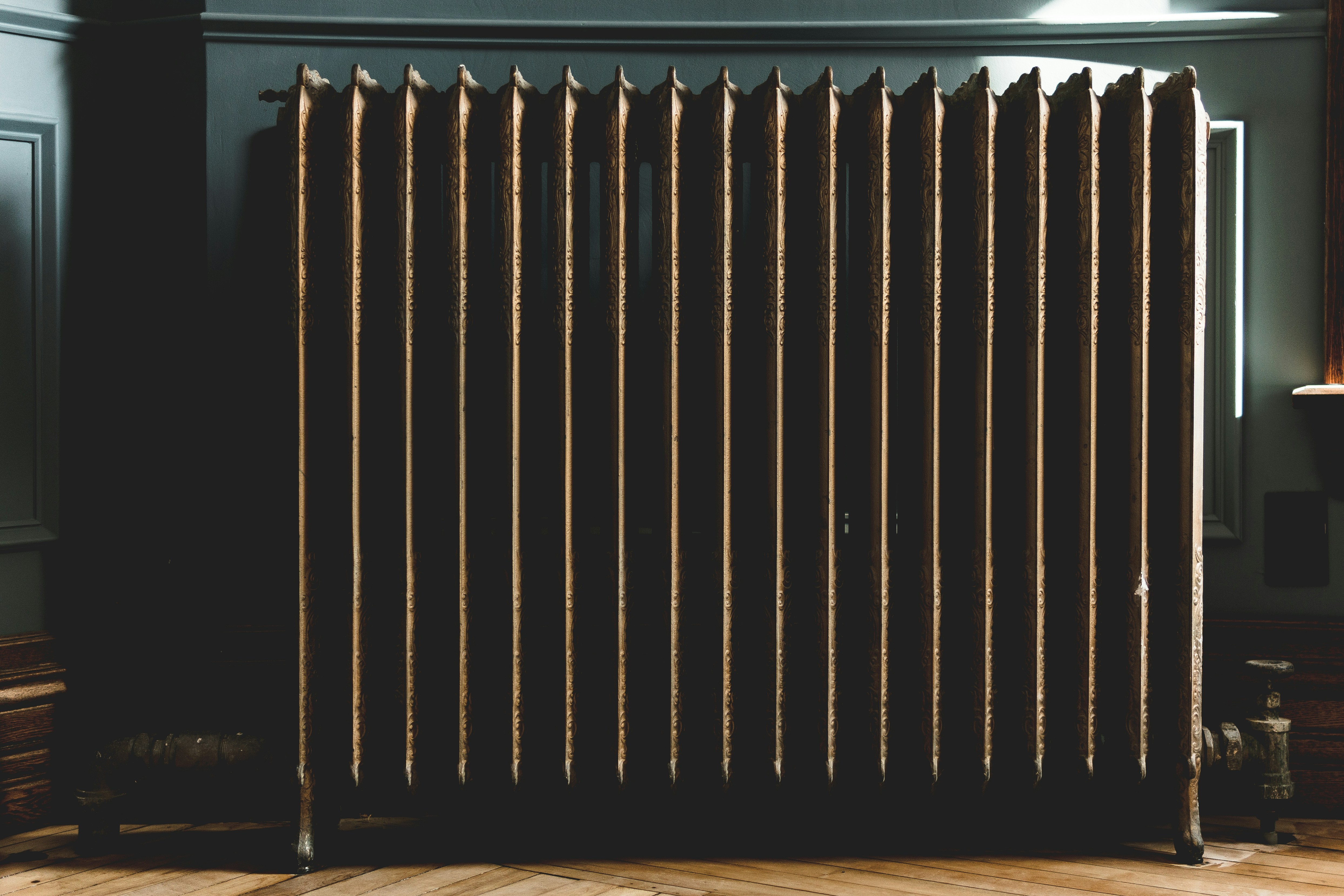
The last challenge you want to face is a heating problem, especially if you live in a cold climate and the winter decides to bite hard. According to the United States Fire Administration, heating systems are one of the major causes of fire in residential buildings. Therefore, staying warm isn’t only the goal here, but keeping safe as well. If you don’t know what to look out for, let the experts come in to do a comprehensive check. They likely suggest you install heat pumps. If you already have an air source heat pump installed, you may need to update high-efficiency heat pumps that provide heating in icy climatic regions. With this, you’ll stay well protected from the Armageddon of winters.

3. Don’t forget your garden.

img

If you have flowers outside your home, the changing weather means you may need to take steps to keep your plants safe from unforeseen harsh winter conditions. Furthermore, having trees around your home is great as they help break the wind and beautify your surroundings. However, strong winds can break tree branches. That could mean a couple of hundreds or thousands of dollars in damage as tree branches can destroy your roof and car. Also, you might need professional help to detach large tree branches.

4. Seal windows and doors.

img

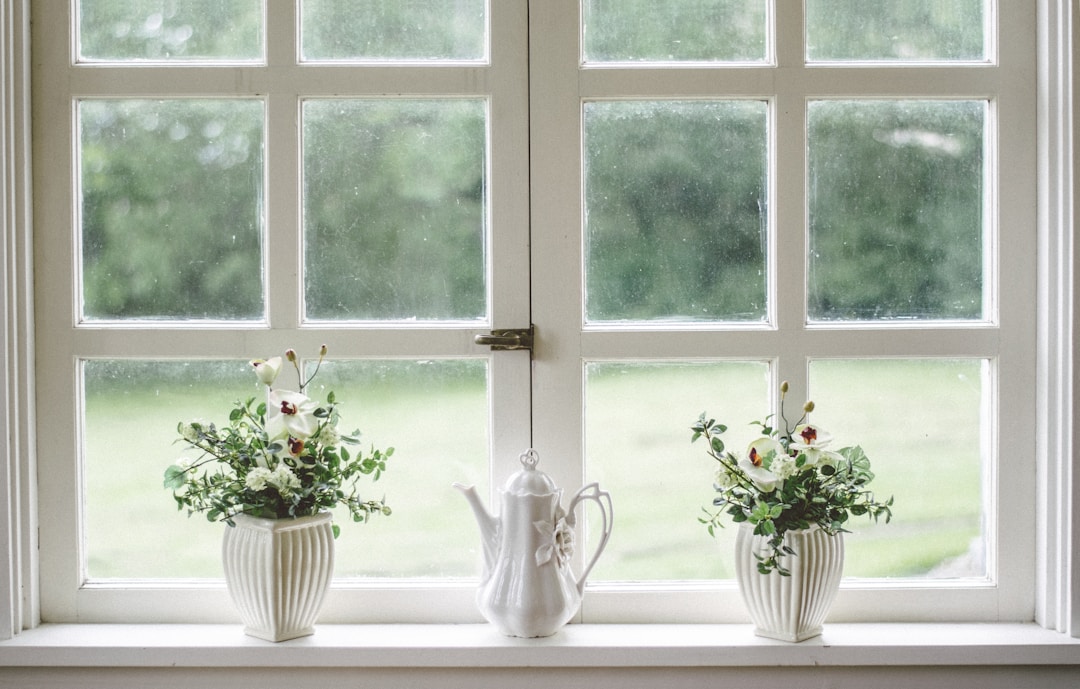
Cold outdoor air can leak into your home via windows and doors during winter. This can potentially decrease your energy savings as you’ll require more warm air from the heaters. The best option is to seal your doors and windows, a simple DIY job that you can carry out with a naked flame from a candle. Place the lit candle close to the doors and windows, and observe if the flames aren’t steady.

Move it around the door and window frame to ensure you don’t miss any spot. You can seal it by yourself with a weather seal or hire a handyman for the job. You’ll not only keep the cold out but also drop energy costs by 25%‚Äîsince you’ll be retaining more heat while your heating system may be off for a while.

This is a great move, especially if you have small children or pets in the home. Many pet owners don’t know that their furry friends or companions can also get very cold in the winter and need a lot of veterinary care. Like humans, they’re also susceptible to cold weather that causes allergy symptoms, frostbite,s and hypothermia. However, if you’re considering adopting a pet, this shouldn’t stop you. Pets are a great company and are so much fun when you can’t go outdoors in the harsh winter. So, should you get a pet? Definitely yes. Very likely, most dog owners will agree.

5. Use heat reflective paint.

img

Weatherproofing isn’t for the winter seasons only. If you live in places like Australia and the tropics, temperatures can get a little mean. You can adopt heat reflective paint on your room and walls to keep things a bit cool. These paints can reflect above 70% of solar radiation. What’s more, if you’re cool indoors, you don’t have to use the cooling system all the time, which can reduce your energy consumption significantly.

Preparing for a Major Move With a Child With Disabilities

Moving is stressful under any circumstance, but if you have a child under your care who’s differently abled, the stress can be compounded. There’s a lot more preparation and work that goes into ensuring a smooth move with your child. It’s even more important t

Moving is stressful under any circumstance, but if you have a child under your care who’s differently abled, the stress can be compounded. There’s a lot more preparation and work that goes into ensuring a smooth move with your child. It’s even more important to keep track of everything and sequence your relocation in a thoughtful way.

Children are already sensitive to change, and for a child with disabilities, change can be even more difficult, especially if it’s your first time moving. Even with the same belongings, a new place can feel scary at first. Moving cross-country for a job might feel impossible right now, but with help and preparation, you’ll be able to make your child feel comfortable in no time. Here are a few tips that will aid you in a major move with a child who is differently abled.

Create a bond with a new doctor beforehand.

Your child’s health is of the utmost importance to you. Due to how frequently your child has to interface with medical professionals, your child may be hesitant about leaving a doctor with whom he or she has a strong relationship. Doctors have to get up close to children with disabilities, so trust is extremely valuable and important.

Once you’ve figured out the city you’ll be moving to, it’s a good idea to take the time to find an office that specializes in helping children just like yours. For example, if your child has hearing loss or is deaf, finding a location with pediatric audiology that’s a convenient drive from your home is a necessity. It may even help you determine what neighborhoods you should be buying in if you’re not familiar with the area.

Before making the big move, schedule an appointment, so your child can get familiar with the new pediatric audiologist or whatever specialist they’ll be seeing. That way, you can ensure that you like the doctor and that your child is starting to get comfortable with the idea of seeing this new person for their important check-ins. This step is important even with newborns, so you can feel confident about the switch.

Work with a realtor from the start.

If you’re moving to a new area, contacting a real estate agent from the beginning can reduce your stress. You may have specific needs from your new home, like a ramp for your child’s wheelchair or a one-level ranch style house for easy mobility. With an agent, you won’t waste your time on websites looking for homes that aren’t going to work or that will get snapped off the market before you can make an offer. If your agent finds a place they think will work for you, your child, and your finances, they’ll be able to check the place out first and send pictures.

Your agent can sometimes see listings before they’re public, which means you can put an offer and down payment on a perfect home purchase and potentially avoid a bidding war. Overall, working with a realtor is a great idea because they can provide you with mortgage payment calculators and a checklist for first-home buyers, so you’re making an informed purchase and understand the paperwork that’s in store.

Make the move a positive experience.

No matter how much anxiety you’re feeling about the move, it’s best to stay calm for your child. Children often take social cues off their parents in order for them to process experiences. If you act upset about leaving, they’re more likely to be upset. However, if you make the move an exciting adventure and use positive reinforcement, they’re more likely to make an easier transition. Your family members and friends can help you out with this by watching your child during stressful moments, so they’re not overstimulated. It’s also helpful to give your son or daughter something to commemorate the move.

Bribery is usually frowned upon in regard to child-rearing, but there are some small gift ideas that are perfect for the occasion that will help your child feel more confident about the move. For example, one gift idea is that you can give them a “moving buddy.” A stuffed animal can act as a new friend and confidant in a different environment.

Prep the new house before relocating your child.

img

Your best option for moving with a child who’s differently abled is to prepare the space as much as possible before moving in. Make sure any medical equipment you need will already be there, so you don’t have to run around trying to find what box it’s in. If your child is younger, get the shelves put up that display their favorite possessions, and have their bedroom fully prepared, so their first impression of their private space is positive. If you need to downsize their toys, instead of throwing them out, which might cause your child stress during a time of change, try using a self-storage unit until they’re feeling a little more comfortable letting go of old items.

Your life understandably revolves around your child. Even if your child is differently abled, there are still ways to make a big move. By finding your child’s new doctor, working with a realtor, and keeping the situation positive, you and your child are sure to have a great move.

Home Upgrade Pros and Cons

Home upgrades can be critical to overall comfort and quality of life. They can add to your home’s value and even make a sales listing all the more marketable. At the same time, it can be difficult to know how to prioritize home upgrades. If you’re considering

Home upgrades can be critical to overall comfort and quality of life. They can add to your home’s value and even make a sales listing all the more marketable. At the same time, it can be difficult to know how to prioritize home upgrades. If you’re considering home upgrades and aren’t sure where to start, read on for some home improvement pros and cons.

Heating and Cooling Repairs and Upgrades

img

Start with the basics. For example, when considering pros and cons of a hot water pump upgrade or installation, be sure to give your heating and cooling technicians a call. They’ll be able to help you navigate what you need for your home climate controls, including when it comes to hot water. While upgrading a water heater might not sound like a whole lot of fun, think of the long, hot showers you can soon depend on and you may change your mind. By working with heating and cooling HVAC technicians in all areas of upgrading your home climate and hot water heater, you’ll be living in a more comfortable space in no time.

The pros for staying on top of your heating and cooling needs are obvious. From hot water on demand to faucets, heaters, and air conditioning systems you can depend on, attending to plumbing and other needs is a must before thinking about less important homeowner updates and improvements.

The cons to focusing first on your tankless heater or worrying about energy efficiency are, of course, the money you may have to spend. But attending to these needs may not be as expensive as you think. The best way to find out is to call the professionals. You’ll thank yourself for it in the long run. Having the numbers will help you reach your final decision.

Renovations and Home Improvements

img

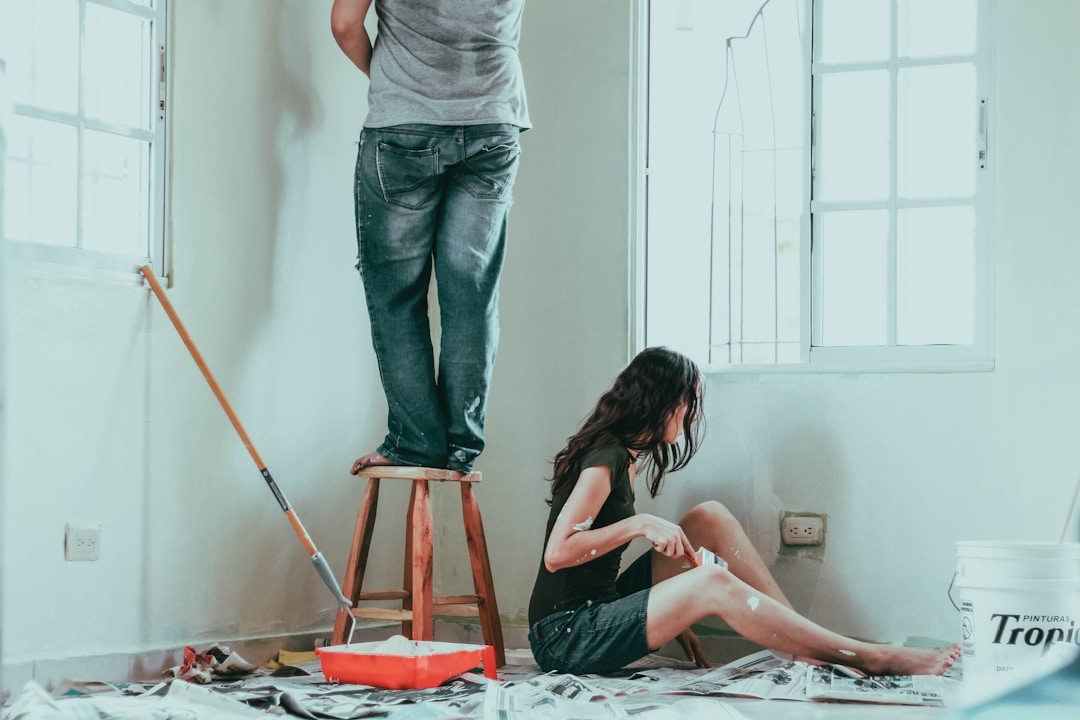
Before you worry about buying gifts for your girlfriend to celebrate an upcoming anniversary, consider ways you can make your home perfect for that anniversary dinner. From a kitchen remodel or overhaul to tiny tweaks like fresh coats of paint or a new baseboard, the upgrade options are only limited by your imagination and finances.

The pros of going through each room in your home to decide which upgrades to start with include making better use of your space, increasing your home’s overall value, and making your home more comfortable. The con to exploring upgrade options is that it’s often difficult to know where to start. If this is a challenge for you and your home climate needs are taken care of, think about the rooms you use most. Or, if your goal is to sell your home down the road, start with the kitchen and bathroom, as these often selling points for potential buyers.

Considering Long Term Payoffs

img

The pros of upgrading your home generally boil down to the long term payoffs. That is, in keeping your home up to date and in good repair, you’re adding to your home’s value. But there are other ways to look at your home’s value too. If you don’t plan to sell, think about ways you can add value to your home with upgrades that may not mean more financial value, but the quality of life. Having dependable hot water for showers and baths, for instance. A redone living room where you can have a romantic date night. Something as simple as turning a finished basement into a family game room or reconstructing the number of bedrooms and making bigger spaces by knocking down walls could be a great option for your lifestyle.

The cons of home upgrades come with the time and energy it takes to get the job done. On top of financial costs, the best thing you can do when deciding whether or not to upgrade your home is to take a hard look at the numbers and your overall budget. Some projects just aren’t worth it and are better saved for another time.

In the end, the good news is that it’s up to you to weigh the pros and cons of any home improvements, repairs, or renovations. Whether you’ve been in your home for a long time and have already weighed your best options, or if your home is new, a little research ahead of time, solid planning, and reaching out to professionals will help you to decide what’s right for you.

Should You Turn Your Home Into a Rental Property?

The decision to reimagine your home as a rental property is one that more and more homeowners in the United States are making. Rental income is a major source of free capital and helps float homeowners through difficult financial times—like the current situati

The decision to reimagine your home as a rental property is one that more and more homeowners in the United States are making. Rental income is a major source of free capital and helps float homeowners through difficult financial times—like the current situation we’re living through with the coronavirus pandemic.

Your home is likely your most valuable asset, but its worth isn’t contained simply to the appraised monetary value assigned to the property or the comfort that you derive from it as its resident. Your home can be leveraged to create additional purchasing power when it comes to real estate transactions or renovation work that you hope to conduct on your home. If you’re considering the option to turn your house into a rental, there are some important factors to consider and a number of key changes to make in order to leverage the property in order to generate a new source of income for the foreseeable future to help buoy you through these tough times. Here are a few tips to help with the process.

Understand the benefits and risks associated with the transformation.

When you list your home on the market as a rental property, there are certain obligations that you must meet as a landlord. Your tenants will expect a high-quality home that doesn’t present any immediate points of danger, such as exposed wiring or a faulty roof, water heater, or kitchen sink. Consulting with a personal injury lawyer Denver, CO is often a great way to understand the obligations that you’ll need to meet as a new landlord entering the industry. An attorney can help guide you through the renovations that must be made in order to safely list the property as well as any obligations that you may be liable for after a lease agreement is signed between you and your renter.

Having legal help during this process is the best way to ensure that you’re covered when it comes to injuries and accidents on the property. You’d hate to think that the environment you’re providing is unsafe for residents or visitors, but what’s worse is the possibility of your culpability in the event of an injury without even being present for the activities involved. Start here in order to ensure your peace of mind against potential legal action or liability in the future. Adding a CPR and first aid certification online to your resume can often be a great way to help mitigate these risks. The coursework can help in your own personal life, but it will also clue you in to any potentially hazardous elements within the confines of your newly outfitted rental home and property. Keeping on the lookout for these liabilities is critical to finding success in the real estate market.

Follow up with high-quality upgrades to attract great tenants.

Making use of the highest quality upgrades available on the home is a great way to improve the rental price that your home can fetch on the open market. Increasing the value of your property will help you boost the rent and the resale value of the home. Eventually, you’ll want to sell the property, and the more you’re able to tack on, the better your bottom line will look!

Adding top-rated storm windows in Florida is a great way to lock in this measure of value in any home. Florida’s weather is a consistent stream of stormy conditions throughout the year. During the summertime, Floridians have to deal with nearly daily thunderstorms in the afternoons, and later in the fall, they batten down the hatches to outlast numerous hurricanes that are blown through and nearby the peninsula. Storm windows are a must-have on any Florida home. New homes are often built with these as a standard inclusion, but older residences may not have yet made the upgrade to this higher level of protection.

The more high-end upgrades you include in the home, the more you can expect to earn on the backend. However, this must obviously be offset against the upfront costs of a string of renovations. Hiring a general contractor to oversee the project and install a number of upgrades all at once is often the best way to lock in great rates on your whole home upgrades. The American renovation industry is worth more than $400 billion a year. Therefore, finding a professional contractor with years of experience managing a team of subcontractors and organizing each component of the work is easier to accomplish than you might think.

Keep your finances in check.

On the subject of payments, maintaining your books to the highest standard is also essential when considering converting your home into a rental property. Leasing your home is a great way to bring in additional cash, but it can be hard to keep track of all your incoming and outgoing expenses associated with the project, especially for new landlords. Utilizing a bank reconciliation solution is the best way to keep track of all these different line items in your books.

Reconciliation software and firms specialize in keeping proper track of the expenses and incoming payments in your bookkeeping. This task can quickly become overwhelming for those new to the industry, and reconciliation is the all-important process of matching expenses and payments with receipts. Traditionally, this can take hours, even for small businesses or single property rental owners. With the help of an outsourced solution to this time-consuming task, you can rest assured that your expenses will always be accounted for and your books correct. Maintaining a tight handle on your finances is critical to understanding whether you’re on target to make a profit or not. Focusing on this essential task early on is critical in creating a winning strategy that will help you break even and then turn a profit faster than ever.

Converting your home into a rental property is a great way to build a new cash infusion into your personal finances. Make sure you understand your obligations as a new landlord, and then enjoy the new influx of capital.